
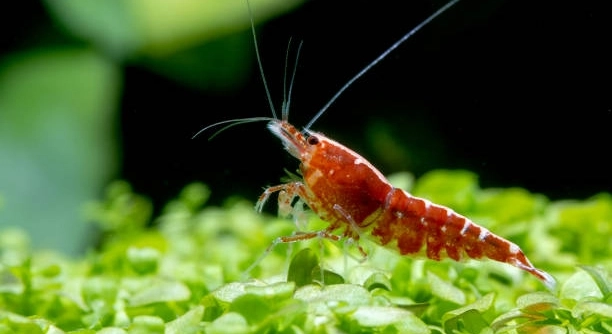
Have you ever felt unsure about what to expect when getting ready to add cherry shrimp to your aquarium, finding yourself wanting simple guidance that makes the process feel a little easier and more enjoyable.
Key considerations before purchasing cherry shrimp include evaluating tank stability, ensuring appropriate water parameters, confirming suitable tank mates, preparing adequate vegetation, planning consistent maintenance routines, and understanding their dietary needs, all of which support healthy acclimation and survival in captivity.
These points can help you feel more prepared as you learning about the care, setup, and needs of cherry shrimp.
Understanding Cherry Shrimp Basics
Cherry shrimp are easy to appreciate because they bring gentle movement and soft color to a tank. Before bringing them home, it helps to understand the simple traits that shape their daily needs. They rely on stable water, steady temperature, and calm surroundings, which means they do best in tanks that are already established. They are peaceful animals that prefer gentle filtration, moderate lighting, and spots where they can tuck themselves away when they feel stressed. They also respond well to tanks that have biofilm, since it gives them a steady source of natural food. When you understand these basic traits, you can make clear decisions about how to keep them comfortable in your space. You will notice that they behave better, stay more vibrant, and face fewer issues when their needs are met from the start. This simple understanding helps you see what supports a stable and calm home.
Feeding cherry shrimp depends on giving them small portions that match their natural grazing habits, avoiding heavy meals that pollute the tank while still ensuring they have enough algae, biofilm, and gentle commercial foods to maintain steady growth and healthy activity throughout their daily routine in a balanced way manner.
Shrimp health stays steady when the tank environment supports quiet behavior and gentle feeding. Small changes in temperature or water quality can create stress, so it helps to check these areas often. A tank with plants, hiding areas, and natural surfaces gives shrimp more comfort as they move around. Good lighting, clean water, and low levels of waste allow them to stay active without being overwhelmed. Overfeeding can create cloudy water, so lighter feeding supports better balance. When you keep these simple ideas in mind, your shrimp remain safer and more vibrant in their space for a calm home environment.
Preparing the Ideal Tank Setup
A stable tank supports cherry shrimp by giving them steady water flow, consistent temperature, and surfaces where biofilm can grow while keeping waste levels low enough to prevent stress and maintain peaceful movement throughout their daily routine in a clean and balanced setup that keeps them comfortable each day overall.
Setting up a tank for cherry shrimp begins with choosing a size that stays stable through daily changes, since small tanks shift quickly and can place stress on their sensitive bodies. A medium tank with a gentle filter creates calmer water flow that lets them graze without being pushed around. Adding plants such as mosses, floating greens, and rooted stems offers natural surfaces where biofilm grows, giving shrimp a steady food source that supports healthy activity. Substrate with texture helps them feel secure as they explore, and it also supports helpful bacteria that keep the tank clean. Regular testing is important because ammonia and nitrite must stay at zero, while nitrate should remain low. A consistent temperature prevents stress, making a heater useful even in mild climates. Light feeding with high quality foods keeps waste under control, allowing shrimp to stay active without extra pressure on the water. Slow acclimation helps them adjust without shock, and patience during the first few weeks gives them time to settle. Good upkeep, clear observation, and simple routines keep the tank balanced, helping the shrimp stay bright, active, and comfortable in their space while supporting a calm environment for long term stability each day overall.
Choosing Suitable Tank Mates
Cherry shrimp stay safer when paired with calm species that ignore their small size. Peaceful snails and tiny fish that avoid chasing help maintain steady behavior. Avoid larger or territorial animals, since they often disturb shrimp or reduce their ability to feed comfortably.
Safe companions depend on selecting species that match the shrimp’s gentle nature. Snails such as nerites keep the tank clean without interfering with shrimp activities. Small fish like ember tetras or chili rasboras usually behave calmly around them. These choices lower stress by creating an environment where the shrimp can graze freely. Keeping hiding spots available ensures young shrimp stay protected. A planted layout with soft lighting gives everyone space to move without tension, which supports better health and coloration.
Some setups require extra thought when mixing species, especially if the tank is small. Crowding can create pressure that affects shrimp behavior. Selecting tank mates with tiny mouths prevents predation, and offering steady feeding routines reduces food competition. Monitoring the group during the first weeks helps you see if any species shows unwanted interest in the shrimp. When you maintain this balanced approach, the shrimp continue their natural activity patterns, keeping them relaxed and active while avoiding unnecessary risks created by mismatched animals.
Water Parameters and Stability
Cherry shrimp rely on steady water values that remain within a gentle range, which means keeping temperature, pH, and hardness consistent without allowing sudden changes that might cause stress or disrupt their natural behavior inside a calm aquarium environment.
Maintaining stable conditions begins with regular testing, since these shrimp respond quickly to shifts in water quality. Ammonia and nitrite must stay at zero, while nitrate should remain low enough to avoid dull coloration or sluggish movement. A gentle temperature supports calm behavior, so using a heater can prevent small fluctuations that occur in cooler rooms. pH and hardness should be checked often to avoid swings caused by top offs or irregular maintenance. Slow water changes protect their sensitive bodies from shock. A balanced filter, live plants, and light feeding help maintain a clean habitat. When you stay consistent with simple routines, the shrimp remain steady, bright, and active each day.
Feeding Practices for Healthy Shrimp
Cherry shrimp stay active when given light meals that match their grazing habits. Small portions of quality shrimp food, algae, and biofilm support steady growth. Overfeeding can cloud the water, so keeping meals minimal helps maintain a clean and calm environment.
Their feeding routine stays consistent when natural surfaces are available. Plants, moss, and textured décor help biofilm develop, giving shrimp a reliable food source throughout the day. Gentle feeding every few days prevents waste buildup while still supporting healthy color and behavior.
Breeding and Population Growth
Breeding begins naturally when shrimp feel secure in a stable tank. Females develop visible eggs under their abdomen and release tiny shrimplets after a few weeks. Keeping water clean, offering hiding spots, and avoiding aggressive tank mates helps young shrimp survive. Light feeding and steady conditions encourage regular breeding cycles without creating stress for the adults. A planted layout gives newborn shrimp protection and natural food, supporting healthy growth in a calm and balanced environment.
Common Mistakes to Avoid
Adding shrimp to an unstable tank causes stress, so allowing the setup to mature first is important. Sudden changes, overfeeding, and mismatched tank mates also create problems that can be avoided with steady care and simple routines.
FAQ
How long do cherry shrimp live?
Cherry shrimp usually live for one to two years when kept in stable conditions. Their lifespan depends on steady temperature, clean water, and a tank that stays free from sudden changes. When these areas remain consistent, the shrimp stay active, show bright color, and reach their full lifespan without complications.
How many cherry shrimp should be kept together?
A small group of ten or more helps them feel secure. They behave better in groups because they rely on constant movement and grazing. When kept in small numbers, they may hide more often or show dull coloration. Larger groups help them settle quickly in a planted tank.
Do cherry shrimp need a heater?
They do best with a gentle and stable temperature, so most setups benefit from a heater. Rooms that shift in temperature can stress them, causing poor color or inactivity. A heater prevents these swings and keeps the water steady, supporting healthy behavior throughout the day.
What should cherry shrimp eat daily?
Cherry shrimp rely mainly on biofilm, algae, and light portions of commercial shrimp food. Overfeeding causes waste buildup, so small meals work well. Natural surfaces like moss and driftwood help provide constant grazing spots. A simple schedule supports good digestion and keeps the tank clean.
Can cherry shrimp live with bettas?
Most bettas show curiosity toward shrimp and may nip at them. Some bettas ignore shrimp, but this depends on personality. Shrimp survive more easily if the tank has dense plants and hiding areas. Even then, there is always some risk when pairing shrimp with bettas.
Why are my cherry shrimp losing color?
Color loss often comes from stress, poor water quality, or irregular feeding. High nitrate levels, shifting temperatures, and sudden changes weaken their vibrancy. Stable water, regular maintenance, and natural grazing areas help them regain brighter color in a calm and steady environment.
How often should I change the tank water?
Small weekly water changes help keep conditions stable. Large or sudden changes cause stress, especially for sensitive shrimp. Replacing around ten to fifteen percent at a time keeps the tank clean without disrupting the ecosystem they depend on for comfort and steady activity.
Why are my shrimp hiding all the time?
Cherry shrimp hide when they feel pressure from tank mates or unstable conditions. New shrimp may hide until they adjust. If the tank has aggressive species, too much flow, or low plant cover, they stay tucked away. A planted layout helps them feel safer.
Do cherry shrimp breed easily?
They breed readily when kept in a calm and stable tank. Females carry eggs under their abdomen, releasing tiny shrimplets after a few weeks. Good water quality and low stress support healthier offspring. Dense plants help shrimplets find shelter while feeding on natural biofilm.
What tank size is best for beginners?
A medium tank of ten gallons or more stays more stable than smaller setups. Shrimp are sensitive to sudden shifts, and larger tanks keep parameters steady. This size also provides more grazing surfaces and space for plants, which helps support a calmer environment.
Why are my shrimp dying suddenly?
Sudden deaths usually relate to ammonia spikes, contaminated water, or harsh changes during water shifts. Testing often helps catch issues early. Treating tap water correctly, avoiding overfeeding, and maintaining the filter reduce risks. Slow acclimation also prevents shock when adding new shrimp.
Can cherry shrimp live on their own?
They can survive alone, but they behave more naturally in groups. Large groups encourage normal grazing and movement. A lone shrimp may stay inactive or hide too often. Keeping several shrimp creates a calmer and more active environment with steady comfort.
How do I know if my tank is ready for shrimp?
A tank is ready when ammonia and nitrite remain at zero for several weeks, nitrate stays low, and the setup shows signs of biofilm growth. Stable parameters, live plants, and balanced flow indicate a suitable environment where shrimp can thrive without unnecessary stress.
Final Thoughts
Cherry shrimp bring a calm and steady presence to an aquarium, and caring for them becomes easier once you understand the simple needs that shape their daily life. They stay healthier when the tank remains stable, the water stays clean, and their surroundings stay gentle enough for them to graze without pressure. Their small size makes them sensitive to changes, so every detail plays a part in supporting their comfort. When the tank offers shelter, biofilm, and soft movement, the shrimp respond with brighter color, regular activity, and natural grazing patterns. This balance forms the foundation that keeps them safe as they grow, settle, and interact with the environment around them each day. With the right approach, the care process becomes less stressful and more peaceful, letting you enjoy their presence while supporting their well being in a clear and manageable way.
Keeping cherry shrimp successfully often means forming simple routines that remain steady over time. Small weekly water changes, careful feeding, and regular testing help avoid issues that commonly affect their health. These habits prevent sudden spikes, waste buildup, or imbalances that could stress the shrimp. Watching their behavior also helps you notice small signs that something might be off, giving you time to correct things before they turn into bigger problems. When you keep their care steady, their behavior stays predictable, and their colors stay bright. Shrimp also respond positively to tanks with lots of plants, textured surfaces, and soft lighting, since these areas support natural biofilm growth and create safe hiding spots. The more comfortable they feel, the more confident they become, which leads to better feeding, healthier breeding, and calmer movement throughout the tank.
Taking time to plan the setup before adding shrimp gives you a stronger start, whether you are keeping a small group or building a larger colony. Choosing tank mates carefully prevents stress, since many fish view shrimp as snacks if the tank is not arranged thoughtfully. Selecting calm species and providing plant cover protects young shrimp and reduces pressure on the adults. Being patient during acclimation also plays a key role, because shrimp need time to adjust to new conditions. Moving slowly, feeding lightly, and observing regularly help you avoid common mistakes while keeping the environment balanced. Over time, these simple steps allow the tank to develop into a stable space where shrimp thrive naturally. When you keep their needs in mind and maintain consistent routines, cherry shrimp become an easy and rewarding addition to your aquarium, offering quiet movement and soft color without requiring complicated care.

Hello,
If you enjoy the content that we create, please consider saying a "Thank You!" by leaving a tip.
Every little bit helps us continue crafting quality advice that supports the health, happiness, and well-being of pets around the world, for pets of all shapes, sizes, and species.
We really appreciate the kindness and support that you show us!