
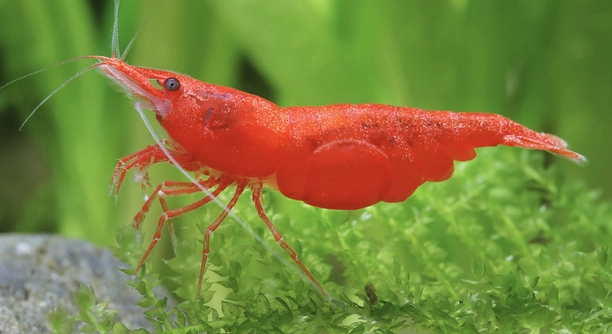
Have you ever noticed your cherry shrimp lying still after shedding its old shell? It can be worrying, especially if you are unsure whether it is resting or in danger. Many shrimp owners face this common concern.
Cherry shrimp often remain motionless after molting due to the vulnerability of their soft, newly formed exoskeleton. During this period, they conserve energy and avoid movement to reduce stress and prevent injury while their body hardens.
Watching your shrimp settle quietly may seem alarming, yet it is a natural part of their recovery process. Observing their behavior carefully can help ensure they regain full activity safely.
Understanding the Molting Process
Molting is a natural process where cherry shrimp shed their old exoskeleton to grow. After a molt, their new shell is soft and delicate, leaving them vulnerable. During this time, it is normal for shrimp to stay still and hide in safe spots. The process can take several hours, depending on the shrimp’s age and health. Younger shrimp tend to recover faster, while older shrimp may take longer. Stress, water conditions, and diet all play roles in how smoothly the molting process goes. Proper calcium levels in the water help the new exoskeleton harden more quickly. Observing shrimp during this period without disturbing them is important because sudden movement or changes can cause injury. Some shrimp may stay completely motionless, while others slowly move around after a few hours. Recognizing normal post-molt behavior prevents unnecessary worry.
Even minor water fluctuations can affect recovery. Stable conditions are essential for shrimp health and growth.
Providing hiding spots and maintaining consistent water parameters helps shrimp recover safely and continue growing. Watching them during this period can be reassuring and informative.
Signs of Molting Issues
Shrimp that struggle to molt may show unusual stiffness or remain motionless for long periods.
Common molting problems include incomplete shedding, shell deformities, and prolonged inactivity. These can result from poor water quality, lack of minerals, or stress. Low calcium or imbalanced pH can weaken their exoskeleton, making the process harder. Overcrowding or sudden environmental changes can also create tension, preventing shrimp from moving or feeding. Observing their behavior closely is critical, especially if multiple shrimp show signs of distress. Providing adequate hiding places reduces stress, while a balanced diet ensures they receive essential nutrients for successful molts. In some cases, shrimp may die if their shell hardens improperly. Preventing issues involves monitoring water parameters, offering supplements when needed, and minimizing disturbances during molting. Regular observation allows you to intervene early, ensuring a healthier shrimp population and reducing long-term risks associated with molting complications.
Water Quality and Its Impact
Even small changes in water quality can stress cherry shrimp. Parameters like ammonia, nitrite, nitrate, pH, and temperature must remain stable to support healthy molting and activity.
Poor water conditions slow recovery and can prevent proper exoskeleton hardening. High ammonia or nitrite levels irritate shrimp and may cause prolonged inactivity. Temperature fluctuations affect metabolism, making movement slower after a molt. A clean, well-maintained tank with regular water changes and tested parameters ensures shrimp have the right environment. Adding plants or hiding spots also reduces stress, allowing them to rest safely during vulnerable periods. Watching water quality closely can prevent common molting issues.
Maintaining stable water parameters is essential for shrimp growth and overall health. Even minor imbalances can create serious problems.
Nutrition and Recovery
A balanced diet supports strong exoskeleton development. Calcium, minerals, and protein-rich foods are essential for post-molt recovery.
Shrimp with insufficient nutrition may struggle to harden their new shell or remain inactive longer than usual. Feeding a variety of algae wafers, blanched vegetables, and specially formulated shrimp food ensures they get necessary nutrients. Supplements like calcium powders can strengthen the shell, helping shrimp move confidently after molting. Monitoring feeding habits helps identify if a shrimp is not eating properly, which can indicate stress or health issues. Providing clean food and removing leftovers reduces the risk of water quality problems that could affect molting.
Consistent, high-quality nutrition promotes faster recovery and healthier shrimp. Proper diet prevents common molting complications and supports long-term growth.
Hiding Spots and Safety
Providing hiding spots is crucial after molting. Shrimp feel vulnerable with soft shells and need places to rest safely.
Plants, caves, and moss give them protection. Lack of cover can cause stress, delaying movement and proper recovery. A secure environment encourages normal activity.
Signs of Stress
Shrimp that remain still too long, show discolored shells, or refuse food may be stressed. Observing behavior carefully helps identify problems early. Stress can result from water issues, lack of nutrition, or insufficient hiding spots, all of which affect recovery after molting.
When to Intervene
Intervention is necessary if a shrimp stays motionless for more than 24 hours, appears damaged, or struggles to molt. Early action improves survival chances.
FAQ
Why is my cherry shrimp completely still after molting?
It is normal for shrimp to remain motionless after molting because their new exoskeleton is soft and fragile. During this time, they conserve energy and avoid movement to prevent injury. Providing a safe hiding spot and keeping the tank stable helps them recover naturally.
How long does it take for a shrimp to move after molting?
Most cherry shrimp begin moving within a few hours, but full recovery can take 12 to 24 hours depending on age, health, and water conditions. Younger shrimp usually recover faster, while older or stressed shrimp may take longer to regain activity.
Should I touch or move my shrimp after it molts?
No. Touching or disturbing a shrimp after molting can damage its soft shell or cause stress. It’s important to give them space and allow natural hardening. Interactions during this period should be avoided to prevent injuries.
Can water quality affect post-molt activity?
Yes, water quality has a direct impact. Poor water conditions, such as high ammonia, nitrites, or sudden temperature changes, can prolong inactivity and stress shrimp. Keeping stable pH, temperature, and cleanliness is essential for healthy molting.
What diet helps shrimp recover faster after molting?
A diet rich in calcium, minerals, and protein supports strong exoskeleton formation. Foods like blanched vegetables, algae wafers, and specialized shrimp pellets improve recovery. Calcium supplements can also help harden shells, reducing the time shrimp remain immobile.
Why do some shrimp die after molting?
Shrimp may die if their exoskeleton fails to harden properly or if they are stressed by poor water quality, lack of hiding spots, or insufficient nutrition. Providing proper tank conditions and a balanced diet minimizes the risk of post-molt mortality.
Are hiding spots necessary after every molt?
Yes, even healthy shrimp benefit from hiding spots. Soft shells make them vulnerable to aggression from tank mates or accidental injury. Plants, moss, and small caves provide shelter, reduce stress, and allow shrimp to recover safely.
Is it normal for shrimp to refuse food after molting?
Yes. Shrimp often avoid eating immediately after molting because they are focused on hardening their new shell. They usually resume feeding once their exoskeleton is firm and they feel secure.
Can stress delay a shrimp’s recovery after molting?
Absolutely. Stress from overcrowding, tank disturbances, or sudden environmental changes can prolong inactivity and increase vulnerability. Minimizing stress by maintaining stable conditions and limiting disturbances encourages faster recovery.
When should I seek help for a post-molt shrimp?
If a shrimp remains motionless for over 24 hours, shows signs of shell deformity, or struggles to molt, intervention may be necessary. Checking water parameters and ensuring adequate nutrition and shelter can prevent further complications.
Do all shrimp react the same way after molting?
No. Individual shrimp vary in behavior. Some move almost immediately, while others stay hidden for hours. Factors include age, health, stress levels, and tank conditions. Observing patterns helps understand what is normal for your shrimp.
How can I prevent molting problems in the future?
Maintaining stable water conditions, providing a mineral-rich diet, and offering hiding spots reduce molting issues. Regular monitoring and gentle care ensure shrimp recover properly and continue growing healthily.
Can tank mates harm a shrimp after molting?
Yes, aggressive or larger tank mates may stress or injure soft-shelled shrimp. Keeping peaceful companions and adequate cover helps protect vulnerable shrimp during this critical time.
Why do some shrimp molt more frequently than others?
Frequency depends on age, health, and growth rate. Younger shrimp molt often as they grow rapidly. Adult shrimp molt less frequently, but each molt is still a vulnerable period requiring careful observation.
What signs indicate a successful molt?
A successful molt is shown by a hardening exoskeleton, normal movement, and resumed feeding. Shrimp should appear vibrant, with no deformities or prolonged inactivity. Regular observation ensures any issues are caught early.
How can I help a shrimp that molted incorrectly?
If a shrimp struggles with an incomplete molt, maintaining pristine water conditions, providing calcium, and minimizing stress can improve chances of recovery. In severe cases, manual intervention should be considered only with expert guidance to avoid further harm.
Are there differences in molting behavior between male and female shrimp?
Females may molt slightly less frequently than males once they reach adulthood, but both sexes require similar care post-molt. Observing individual recovery patterns helps identify normal behavior for each shrimp.
Does temperature affect the molting process?
Yes, lower temperatures slow metabolism, delaying molting and recovery, while higher temperatures may speed up the process but increase stress if sudden. Keeping a consistent, optimal temperature ensures smoother molts.
Can tank cleanliness influence molting success?
Absolutely. Dirty tanks with excess waste can introduce toxins, slow recovery, and increase stress. Regular water changes, substrate cleaning, and removal of leftover food are essential for safe molting.
Is it okay to leave shrimp alone after molting?
Yes, giving them privacy is beneficial. Shrimp need quiet, safe spaces to harden their shells. Limiting disturbances during this time encourages normal activity and faster recovery.
How do I know if a shrimp’s inactivity is normal or a problem?
Short periods of stillness are normal. Prolonged inactivity, difficulty moving, discoloration, or refusal to eat may indicate problems requiring intervention. Observing patterns helps distinguish normal recovery from health issues.
Can adding minerals to the water help shrimp after molting?
Yes. Minerals like calcium and magnesium support exoskeleton hardening. Supplementing when water lacks sufficient minerals ensures stronger shells and reduces the time shrimp remain vulnerable.
Do all shrimps need the same amount of time to recover?
Recovery time varies. Factors include age, health, tank conditions, and stress. Younger shrimp often recover quickly, while older or stressed shrimp may take longer. Observing individual shrimp helps set expectations for normal behavior.
Are there signs that indicate a shrimp is stressed after molting?
Signs include hiding for extended periods, discolored shell, erratic movements, or refusal to eat. Early recognition allows you to correct water quality, provide cover, or adjust feeding practices to reduce stress.
What role does diet play in preventing molting problems?
A nutrient-rich diet supports shell development and overall health. Foods containing calcium, protein, and essential vitamins help shrimp molt successfully and recover faster. Balanced nutrition is critical for reducing post-molt inactivity and complications.
How often should I check water parameters during molting periods?
Daily monitoring is ideal during molting periods. Stable water quality reduces stress and promotes smooth recovery. Testing ammonia, nitrites, nitrates, pH, and temperature helps ensure shrimp remain healthy and active post-molt.
Can molting problems affect long-term health?
Yes. Repeated molting issues can weaken shrimp, slow growth, and increase mortality. Maintaining proper water quality, nutrition, and safe environments helps prevent long-term complications and supports healthy shrimp populations.
Is it normal for shrimp to molt at night?
Yes. Many shrimp prefer molting in low-light conditions or at night when the tank is quiet. Darkness provides a sense of security and reduces stress during this vulnerable time.
Can overcrowding influence molting success?
Yes. Overcrowded tanks increase stress, competition, and the risk of injury during soft-shell periods. Adequate space and hiding areas are essential for safe molting and overall shrimp health.
How do I safely handle a shrimp that failed to molt properly?
Handling should be minimal and done only if necessary. Ensure water is clean, provide calcium supplements, and create safe hiding spaces. In severe cases, consulting an experienced aquarist or veterinarian is recommended.
Does the type of substrate affect post-molt behavior?
Yes. Smooth substrates reduce injury risk for soft shells. Rough or sharp substrates can damage new exoskeletons, so selecting a safe substrate supports recovery.
What are common post-molt mistakes shrimp owners make?
Common mistakes include disturbing shrimp, poor water maintenance, inadequate nutrition, and overcrowding. Avoiding these mistakes ensures smoother molts, faster recovery, and healthier shrimp overall.
How can I encourage shrimp to eat after molting?
Offer soft foods or blanched vegetables and wait until the exoskeleton hardens slightly. Gradually reintroducing regular diet encourages feeding without causing stress.
Can lighting affect molting behavior?
Bright or sudden lighting may stress shrimp during soft-shell periods. Soft, consistent lighting creates a calm environment, supporting recovery and normal activity.
Is it normal for shrimp to hide for several days after molting?
Yes, some shrimp take longer to feel secure. Prolonged hiding is natural if water quality is good, food is available, and there are safe hiding spots.
Can temperature swings cause molting failure?
Yes. Sudden increases or drops in temperature stress shrimp, which can lead to molting issues or incomplete exoskeleton hardening. Maintaining stable, optimal temperature is key for safe molts.
Does shrimp age affect molting frequency?
Yes. Younger shrimp molt frequently as they grow rapidly. Older shrimp molt less often, but each molt remains a critical recovery period requiring proper care and monitoring.
Are there supplements that can help shrimp during molting?
Calcium and mineral supplements support strong shell formation. They reduce molting complications and help shrimp recover faster. Supplements should be used carefully to avoid water imbalance.
Can tank mates eat a soft-shell shrimp?
Yes. Aggressive or larger tank mates may harm soft-shell shrimp. Providing hiding spots and peaceful companions protects vulnerable shrimp during post-molt periods.
How do I know if my shrimp’s inactivity is due to illness or molting?
Molting inactivity is usually short-term with a soft shell. If inactivity is prolonged, combined with discoloration or abnormal movements, illness may be the cause. Observing behavior and checking water quality can help identify the issue.
Does stress impact how often shrimp molt?
Yes. Stress slows metabolism and may delay molting. Reducing environmental stressors, maintaining stable water, and providing hiding spots encourage regular, healthy molting cycles.
Is it necessary to isolate shrimp after molting?
Isolation is not always required if the tank has sufficient hiding spots and peaceful tank mates. The key is ensuring they have a safe environment to harden their shell.
Can molting frequency indicate health issues?
Yes. Irregular or failed molts can signal nutritional deficiencies, poor water quality, or disease. Regular observation and care help maintain healthy growth and activity levels.
How can I help shrimp with incomplete molts?
Provide stable water, calcium supplements, and reduce stress. Only intervene physically if necessary, and consult an experienced aquarist if the shrimp struggles significantly.
Do environmental changes affect molting?
Yes. Sudden changes in water, lighting, or tank setup stress shrimp and can result in molting problems. Gradual adjustments are safer for their health and activity.
How do I know if my shrimp is recovering properly?
Recovery is indicated by movement, resumed feeding, firming exoskeleton, and normal coloration. Regular observation ensures shrimp are returning to healthy post-molt behavior.
Can overfeeding affect post-molt shrimp?
Yes. Excess food can degrade water quality, causing stress and prolonging inactivity. Balanced feeding supports recovery and overall shrimp health.
Is hiding behavior after molting normal?
Yes. Hiding reduces stress and protects soft shells. Shrimp often choose secure spots until their exoskeleton hardens and they feel safe moving again.
Do all shrimp need the same care during molting?
Individual shrimp vary in behavior and recovery needs. Observing each shrimp helps provide personalized care, ensuring healthy molts and minimizing complications.
How important is observation during post-molt periods?
Careful observation allows early detection of problems, ensures water quality is stable, and helps identify any nutritional or stress-related issues that could affect recovery.
Can soft-shell shrimp survive without hiding spots?
Survival is possible but riskier. Hiding spots reduce stress, prevent injury, and allow shrimp to harden their shells safely, increasing overall survival rates.
Does tank size impact molting behavior?
Yes. Larger tanks provide more space and hiding areas, reducing stress and aggression. Overcrowding increases risk during soft-shell periods, so appropriate tank size is important.
Are there long-term effects if a shrimp struggles to molt?
Repeated molting difficulties weaken shrimp, reduce growth, and increase mortality. Proper care, nutrition, and stable conditions help prevent long-term negative effects and support overall health.
Can stress from tank mates delay molting recovery?
Yes. Aggression or competition from tank mates increases stress, prolongs inactivity, and may lead to injury. Ensuring peaceful companions and hiding spots improves recovery.
How often should I check on shrimp after molting?
Daily observation is recommended. This ensures they are safe, the shell is hardening properly, and water quality remains optimal. Regular checks prevent unnoticed complications.
What are the first signs of a successful molt?
Movement resumes, shell hardens, feeding returns, and coloration looks normal. Early recognition confirms shrimp are recovering and thriving post-molt.
Can insufficient minerals affect future molts?
Yes. Lack of minerals like calcium can weaken the exoskeleton, causing future molting problems. Regular supplementation ensures stronger shells and healthier shrimp.
Are there behavioral differences in shrimp after molting?
Yes. Some may remain hidden longer, move slowly, or avoid food temporarily. Behavior varies by individual, age, and health, and observing patterns helps determine normal recovery.
How do I support shrimp during their most vulnerable hours?
Provide stable water, hiding spots, proper nutrition, and minimize disturbances. These steps reduce stress, support recovery, and protect soft-shell shrimp from injury or aggression.
Can lighting changes affect recovery speed?
Yes. Sudden bright light stresses shrimp. Keeping soft lighting or gradual adjustments allows shrimp to recover safely and reduces inactivity duration.
Is it necessary to quarantine new shrimp to prevent post-molt issues?
Quarantine helps prevent disease introduction and reduces stress on established shrimp. Healthy conditions in both quarantine and main tanks support successful molts and recovery.
Do all shrimp hide after every molt?
Most shrimp hide, but duration varies. Some move quickly while others stay in shelter longer. Individual personality, stress level, and environment influence post-molt behavior.
How can I tell if a shrimp is stressed after molting?
Signs include prolonged hiding, shell discoloration, slow movement, or refusing food. Observing water quality, nutrition, and tank conditions can help identify causes and reduce stress.
Does substrate type matter for molting shrimp?
Yes. Smooth substrates reduce risk of shell damage, while rough or sharp surfaces can cause injury. Choosing appropriate substrate supports safe recovery.
How do I maintain safe water conditions for post-molt shrimp?
Regular testing, water changes, and stable parameters ensure shrimp are not exposed to toxins or stress, supporting faster recovery and healthy growth.
Can molting problems indicate underlying disease?
Yes. Repeated molting failures may signal infection, parasites, or poor nutrition. Monitoring behavior and water quality helps detect issues early and allows corrective action.
Is it normal for shrimp to molt at different times?
Yes. Each shrimp molts on its own schedule depending on age, growth rate, and health. Staggered molts are typical in a healthy tank.
How do I handle a shrimp with a stuck molt?
Minimal handling is best. Ensure water quality is optimal, provide calcium, and reduce stress. Seek expert advice if the shrimp cannot free itself safely.
Can temperature changes cause incomplete molts?
Yes. Sudden fluctuations stress shrimp and can prevent proper exoskeleton formation. Maintaining consistent temperature supports safe, complete molts.
Are post-molt complications more common in crowded tanks?
Yes. Overcrowding increases stress, competition, and the risk of injury, making soft-shell periods more dangerous. Adequate space and hiding spots reduce complications.
How often should I feed shrimp during molting periods?
Feed lightly and focus on mineral-rich foods. Avoid overfeeding to maintain water quality while providing necessary nutrients for exoskeleton hardening.
Can post-molt inactivity be a sign of illness?
Prolonged inactivity with abnormal coloration or difficulty moving may indicate illness. Differentiating between normal molting rest and health issues is key for timely intervention.
How do I know if a shrimp’s shell is hardening properly?
A firm, smooth exoskeleton with normal coloration and resumed movement indicates proper hardening. Observation over several hours ensures recovery is on track.
Are there differences in molting behavior by shrimp species?
Yes. Different species may molt at different frequencies and exhibit varied recovery times. Understanding your specific shrimp type helps set expectations and care practices.
Can adding hiding spots improve recovery speed?
Yes. Providing secure spaces reduces stress, protects soft shells, and allows shrimp to regain activity more quickly. Plants, moss, and caves are effective options.
Does water hardness affect molting?
Yes. Proper hardness supports exoskeleton development. Soft water lacking minerals can slow shell hardening and prolong vulnerability. Regular monitoring ensures optimal conditions.
Is it normal for shrimp to remain at the bottom after molting?
Yes. Staying low in the tank reduces risk of injury and stress. Shrimp often move to higher levels once their shell hardens and they feel secure.
Can stress cause repeated molting issues?
Yes. Continuous stress from environment, tank mates, or poor water conditions can lead to frequent molting problems. Reducing stress is essential for healthy growth.
Do shrimp need extra care during every molt?
Yes. Each molt is a vulnerable period requiring stable water, proper nutrition, hiding spots, and minimal disturbances to ensure safe recovery and healthy development.
How can I tell if my shrimp is fully recovered after molting?
Signs include normal movement, resumed feeding, firm shell, and bright coloration. Consistent observation confirms that the shrimp is healthy and no longer vulnerable.
Can sudden changes in the tank harm post-molt shrimp?
Yes. Abrupt changes in temperature, water chemistry, or lighting can stress shrimp and interfere with shell hardening. Gradual adjustments protect vulnerable shrimp.
Is it common for some shrimp to molt more slowly than others?
Yes. Individual differences in age, health, and stress levels affect molting speed. Monitoring each shrimp helps determine what is normal for your tank.
How do I prevent molting issues in the future?
Maintain stable water, provide a balanced diet, ensure hiding spots, and monitor stress. Consistent care reduces complications and supports healthy growth.
Can poor diet cause long-term molting problems?
Yes. Lack of essential nutrients like calcium and protein weakens exoskeletons, leading to repeated molting issues and affecting overall shrimp health.
**Do shrimp show signs of pain after molting
Molting is a critical part of a cherry shrimp’s life, and understanding their behavior during this time helps keep them safe and healthy. After shedding their old shell, shrimp are naturally vulnerable because their new exoskeleton is soft and fragile. During this period, it is normal for them to remain still, hide, and avoid feeding. Observing this behavior can be reassuring, especially when you know it is part of their natural recovery process. Providing a calm and stable environment, along with safe hiding spots, allows them to regain strength and begin moving normally once their shell hardens. This quiet period is necessary for proper growth and overall health. Many shrimp owners worry when their shrimp stay motionless, but patience and care often prevent unnecessary stress or intervention.
Maintaining stable water quality is one of the most important factors for supporting shrimp during and after molting. Parameters like pH, temperature, ammonia, nitrites, and nitrates should remain consistent, as fluctuations can stress shrimp or delay recovery. Clean, mineral-rich water helps strengthen their exoskeleton and prevents complications such as incomplete molts or shell deformities. Diet also plays a key role. Shrimp require calcium, protein, and other nutrients to build a strong new shell and regain mobility quickly. Feeding a mix of blanched vegetables, algae wafers, and specialized shrimp foods, along with occasional mineral supplements, supports faster recovery and healthier growth. Watching water conditions and diet carefully ensures that post-molt inactivity is a normal part of the process rather than a sign of illness or distress.
Providing adequate hiding spots and minimizing stress are equally essential for their safety. Plants, moss, and small caves give shrimp secure areas to rest while their new shell hardens. Stress from tank mates, sudden movements, or environmental changes can prolong inactivity or even cause injury. Observing shrimp without disturbing them is the best approach, allowing them to recover at their own pace. Every shrimp is different; some move quickly after molting while others hide for longer periods. Understanding these patterns and offering consistent care will help prevent complications and support long-term health. Paying attention to water quality, nutrition, hiding spots, and stress levels ensures that cherry shrimp not only survive the molting process but continue to thrive in your tank. This careful approach helps shrimp grow stronger and stay active, reducing worries about post-molt behavior and promoting a balanced, healthy aquarium environment.

Hello,
If you enjoy the content that we create, please consider saying a "Thank You!" by leaving a tip.
Every little bit helps us continue crafting quality advice that supports the health, happiness, and well-being of pets around the world, for pets of all shapes, sizes, and species.
We really appreciate the kindness and support that you show us!