
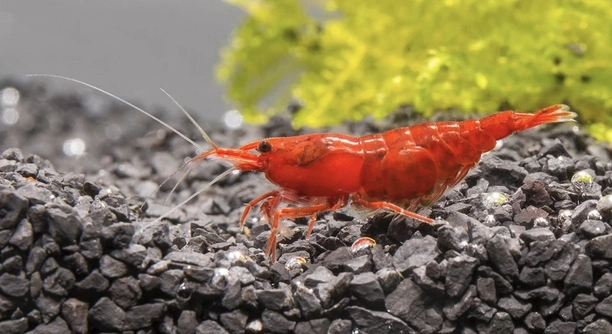
Keeping a shrimp tank healthy and enjoyable takes more than just water and shrimp. Many shrimp owners find themselves wondering what additions can make the tank more comfortable and stimulating for their tiny pets.
Adding items like plants, hiding spots, substrate, moss, driftwood, small decorations, and water conditioners can improve shrimp health and behavior. These elements provide shelter, grazing surfaces, and a more natural environment, promoting overall well-being and longevity in a controlled aquatic setting.
Properly arranging these elements can make a big difference in the tank’s atmosphere and your shrimp’s happiness.
Live Plants
Live plants bring life and balance to a shrimp tank. They provide hiding places for shy shrimp and surfaces where biofilm can grow, which is a natural food source. Plants like java moss, anubias, and hornwort are low-maintenance and can thrive in various water conditions. They also help maintain water quality by absorbing nitrates, reducing algae growth, and producing oxygen during the day. For shrimp, plants create a safe environment for molting, which is when they are most vulnerable. A well-planted tank can reduce stress and encourage natural behaviors, leading to healthier, more active shrimp. Even small tanks benefit from adding a few hardy plants, which can be anchored to rocks or driftwood. Over time, plants fill in the tank, giving it a more natural look and helping balance the ecosystem. Shrimp will explore the leaves and stems, grazing on microorganisms that develop naturally. Plant care is simple, but trimming and occasional fertilization keep them healthy.
Adding live plants improves water quality, provides grazing surfaces, and gives shrimp shelter, creating a more natural and stable environment for daily activity.
Plants also help make the tank visually appealing. Their colors and textures can transform a simple tank into a lush, lively space. Watching shrimp interact with plants is satisfying.
Hiding Spots
Hiding spots are essential for shrimp safety. Shrimp molt regularly, leaving them vulnerable, and small caves, ceramic tubes, or dense foliage give them places to retreat and rest.
Providing hiding spots reduces stress, encourages natural behaviors, and supports a healthier shrimp population. Without shelters, timid shrimp may be more prone to injury or aggression. Rocks, driftwood, and artificial ornaments can all serve as effective shelters. Placing these in different tank areas helps shrimp explore and reduces crowding. Hiding spots are especially important in community tanks where larger or faster-moving tank mates exist. Observing shrimp using these areas shows how comfortable they feel in their environment. They will retreat during molting, return to forage when ready, and establish territories naturally. Well-placed shelters also create visual breaks, making the tank look more interesting and less monotonous. Regular cleaning ensures hiding spots don’t trap debris or affect water quality, maintaining a healthy tank balance while still providing safety and enrichment.
Substrate
A good substrate provides a natural environment for shrimp to forage and graze. Fine gravel or sand is ideal, as it allows shrimp to sift through it for leftover food and microorganisms. Avoid sharp or rough substrates that can harm delicate shrimp bodies.
Choosing the right substrate affects water stability and overall shrimp health. Some substrates are enriched with minerals to help maintain proper pH levels, which is especially useful for species like cherry shrimp or crystal red shrimp. A layered substrate with nutrient-rich soil beneath a neutral top layer supports plant growth and encourages beneficial bacteria development. Shrimp will spend a lot of time exploring the substrate, picking at biofilm and detritus. Over time, a well-chosen substrate can reduce algae growth, improve water clarity, and create a more balanced tank ecosystem. It also allows for natural behaviors, making shrimp more active and less stressed. Cleaning should be gentle to avoid disturbing the substrate’s beneficial structure.
Substrate can also anchor plants and decorations, making tank layout more stable. Choosing the right base ensures shrimp can thrive naturally, and it enhances the tank’s overall aesthetic appeal.
Driftwood
Driftwood releases tannins that slightly acidify water, which benefits many shrimp species. It also provides surfaces for biofilm and algae to grow, giving shrimp extra grazing areas.
Driftwood adds texture and dimension to the tank. Shrimp can climb over it, hide underneath, and use it as a central point in their territory. It also encourages natural behaviors like foraging and exploring, while contributing to water chemistry that supports molting and overall health. Different types of driftwood, like Malaysian or Mopani wood, offer varying shapes and hardness, which can influence how long they last and how they affect water color. Driftwood can be combined with plants or moss to create shaded zones that are ideal for timid shrimp. Proper preparation, including soaking and boiling, removes impurities and prevents excess tannin release that could overly darken the water. Placement is important to avoid crowding the tank while still creating meaningful hiding spaces. Shrimp will naturally interact with driftwood daily, grazing on microorganisms and using it as part of their habitat structure.
Moss
Moss offers shrimp a soft surface for grazing and a safe area to hide, especially for baby shrimp. It grows easily in most tanks and provides constant biofilm, which is a natural food source for your shrimp.
Moss also helps improve water quality by absorbing nitrates and offering extra oxygen. It can be attached to rocks, driftwood, or left free-floating. Over time, it creates a dense network that shrimp love to explore. Trimming occasionally keeps it healthy and prevents overcrowding.
Small Decorations
Small decorations like ceramic caves or miniature logs give shrimp extra hiding spaces. They also help create visual interest without taking up too much space.
Decorations provide secure spots for molting shrimp, allowing them to recover safely. They can also break up open areas, giving timid shrimp more confidence to explore. Proper placement ensures the tank feels natural and not overcrowded, balancing aesthetics and functionality.
Water Conditioners
Using water conditioners removes harmful chlorine and chloramines from tap water. It also neutralizes heavy metals that can stress or harm shrimp.
Water conditioners stabilize water chemistry, protecting delicate shrimp species. Regular use during water changes maintains a safer, more consistent environment.
FAQ
What is the best plant for a shrimp tank?
Java moss is one of the easiest plants to care for and grows well in almost any water condition. Anubias and hornwort are also good choices because they are hardy, provide grazing surfaces, and give shrimp places to hide. These plants improve water quality and create a natural environment.
How often should I clean the shrimp tank?
Regular cleaning is important, but over-cleaning can harm the beneficial bacteria shrimp need. Changing 10-20% of the water weekly and gently removing debris from the substrate is usually enough. Cleaning decorations and checking filters keeps the tank safe and stable.
Can shrimp live without hiding spots?
Shrimp can survive without shelters, but they will be more stressed and less active. Hiding spots are crucial during molting, when shrimp are vulnerable. Providing caves, moss, and driftwood reduces stress and encourages natural behavior.
Do shrimp need special substrate?
Substrate is important for shrimp health. Fine gravel or sand allows them to forage safely. Some substrates are enriched with minerals to help maintain pH levels and support plant growth. Avoid rough or sharp substrates that could injure delicate shrimp.
Is driftwood necessary in a shrimp tank?
Driftwood is not strictly required, but it benefits shrimp by releasing tannins that improve water quality and providing surfaces for biofilm growth. It also offers hiding spots and adds natural texture to the tank. Properly prepared driftwood prevents water discoloration and maintains a healthy environment.
How do I prevent algae in a shrimp tank?
Maintaining a balance between light, nutrients, and plant growth helps prevent algae. Live plants compete for nutrients, while moss and driftwood can reduce algae buildup. Avoid overfeeding, as excess food promotes algae growth. Occasional algae scrubbing keeps the tank clean without stressing shrimp.
Can I mix shrimp species?
Some shrimp species can coexist if their water requirements and temperaments match. Cherry shrimp and other small, peaceful species are often compatible. Avoid mixing aggressive species or those with very different water preferences, as this can lead to stress or death.
What should I feed my shrimp?
Shrimp primarily graze on biofilm, but supplementing with specialized shrimp pellets, blanched vegetables, or algae wafers provides essential nutrients. Feeding small amounts prevents leftover food from polluting the tank. Observing their grazing habits ensures they are eating properly.
How do I know if my shrimp are healthy?
Healthy shrimp are active, constantly foraging, and show vibrant colors. Watch for consistent molting patterns and regular movement. Signs of illness include lethargy, discoloration, or unusual behavior. Maintaining clean water and a proper diet supports overall health.
Can shrimp live in small tanks?
Shrimp can thrive in small tanks if conditions are stable and water quality is maintained. A well-planted tank with hiding spots, proper substrate, and regular maintenance supports a healthy shrimp population even in limited space. Overcrowding should be avoided.
How often should I check water parameters?
Water parameters like temperature, pH, and ammonia levels should be checked at least once a week. Stable conditions are critical for shrimp survival. Sudden changes can stress them and affect molting cycles or reproduction. Using test kits helps maintain a safe environment.
Are water conditioners really necessary?
Water conditioners remove chlorine, chloramines, and heavy metals from tap water, protecting delicate shrimp. Using them during water changes prevents stress and keeps water chemistry stable, supporting molting, feeding, and overall well-being. Regular use is highly recommended.
Can shrimp live with fish?
Shrimp can coexist with peaceful, small fish that won’t prey on them. Avoid larger or aggressive fish species. Providing hiding spots and plants ensures shrimp can retreat and reduces stress. Observing interactions helps determine if the tank setup is safe for both.
How do I encourage shrimp breeding?
Maintaining stable water conditions, providing high-quality food, and including plenty of plants or moss encourages breeding. Baby shrimp need safe hiding places to survive. Avoid sudden changes in temperature or water chemistry, as these can prevent successful reproduction.
What temperature is best for shrimp?
Most freshwater shrimp thrive between 72-78°F (22-25°C). Temperature stability is crucial, as sudden fluctuations stress shrimp and can affect molting or reproduction. Using a reliable heater and monitoring the water ensures a healthy environment.
How long do shrimp live?
Shrimp lifespan varies by species, generally ranging from one to three years. Proper care, including good water quality, adequate hiding spots, and proper feeding, supports longer, healthier lives. Observing behavior and molting patterns helps track overall health.
Can I use tap water for shrimp tanks?
Tap water can be used if treated with water conditioners to remove chlorine, chloramines, and heavy metals. Testing water parameters ensures it is suitable. Untreated tap water can harm shrimp and affect their molting cycles, making treatment essential.
Is lighting important for shrimp tanks?
Lighting supports plant growth, which indirectly benefits shrimp by providing surfaces for grazing and oxygenation. Too much light can promote algae, while too little can stunt plants. A balanced lighting schedule maintains a healthy environment and encourages natural shrimp behavior.
How do I prevent shrimp stress?
Stable water parameters, hiding spots, and minimal disturbances reduce stress. Avoid overfeeding, sudden water changes, and overcrowding. Stress affects molting, reproduction, and overall activity. Creating a calm, consistent tank environment keeps shrimp healthy and active.
Can shrimp survive in unheated tanks?
Some hardy shrimp species tolerate room temperature, but heating ensures stable conditions, particularly for tropical species. Temperature fluctuations can stress shrimp and affect growth, molting, and reproduction. Consistent warmth supports overall health and longevity.
Taking care of a shrimp tank is about creating a balanced and safe environment where shrimp can thrive. Every element in the tank plays an important role in their health and happiness. From live plants to hiding spots and the right substrate, each addition supports their natural behavior and reduces stress. Shrimp are delicate creatures, so providing areas to graze, places to retreat, and clean water ensures they stay active and healthy. Observing shrimp over time helps you notice how they interact with their surroundings, which can guide adjustments to improve their living conditions. A well-maintained tank doesn’t just benefit the shrimp; it also makes the tank more visually appealing and enjoyable to watch.
Water quality is one of the most important factors in shrimp care. Using water conditioners during water changes protects them from harmful chemicals in tap water, while monitoring temperature, pH, and other parameters keeps conditions stable. Driftwood, plants, and substrate all influence water chemistry in ways that support shrimp health. Regular partial water changes remove excess waste and prevent harmful buildups, while also keeping the tank environment stable. Feeding them the right amount of food and including grazing surfaces like moss or driftwood ensures they get proper nutrition without polluting the water. Overfeeding or neglecting water care can quickly lead to stress or illness, so attention to these small details makes a big difference.
Creating a tank for shrimp is about more than just adding decorations. Each choice, from the type of plants to the placement of hiding spots, affects how shrimp live and behave. Shrimp enjoy exploring, grazing, and resting in safe spaces, so providing variety encourages natural activity. While it may take some trial and error to find the right setup, paying attention to their behavior and needs ensures a thriving tank. Shrimp respond well to consistent care, gentle cleaning routines, and an environment that closely mimics their natural habitat. Over time, a thoughtful tank setup results in healthy, vibrant shrimp and a visually appealing aquatic space that is rewarding to maintain.

Hello,
If you enjoy the content that we create, please consider saying a "Thank You!" by leaving a tip.
Every little bit helps us continue crafting quality advice that supports the health, happiness, and well-being of pets around the world, for pets of all shapes, sizes, and species.
We really appreciate the kindness and support that you show us!