
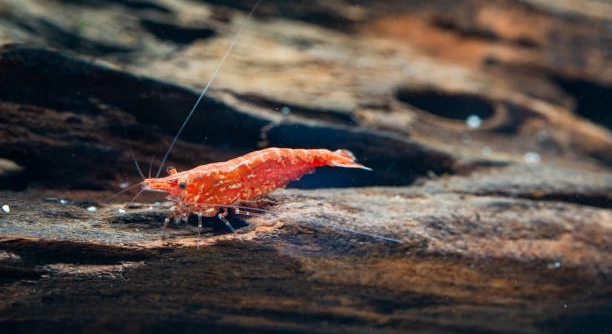
Have you ever noticed your cherry shrimp looking brighter or duller from one day to the next in your aquarium? Many shrimp owners find these color changes both fascinating and a little puzzling at times.
Cherry shrimp can change color due to a combination of genetics, diet, and environmental conditions. Stress, water quality, and the shrimp’s age also play key roles in determining how vibrant or pale their coloration appears.
Observing your shrimp over time can reveal subtle shifts and patterns that help you understand their health and habitat needs better.
Why Cherry Shrimp Change Color
Cherry shrimp change color for a variety of reasons, most of which are natural and predictable. Genetics play a large role, as some shrimp are born with the ability to show brighter or darker colors. Their diet also affects pigmentation. Feeding them foods rich in carotenoids, like spirulina or specialized shrimp pellets, can enhance red coloration, while a lack of these nutrients can make colors appear duller. Water quality matters as well; poor conditions cause stress that may lead to fading colors. Stress can also come from overcrowding, aggressive tank mates, or sudden changes in the environment. Temperature changes and lighting influence how their colors appear, often making them more vibrant in stable, well-lit conditions. Age is another factor, with younger shrimp usually appearing paler and deepening in color as they mature. Observing these factors over time helps in maintaining healthy, colorful shrimp in any tank setting.
Proper diet and stable water conditions are key to maintaining their vivid red shades.
Color change can also indicate the shrimp’s overall health. Shrimp that are weak, molting, or experiencing stress often lose intensity in their coloration. Paying attention to subtle changes can help prevent larger health problems, ensuring your shrimp stay active and visible.
Environmental Effects on Color
Water parameters strongly impact shrimp coloration.
Maintaining stable temperature, pH, and hardness encourages consistent color. Sudden fluctuations cause stress and fading. Soft, slightly acidic water often brings out deeper reds, while hard water can dull pigmentation. Regular water changes, proper filtration, and avoiding harsh chemicals all support healthy, vibrant shrimp.
Lighting also has an effect. Shrimp kept under gentle, full-spectrum light tend to show more vibrant reds than those in dim or uneven lighting. Overcrowding can limit access to food and hiding spaces, which increases stress and leads to duller colors. Plants and decorations provide safe spots and encourage natural behavior, which supports their natural color expression. Observing shrimp behavior alongside environmental adjustments allows you to create conditions that enhance coloration. With careful monitoring and small changes, shrimp can maintain a strong, healthy color while avoiding stress-related fading. Tracking water parameters and feeding quality foods consistently are simple but effective ways to support your shrimp’s color stability.
Diet and Nutrition
A shrimp’s diet directly affects its color. Foods high in carotenoids, like spirulina, algae wafers, and specially formulated shrimp pellets, help bring out deeper reds. Lack of these nutrients often results in paler or faded coloration, even if all other conditions are ideal.
Consistently feeding a variety of foods ensures your shrimp receive all the nutrients they need. Including fresh vegetables such as blanched spinach or zucchini adds fiber and trace nutrients that support overall health. Protein sources like brine shrimp or daphnia promote molting and growth. Balanced nutrition not only keeps your shrimp healthy but also allows them to maintain their natural color over time. Changing diets suddenly can stress shrimp and temporarily dull their colors. Observing shrimp after introducing new foods helps you identify which items enhance their vibrancy and overall well-being.
Overfeeding should be avoided, as leftover food can pollute the tank and negatively affect shrimp color. Feeding small portions that are consumed within a few hours keeps water clean and ensures shrimp receive proper nutrition. By monitoring their feeding habits and adjusting as needed, you can create a sustainable routine that promotes both health and vibrant coloration. Consistency in diet, along with observing shrimp response, provides clear insight into what works best for their coloration and activity.
Stress and Molting
Stress affects color and behavior in cherry shrimp.
Common stressors include sudden water changes, aggressive tank mates, overcrowding, and poor water quality. When stressed, shrimp often hide, become less active, and display duller colors. Maintaining a calm, stable environment minimizes these risks.
Molting also influences color temporarily. Before molting, shrimp often appear paler because their exoskeleton is soft and less pigmented. After shedding, their colors deepen and appear more vibrant. Providing hiding spaces during molting reduces stress and helps shrimp feel secure. Stress combined with molting issues can delay color recovery, so keeping water parameters stable and offering a nutrient-rich diet is crucial. Observing shrimp during these periods allows adjustments that support health and maintain natural coloration. Proper tank setup, low-stress conditions, and careful monitoring are all key to ensuring shrimp regain their full color after molting.
Lighting and Color
Lighting influences how vibrant cherry shrimp appear. Brighter, full-spectrum light tends to enhance reds, while dim or uneven lighting can make colors look dull. Consistent lighting schedules help maintain natural color patterns.
Too much direct light can stress shrimp, causing fading. Providing moderate, balanced lighting supports their health and coloration.
Genetics and Color Variations
Genetics determine the base color and potential intensity of cherry shrimp. Different strains display varying shades of red, orange, or even pale tones. Selective breeding can enhance vibrancy, but individual shrimp will always have limits based on their genetic makeup. Understanding strain differences helps manage expectations.
Observing Changes
Tracking color shifts over time reveals patterns. Noting behavior, diet, and water conditions alongside color changes helps identify what improves or dulls vibrancy. Regular observation ensures shrimp remain healthy while displaying their natural hues.
FAQ
Can cherry shrimp permanently change color?
Cherry shrimp do not permanently change color in the sense of transforming naturally beyond their genetic limits. They can appear brighter or paler depending on diet, stress, and water conditions, but their base pigmentation is set by genetics. Maintaining proper care helps them show their maximum potential.
Why did my red cherry shrimp turn pale?
Paleness is often a sign of stress or poor nutrition. Water quality issues, overcrowding, or sudden environmental changes can cause fading. In some cases, an upcoming molt can also make shrimp temporarily appear dull. Checking water parameters and ensuring a balanced diet usually restores their color.
How can I enhance my shrimp’s red color?
Feeding foods rich in carotenoids, such as spirulina, algae wafers, or shrimp-specific pellets, supports deeper red pigmentation. Providing fresh vegetables and occasional protein sources promotes overall health, which indirectly affects color. Consistency in diet and stable water conditions allows shrimp to show their best coloration.
Do shrimp change color when stressed?
Yes, stress often causes colors to fade. Stress can result from aggressive tank mates, overcrowding, sudden water changes, or poor water quality. When stressed, shrimp may hide more, become less active, and lose vibrancy. Reducing stressors usually restores their normal color.
Will my shrimp’s color improve as they age?
Many cherry shrimp deepen in color as they mature. Juveniles tend to be paler, and their colors develop fully after several molts. Proper nutrition, stable water, and low stress help shrimp reach their natural color potential over time.
Does lighting affect shrimp color?
Lighting has a noticeable impact on how colors appear. Full-spectrum or moderate lighting enhances red hues, while dim or uneven light can make shrimp look paler. Too much direct light can cause stress, so a balanced, consistent lighting schedule works best.
Can genetics limit color intensity?
Yes, genetics set the base color and maximum vibrancy of cherry shrimp. Even with perfect care, a pale strain will not reach the same red intensity as a selectively bred high-color strain. Understanding your shrimp’s lineage helps set realistic expectations.
Do water parameters change shrimp color?
Water quality directly affects shrimp pigmentation. Stable pH, temperature, and hardness reduce stress and support bright colors. Fluctuating conditions or poor water quality can make shrimp appear dull, while regular water changes and filtration help maintain healthy, vibrant shrimp.
Is molting affecting my shrimp’s color?
Before molting, shrimp often look paler because their new exoskeleton is soft and not fully pigmented. After shedding, colors deepen and appear more vibrant. Providing hiding spaces and proper nutrition during molting supports a smooth process and maintains natural coloration.
How quickly can color change occur?
Color changes can be gradual or noticeable within a few days, depending on factors like diet, water quality, stress, or molting. Observing shrimp regularly helps identify patterns and allows adjustments in care to maintain their natural colors.
Can mixed-species tanks affect color?
Yes, tank mates that are aggressive or compete for food can increase stress, leading to duller colors. Peaceful companions and adequate hiding spaces allow shrimp to feel safe and maintain their vibrant appearance.
Does overfeeding impact color?
Indirectly, yes. Overfeeding can pollute water, increasing stress and fading colors. Feeding small amounts that are consumed quickly keeps the tank clean and supports natural coloration while avoiding nutritional imbalances.
Are there signs of permanent color loss?
Permanent color loss is rare and usually linked to genetics or chronic stress. Continuous poor water quality, inadequate diet, or repeated stress may prevent shrimp from reaching their full color potential, but careful care often restores vibrancy over time.
How do I know if diet changes are effective?
Observe shrimp over several weeks after introducing new foods. Brighter reds, more active behavior, and healthy molting indicate that diet improvements are working. Patience is important, as color changes are gradual and depend on multiple factors working together.
Can breeding affect color?
Yes, selective breeding enhances color intensity over generations. Breeding high-color individuals increases the chance of offspring displaying deeper reds. Without careful selection, colors may remain moderate or vary widely among the young.
Do seasonal changes affect shrimp color?
Seasonal changes in light or temperature can slightly influence color, especially if they affect stress or feeding patterns. Maintaining stable aquarium conditions minimizes these effects and helps shrimp retain consistent coloration year-round.
Is stress from handling a factor?
Handling can stress shrimp, temporarily causing paleness. Minimizing direct contact and using gentle techniques when necessary helps maintain natural coloration and prevents health issues.
Are supplements necessary for color enhancement?
Supplements rich in carotenoids or shrimp-specific nutrients can support deeper color. They are not strictly necessary but can enhance vibrancy when combined with a balanced diet and good water conditions.
How long does it take to see permanent improvements?
Permanent improvements take weeks to months. Gradual changes occur as shrimp molt and adapt to better conditions. Consistency in diet, water quality, and low-stress environments ensures that improvements are maintained and visible over time.
What should I do if my shrimp remain pale?
Evaluate genetics, diet, and environmental conditions. Sometimes pale shrimp are naturally limited in color, but adjusting nutrition, water parameters, and reducing stressors usually improves vibrancy. Observing long-term patterns helps identify the most effective strategies for color maintenance.
Are all cherry shrimp capable of red coloration?
Not all are equally vibrant. Some strains are naturally pale or orange. Understanding strain differences allows realistic expectations, ensuring that care efforts focus on enhancing the natural colors each shrimp can display.
Can tank decorations influence color?
Yes, plants and hiding spaces reduce stress and encourage natural behavior, which supports vibrant color. Providing adequate cover and areas to explore lets shrimp feel secure, indirectly helping maintain bright, healthy coloration.
Does water hardness matter?
Soft to moderately hard water often enhances red pigmentation. Hard water can sometimes reduce color intensity. Maintaining consistent parameters suitable for your shrimp strain promotes the best natural coloration and overall health.
Can stress from tank mates fade color temporarily?
Yes, aggressive or fast-moving fish can stress shrimp, causing temporary fading. Ensuring peaceful companions and sufficient hiding spaces helps shrimp regain and maintain their natural red coloration.
Do shrimp regain color after stress?
Typically, yes. Once stressors are removed and water conditions improve, shrimp gradually regain their natural color. Recovery time depends on the severity of stress and overall health. Consistent care supports faster restoration of vibrant hues.
How important is tank size for color?
Adequate space reduces overcrowding and stress. Larger tanks with proper hiding spots allow shrimp to feel secure, which supports natural behavior and coloration. Small, crowded tanks often result in dull colors and reduced activity.
Does water temperature influence shrimp color?
Stable temperatures help maintain vibrant coloration. Sudden changes can cause stress and temporary fading. Mild, consistent conditions suited to cherry shrimp ensure optimal health and more vivid colors.
Can disease affect color?
Illnesses or parasites can cause pale or patchy coloration. Early detection, quarantine if necessary, and proper care help restore health and color. Observing shrimp closely for unusual behavior or spots helps prevent long-term problems.
Are juvenile shrimp naturally paler?
Yes, juveniles are often less colorful than adults. Their red pigment develops gradually as they mature. Proper nutrition, stable water, and low stress support faster development of natural coloration.
Can water additives improve color?
Additives containing carotenoids or vitamins can enhance vibrancy but should not replace a balanced diet. Consistent use, along with good water quality, can help shrimp show their full potential over time.
Does overcrowding impact color long-term?
Yes, chronic overcrowding increases stress and competition for food, leading to duller colors. Adequate space, hiding areas, and balanced stocking density help maintain vibrant coloration and overall shrimp health.
Is there a difference in male and female coloration?
Females often appear more intense red, especially when carrying eggs, while males are usually paler. This natural difference is due to reproductive biology rather than environmental factors. Understanding this helps set realistic expectations for tank appearance.
How does tank maintenance affect color?
Regular water changes, cleaning, and monitoring parameters prevent stress and fading. Clean, stable conditions directly support natural coloration, while neglect can lead to long-term dulling and health problems.
Can stress from predators affect shrimp color?
Yes, the presence of predators or perceived threats increases hiding and stress, causing paler colors. Ensuring a safe, peaceful environment allows shrimp to maintain their full, vibrant pigmentation.
Do shrimp communicate stress through color?
Indirectly, yes. Color fading is a visual indicator that shrimp are stressed or unwell. Observing subtle changes can help you address environmental or health issues early, maintaining overall vibrancy and wellbeing.
Are commercial color enhancers effective?
Many commercial color boosters work by providing carotenoids and nutrients that shrimp may not get from regular foods. Combined with good care, they can improve vibrancy, though results vary by strain and individual health.
How often should I monitor color changes?
Weekly observation is sufficient for most tanks. Tracking gradual changes alongside water parameters, diet, and behavior helps detect problems early and ensures shrimp maintain their natural colors over time.
Can pH swings fade color?
Yes, rapid pH fluctuations cause stress and can temporarily dull colors. Maintaining stable pH suited to cherry shrimp promotes consistent, vibrant coloration and overall health.
Is shrimp behavior linked to color?
Active, confident shrimp usually display brighter colors. Lethargic or constantly hiding shrimp often appear paler. Observing both behavior and coloration gives insight into their health and tank conditions.
Do seasonal lighting changes affect color?
Natural light variations can subtly influence coloration, but aquarium conditions are more important. Consistent lighting schedules help maintain stable, vibrant colors year-round.
How long do color changes last?
Temporary fading from stress, molting, or diet usually resolves within days to weeks. Permanent changes are rare and typically linked to genetics or chronic poor conditions. Consistent care ensures the best long-term coloration.
Can stress from transport affect shrimp color?
Yes, shipping or moving shrimp causes temporary paleness. Once placed in a stable, well-maintained tank, their colors generally return over time. Minimizing handling stress helps maintain vibrant coloration.
Are certain shrimp strains more color-sensitive?
Yes, high-color strains often show more noticeable changes in response to diet, lighting, or stress. Understanding strain characteristics allows better care and realistic expectations for maintaining their vibrant appearance.
Does algae presence influence color?
Algae provides a natural food source and contributes to overall health, which indirectly supports coloration. Shrimp grazing on algae often appear brighter than those with limited access to natural foods.
Can color fade indicate imminent molting?
Often, yes. Shrimp may appear paler before molting as their new exoskeleton forms. After molting, colors typically return stronger. Providing hiding spaces and proper nutrition supports a smooth molting process.
Is color fade reversible?
Yes, with proper care. Addressing stress, diet, and water conditions usually restores shrimp to their natural color. Patience is essential, as full recovery can take several molts and weeks.
Does water clarity impact perceived color?
Clear water enhances visibility, making colors appear brighter. Murky or dirty water can dull the appearance, even if shrimp are healthy and naturally vibrant. Regular filtration and water changes maintain clarity and visual appeal.
Can stress from tank maintenance routines affect color?
Handling shrimp or sudden water changes can temporarily fade color. Performing careful, gradual maintenance minimizes stress and helps shrimp retain vibrant coloration consistently.
Do shrimp show different colors at night?
Colors often appear less vibrant under low light. They naturally look paler in dim conditions, but their true pigmentation remains the same and is visible under proper lighting.
Can changing tankmates restore color?
Yes, replacing aggressive or fast-moving species with peaceful companions reduces stress, often allowing shrimp to regain lost color over time. Hiding spaces and balanced tank populations support this improvement.
Does shrimp age affect color intensity?
Older shrimp may maintain or slightly fade in color, while juveniles gradually deepen as they mature. Proper care ensures that age-related changes are subtle and health-related fading is minimized.
Are there visible signs of stress besides color?
Yes, hiding, reduced activity, and lack of feeding often accompany paler colors. Observing multiple indicators helps detect problems early and maintain shrimp health and vibrancy.
Can water additives negatively affect color?
Harsh chemicals or improper additives can stress shrimp and reduce pigmentation. Only use safe, tested products in moderation to avoid dulling or health issues.
Is color fade a reliable health indicator?
Often, yes. Persistent paleness can signal stress, poor diet, or illness. Monitoring alongside behavior and water conditions helps identify and fix underlying problems.
Do shrimp adapt to color changes over time?
Shrimp may adjust slightly to long-term conditions, but their genetic limits still define maximum color intensity. Proper care ensures they maintain their healthiest and most vibrant appearance.
How do I maintain color long-term?
Stable water, balanced diet, low stress, proper lighting, and safe tankmates all contribute to keeping shrimp bright and healthy. Observing trends over time and making gradual adjustments supports sustained vibrant coloration.
Can shrimp stress from loud vibrations fade color?
Yes, strong vibrations or frequent disturbances can cause temporary paleness. Minimizing tank disruptions and creating a calm environment helps maintain consistent color.
Does seasonal temperature variation affect shrimp color?
Yes, fluctuations can increase stress and temporarily dull colors. Maintaining stable, suitable temperatures year-round supports vibrant, healthy shrimp.
Are some colors more sensitive to fading?
Deep red shrimp often show fading more clearly under stress, while paler or orange strains are less noticeable. Recognizing strain-specific sensitivity helps with care and expectation management.
Can regular observation prevent long-term fading?
Yes, watching shrimp behavior, diet, and environment closely allows early adjustments. Timely intervention maintains vibrant colors and overall health, reducing the risk of permanent dulling.
Does substrate type affect color?
Dark substrates enhance red coloration visually, while light substrates can make shrimp appear paler. Choosing substrate based on strain and desired appearance can improve how colors are perceived.
Is color fade reversible after illness?
Often, yes. Once the health issue is treated and stress minimized, shrimp gradually regain color. Recovery may take weeks and multiple molts, depending on severity.
Does breeding stress affect color?
Yes, carrying eggs or frequent breeding can temporarily dull female shrimp. Providing calm conditions, proper nutrition, and hiding spots helps restore vibrancy post-breeding.
Can shrimp change color overnight?
Significant overnight changes are rare, but minor shifts can occur due to stress, molting, or lighting changes. Most color adjustments happen gradually over days or weeks.
Are there signs of irreversible color loss?
Severe chronic stress, repeated poor conditions, or genetic limits can result in permanently muted colors. Consistent care usually prevents irreversible fading and maximizes vibrancy.
How does water flow affect color?
Strong currents may stress shrimp, leading to temporary dulling. Gentle, consistent water flow helps maintain health and natural coloration while supporting normal behavior.
Do all shrimp respond the same way to diet changes?
No, individual shrimp and strains respond differently. Some show quick color improvement, while others take weeks. Observing each shrimp allows fine-tuning of diet for optimal vibrancy.
Can color indicate gender?
Females often appear deeper red, especially when carrying eggs, while males are paler. This difference is natural and not linked to stress or environment.
Does tank size impact stress-related color changes?
Yes, cramped tanks increase stress and reduce color intensity. Adequate space allows hiding, reduces competition, and supports natural, vibrant coloration.
Can supplements replace a proper diet?
No, supplements enhance color but cannot replace a balanced diet. They work best alongside nutritious foods and stable water conditions.
Are temporary color fades a cause for concern?
Minor, short-term fading is normal due to stress, molting, or lighting. Persistent or severe fading indicates underlying issues that should be addressed.
Do cherry shrimp show individual variation in color?
Yes, even within the same strain, shrimp can vary in red intensity. Genetics, diet, and environmental factors all contribute to individual differences.
Can light spectrum influence shrimp behavior and color?
Yes, proper full-spectrum lighting encourages natural activity and enhances visible color, while improper lighting may stress shrimp and dull their appearance.
Does feeding live food affect color?
Live foods provide protein and nutrients that support molting, growth, and vibrant coloration. They complement other dietary sources and promote overall health.
Can color fade be a sign of impending death?
Severe, persistent fading combined with lethargy, lack of feeding, or abnormal behavior may indicate illness or impending death. Observing multiple signs together helps determine health risks.
How often should I adjust diet for color improvement?
Small, gradual adjustments are best. Sudden diet changes can stress shrimp. Observing response over weeks ensures changes are effective and safe.
Do shrimp show stress-related color changes in large aquariums?
Yes, even in larger tanks, stress from aggressive tankmates, poor water, or overcrowding can cause fading. Providing hiding spots and monitoring conditions helps maintain vibrant color.
Can substrate color trick the eye?
Yes, dark backgrounds make reds appear brighter, while light or reflective substrates can make shrimp look paler, even if their pigmentation hasn’t changed.
Do shrimp communicate health through color?
Indirectly, yes. Dull or patchy coloration often indicates stress, illness, or poor nutrition. Observing color alongside behavior gives a clear indication of shrimp wellbeing.
Does water oxygen level impact color?
Low oxygen levels can stress shrimp, causing paleness. Maintaining adequate aeration supports both health and vibrant coloration.
Are juvenile shrimp more sensitive to stress-related color change?
Yes, young shrimp often show color changes more quickly under stress. Providing gentle conditions helps them develop vibrant adult coloration.
Can seasonal diet changes affect color?
Yes, diet shifts that occur with seasonal food availability can influence pigmentation. Consistent, nutrient-rich feeding supports stable, vibrant color year-round.
Do shrimp show different colors in groups versus alone?
They may appear slightly more vibrant in groups due to social behavior and activity. Individual differences still depend on genetics and health.
Does water clarity affect perception of color?
Yes, clear water enhances visible coloration, while cloudy or dirty water makes even healthy shrimp appear paler. Regular maintenance ensures accurate perception of vibrancy.
Can temperature swings cause color changes?
Sudden temperature changes stress shrimp and can temporarily dull colors. Stable temperatures appropriate for cherry shrimp minimize these effects and support consistent coloration.
Is color intensity an indicator of reproductive readiness?
Females may show deeper red when carrying eggs, signaling reproductive readiness. This is a
Cherry shrimp are small but fascinating creatures, and their color changes are a natural part of their life. While it may seem surprising when a shrimp suddenly looks paler or brighter, these changes are usually influenced by a combination of genetics, diet, water conditions, and stress levels. Understanding these factors helps in creating an environment where shrimp can thrive and show their natural colors. Even small adjustments in care, such as providing nutrient-rich food, stable water parameters, and gentle lighting, can make a noticeable difference in how your shrimp appear. Observing shrimp over time allows you to recognize patterns in color changes and respond appropriately, keeping them healthy and active.
Diet is one of the easiest ways to support strong coloration in cherry shrimp. Foods rich in carotenoids, like spirulina, algae wafers, or specially formulated shrimp pellets, can help deepen red pigmentation. Fresh vegetables and occasional protein sources add variety and essential nutrients, supporting overall health and molting cycles. However, overfeeding should be avoided because leftover food can pollute the tank, creating stress and dulling colors. Consistent feeding routines, combined with careful observation, make it possible to identify which foods improve vibrancy and which may have little effect. Nutrition alone will not guarantee brighter colors, but it is a significant factor in helping shrimp reach their full potential.
Environmental stability is equally important. Factors like water temperature, pH, hardness, and lighting all contribute to how shrimp display their natural colors. Stress from sudden changes, overcrowding, or aggressive tank mates can temporarily reduce pigmentation, so providing a calm, consistent habitat is essential. Proper hiding spaces, regular water changes, and a moderate lighting schedule all encourage shrimp to feel safe and comfortable, which reflects in their appearance. By combining attention to diet, water quality, and stress management, it is possible to maintain vibrant shrimp over the long term. Observing your shrimp carefully and making gradual adjustments ensures they remain healthy while showing their most vivid and natural colors, creating a rewarding experience for anyone caring for these small aquatic pets.

Hello,
If you enjoy the content that we create, please consider saying a "Thank You!" by leaving a tip.
Every little bit helps us continue crafting quality advice that supports the health, happiness, and well-being of pets around the world, for pets of all shapes, sizes, and species.
We really appreciate the kindness and support that you show us!