
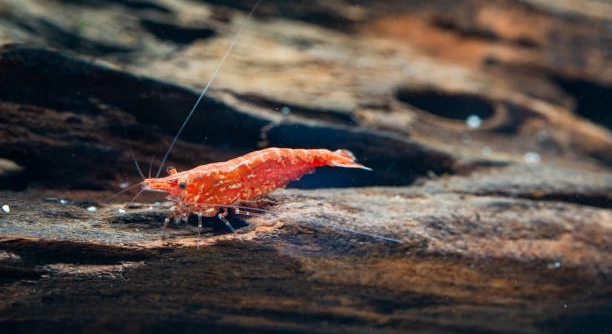
Cherry shrimp are small, colorful freshwater creatures that bring life to aquariums. Many hobbyists enjoy watching their playful movements while caring for them and making sure their tank environment is healthy and balanced.
Cherry shrimp can eat vegetables as part of a balanced diet. Leafy greens, zucchini, and peas provide essential nutrients, fiber, and natural supplements that support growth, molting, and overall health. Proper preparation ensures the vegetables are safe and digestible for shrimp.
Providing vegetables can enhance your shrimp’s diet and contribute to a thriving, vibrant aquarium environment. Small adjustments in feeding can make a noticeable difference.
Choosing the Right Vegetables
Selecting vegetables for cherry shrimp is easier than it seems. I usually stick to soft, leafy greens like spinach, lettuce, and kale, or small portions of zucchini and cucumber. These vegetables provide essential nutrients without harming the shrimp’s delicate digestive system. It’s important to avoid anything heavily treated with pesticides or wax coatings, as these chemicals can be harmful. Before adding vegetables to the tank, I always rinse them thoroughly under clean water to remove any residue. Sometimes I blanch tougher vegetables briefly, like carrots or squash, to soften them, which makes it easier for shrimp to nibble. I also slice the vegetables into small pieces to prevent them from sinking too fast and going unnoticed on the substrate. Leftover food should be removed after a day or two to avoid water contamination. Rotating different vegetables keeps the shrimp diet varied and encourages natural foraging behavior, which helps maintain a healthier aquarium ecosystem overall.
Small portions prevent overfeeding and keep the water clean, which is essential for shrimp health.
I’ve noticed that introducing vegetables gradually helps the shrimp accept new foods. Some shrimp are cautious at first and may only nibble occasionally. Observing their eating patterns allows me to adjust portion sizes and types of vegetables. Over time, the shrimp become more confident and regularly consume the provided vegetables, which improves their coloration and molting cycles. Balancing vegetables with other foods like algae wafers or specialized shrimp pellets ensures they get all necessary nutrients. It’s important to monitor water quality closely, as uneaten vegetables can decompose and increase ammonia levels. I usually remove uneaten portions after 24 hours. With consistent care, feeding vegetables can enhance growth, support reproductive health, and enrich tank activity. The shrimp benefit from both the nutrition and the environmental enrichment, making the aquarium more dynamic and visually appealing while promoting overall shrimp well-being.
Preparing Vegetables for Shrimp
Vegetables must be cleaned and softened before feeding to prevent contamination and improve digestibility.
Rinsing, blanching, or lightly steaming vegetables removes dirt and makes them easier for shrimp to eat. Small, manageable pieces ensure they can access the nutrients. Timing and portion control prevent leftover decay and maintain water quality. Consistent preparation supports shrimp health and encourages natural foraging, making vegetables a safe and valuable part of their diet. Feeding in moderation while observing shrimp behavior allows for adjustments and ensures a balanced, sustainable feeding routine that benefits the entire tank ecosystem. Over time, well-prepared vegetables contribute to stronger shells, more vibrant colors, and more active shrimp, enhancing both health and tank aesthetics. Incorporating a variety of vegetables also prevents monotony in their diet while supporting natural feeding instincts.
How Often to Feed Vegetables
Feeding cherry shrimp vegetables should be done in small amounts two to three times per week. Overfeeding can pollute the water, while consistent portions help shrimp get nutrients without harming the tank environment.
I usually provide just a tiny piece of spinach or zucchini, watching how quickly the shrimp consume it. If they leave leftovers, I remove them the next day to prevent decay. This method keeps water quality high and encourages shrimp to forage naturally. By spreading out feedings throughout the week, the shrimp receive a balanced supplement to their regular diet, supporting healthy growth, vibrant coloration, and proper molting cycles. Monitoring their activity after each feeding helps me adjust portion sizes and vegetable types for optimal results. Keeping a routine also helps me notice any changes in shrimp behavior or appetite, which can indicate health or water issues.
Some shrimp may take time to adapt, but persistence and variety make vegetables a regular part of their diet. Offering small, fresh portions gradually teaches them to nibble and ensures they gain nutrients without waste or water contamination, making feedings both practical and beneficial.
Vegetables to Avoid
Some vegetables can harm cherry shrimp if not chosen carefully. Avoid starchy, acidic, or treated produce, as these can upset digestion or water balance.
Potatoes, onions, and garlic are too harsh for shrimp. Also, citrus or heavily seasoned vegetables introduce acids and chemicals that shrimp cannot process. It’s safer to stick with soft, green vegetables like spinach, lettuce, and zucchini. Even with safe vegetables, washing thoroughly and removing any pesticides or waxes is crucial. Some tougher greens need blanching to soften them, ensuring shrimp can eat them easily without damaging delicate mouthparts. By avoiding risky vegetables, I keep the tank safe and the shrimp healthy. Monitoring how shrimp respond to new vegetables helps me confirm what works best. Feeding safe vegetables regularly contributes to stronger shells, improved coloration, and more active shrimp, making the tank more vibrant and lively while reducing the risk of water contamination.
Signs Your Shrimp Are Eating Vegetables
Cherry shrimp usually leave small bite marks and nibble frequently when vegetables are suitable. Observing these behaviors helps track whether they are actually consuming the food provided.
Shrimp may cluster around the vegetable piece or slowly explore it over several hours. Uneaten portions indicate it might be too tough or unfamiliar.
Storing Vegetables for Shrimp
Fresh vegetables should be kept in the fridge and used within a few days. Washing and storing them in airtight containers preserves nutrients and prevents decay. Cutting into small portions before storage also makes it easier to feed shrimp efficiently.
Balancing Vegetables with Other Foods
Vegetables should complement algae wafers and shrimp pellets, not replace them entirely. A varied diet ensures they receive all necessary nutrients, supporting growth, coloration, and molting cycles. Combining foods promotes natural foraging behavior and overall tank health.
Avoiding Overfeeding
Overfeeding vegetables can harm water quality and shrimp health. Small, monitored portions prevent uneaten food from decaying, keeping the tank clean and safe for all aquatic inhabitants.
How do I know which vegetables my cherry shrimp will eat?
Observing shrimp behavior is the simplest way to determine their preferences. I usually start with soft leafy greens like spinach or lettuce. Zucchini and cucumber are also gentle and easy for them to nibble. If they ignore a vegetable, it might be too tough, unfamiliar, or not appealing. Small trial portions help me see what they enjoy without wasting food or risking water quality. Watching over a few hours shows me whether shrimp gather around the vegetable, nibble slowly, or leave it untouched. This method has worked consistently in my tank.
Can I feed raw vegetables directly to cherry shrimp?
Soft vegetables like lettuce or spinach can usually be added raw after washing thoroughly. Harder vegetables, such as carrots or squash, benefit from blanching to soften them. I always remove pesticides, wax, or dirt before feeding, which keeps the shrimp safe. Raw vegetables that are too tough can be frustrating for shrimp and may float away or decompose quickly, affecting water quality. Cutting vegetables into small, manageable pieces helps ensure the shrimp can eat them comfortably. Keeping portions small prevents leftover food from creating ammonia spikes in the tank.
How often should I feed vegetables to my shrimp?
Two to three times a week works well for a balanced diet. Overfeeding can pollute the water and cause stress, while providing vegetables consistently ensures shrimp get extra nutrients without harming the tank. I usually give small portions and monitor their response. If leftovers remain after a day, I remove them to avoid decay. Feeding vegetables in moderation complements algae wafers or shrimp pellets, giving them variety without risking digestive issues. Spacing feedings evenly through the week keeps shrimp active and encourages natural foraging behavior, which helps maintain a healthy aquarium ecosystem.
Will vegetables replace other food in their diet?
Vegetables should supplement rather than replace regular shrimp food. Algae wafers and specialized shrimp pellets provide essential proteins and minerals that vegetables alone cannot supply. I use vegetables as a nutrient boost and to add variety, not as the primary diet. Combining food types ensures shrimp grow well, molt properly, and display vibrant colors. While vegetables are healthy, relying solely on them could cause nutrient deficiencies. Observing shrimp over time helps me adjust the balance between pellets, algae, and fresh vegetables to maintain optimal health.
What vegetables should I avoid feeding?
Starchy or acidic vegetables, such as potatoes, onions, or citrus, can upset shrimp digestion and water quality. Vegetables treated with pesticides or wax coatings are unsafe and should never be offered. I stick to soft greens like spinach, lettuce, or small pieces of zucchini and cucumber. Tough vegetables can be softened by blanching, but it’s important to test them in small amounts first. Avoiding risky vegetables helps prevent water contamination and supports shrimp health. Observing shrimp reactions also helps confirm which vegetables are truly safe and digestible in my tank.
Can feeding vegetables improve shrimp coloration?
Yes, adding vegetables can enhance coloration when combined with a balanced diet. Leafy greens, zucchini, and other nutrient-rich vegetables provide vitamins and fiber that support molting and overall health. I’ve noticed shrimp appear brighter and more active when offered fresh vegetables regularly alongside pellets and algae wafers. Color improvements are gradual but noticeable, especially when the shrimp are healthy and stress-free. Regular feeding of small portions, with attention to water quality, ensures vegetables contribute positively without causing tank problems.
How should I prepare vegetables for feeding?
Rinse vegetables thoroughly to remove dirt and pesticides. Soft greens can be fed raw, but tougher items like carrots or squash should be blanched or lightly steamed. I slice them into small pieces to make it easy for shrimp to access nutrients. This prevents large chunks from floating away or decomposing in the tank. Removing uneaten portions after 24 hours helps maintain water quality and prevents ammonia spikes. Preparing vegetables properly ensures shrimp can consume them safely, supporting growth, shell strength, and activity without compromising tank health.
Is it okay to leave vegetables in the tank overnight?
I avoid leaving vegetables in the tank for more than a day. Uneaten vegetables can decompose quickly, leading to ammonia buildup and poor water conditions. If shrimp do not consume the portion within 24 hours, I remove it and clean the area. This approach keeps the tank clean, reduces algae growth, and maintains a stable environment. Small, controlled feedings make it easy to offer vegetables without overloading the aquarium. Consistently monitoring the tank ensures that vegetables enhance the shrimp diet safely and efficiently.
Do all cherry shrimp eat vegetables equally?
Not all shrimp respond the same way. Some are cautious and nibble slowly, while others are more eager. I watch their behavior and adjust portion sizes accordingly. Offering a variety of vegetables gradually helps shy shrimp adapt and encourages more consistent feeding habits. Observing eating patterns ensures each shrimp receives nutrients without leaving excessive food behind, which could affect water quality. Patience is key, as shrimp will often explore new foods over several days before fully accepting them into their diet.
Can vegetables help with molting?
Yes, vegetables support molting by providing fiber and essential nutrients that contribute to shell formation. Spinach, lettuce, and zucchini are particularly helpful. I notice that shrimp fed small, frequent vegetable portions molt more regularly and appear healthier. Combined with pellets and algae wafers, vegetables help maintain a balanced diet that supports growth and shell strength. Proper feeding habits and attention to water quality ensure vegetables are beneficial rather than harmful. Monitoring shrimp during molting periods helps me understand their nutritional needs and adjust feeding practices to support healthy cycles.
This FAQ provides practical answers and personal insights to feeding vegetables, helping maintain healthy, active cherry shrimp while keeping the tank environment stable.
Feeding cherry shrimp vegetables can be a simple way to provide extra nutrients and support their overall health. I have found that including soft, leafy greens such as spinach, lettuce, or kale works best. Small pieces of zucchini or cucumber are also gentle and easy for shrimp to nibble. Preparing the vegetables properly, by washing thoroughly and blanching tougher items, ensures they are safe and digestible. By offering vegetables in moderation, shrimp can benefit without the risk of water contamination or digestive issues. Consistently observing their behavior while feeding helps determine which vegetables are most accepted and which need adjustment, creating a routine that keeps both the shrimp and the tank environment in good condition. Small, controlled feedings also prevent uneaten vegetables from decaying and affecting water quality, which is essential for maintaining a stable and healthy aquarium.
Adding vegetables to a shrimp diet complements rather than replaces other foods, such as algae wafers or specialized shrimp pellets. These primary foods provide essential proteins and minerals that vegetables alone cannot supply. Including vegetables as a supplement introduces variety, encourages natural foraging behavior, and helps support molting and growth. I have noticed that shrimp exposed to a mixture of vegetables and standard shrimp food display stronger shells, more vibrant colors, and increased activity in the tank. Over time, this approach promotes healthier shrimp and a more dynamic aquarium. Balancing portions, observing shrimp eating habits, and removing uneaten vegetables ensures the tank remains clean and reduces stress on the shrimp. This balance is key to creating a sustainable feeding routine that benefits both the shrimp and the overall tank environment.
Consistency, moderation, and attention to water quality are important when offering vegetables to cherry shrimp. It is best to feed them small amounts two to three times per week, monitoring how they respond and adjusting as needed. Avoid starchy, acidic, or chemically treated vegetables, as these can be harmful. By selecting safe vegetables, preparing them properly, and feeding in measured portions, shrimp can enjoy the nutritional benefits without compromising the tank. Watching the shrimp gradually adapt to new foods also helps build confidence in their feeding habits. With these practices in place, vegetables become a valuable addition to a balanced diet, supporting growth, health, and vitality. This careful approach ensures that feeding vegetables contributes positively to the aquarium, creating a healthy and stable environment for cherry shrimp to thrive over time.

Hello,
If you enjoy the content that we create, please consider saying a "Thank You!" by leaving a tip.
Every little bit helps us continue crafting quality advice that supports the health, happiness, and well-being of pets around the world, for pets of all shapes, sizes, and species.
We really appreciate the kindness and support that you show us!