
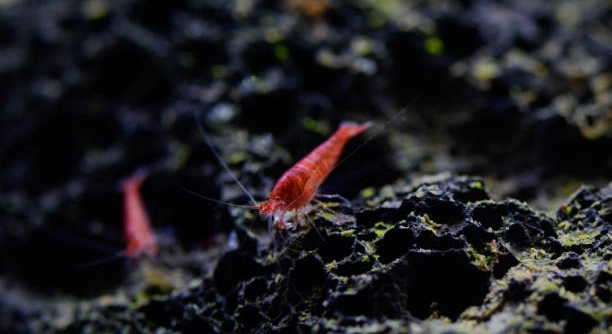
Cherry shrimp are a popular choice for home aquariums because of their bright colors and small size. Many new hobbyists are drawn to them, but there is a lot of misinformation about their care and behavior.
Several common myths about cherry shrimp exist, such as exaggerated fragility, strict water requirements, and dietary limitations. Scientific observations and practical experience demonstrate that these shrimp are more adaptable and resilient than often portrayed in hobbyist guides.
Learning the truth behind these misconceptions will help you care for your shrimp better and enjoy a healthier, more vibrant aquarium.
Myth 1: Cherry Shrimp Are Too Fragile for Beginners
Many people believe cherry shrimp are extremely fragile and will die easily if conditions are not perfect. While they are sensitive to sudden changes in water quality, they are actually hardy creatures when cared for properly. I learned that small mistakes like a minor pH shift or a slightly higher temperature do not instantly lead to disaster. Over time, observing them taught me that consistency is more important than perfection. Providing clean water, hiding spots, and a balanced diet allows them to thrive. Even if a few shrimp are lost, the colony usually recovers quickly. They can adapt to a range of conditions better than many guides suggest. This myth often discourages beginners unnecessarily. By understanding their tolerance and gradual adaptation, keeping cherry shrimp becomes manageable. Small, steady efforts make a significant difference.
Cherry shrimp can withstand minor water fluctuations and changes in diet, demonstrating resilience that contradicts the common belief of extreme fragility.
Once you accept that they are not as delicate as thought, caring for them feels less stressful. You can focus on maintaining stable conditions without constant worry, which makes observing their behavior far more rewarding.
Myth 2: Cherry Shrimp Need Expensive, Specialized Food
It is often claimed that cherry shrimp require costly or exotic foods to stay healthy. In reality, they thrive on simple options like algae, blanched vegetables, or high-quality shrimp pellets. I started feeding mine spinach and zucchini occasionally, alongside a basic commercial diet, and the shrimp remained active and colorful. Overfeeding should be avoided, but variety does not mean expense. Many affordable foods provide all the nutrients they need. They will also scavenge leftover fish food, helping maintain tank cleanliness. What matters most is consistency and balance rather than specialty items. Avoiding overly processed foods and supplements reduces the risk of water contamination and stress. I noticed my shrimp were more vibrant when they had a mix of natural and prepared foods. By focusing on accessible options, shrimp care is simpler and more sustainable for any aquarium owner.
Balanced feeding routines, along with occasional natural treats, ensure long-term shrimp health and vibrant coloration. Regular observation allows adjustment based on activity levels and growth patterns.
Myth 3: Cherry Shrimp Require Perfect Water Parameters
Cherry shrimp can handle a wider range of water conditions than often stated. They do best in stable water, but small variations in pH or hardness usually do not harm them. I learned to adjust slowly rather than obsess over exact numbers.
Once I stopped stressing over precise measurements, I noticed the shrimp became more active and social. They tolerated slightly higher temperatures and moderate pH shifts without showing stress. The key is avoiding sudden changes, such as large water replacements or introducing incompatible tankmates. Observing their behavior helped me understand their real tolerance levels. They respond well to gradual improvements and a clean environment rather than perfect numbers. This made maintenance feel simpler and less intimidating, and it allowed me to enjoy the tank without constant worry about water testing.
I also realized substrate and plant selection matter more than perfect chemistry. Moss, driftwood, and hiding spots help shrimp feel secure, even if the water isn’t ideal. Feeding and tank cleaning routines contributed more to health than obsessing over exact parameters. Over time, the colony thrived, proving that cherry shrimp are adaptable and resilient when changes are gradual and care is consistent.
Myth 4: Cherry Shrimp Will Eat Anything in the Tank
Cherry shrimp are often thought to be able to clean a tank by eating all leftover food, algae, and debris. They do eat small particles, but they are selective and need proper nutrition. I learned to supplement their diet to keep them healthy.
They will graze on biofilm, algae, and tiny debris but cannot rely on tank scraps alone. Without supplemental feeding, they may lose color, slow growth, or fail to breed. Observing my shrimp, I saw how they preferred certain foods and ignored others entirely. Overfeeding with random leftovers led to water quality issues, while balanced feeding promoted activity and reproduction.
Providing vegetables, commercial pellets, and occasional protein sources supports their health. While they assist with cleaning, they are not substitutes for proper tank maintenance. I found that feeding small amounts multiple times a week and offering hiding spots ensured they stayed active and visible. Understanding their dietary needs prevented unnecessary losses and kept the colony thriving over the years.
Myth 5: Cherry Shrimp Are Always Bright Red
Cherry shrimp can change color based on age, health, and mood. I noticed some of my shrimp appearing pale or translucent at times, especially after molting or during stress. This doesn’t mean they are unhealthy.
Color intensity also depends on genetics and diet. Feeding a varied diet with natural pigments can enhance their red tones, but some shrimp naturally remain lighter. Observing them over months showed me that temporary color changes are normal, and they usually regain vibrancy after a few weeks. Stress, water quality, and age all influence appearance, so changes should be monitored but not overreacted to.
Myth 6: Cherry Shrimp Don’t Breed Easily
Cherry shrimp reproduce more readily than often suggested. I initially feared my tank conditions weren’t suitable, but consistent care, hiding spots, and stable water encouraged them to breed.
Myth 7: Shrimp Can Live With Any Fish
Not all fish are safe companions. While some small, peaceful fish coexist well, others will prey on shrimp. Observing my tank, I saw that even calm fish sometimes harass juveniles.
How often should I feed my cherry shrimp?
Feeding cherry shrimp small amounts two to three times a week is usually sufficient. They graze on biofilm and algae in the tank, so overfeeding can cause water quality problems. I found that offering tiny portions of vegetables or shrimp pellets keeps them healthy without polluting the water.
Can cherry shrimp live in tap water?
Yes, but tap water should be treated to remove chlorine and chloramines. I always use a water conditioner and let new water sit for a few hours before adding it to the tank. Stable temperature and pH levels are more important than using bottled or RO water.
Do cherry shrimp need a heater?
A heater is not strictly necessary if your home temperature stays between 68-78°F. I added a small heater because winter drops made the water cooler than ideal. Mildly warmer water encourages activity and breeding, but drastic changes should be avoided.
How do I tell if my shrimp are healthy?
Healthy shrimp are active, move steadily, and show bright colors. I check for clear eyes, regular molting, and constant grazing. Pale coloration, lethargy, or missing limbs can indicate stress, poor water quality, or illness, requiring immediate adjustments.
Can I keep cherry shrimp with other shrimp types?
Yes, some species mix well, but crossbreeding may occur. I kept a small colony of different Neocaridina types, and while they shared the tank peacefully, the offspring showed mixed colors. Careful planning helps maintain desired traits if that matters.
How often should I clean the tank?
I clean 10-20% of the water weekly and remove visible debris. Over-cleaning can remove biofilm and disturb shrimp. A gentle routine ensures water quality while keeping beneficial microorganisms intact.
Do cherry shrimp need hiding spots?
Yes, plants, moss, and decorations provide security, especially during molting. I noticed shy shrimp become more visible once they feel safe. Hiding places also reduce stress and support breeding success.
Why are my shrimp turning pale?
Pale shrimp can result from stress, poor diet, or water fluctuations. I check water parameters, diet, and tankmates whenever this happens. Once the environment stabilizes, they usually regain their color naturally.
Can cherry shrimp survive without live plants?
They can survive, but live plants improve water quality, offer grazing surfaces, and provide shelter. I saw better breeding success and healthier shrimp in planted tanks compared to bare ones. Moss and floating plants are particularly effective.
Is it necessary to separate babies from adults?
Not usually. Adult cherry shrimp rarely harm babies, though tankmates may. I keep juveniles in the same tank, and hiding spots protect them until they grow. Monitoring helps ensure survival during early development stages.
How long do cherry shrimp live?
Cherry shrimp typically live one to two years. I noticed that older shrimp slow down, molt less, and eventually die naturally. Lifespan varies depending on care, water quality, and diet.
Can I use regular fish food for cherry shrimp?
Yes, small flakes or pellets work in moderation, but a mix of vegetables and shrimp-specific food provides better nutrition. I supplement with blanched spinach, zucchini, or algae wafers to support color and breeding.
Do cherry shrimp need strong filtration?
Moderate filtration is sufficient. I use a sponge filter that prevents shrimp from being sucked in while keeping water clean. Too strong a current stresses them, while gentle filtration maintains oxygen levels and clarity.
Will my shrimp eat algae in the tank?
Yes, they graze on algae, but it won’t replace regular feeding. I noticed they focus on soft algae and biofilm rather than thick growths. Providing a balanced diet ensures they stay healthy even if algae is limited.
How do I prevent shrimp from escaping the tank?
A tight lid or mesh cover works best. I lost a few shrimp early on because of gaps around decorations or filter tubes. Ensuring the tank is covered keeps them safe while allowing air circulation.
Are cherry shrimp aggressive toward each other?
No, they are peaceful. I’ve never seen them attack each other, though competition for food exists. Providing enough space and hiding spots reduces stress and ensures everyone thrives.
Can cherry shrimp live in cold water tanks?
They survive in cooler water, but growth and breeding slow down. I kept shrimp in a 65°F tank, and activity was lower. Warmer conditions around 72°F encouraged more frequent molting and reproduction.
Do cherry shrimp need special lighting?
Lighting is mainly for plants and observing shrimp. I use moderate light for a planted tank; intense lighting is unnecessary and can encourage excessive algae growth, which may require more maintenance.
How do I handle molting?
Molting is natural and frequent in young shrimp. I never remove shells immediately; adults may consume them for nutrients. Providing hiding spots helps molting shrimp feel safe. Observing molts indicates growth and overall health.
Can cherry shrimp carry diseases?
They can, but proper quarantine and clean water prevent most issues. I isolate new shrimp for two weeks before adding them to the main tank. Stress and poor water quality are bigger risks than pathogens.
Will my shrimp survive if I go on vacation?
Short trips are fine if feeding is adjusted and water quality is stable. I use slow-release foods and check filters before leaving. Longer absences require help or automated systems to ensure survival.
Do cherry shrimp need supplements?
Supplements are optional if diet is balanced. I occasionally added mineral-rich foods to support shell development, but shrimp thrived without daily supplements. Proper water parameters often supply most necessary nutrients naturally.
Can cherry shrimp clean tank glass?
They nibble on algae but won’t replace manual cleaning. I use them as minor helpers, not a cleaning solution. Regular scraping and siphoning are still needed to maintain a healthy tank.
Why are my shrimp hiding constantly?
Hiding often indicates stress, new tank conditions, or molting. I check water quality, tankmates, and decorations. Once they feel secure, activity increases, and hiding becomes less frequent.
Cherry shrimp are often misunderstood, with many myths surrounding their care, diet, and behavior. Over time, I realized that most of these beliefs exaggerate the difficulty of keeping them. While they do have some specific needs, they are more resilient and adaptable than many guides suggest. Observing them in a stable environment showed me that small, consistent efforts go a long way. Maintaining water quality, providing appropriate hiding spots, and offering a balanced diet made a bigger difference than worrying about minor fluctuations in parameters. I found that a simple routine focused on stability and observation kept the shrimp healthy and active, and allowed me to enjoy their colors and behavior without constant anxiety.
Another key point is that cherry shrimp do not need expensive or exotic foods, elaborate filtration systems, or specialized equipment to thrive. A few basic foods, like vegetables and quality shrimp pellets, provide the necessary nutrients. They graze on algae and biofilm, which supplements their diet naturally. I noticed that overfeeding or trying to provide every “special” food often caused more harm than good by polluting the tank. Instead, maintaining a clean environment and offering varied but simple nutrition supported their growth, molting, and breeding cycles. Providing plants, moss, and decorations helped them feel secure and encouraged natural behaviors, showing me that environmental enrichment is more important than perfection in water chemistry.
Breeding and observing shrimp can be particularly rewarding when myths are set aside. Many people assume they are fragile, hard to breed, or incompatible with other species, but I found these ideas misleading. With proper care, they reproduce steadily, and their colonies thrive even in a mixed tank. Understanding their real needs and tolerances allowed me to enjoy their activity and colors without unnecessary stress. They respond well to patience and steady care, proving that they are far more adaptable than their reputation suggests. By focusing on simple, consistent practices, anyone can maintain a healthy, vibrant shrimp tank and appreciate the small, fascinating details of their behavior over time.

Hello,
If you enjoy the content that we create, please consider saying a "Thank You!" by leaving a tip.
Every little bit helps us continue crafting quality advice that supports the health, happiness, and well-being of pets around the world, for pets of all shapes, sizes, and species.
We really appreciate the kindness and support that you show us!