
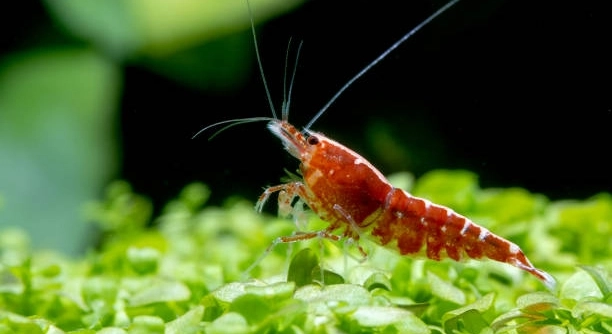
Cherry shrimp are small, vibrant creatures that often catch the eye in home aquariums. Observing them can be fascinating, especially when they display unusual behaviors like hanging upside down from plants or tank surfaces.
Cherry shrimp hang upside down primarily to feed efficiently on biofilm and algae that accumulate on surfaces. This behavior allows them to access nutrients while maintaining stability and avoiding predators, reflecting a natural adaptation seen in their foraging patterns and habitat preferences.
Understanding this behavior can improve shrimp care and tank management. Observing their feeding habits offers insight into their natural instincts and environmental needs.
Why Cherry Shrimp Prefer Upside Down
Watching cherry shrimp cling upside down feels strangely calming. They often move slowly along the glass or leaves, scraping off tiny particles that serve as their main food. This position gives them better access to biofilm, algae, and microorganisms that gather on surfaces, which they could not reach as efficiently from the bottom or sides. In addition, hanging upside down allows them to stay alert for potential threats. Shrimp have sensitive antennae that detect changes in water movement, so this position may provide a slight advantage in monitoring their environment. Over time, this behavior becomes a natural habit, showing how well-adapted they are to their surroundings. Even in a small tank, upside-down feeding helps them maintain energy and stay healthy, demonstrating that their movements are purposeful, not random. This simple behavior reflects a balance between feeding efficiency and personal safety in their daily life.
Being upside down helps shrimp feed more effectively while staying aware of changes around them in the tank environment.
Cherry shrimp also use this position to groom themselves. Their legs and mouthparts work together to clean their bodies and remove debris. The inverted posture allows them to reach areas that would be difficult from the bottom of the tank. This grooming process is essential for maintaining health and preventing bacterial buildup. In some cases, shrimp may stay upside down longer when the tank has abundant food on surfaces. Observing these patterns can indicate that the shrimp are active and thriving. Their ability to adapt behaviorally to their environment is a key factor in maintaining a balanced aquarium. By providing smooth surfaces and plants, shrimp can continue this natural routine, improving both their health and the visual appeal of the tank.
Factors That Influence Upside Down Behavior
Shrimp tend to hang upside down more when surfaces are covered in biofilm or algae, which gives them easy access to food.
Tank conditions, such as water flow, plant placement, and surface texture, greatly influence this behavior. Strong currents may discourage hanging upside down, while smooth surfaces allow better grip. Shrimp are also sensitive to light and often choose shaded areas, which may coincide with their inverted feeding spots. Temperature and water quality impact their activity level, and stressed shrimp may reduce movement or feeding time. Observing these factors helps identify what encourages natural behavior. In addition, the presence of other shrimp can affect positioning. Crowded areas may limit space, causing shrimp to adjust their feeding posture. Providing adequate surfaces with algae or biofilm, along with stable water conditions, supports this behavior and encourages healthy growth and activity. Understanding these influences allows for a more harmonious and thriving aquarium environment.
Common Misconceptions About Upside Down Behavior
Some people assume cherry shrimp hang upside down because they are sick or stressed. In most cases, this behavior is normal and linked to feeding and grooming habits. Observing shrimp in different parts of the tank can clarify their health and activity level.
Cherry shrimp often hang upside down to reach algae or biofilm on vertical surfaces. This position is natural and provides easy access to nutrients that are hard to reach from the tank bottom. It also allows shrimp to stay alert, using their antennae to detect changes in water movement or nearby tank mates. When a tank is well-maintained, shrimp display this behavior frequently, showing they are active and healthy. Understanding this helps prevent unnecessary concern about their well-being.
Upside-down behavior can also indicate the presence of abundant food sources. When algae or biofilm grows heavily on leaves or tank walls, shrimp spend more time in inverted positions to maximize feeding. This behavior is most noticeable in planted tanks where surfaces offer ample grazing opportunities. Observing feeding patterns can help gauge tank conditions and shrimp activity. Maintaining clean water and stable conditions ensures shrimp continue this natural behavior without signs of stress or illness, reinforcing a balanced and thriving aquarium environment.
Tips to Encourage Healthy Behavior
Providing smooth surfaces and plenty of plants encourages shrimp to hang upside down safely and feed effectively. Shaded areas help them feel secure.
Ensuring a steady food supply on tank surfaces supports their natural grazing habits. Shrimp feed on biofilm, algae, and small microorganisms, and vertical or hanging surfaces give better access. Avoid overcrowding, which can reduce available space and limit movement. Tank conditions like gentle water flow, stable temperature, and clean water help shrimp feel comfortable and remain active. Adding moss, floating plants, or leaves creates surfaces for feeding while offering shelter. Observing shrimp as they move upside down helps track their health and activity. Adjusting tank layout to balance feeding spots and open swimming areas promotes natural behavior and prevents stress.
Observing Feeding Patterns
Cherry shrimp spend much of their time grazing on biofilm and algae, often upside down to access surfaces. This position allows them to reach hidden food sources while maintaining stability and avoiding potential disturbances in the tank.
Watching these feeding habits can reveal which areas of the tank are most productive. Shrimp tend to favor surfaces with the highest concentration of microorganisms. Noticing where they spend the most time can help in adjusting plant placement or cleaning routines to support healthy grazing behavior.
The Role of Tank Environment
Water flow, lighting, and plant placement directly affect how often shrimp hang upside down. Gentle currents allow them to feed comfortably, while strong flows may discourage inverted positions. Proper lighting encourages algae growth on surfaces, supporting natural grazing habits. Observing shrimp behavior helps identify optimal tank conditions, ensuring they remain active and healthy.
Grooming While Upside Down
Upside-down positions also allow shrimp to clean their bodies effectively, removing debris and maintaining health. Proper tank surfaces support this essential behavior.
FAQ
Why do cherry shrimp hang upside down so often?
Cherry shrimp hang upside down mainly to access food on vertical surfaces. Algae and biofilm grow on leaves, tank walls, and decorations, which they scrape off for nutrients. This position also allows them to remain stable and alert to changes in their environment while feeding.
Is hanging upside down a sign of stress or illness?
In most cases, upside-down behavior is completely normal. Shrimp use this posture for feeding and grooming. Signs of stress or illness include lethargy, discoloration, unusual swimming patterns, or reduced appetite. If shrimp are active and feeding normally, upside-down positioning is natural.
Do all shrimp species hang upside down?
Not all shrimp exhibit this behavior. Cherry shrimp do it frequently because of their small size, grazing habits, and the surfaces in planted tanks. Larger species may spend more time on the substrate or near hiding spots instead of vertical surfaces.
How does tank setup affect upside-down behavior?
Tank conditions play a significant role. Smooth surfaces, vertical plants, moss, and leaves give shrimp areas to hang and feed. Gentle water flow encourages stable positioning. Overcrowding, strong currents, or poor water quality can reduce this behavior or stress shrimp.
Can upside-down hanging damage the shrimp?
No, this behavior is natural and safe. Their legs and claws are adapted to cling to surfaces, allowing them to maintain balance without strain. Observing them often shows precise, deliberate movements rather than awkward or forced postures.
How can I encourage more natural upside-down behavior?
Providing plenty of plants, moss, and leaves allows shrimp to graze comfortably. Maintaining clean water, stable temperature, and gentle currents helps them feel secure. Surfaces with biofilm or algae will naturally attract them to hang upside down for feeding.
Does upside-down behavior indicate feeding efficiency?
Yes, hanging upside down maximizes access to food sources. Scraping biofilm from vertical surfaces ensures shrimp get essential nutrients. Watching their movements can indicate whether feeding areas are sufficient or need adjustments in tank setup.
Should I be concerned if my shrimp hang upside down less often?
Changes in behavior can result from food availability, water conditions, or stress. If they are otherwise healthy, active, and eating, reduced upside-down behavior is usually not a problem. Ensure surfaces have biofilm or algae and check water parameters to maintain optimal conditions.
Do shrimp groom themselves while upside down?
Yes, upside-down positions allow shrimp to clean their legs, antennae, and body efficiently. Grooming removes debris, algae buildup, and small particles. This is a natural routine essential for health and shows that shrimp are active and maintaining themselves properly.
Can lighting affect upside-down behavior?
Lighting influences algae growth, which in turn affects where shrimp feed. Well-lit areas may encourage more grazing and hanging behavior. Too much light can stress shrimp, while low light may limit biofilm development, reducing feeding opportunities on vertical surfaces.
How long do shrimp stay upside down at one time?
Time varies depending on food availability and tank conditions. They may hang for a few minutes to scrape algae or longer if surfaces are rich in nutrients. Observation helps identify patterns and ensures shrimp are actively feeding and healthy.
Do shrimp ever hang upside down for rest or sleep?
While feeding is the primary reason, shrimp may also remain on surfaces during low activity periods. This allows them to conserve energy while remaining partially alert. True rest usually occurs in shaded, secure areas rather than constantly inverted positions.
Can other tank inhabitants affect this behavior?
Yes, tank mates can influence positioning. Aggressive or fast-moving species may force shrimp to move or avoid hanging in open areas. Providing hiding spots and sufficient surface space allows shrimp to continue natural feeding and grooming behaviors safely.
Does water flow direction matter for hanging upside down?
Gentle currents are ideal, allowing shrimp to cling without being pushed off surfaces. Strong currents make it harder to maintain position and may reduce upside-down activity. Adjusting flow ensures shrimp can feed efficiently and feel secure while grazing.
Is upside-down behavior more common in certain tank sizes?
Smaller tanks with abundant vertical surfaces often show more upside-down behavior due to limited horizontal grazing space. Larger tanks with diverse surfaces and plants allow shrimp to choose positions freely, including inverted feeding when preferred.
How do I know if upside-down hanging is excessive?
Excessive hanging is rarely a problem unless paired with other signs of distress, such as rapid swimming, discoloration, or lethargy. Frequent upside-down behavior is typically a reflection of abundant food and good health, rather than a negative trait.
Can feeding supplements or algae wafers influence this behavior?
Yes, providing food on surfaces encourages shrimp to hang and graze. Algae wafers or biofilm supplements can increase upside-down activity, helping ensure they receive proper nutrition while maintaining natural feeding routines.
Do juvenile shrimp hang upside down as much as adults?
Juveniles also exhibit this behavior but may do so less frequently due to smaller size, developing strength, or inexperience. As they grow and learn to graze effectively, upside-down hanging becomes more common and coordinated.
Does temperature affect upside-down activity?
Temperature influences shrimp metabolism and activity levels. Optimal temperatures promote active grazing and frequent upside-down feeding. If water is too cold, shrimp become sluggish and may spend less time hanging; too warm can increase stress, also reducing inverted behavior.
Are there any benefits to monitoring upside-down behavior?
Monitoring upside-down behavior gives insight into shrimp health, feeding efficiency, and tank conditions. Observing where and how often shrimp hang can guide adjustments to feeding, tank layout, and water parameters, ensuring a healthy and thriving aquarium.
Can I safely encourage this behavior for observation?
Yes, providing vertical plants, smooth surfaces, and shaded spots naturally encourages upside-down feeding and grooming. Observing them in this position can be rewarding and informative, revealing details about their habits, preferences, and overall well-being in the tank.
Final Thoughts
Cherry shrimp are small yet fascinating creatures whose behaviors can be both intriguing and informative. One of the most noticeable behaviors is their tendency to hang upside down in the tank. While it may seem unusual at first, this is a completely natural and purposeful behavior. Hanging upside down allows them to access algae, biofilm, and microorganisms that accumulate on vertical surfaces like plants, leaves, and tank walls. These surfaces provide a rich food source that is not as easily accessible from the bottom of the tank. By clinging to these surfaces, cherry shrimp can feed efficiently while keeping their balance and avoiding disturbances from other tank inhabitants. Observing this behavior can reveal a lot about the tank environment and the shrimp’s overall health. It shows that the shrimp are active, alert, and engaging in their natural feeding routines, which is a positive sign for any aquarium owner.
The upside-down position also plays a critical role in shrimp grooming and hygiene. Their legs, claws, and mouthparts work together while they cling to surfaces, allowing them to clean themselves thoroughly. Grooming is essential to prevent debris and algae buildup, which can affect their health over time. This behavior is more than just feeding; it is an integrated part of their daily routine that supports both nutrition and cleanliness. The frequency and duration of this behavior can also indicate how well the tank is maintained. For example, if surfaces are rich in biofilm or algae, shrimp will spend more time inverted to maximize food intake. Conversely, in tanks with poor water quality or insufficient feeding areas, upside-down behavior may decrease, signaling that adjustments are needed. Providing adequate vertical surfaces, plants, moss, and shaded areas helps the shrimp continue these natural behaviors without stress or difficulty.
Maintaining optimal tank conditions is key to supporting upside-down behavior and overall shrimp health. Factors such as gentle water flow, stable temperature, clean water, and properly placed plants influence how often shrimp hang upside down. Observing where they choose to feed or groom can guide adjustments in tank layout and maintenance. This simple behavior offers insight into their needs and preferences, helping create a supportive environment. By understanding and respecting these patterns, shrimp keepers can ensure that their cherry shrimp remain healthy, active, and engaged in their natural routines. Paying attention to feeding spots, providing suitable surfaces, and monitoring activity are small steps that make a significant difference in the well-being of these tiny aquatic creatures. Over time, these observations and adjustments help create a balanced aquarium where cherry shrimp thrive naturally, showcasing their unique and fascinating behavior.

Hello,
If you enjoy the content that we create, please consider saying a "Thank You!" by leaving a tip.
Every little bit helps us continue crafting quality advice that supports the health, happiness, and well-being of pets around the world, for pets of all shapes, sizes, and species.
We really appreciate the kindness and support that you show us!