
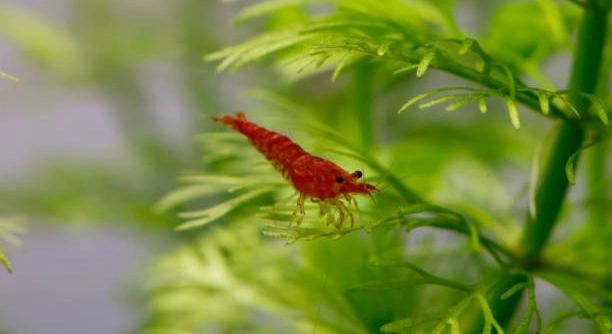
Cherry shrimp are small, colorful creatures that brighten home aquariums. Their vivid red hues and active behavior make them appealing for both beginners and experienced hobbyists alike in freshwater setups. Many people enjoy watching them thrive.
Breeding cherry shrimp at home is feasible under controlled conditions. Maintaining stable water parameters, providing adequate nutrition, and ensuring a safe environment are essential for successful reproduction. With proper care, these shrimp can reproduce consistently in a home aquarium.
Knowing the right conditions can improve survival rates and encourage a healthy shrimp population in your tank. Careful attention ensures a thriving aquatic community.
Setting Up the Perfect Aquarium for Cherry Shrimp
Creating the right environment for cherry shrimp starts with choosing an appropriate tank. A small 5-10 gallon tank is enough for a few shrimp, but larger tanks give more stability. Water temperature should stay between 72-78°F, and pH should remain near neutral. Adding live plants like moss or Java fern provides hiding spaces and surfaces for biofilm growth, which is essential for feeding. A gentle filter keeps the water clean without disturbing the shrimp. Substrate choice matters too; fine gravel or sand works best for shrimp movement. Regular water changes, about 10-20% weekly, help maintain water quality. Avoid sudden changes in water chemistry as shrimp are sensitive. Keeping tankmates minimal or choosing peaceful species ensures shrimp safety. Lighting should support plant growth but not stress the shrimp. With careful setup, the aquarium can support breeding and daily activity, allowing the shrimp to thrive naturally in a home environment.
Proper tank conditions make shrimp less stressed and more likely to reproduce successfully over time.
A stable environment reduces mortality and encourages active feeding. By carefully monitoring temperature, pH, and cleanliness, you can maintain a healthy tank. Shrimp are sensitive to ammonia, nitrite, and nitrate spikes, so regular testing is necessary. Plants and hiding spots offer shelter for molting shrimp, increasing survival rates. Feeding should be moderate, focusing on algae, biofilm, and specialized shrimp food. Overfeeding leads to water issues and stress. Patience is key; reproduction may take time, but consistent care pays off. Observing shrimp behavior helps identify problems early.
Feeding and Nutrition
Cherry shrimp need a balanced diet to stay healthy. Their diet includes algae, biofilm, and occasional high-quality shrimp pellets.
Proper nutrition improves growth, coloration, and breeding potential. Avoid overfeeding to maintain water quality.
Shrimp rely heavily on biofilm, which forms naturally on plants, rocks, and tank surfaces. Supplementing with blanched vegetables like zucchini or spinach adds essential nutrients. Protein-rich foods, such as specialized shrimp pellets, support molting and egg development. Feed in small amounts two to three times a week to prevent leftover food from polluting the water. Observing feeding behavior helps gauge health. Healthy shrimp display bright colors and active movement. Variety in diet ensures all nutritional needs are met and reduces competition among tank inhabitants. Over time, well-fed shrimp show higher fertility and more successful molts. Maintaining a consistent feeding routine combined with good water quality creates ideal conditions for breeding, allowing shrimp populations to grow steadily without unnecessary stress or health issues.
Breeding Basics
Female cherry shrimp carry eggs under their tails, visible as small green or yellow clusters. Males are smaller and less colorful but actively swim around searching for females. Successful mating requires stable water conditions and low stress levels.
Maintaining ideal water parameters is critical for breeding. Temperature should stay consistent, and ammonia, nitrite, and nitrate levels must be monitored closely. Providing dense plant coverage allows females to feel safe while carrying eggs. Regular feeding ensures that females have enough energy for reproduction, while males remain active. Stressful conditions or aggressive tankmates can prevent breeding, so it’s best to keep the environment calm and predictable.
Eggs usually hatch within two to four weeks, depending on temperature. After hatching, tiny shrimp, called shrimplets, feed on biofilm and fine particles. They are extremely delicate and need sheltered spaces to survive. Gradually, they grow and develop their colors. Consistent care during this stage improves survival rates significantly.
Caring for Baby Shrimp
Shrimplets require gentle care and minimal disturbance in their early weeks. Avoid moving them or changing water too abruptly.
Providing fine food like crushed shrimp pellets or powdered algae helps them grow. Small hiding spaces prevent predation from adult shrimp. Water quality must remain high, with stable pH and temperature. Removing uneaten food prevents pollution.
During the first month, observe shrimplets closely for signs of stress or illness. Frequent but small water changes maintain cleanliness without shocking them. Ensure plants and moss are available, as they provide both nutrition and shelter. Gradually introduce them to regular feeding routines, but avoid overfeeding. As they grow, colors begin to appear, and their movements become more confident. A calm environment combined with steady care ensures that the young shrimp develop healthily into adults capable of reproducing themselves in the future.
Water Quality and Maintenance
Consistent water quality is essential for both adult shrimp and shrimplets. Test water regularly for ammonia, nitrites, and nitrates. Small, frequent water changes help maintain stability without stressing the shrimp. Avoid using chemicals that could harm sensitive shrimp.
Keeping the tank clean prevents disease and encourages healthy growth. Remove debris, leftover food, and dead plant matter. Filters should run gently to avoid disturbing shrimp or eggs. Monitoring water parameters daily ensures early detection of problems, making adjustments easier. Clean equipment and careful handling support a thriving, stress-free environment, which is essential for successful breeding.
Common Challenges
Shrimp can be sensitive to sudden changes in temperature, pH, or water hardness. Stress often leads to molting issues or lower reproduction rates.
Careful observation helps detect early signs of illness or stress. Slow acclimation of new shrimp and gradual adjustments in water parameters reduce mortality. Proper feeding and plant coverage also minimize aggressive interactions and provide shelter.
Controlling Population
Breeding can lead to rapid population growth if not monitored. Separating adults and shrimplets helps prevent overcrowding.
Overcrowding increases competition for food and space, stressing shrimp. Maintaining a balance between adults and juveniles ensures healthier shrimp and better survival rates.
FAQ
How long does it take for cherry shrimp to breed?
Cherry shrimp can start breeding once they reach maturity, usually around 4-6 months of age. Females carry eggs for approximately 2-4 weeks before they hatch, depending on water temperature and conditions. Warmer water speeds up development, while cooler water slows it down.
How many eggs does a female carry at one time?
On average, a female cherry shrimp carries between 20 and 30 eggs under her tail. This number varies with age, health, and tank conditions. Older or larger females tend to carry more eggs, while stressed or poorly fed shrimp may carry fewer.
Can cherry shrimp survive in the same tank as other fish?
Cherry shrimp can live with peaceful, small fish that do not eat them. Aggressive or larger species may prey on adults or shrimplets. Many hobbyists choose to keep shrimp-only tanks to maximize survival and breeding success. Plants and hiding spots also improve safety.
Do I need a separate breeding tank?
A separate tank is not always necessary, but it can improve survival rates for babies. In a regular tank with adults, shrimplets may be eaten or outcompeted for food. A dedicated breeding tank with plenty of plants and moss gives young shrimp a better chance to grow.
What should I feed baby shrimp?
Shrimplets feed on biofilm, algae, and fine particles. You can supplement with crushed shrimp pellets, powdered algae, or blanched vegetables like zucchini or spinach. Feeding in small amounts prevents leftover food from polluting the water and ensures they get enough nutrition without stressing the tank environment.
How often should I change the water?
Small, frequent water changes are best. About 10-20% weekly helps maintain stable water conditions without shocking the shrimp. Always match the new water’s temperature and pH to the tank to prevent stress. Clean tanks and filtered water are essential for healthy shrimp growth and breeding.
Why are my shrimp losing color?
Shrimp may lose color due to poor nutrition, stress, or unsuitable water parameters. A balanced diet with high-quality shrimp food and occasional vegetables supports bright coloration. Stable water conditions and proper hiding spaces reduce stress and help maintain natural vibrancy.
How can I tell if the female is carrying eggs?
Females with eggs develop a small cluster under their tail, often green or yellow. The eggs are usually visible even to the naked eye. During this period, females tend to hide more and move slowly to protect their developing eggs.
Can I breed cherry shrimp without live plants?
Plants are not strictly necessary, but they provide food, shelter, and surfaces for biofilm, which is critical for feeding shrimplets. Moss, ferns, and other live plants create a natural environment that supports health and breeding success. Tanks without plants require extra care and feeding adjustments.
How do I prevent overcrowding?
Monitoring the population is essential. Separating adults from juveniles or using multiple tanks helps manage numbers. Overcrowding leads to competition, stress, and reduced survival rates. Keeping a balanced number of shrimp per tank ensures that everyone has space, food, and shelter for healthy growth.
Can I breed cherry shrimp year-round?
Yes, cherry shrimp can breed year-round if conditions remain stable. Consistent temperature, proper feeding, and water quality allow continuous reproduction. Seasonal changes in temperature or sudden water fluctuations may pause breeding temporarily. Maintaining stable conditions ensures ongoing growth and population stability.
Do I need to remove uneaten food?
Yes, leftover food can decompose and release harmful chemicals. Removing uneaten food prevents spikes in ammonia or nitrate, which can harm both adults and shrimplets. Feeding small amounts and cleaning excess ensures a healthier environment and reduces stress.
Why are my eggs not hatching?
Unstable water parameters, stress, or disease can prevent eggs from hatching. Eggs need stable temperature, clean water, and safety from predators. If conditions fluctuate too much, females may drop or lose eggs. Providing calm, optimal conditions increases the chances of successful hatching.
How quickly do baby shrimp grow?
Shrimplets grow slowly at first and begin developing color after several weeks. With proper nutrition and a safe environment, they reach maturity in 4-6 months. Growth speed depends on temperature, feeding quality, and water stability. Healthy conditions lead to faster, more consistent development.
Is it necessary to separate males and females?
Separating males and females is usually not required. Cherry shrimp will breed naturally in a well-maintained tank. However, monitoring populations helps prevent overcrowding and ensures shrimplets survive without competition or predation from adults.
Can I overfeed cherry shrimp?
Overfeeding leads to water pollution and stress. Shrimp eat small amounts several times a week, relying on biofilm and plants as natural food. Excess food decomposes quickly, raising harmful chemical levels. Feeding in moderation ensures healthy shrimp and cleaner water.
How do I know if my shrimp are stressed?
Signs of stress include hiding excessively, loss of color, reduced activity, or failed molting. Stress often results from poor water quality, aggressive tankmates, or sudden environmental changes. Observing behavior and maintaining stable conditions helps reduce stress and encourages breeding success.
What is the best substrate for breeding shrimp?
Fine gravel or sand works best. Substrate allows shrimp to forage, supports biofilm growth, and provides a stable surface for eggs and young shrimp. Avoid sharp or large gravel that can trap or injure small shrimp. A suitable substrate contributes to a healthier and more productive tank.
How often should I check water parameters?
Daily monitoring of temperature, pH, ammonia, nitrites, and nitrates is recommended. Regular checks help catch problems early and maintain a safe environment for adults and babies. Consistent monitoring supports breeding, growth, and overall shrimp health.
Do cherry shrimp need hiding spots?
Yes, hiding spots reduce stress and protect shrimplets during early development. Plants, moss, and decorations create shelters for molting and reproduction. A tank with adequate hiding spaces improves survival rates and supports natural behaviors.
Can I breed multiple shrimp colors together?
Yes, different color strains can breed together, but offspring may vary in color intensity. Maintaining stable conditions and proper nutrition is more important than color consistency for successful breeding and healthy shrimp populations.
Is it necessary to use a filter?
A gentle filter is important to keep water clean without disturbing shrimp. Strong currents can stress adults and shrimplets. Filters also support beneficial bacteria, which help maintain water stability essential for breeding success.
How do I increase hatching success?
Stable water conditions, proper nutrition, adequate hiding spots, and minimal stress are key. Regular monitoring and consistent feeding routines improve egg development and survival rates, ensuring more shrimplets reach maturity.
Can I breed cherry shrimp in a small tank?
Yes, even small tanks can support breeding if water conditions are stable. Smaller tanks require more careful monitoring of water parameters and feeding, but they can produce healthy shrimp populations with proper care.
What temperature is ideal for breeding?
Temperatures between 72-78°F support breeding. Too low slows reproduction, while too high increases stress. Maintaining a consistent temperature helps eggs develop properly and ensures shrimplets grow steadily.
How do I handle new shrimp?
Acclimate new shrimp slowly to avoid shock. Gradual introduction to temperature, pH, and water hardness helps them adjust safely. Sudden changes can stress shrimp, reducing their health and breeding potential.
Can I use tap water for the tank?
Tap water is usable if properly treated to remove chlorine and chloramine. Conditioning the water and checking parameters ensures safety. Untreated tap water can harm shrimp and prevent successful breeding.
Do cherry shrimp need light?
Light is primarily for plants, not shrimp. Moderate lighting supports algae and plant growth, which shrimp feed on. Avoid excessive light that may stress shrimp or encourage unwanted algae blooms.
How do I know when shrimplets are ready to eat normal food?
After a few weeks, shrimplets start picking at fine particles and biofilm. Gradually introduce small amounts of regular shrimp food while keeping supplemental feeding with algae or powdered food for continued growth.
Can breeding shrimp cause stress to adults?
Breeding itself does not stress adults if conditions are stable. Stress arises from poor water quality, aggressive tankmates, or overcrowding. Reducing these factors allows adults to breed naturally without harm.
Is molting important for breeding?
Yes, successful molting is critical. Females must molt to carry eggs, and regular molting supports growth and overall health. Stress, poor nutrition, or unstable water can interfere with molting and reproduction.
How long do cherry shrimp live?
Cherry shrimp generally live 1-2 years. Proper care, stable water, and nutrition maximize lifespan and allow multiple breeding cycles, contributing to a healthy, self-sustaining tank population.
What are the signs of healthy shrimp?
Bright color, active movement, regular molting, and feeding behavior indicate health. Healthy shrimp are more likely to breed successfully and produce viable eggs.
Can I breed shrimp in a community tank?
It’s possible with peaceful species, but survival of babies may be lower. Adequate hiding spaces and plant coverage help increase shrimplet survival even in mixed tanks.
How often should I feed adults?
Feeding two to three times a week in small amounts is sufficient. Adults also rely on biofilm and algae for nutrition. Consistent feeding supports growth and reproductive health.
Do shrimp need special water additives?
Some minerals support molting and breeding, like calcium. These can be added if water is soft. Avoid unnecessary chemicals that may disrupt the tank’s stability.
What is the easiest way to encourage breeding?
Maintain stable water conditions, provide a balanced diet, and include plenty of hiding spots. Minimal stress and consistent care are the most effective ways to ensure regular reproduction.
How do I care for molting shrimp?
Molting shrimp need shelter and undisturbed water. Remove potential predators and avoid sudden changes in temperature or water chemistry. Providing calcium-rich food supports successful molts and overall health.
Can shrimp breed in cold water?
Breeding slows significantly in cooler water below 68°F. Eggs may take longer to develop, and survival rates of shrimplets can decrease. Warmer, stable water encourages faster growth and higher hatching success.
Is it necessary to separate males from females for breeding?
No, natural breeding occurs in mixed groups. Ensuring proper tank conditions and enough hiding spots for females carrying eggs is more important than separation.
How do I know the eggs are healthy?
Healthy eggs are firm, usually green or yellow, and remain attached under the female’s tail. Cloudy or falling eggs may indicate stress or poor conditions.
What is the best way to increase survival of shrimplets?
Provide plants, moss, and biofilm for food and shelter. Maintain stable water parameters, feed in small amounts, and avoid aggressive tankmates to maximize survival.
Can I breed cherry shrimp with other shrimp species?
Breeding with other species is not recommended. Hybrid offspring may have lower survival, unpredictable coloration, and reduced fertility. Keeping one species ensures stable, healthy populations.
How important is tank size for breeding success?
Moderate tank size allows more stable water parameters and less stress. While small tanks can work, larger tanks are easier to maintain and support higher survival rates.
Do shrimp need hiding spots during breeding?
Yes, hiding spots protect females carrying eggs and shrimplets. Plants, moss, and decorations create safe spaces, reducing stress and increasing survival.
Can I breed shrimp year-round?
Yes, if temperature, feeding, and water quality remain consistent. Stable conditions allow continuous reproduction and healthy population growth.
How often do females lay eggs?
Females can produce eggs every few weeks if conditions are ideal. Regular feeding, proper water, and low stress encourage frequent reproduction.
What are the main reasons eggs fail to hatch?
Stress, poor water quality, disease, or lack of food for females can prevent hatching. Maintaining optimal conditions is key to success.
How do I increase breeding success in a small tank?
Stable water, adequate plants, and minimal stress maximize breeding potential even in limited space. Careful feeding and observation improve survival rates.
Can cherry shrimp survive without live plants?
Yes, but survival and breeding success improve with plants. Plants provide food, hiding spots, and surfaces for biofilm growth, supporting shrimp health.
Do I need to monitor water hardness?
Yes, stable hardness supports molting and egg development. Too soft or too hard water can affect health and reproduction.
Can breeding shrimp affect adult health?
With proper care, adults remain healthy. Stress, poor water, or inadequate food can harm adults during reproduction.
How do I know when shrimplets are independent?
Shrimplets forage for food and move confidently after a few weeks. They no longer rely solely on biofilm or hiding spots for survival.
Is it safe to introduce new shrimp to a breeding tank?
Gradual acclimation prevents stress and ensures safe integration. Sudden introductions can cause aggression or shock.
How long should I wait between water changes during breeding?
Small, frequent changes are best. Large or infrequent changes can stress adults and shrimplets, affecting reproduction.
Do cherry shrimp need supplements for breeding?
Minerals like calcium support molting and egg development. Use cautiously and only if water lacks necessary nutrients.
How can I reduce shrimp mortality?
Stable water, proper nutrition, hiding spots, and minimal stress lower mortality. Regular monitoring helps detect problems early.
Can I breed cherry shrimp in an unheated tank?
Breeding slows in cooler temperatures. Stable, moderate warmth is best for egg development and shrimplet survival.
How do I maintain a healthy shrimp population?
Regular monitoring, feeding, water changes, and sufficient shelter support ongoing reproduction and survival, keeping the tank balanced and thriving.
Are there signs of successful breeding?
Visible eggs, active females, and growing shrimplets indicate successful breeding. Healthy adults and consistent hatching reflect a well-maintained tank environment.
Can adult shrimp eat the babies?
Yes, adults may eat shrimplets in crowded tanks. Providing hiding spots and monitoring population density improves survival rates.
Do cherry shrimp need special lighting to breed?
No, standard aquarium lighting is sufficient. Moderate light supports plants and algae, indirectly benefiting breeding.
How do I care for pregnant females?
Minimize stress, provide hiding spots, maintain stable water, and feed high-quality food to support egg development and hatching.
Can breeding shrimp survive if I leave them unattended for a week?
Short absences are manageable if water is stable, food is supplied, and hiding spots are available. Long periods without care may reduce survival.
How important is tank cleanliness during breeding?
High importance. Clean tanks prevent disease, maintain water quality, and support shrimp health, directly affecting breeding success.
Can I breed cherry shrimp outdoors?
Outdoor tanks may work in mild climates but are harder to control. Temperature swings, predators, and water quality fluctuations can stress shrimp and reduce breeding success.
Do I need a heater for breeding?
Yes, maintaining 72-78°F ensures consistent reproduction and faster egg development. Temperature stability is crucial for successful breeding.
How long do eggs stay under the female’s tail?
Typically 2-4 weeks, depending on temperature. Warmer water accelerates development, while cooler water extends the incubation period.
Is it safe to use decorations in the breeding tank?
Yes, smooth decorations provide hiding spots without harming shrimp. Avoid sharp edges that can injure adults or shrimplets.
How do I prevent disease in a breeding tank?
Maintain clean water, avoid overcrowding, feed properly, and quarantine new shrimp to reduce disease risk. Healthy conditions support strong reproduction.
Can I breed cherry shrimp with store-bought water?
Yes, if conditioned properly to remove chlorine and chloramine. Matching parameters with tank water ensures safety for shrimp and successful breeding.
Do cherry shrimp need oxygenation?
Moderate water movement provides oxygen. Gentle filtration or air stones help maintain oxygen levels without stressing shrimp or disturbing eggs.
How do I encourage females to carry eggs?
Provide stable water, proper nutrition, hiding spots, and low-stress conditions. Healthy, well-fed females are more likely to reproduce.
Can I breed cherry shrimp with multiple males?
Yes, multiple males increase chances of fertilization. As long as conditions remain stable, females will carry eggs successfully.
How can I tell if shrimplets are healthy?
Active movement, consistent growth, and feeding behavior indicate health. Shrimplets should develop color and show normal activity within weeks.
Do cherry shrimp need CO2 for breeding?
No, CO2 is only necessary for plants. Shrimp feed on biofilm and algae, which benefit indirectly from plant growth.
Is water flow important for breeding?
Low, gentle flow supports health without disturbing eggs or shrimplets. Too strong currents can stress shrimp or displace eggs.
Can I breed cherry shrimp in soft water?
Yes, but adding minerals like calcium helps support molting and egg development. Completely soft water may reduce reproductive success.
Do I need to remove predators from the tank?
Yes, predators can eat eggs or shrimplets. Separating aggressive species improves survival rates and supports population growth.
How do I increase egg survival?
Stable water, hiding spots, minimal stress, and proper nutrition all increase the likelihood that eggs develop successfully into shrimplets.
Can shrimp reproduce without plants?
Yes, but survival rates are lower. Plants provide food and shelter that support healthy breeding and growth of young shrimp.
How do I prevent algae overgrowth?
Control lighting, avoid overfeeding, and maintain water quality. Algae provides food but excessive growth can harm water stability.
What is the best feeding schedule for breeding shrimp?
Small, consistent feedings two to three times per week, supplemented with natural biofilm, support reproduction and healthy growth.
Do cherry shrimp need soft or hard water?
Moderate hardness is ideal. Soft water may hinder molting, while very hard water can stress shrimp. Balanced conditions promote health and breeding success.
Can shrimp survive in a bare tank?
Yes, but they need alternative food sources and hiding places to reduce stress and improve survival. Plants and moss are recommended.
How often do I need to test water?
Daily for ammonia, nitrites, nitrates, and pH. Frequent monitoring ensures safe conditions for adults and shrimplets, supporting breeding success.
Can cherry shrimp breed in a filtered tank?
Yes, gentle filtration maintains water quality without disturbing shrimp or eggs. Avoid strong currents that could stress the population.
Do I need to separate eggs from adults?
No, eggs remain under the female’s tail. Protecting the female with plants or moss
Breeding cherry shrimp at home is both manageable and rewarding when the right conditions are maintained. Consistent water parameters, stable temperature, and clean surroundings form the foundation for healthy shrimp and successful reproduction. Small adjustments in pH, hardness, or temperature can have significant effects on egg development and shrimplet survival, so careful monitoring is important. Providing plants, moss, and other hiding spots helps reduce stress, supports natural behaviors, and protects both adults and babies during molting and early growth stages. Over time, a well-maintained tank can sustain a growing population of vibrant cherry shrimp without requiring constant intervention.
Feeding practices also play a major role in breeding success. Adults require a balanced diet that includes biofilm, algae, and occasional specialized shrimp food to maintain energy for reproduction. Females carrying eggs need sufficient nutrition to support egg development, while shrimplets require finely crushed food and natural biofilm to thrive during their first weeks. Overfeeding can lead to water quality issues, so small, controlled portions are recommended. Observing shrimp behavior provides insight into their health, diet adequacy, and breeding readiness. Healthy shrimp display active movement, bright coloration, and consistent molting patterns, all of which contribute to a thriving population. By establishing a reliable feeding routine, it is possible to support both adults and young shrimp without disrupting the overall tank balance.
Patience and consistency are essential when breeding cherry shrimp at home. The process cannot be rushed, as egg hatching and shrimplet growth depend on stable conditions and careful care. Population growth occurs gradually, and maintaining a calm, predictable environment ensures that shrimp reproduce naturally and develop healthily. Even minor fluctuations in water quality or sudden changes in tank conditions can slow breeding or impact survival rates, so regular observation and gentle maintenance are key. Over time, attention to detail, proper feeding, and thoughtful tank setup create a sustainable environment that allows shrimp populations to thrive. With steady care and a focus on maintaining optimal conditions, home shrimp breeding can become a manageable and enjoyable part of aquarium keeping, producing a healthy and active colony.

Hello,
If you enjoy the content that we create, please consider saying a "Thank You!" by leaving a tip.
Every little bit helps us continue crafting quality advice that supports the health, happiness, and well-being of pets around the world, for pets of all shapes, sizes, and species.
We really appreciate the kindness and support that you show us!