
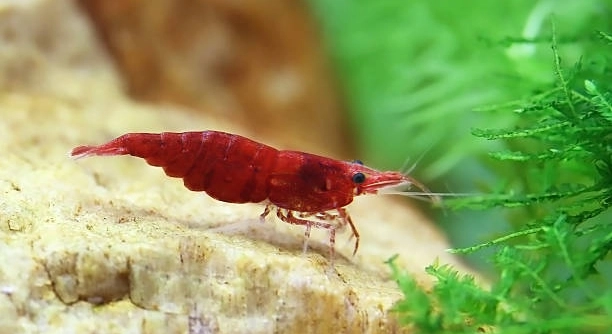
Are your cherry shrimp suddenly showing signs of aggression in your aquarium? Observing them clashing or chasing each other can be surprising. While they are generally peaceful creatures, certain environmental and biological factors can trigger fighting behavior.
Cherry shrimp often engage in fighting due to limited space, poor water quality, lack of food, stress, territorial disputes, or improper tank mates. Understanding these causes helps maintain a balanced and healthy environment, ensuring shrimp exhibit natural, non-aggressive behavior.
Identifying these factors early allows you to adjust your tank conditions and promote a calmer, safer habitat for your shrimp.
Limited Space
Cherry shrimp need room to swim and explore. When your tank is too crowded, they can become territorial, often leading to chasing or pinching. Even if the tank seems large, hiding spots and plants are crucial. Shrimp feel safer when they have areas to retreat. Overcrowding also increases stress, which triggers aggression and can reduce their overall health. Juveniles are particularly vulnerable and may be targeted by older shrimp. Adding more shrimp without expanding the tank can worsen the issue. Filtration and water movement also play a role. Too strong currents can push shrimp into tight spaces, forcing confrontations. Even small decorations and rocks can create boundaries, reducing disputes. Observing how your shrimp interact helps identify areas where space is insufficient. Adjusting the arrangement of plants and ornaments can help. A balanced population density ensures each shrimp has enough territory to avoid unnecessary fighting. Regular monitoring helps maintain harmony in your tank environment, keeping your shrimp safe and healthy.
Overcrowded tanks are stressful and directly increase shrimp fighting. Adequate space prevents aggressive behavior and supports overall shrimp health.
Providing more hiding spots and spreading out food helps shrimp coexist peacefully. Rearranging decorations can reduce territorial conflicts and improve harmony.
Poor Water Quality
Dirty or unbalanced water affects shrimp behavior almost immediately. Ammonia, nitrite, and nitrate levels that are too high irritate shrimp, making them more aggressive. Sudden pH swings or temperature changes can also stress them. Even small fluctuations in hardness or mineral content impact their well-being. Regular testing and maintenance are critical for preventing fights. Shrimp are sensitive to chemicals in the water, including leftover medications or cleaning residues. A well-filtered tank with regular partial water changes helps maintain stable conditions. Overfeeding can worsen water quality, leading to algae blooms and toxic buildups. Proper water parameters encourage calm behavior and healthy molting. Molting is a vulnerable time for shrimp, and poor water can trigger aggression from others. Plants and substrate absorb some waste, but relying solely on them is insufficient. Investing in a reliable test kit and observing changes in shrimp behavior provides clues about water issues. Correcting imbalances promptly reduces stress-induced fights.
Stable water conditions prevent stress-driven aggression. Regular testing ensures a healthy, peaceful environment for your shrimp.
Maintaining water balance involves checking parameters, performing partial changes, and avoiding overfeeding. This keeps shrimp calm and minimizes disputes over territory or food.
Lack of Food
Shrimp become aggressive when food is scarce. Competition for limited resources can lead to chasing, nipping, and stress among tank mates. Regular feeding in small amounts helps reduce fighting and ensures all shrimp get proper nutrition.
Providing frequent, measured feedings prevents dominant shrimp from hoarding food. Using sinking pellets or algae wafers ensures even distribution so smaller or timid shrimp have access. Overfeeding can be harmful, but consistent portions maintain balance and reduce tension. Observing your shrimp during feeding helps identify which individuals are being pushed away, allowing adjustments in feeding strategy. Adding supplemental foods like blanched vegetables or biofilm-enriched options encourages natural foraging and keeps aggression low. Even minor adjustments in feeding frequency can significantly improve harmony, helping shrimp coexist without constant disputes over resources. Maintaining proper nutrition is key to reducing stress-induced fighting and supporting overall health.
Balanced nutrition reduces competition and encourages calm behavior. Combining different food types ensures all shrimp eat sufficiently, minimizing aggressive encounters over meals.
Even with adequate food, placement matters. Distributing food across the tank encourages exploration, reduces dominance displays, and allows timid shrimp to feed safely.
Territorial Disputes
Cherry shrimp naturally establish territories, especially around hiding spots or breeding areas. Confined spaces amplify territorial behavior, causing frequent chases and aggression. Rearranging decorations can redistribute claimed areas and reduce disputes.
Territorial disputes often arise when dominant shrimp control high-value areas like moss, rocks, or dense plants. Juvenile or weaker shrimp may be constantly chased, leading to stress and slower growth. Observing patterns of aggression helps identify contested zones. Creating multiple hiding spots and spreading resources reduces confrontations. Using tall plants or small caves allows each shrimp to claim its own area without overlapping. Even minor changes in layout, such as moving a cluster of moss or adding small shelters, can redirect attention and reduce aggressive interactions. Understanding shrimp behavior and providing sufficient personal space minimizes constant fighting and supports peaceful coexistence.
Redistributing decorations and adding shelters lowers aggression. Multiple hiding spots allow shrimp to claim areas, reducing constant chases and improving tank harmony.
Proper planning of tank layout encourages natural boundaries. Spacing out food, plants, and shelters helps reduce conflicts and creates a calmer environment.
Stress
Stress triggers aggressive behavior in cherry shrimp. Sudden changes in water parameters, excessive noise, or overcrowding can make them more likely to fight. Maintaining a stable environment helps keep shrimp calm and reduces tension in the tank.
Providing plenty of hiding spots and avoiding frequent disturbances lowers stress. Plants, caves, and decorations give shrimp areas to retreat, helping them feel secure and minimizing conflict.
Improper Tank Mates
Not all aquarium species are compatible with cherry shrimp. Larger or more aggressive fish can provoke stress and defensive behavior, leading shrimp to fight each other. Careful selection of tank mates is crucial to prevent unnecessary aggression.
Molting
Molting is a vulnerable time for shrimp. During this period, they are soft and easily stressed, which can trigger attacks from tank mates. Ensuring a safe environment with hiding spots is essential to protect molting shrimp.
Overcrowding
Too many shrimp in one tank increases competition for space, food, and hiding spots. Overcrowding directly contributes to fighting and overall stress.
FAQ
Why are my cherry shrimp constantly chasing each other?
Constant chasing usually stems from limited space, territorial disputes, or stress. Overcrowding can force shrimp into close quarters, increasing conflicts. Providing more hiding spots, rearranging plants, or reducing the number of shrimp in the tank can help. Stable water parameters also reduce stress, minimizing aggression.
How can I tell if fighting is due to food scarcity?
If aggressive behavior occurs mostly during feeding times, food scarcity is likely the cause. Dominant shrimp may chase others away from meals. Feeding smaller, frequent portions and distributing food across the tank ensures all shrimp can eat safely. Sinking pellets or algae wafers work well for fair distribution.
Do certain shrimp prefer specific hiding spots?
Yes, shrimp establish preferred territories. Dense plants, moss, and small caves are highly valued. If multiple shrimp compete for the same spot, disputes arise. Adding additional hiding areas or spreading out plants helps reduce territorial aggression and ensures each shrimp has a secure retreat.
Can water quality trigger fighting?
Absolutely. Elevated ammonia, nitrites, nitrates, or sudden pH fluctuations create stress, making shrimp more likely to fight. Maintaining stable water parameters, performing partial water changes, and testing regularly keeps shrimp healthy and reduces aggressive incidents. Even slight changes can influence behavior.
Are all shrimp equally aggressive?
No. Dominant shrimp, often larger or older individuals, tend to assert control over space and food. Juveniles or weaker shrimp are more likely to be targeted. Observing interactions can help identify patterns, allowing adjustments in tank layout or population to reduce conflicts.
How does molting affect aggression?
Molting shrimp are soft and vulnerable, which can trigger attacks from other shrimp. Providing plenty of hiding spots ensures molting shrimp can retreat safely. Stress during this time can increase aggression, so stable water conditions and minimal disturbances are essential.
Can tank mates influence fighting?
Yes. Larger or more aggressive fish can stress shrimp, prompting them to fight among themselves. Choosing peaceful, shrimp-safe tank mates reduces stress. Avoid fish that nip or chase, as they increase tension and disrupt social balance.
What is the best way to prevent territorial disputes?
Distributing decorations, plants, and hiding spots evenly prevents dominant shrimp from claiming all prime areas. Multiple shelters allow each shrimp to establish its own space. Rearranging the tank occasionally also helps break up fixed territories and reduce constant aggression.
Does overcrowding affect shrimp health beyond fighting?
Overcrowding increases stress, slows growth, and can lead to disease outbreaks. Proper population management is essential for long-term health. Ensuring adequate space, hiding spots, and resources keeps shrimp healthy and minimizes aggressive behavior.
How can I encourage peaceful coexistence?
Balanced feeding, proper tank mates, stable water, and sufficient hiding spots all contribute to harmony. Observing shrimp behavior and making small adjustments to layout or food distribution can greatly reduce fighting and support a calm, healthy tank environment.
Is it normal for cherry shrimp to fight occasionally?
Yes, minor squabbles are natural. Shrimp establish social hierarchies and boundaries, so occasional chasing or pinching can occur. Persistent or severe aggression, however, indicates environmental or nutritional issues that need to be addressed.
How often should I monitor my tank to prevent fights?
Daily observation is ideal. Watching interactions, feeding behavior, and general movement helps catch stress or aggression early. Regular testing of water parameters and maintaining a clean environment further reduces triggers for fighting.
Can rearranging the tank reduce fighting?
Yes. Changing plant placement, adding new hiding spots, or altering substrate can break up established territories. This redistributes shrimp activity, reduces dominance displays, and allows all shrimp to explore freely without constant disputes.
What are the signs of a stressed shrimp?
Signs include hiding excessively, reduced movement, loss of color, erratic swimming, and frequent chasing. Stress often precedes fighting. Addressing water quality, overcrowding, and food distribution can alleviate these behaviors and restore balance.
Are some foods better for reducing aggression?
Yes. Balanced foods that sink slowly allow all shrimp to feed at their own pace. Blanched vegetables, algae wafers, and biofilm-enriched foods encourage foraging behavior and minimize competition. Evenly distributing food across the tank ensures fair access.
Can adding more shrimp help reduce fighting?
Not always. While increasing numbers may dilute aggression in very small groups, overcrowding can worsen conflicts. It’s important to balance population with tank size and hiding spots to maintain harmony.
How does tank size influence fighting?
Larger tanks provide more space for movement and territory, reducing conflict. Small tanks limit options for retreat and increase competition for hiding spots and food, leading to frequent fights. Adequate space is crucial for a peaceful community.
Do shrimp ever fight over mating?
Yes, during breeding periods, dominant males may chase or nip rivals. Providing plenty of hiding spots and plants helps females and less dominant males avoid constant harassment, reducing stress-induced aggression.
What role do plants play in preventing fights?
Plants provide hiding spots, territorial boundaries, and surfaces for grazing. Dense vegetation allows shrimp to escape dominant individuals, reduces stress, and supports natural foraging, all of which lower the likelihood of aggressive interactions.
How long does it take to calm a fighting tank?
Depending on the cause, changes like rearranging decorations, adjusting population, and improving water quality can reduce aggression within days to weeks. Continuous observation ensures that adjustments are effective and that shrimp remain calm.
Final Thoughts
Cherry shrimp are delicate, fascinating creatures, and their behavior often reflects the environment we provide. Fighting is usually a sign that something in the tank is not balanced, whether it is space, food, or water conditions. Observing your shrimp closely can help identify patterns of aggression and the underlying causes. Paying attention to their interactions, movement, and feeding habits allows you to make small but effective adjustments. Even minor changes, like adding a few plants or rearranging hiding spots, can create significant improvements in harmony. It is important to understand that aggression does not always indicate illness or a problem with the shrimp themselves. Often, it is the result of environmental stressors that can be corrected with thoughtful care. Over time, making these adjustments ensures that all shrimp, including the weaker or younger ones, can thrive in the tank without being constantly harassed.
Maintaining a calm and healthy tank requires consistency and awareness. Water quality should always be monitored, with regular partial changes to keep parameters stable. Temperature, pH, hardness, and chemical levels directly affect shrimp well-being and behavior. Food should be provided in measured amounts to prevent competition, while hiding spots should be plentiful to reduce territorial disputes. Tank mates must be carefully selected to ensure compatibility, as aggressive or predatory fish can increase stress and provoke more fighting. It is also helpful to observe shrimp during vulnerable periods, such as molting, when they are more likely to be attacked. Providing a safe environment with plenty of shelter and a stable routine encourages natural behavior and reduces unnecessary aggression. Consistency in tank maintenance and observation fosters a balanced ecosystem where shrimp can live peacefully.
Addressing aggression in cherry shrimp is about creating balance, not eliminating natural behaviors entirely. Minor chasing or boundary-setting is normal, but persistent fighting signals issues that need attention. Adjusting population density, food distribution, hiding spaces, and water conditions can significantly reduce conflict. Being proactive rather than reactive makes a noticeable difference in shrimp health and overall tank harmony. Over time, a thoughtful approach ensures that the aquarium becomes a calm, sustainable habitat. Watching shrimp thrive in a peaceful environment is rewarding and reinforces the importance of attentive care. When these conditions are maintained, fighting decreases, stress is minimized, and your cherry shrimp can display their natural, gentle behavior, allowing them to grow, reproduce, and coexist in a stable, vibrant community.

Hello,
If you enjoy the content that we create, please consider saying a "Thank You!" by leaving a tip.
Every little bit helps us continue crafting quality advice that supports the health, happiness, and well-being of pets around the world, for pets of all shapes, sizes, and species.
We really appreciate the kindness and support that you show us!