
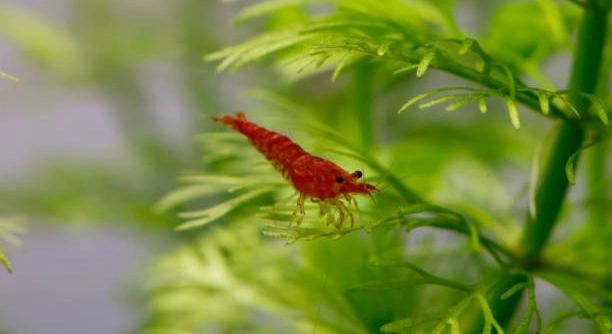
Cherry shrimp are tiny, colorful creatures that bring life to freshwater aquariums. Many shrimp owners enjoy watching them explore plants and substrate, but keeping them healthy can feel challenging without the right conditions. Maintaining a stable environment is key.
Cherry shrimp generally do not require a heater if the ambient room temperature stays within 65-75°F (18-24°C). Heaters may be necessary in cooler climates or during winter months to prevent stress and support proper molting and reproduction.
Ensuring your shrimp thrive involves more than just temperature, and small adjustments can make a noticeable difference in their wellbeing.
Understanding Cherry Shrimp Temperature Needs
Cherry shrimp are hardy but sensitive to sudden temperature changes. In most home aquariums, room temperature is enough to keep them active and healthy. They can tolerate a range from about 65°F to 75°F, which allows flexibility for different setups. However, temperatures outside this range can slow their metabolism or stress them, affecting feeding, molting, and reproduction. Many shrimp owners notice that shrimp become less active when water is too cold, hiding more often and feeding less. Adding a heater is not always necessary but can stabilize conditions during seasonal changes. Proper placement of the tank away from drafts, windows, or direct sunlight can help maintain a steady temperature. Monitoring water temperature with a reliable thermometer ensures shrimp remain in their ideal range. Even small, gradual changes in temperature are less stressful than sudden shifts, allowing them to thrive naturally.
Maintaining stable water temperature can prevent many common health issues in cherry shrimp and support consistent activity and breeding.
Heaters offer controlled warmth but are not mandatory if your environment naturally stays within the recommended range. They provide reassurance and consistency.
When a Heater Becomes Necessary
In colder climates or during winter, tanks can drop below 65°F, which slows shrimp activity and can increase mortality. A small heater helps maintain a consistent temperature, especially in rooms with fluctuating heat. Without supplemental heat, shrimp may struggle to molt properly or reproduce. For tanks with sensitive plants or other species that require warmth, a heater can benefit the entire ecosystem. Using an adjustable, submersible heater allows precise control without risking overheating. Monitoring daily ensures the temperature stays within safe limits, avoiding spikes or drops. Heaters with built-in thermostats are ideal for small tanks, preventing extreme fluctuations that could stress shrimp.
Choosing a heater involves considering tank size, power, and placement. A properly selected heater ensures even heat distribution and avoids localized hot spots. Compact heaters fit well in small tanks without crowding the space, while larger tanks may require stronger models. Placement near water circulation points helps maintain uniform warmth. Some shrimp owners combine heaters with insulated tank covers to reduce heat loss during colder months. Regular monitoring and maintenance of the heater prevent malfunctions that could harm shrimp. A consistent environment not only supports shrimp health but also encourages vibrant coloration, active feeding, and successful breeding. Over time, proper heating practices simplify tank management and reduce stress for the shrimp, creating a more stable, thriving aquarium.
Tank Setup Considerations
Proper tank setup reduces the need for a heater. Cherry shrimp thrive in well-planted tanks with hiding spots, gentle filtration, and stable water parameters. Avoid placing the tank near windows or heating vents that cause temperature swings.
Substrate choice impacts water stability. Fine gravel or sand allows plants to root properly, supporting natural behavior. Mosses and floating plants help maintain humidity and create microhabitats, which keep shrimp comfortable. Adequate hiding spots reduce stress, especially during molting. A low-flow filter ensures clean water without disturbing shrimp. Lighting should match plant needs but not overheat the tank. Consistent maintenance and partial water changes help keep water chemistry stable, reducing temperature stress.
Regular monitoring is key. Even without a heater, small fluctuations can affect shrimp activity. Using a thermometer helps track changes, while adjusting placement or insulating the tank can prevent extreme shifts. Consistency in water conditions supports molting, feeding, and breeding behaviors. Small adjustments, like adding more plants or rearranging décor, can stabilize microenvironments. Observing shrimp daily lets you notice stress signs early, ensuring they remain active and healthy.
Feeding and Nutrition Impact
Proper nutrition supports shrimp health and temperature tolerance. High-quality pellets, algae wafers, and blanched vegetables provide essential nutrients. Avoid overfeeding, as excess food decays and alters water quality.
Balanced feeding affects growth and reproduction. Cherry shrimp rely on protein and plant matter to molt successfully and maintain vibrant coloration. Regular feeding at consistent intervals reduces stress and encourages activity. Supplementing with occasional live or frozen foods like daphnia or brine shrimp improves dietary variety. Monitoring leftover food prevents water contamination, which can otherwise lead to ammonia spikes and impact shrimp wellbeing. Feeding schedules should align with tank temperature, as colder water slows metabolism, requiring less food.
A varied diet strengthens immunity, enhances coloration, and encourages breeding. Observing feeding behavior also helps detect health issues early. Consistent nutrition paired with stable water conditions ensures shrimp remain active and resilient, even if the tank temperature dips slightly. By adjusting food types and quantities according to shrimp size and activity, the tank remains balanced, reducing stress from environmental changes. Regular observation and small feeding adjustments create a healthier, more vibrant shrimp population.
Water Quality Essentials
Stable water parameters are crucial for cherry shrimp health. Ammonia and nitrite levels must remain at zero, while nitrates should stay low. pH should range between 6.5 and 8.0 to support molting and reproduction.
Temperature fluctuations can stress shrimp and reduce immunity. Regular partial water changes maintain balance, while a reliable thermometer helps track daily variations. Keeping water clean prevents disease and encourages active behavior, even without a heater.
Monitoring Tank Temperature
Using a thermometer allows precise monitoring of tank conditions. Regular checks help identify minor changes before they stress shrimp. Sudden drops or spikes can be mitigated by adjusting tank placement or adding insulation. Consistency in temperature helps shrimp feed, molt, and reproduce reliably.
Signs Your Shrimp Need Heat
Shrimp becoming sluggish, hiding excessively, or showing slowed molting can indicate cold stress. Observing these behaviors early helps prevent long-term health issues and maintains vibrant activity.
Seasonal Temperature Management
During colder months, room temperature may drop below the ideal range. Simple adjustments like insulating the tank or using a small heater ensure shrimp remain active. Gradual, controlled warmth reduces stress and supports feeding and breeding behaviors.
FAQ
Do cherry shrimp survive in unheated tanks?
Yes, cherry shrimp can survive in unheated tanks if the ambient room temperature remains between 65°F and 75°F. They are hardy creatures that tolerate minor temperature fluctuations, but sudden drops or extreme cold can cause stress. Observing shrimp behavior helps determine if additional heat is necessary.
What happens if the water gets too cold?
Cold water slows shrimp metabolism, making them less active and less likely to feed. Molting can become irregular or fail entirely, which can lead to injuries or death. Prolonged exposure to low temperatures also reduces breeding success and overall health. Maintaining a stable environment is key.
Can cherry shrimp live in warm water without a heater?
Yes, if the ambient temperature naturally falls within their preferred range, heaters are not needed. Excessively warm water above 80°F, however, can reduce oxygen levels and stress shrimp. Monitoring water and tank conditions ensures their environment stays safe and comfortable.
How do I know if my shrimp are stressed by temperature?
Shrimp showing unusual hiding, lethargy, or reduced feeding may be stressed by temperature changes. Molting issues, discoloration, and slow movement are also signs. Using a thermometer and keeping an eye on their daily activity helps detect problems early.
Do heaters improve breeding in cherry shrimp?
Heaters can improve breeding if the tank is too cold for optimal reproduction. Stable, slightly warmer water encourages regular molting and egg development. However, if temperatures are already within their ideal range, a heater is unnecessary. Gradual and controlled warmth produces better results than sudden changes.
Can small tanks survive without a heater?
Small tanks can survive without a heater if room temperature is stable. They are more prone to fluctuations, so insulation or careful placement away from drafts helps. Monitoring with a thermometer ensures that the water stays within a safe range.
What type of heater is best for cherry shrimp?
Submersible heaters with adjustable thermostats are ideal. They provide consistent warmth without creating hot spots, and compact models fit small tanks easily. Placing the heater near circulation points helps distribute heat evenly, ensuring the entire tank stays within a safe temperature range.
How often should I check the water temperature?
Daily monitoring is recommended, especially during seasonal changes. Even small shifts can affect shrimp behavior and health. Thermometers help track fluctuations and guide adjustments, whether through tank placement, insulation, or using a heater. Consistent checks prevent stress and support healthy activity.
Can plants affect the need for a heater?
Yes, heavily planted tanks help stabilize water temperature by reducing evaporation and providing microhabitats. Plants also create hiding spots, which reduces stress during colder periods. Strong plant coverage can sometimes reduce the need for a heater if room temperature remains stable.
Are there alternatives to heaters in cold rooms?
Insulating the tank, using room dividers, or placing it away from drafts and windows can help. Small space heaters near the tank may provide indirect warmth. These methods stabilize the environment without directly heating the water, which can be sufficient in mildly cold conditions.
Does water circulation impact temperature stability?
Yes, proper circulation ensures even temperature distribution throughout the tank. Poor circulation can create cold spots where shrimp may hide and become stressed. Filters and pumps help maintain uniform conditions, supporting healthy activity and feeding behaviors.
How fast should I adjust temperature if needed?
Temperature changes should be gradual, increasing or decreasing by no more than a few degrees per day. Sudden shifts are stressful and can cause molting issues, illness, or death. Using heaters with thermostats or small incremental adjustments ensures shrimp remain comfortable.
Can shrimp acclimate to slightly cooler water?
Yes, cherry shrimp can acclimate to small changes, but extreme drops are harmful. Gradual adjustments over several days allow their metabolism to adapt, reducing stress and maintaining molting and feeding routines. Careful observation ensures they tolerate the change safely.
What signs show shrimp are comfortable in their tank?
Active swimming, regular feeding, frequent molting, and bright coloration indicate comfort. Shrimp explore plants and substrate without hiding excessively. Observing consistent behavior over time confirms the environment is stable and temperatures are suitable.
Is it necessary to use a heater year-round?
No, heaters are only necessary if room temperatures fall below the ideal range or fluctuate significantly. In temperate rooms, natural ambient conditions may be sufficient year-round. Monitoring ensures shrimp remain healthy without constant heating, saving energy and reducing equipment needs.
Can using a heater too much harm shrimp?
Yes, overheating or uneven heat distribution can stress shrimp, reduce oxygen levels, and slow growth. Always set heaters to recommended ranges, avoid hot spots, and monitor daily to prevent accidental damage while providing controlled warmth.
How does temperature affect shrimp lifespan?
Stable temperatures within the preferred range support normal activity, molting, and reproduction, extending lifespan. Stress from cold or heat can shorten life expectancy and increase susceptibility to disease. Maintaining consistency is critical for long-term shrimp health.
What other factors interact with temperature?
Water quality, feeding, and tank setup all interact with temperature. Poor water quality amplifies stress from cold or heat, while proper nutrition supports resilience. Hiding spots, plants, and gentle filtration help shrimp cope with minor fluctuations, keeping them healthy even if temperatures vary slightly.
Can I combine multiple methods for temperature control?
Yes, using insulation, careful placement, and a small heater together creates a stable environment. Each method supports the other, ensuring minimal stress. Combining approaches is especially helpful in colder months or in rooms with unpredictable temperatures.
How long should I observe shrimp after temperature changes?
Observe daily for at least a week after any adjustment. Monitor activity, feeding, molting, and coloration. Gradual changes are easier for shrimp to handle, but consistent observation ensures problems are detected early before they impact health.
Do cherry shrimp need seasonal adjustments?
In areas with significant seasonal changes, small adjustments like insulation, minor heating, or relocating the tank help maintain stable conditions. These precautions prevent stress, support molting, and encourage regular feeding and reproduction. Consistency is more important than drastic seasonal changes.
Are there visual cues for water that is too cold or warm?
Shrimp hiding, clustering at the bottom, or reduced movement indicate cold stress. Rapid breathing or erratic swimming may indicate heat stress. Observing these behaviors allows timely adjustments, protecting shrimp before health declines.
Can small heaters handle micro-tanks effectively?
Yes, compact heaters designed for small tanks are effective. Adjustable thermostats prevent overheating, and placement near circulation points ensures even warmth. They provide reliable control for tanks where ambient temperature alone may be insufficient.
Do heaters affect tank plants or other inhabitants?
If set correctly, heaters have minimal impact. Overheating can stress sensitive plants or fish. Monitoring temperature and avoiding spikes ensures the entire ecosystem, including shrimp, plants, and other inhabitants, thrives without harm.
How often should heaters be maintained?
Regularly check for signs of wear, buildup, or malfunction. Clean heaters according to manufacturer instructions, and verify thermostat accuracy. Proper maintenance prevents failures that could harm shrimp, ensuring consistent, safe operation over time.
Can heaters improve shrimp coloration?
Yes, stable temperatures support healthy metabolism and regular feeding, which enhances natural coloration. Stress from cold or fluctuating water can dull colors, so consistent warmth contributes to vibrant, visually appealing shrimp.
Are there risks using heaters in small tanks?
Yes, overheating or creating hot spots can harm shrimp and other tank inhabitants. Use small, adjustable heaters with thermostats, monitor daily, and ensure even heat distribution to minimize risks. Safe practices prevent accidental injury or stress.
Do cherry shrimp prefer gradual temperature changes?
Absolutely. Gradual shifts allow metabolism to adjust, supporting normal feeding, molting, and reproduction. Sudden changes create stress, which can result in hiding, molting failures, or mortality. Monitoring and patience are key to maintaining healthy shrimp.
Can temperature issues be fixed without a heater?
Yes, insulation, tank relocation, or room temperature control can stabilize water without a heater. These methods are effective for mild fluctuations, though heaters provide precise control when needed. Observing shrimp behavior helps determine the best approach.
How important is daily observation for temperature management?
Daily observation is critical. Even minor changes affect shrimp activity, feeding, and molting. Thermometers and watching shrimp behavior allow early detection of problems. Prompt adjustments prevent stress and maintain a healthy, active tank environment.
Are there long-term benefits to stable temperatures?
Yes, consistent temperatures support regular molting, reproduction, and feeding patterns. Shrimp remain more active, colorful, and resilient. Long-term stability reduces disease risk and enhances overall tank health, making maintenance easier and shrimp more vibrant.
Final Thoughts
Maintaining cherry shrimp in a home aquarium is a careful balance of several factors, and temperature plays an important role. While cherry shrimp are hardy creatures, they still respond strongly to changes in their environment. A tank that experiences sudden or extreme fluctuations in temperature can quickly cause stress, affecting feeding, molting, and breeding. Observing shrimp behavior is one of the best ways to determine if conditions are suitable. Active shrimp that explore the tank, feed regularly, and molt without issues generally indicate a stable environment. Even without a heater, a room that consistently stays between 65°F and 75°F can support healthy shrimp, but any drop below this range may require small adjustments to avoid stress. In colder climates or during winter months, adding a heater ensures that temperatures remain within this ideal range, supporting both health and reproduction.
Proper tank setup complements temperature management and can reduce the need for additional heating. Well-planted tanks with hiding spots, gentle filtration, and stable water parameters create microhabitats that naturally buffer temperature changes. Plants help maintain humidity and reduce the impact of minor drops in ambient temperature. Using a thermometer to monitor daily fluctuations helps detect any subtle changes before they become a problem. Partial water changes and careful feeding also help maintain balance, preventing stress that might result from poor water quality. A gradual approach to any adjustments, whether it is adding a heater or moving the tank away from drafts, ensures that shrimp adapt comfortably. Observing shrimp daily allows early detection of stress signs like hiding, lethargy, or irregular molting, which can be addressed before they impact overall health.
Nutrition, water quality, and consistent care all work together with temperature management to keep cherry shrimp thriving. A varied diet of high-quality pellets, algae wafers, and vegetables strengthens immunity and encourages natural behavior. Stable water parameters, proper filtration, and adequate plant coverage support a healthy environment that allows shrimp to molt properly and reproduce. Even in tanks without heaters, small adjustments like insulation, tank placement, and monitoring can create a stable habitat. Over time, maintaining consistent conditions becomes easier and ensures that shrimp remain active, colorful, and healthy. By combining these practices, shrimp owners can enjoy a balanced, thriving aquarium where the shrimp flourish naturally, even if a heater is not always necessary.

Hello,
If you enjoy the content that we create, please consider saying a "Thank You!" by leaving a tip.
Every little bit helps us continue crafting quality advice that supports the health, happiness, and well-being of pets around the world, for pets of all shapes, sizes, and species.
We really appreciate the kindness and support that you show us!