
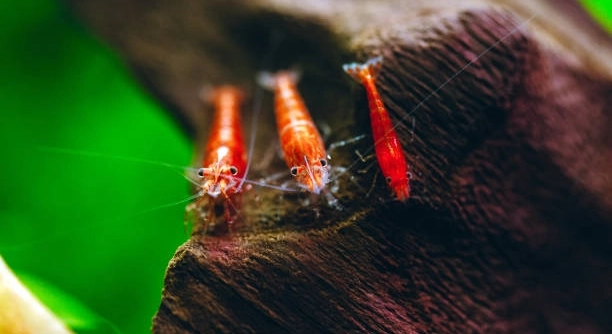
Have you ever watched your cherry shrimp glide around their tank, moving with quick bursts of energy that seem almost playful and rhythmic, creating a scene that adds a calming touch to your aquatic space.
Cherry shrimp often swim in circles due to environmental stimuli, social interactions, or changes in water conditions. This behavior reflects natural foraging patterns, territorial adjustments, and mild stress responses, helping them preserve stability and adapt efficiently within their aquatic environment.
This simple behavior reveals meaningful patterns in their daily routines, guiding you toward a understanding of their needs and comfort.
Common Reasons Behind Circular Swimming
Cherry shrimp often rely on small movements and patterns to communicate comfort or alertness within their tank, and circular swimming is one of the clearest behaviors to observe when you want to understand how they respond to their surroundings. I have noticed that this movement feels more pronounced when shrimp explore fresh spaces, test new hiding areas, or react to minor shifts in water quality that they sense before you do. Their natural curiosity keeps them active, and this steady motion helps them maintain awareness while keeping their tiny bodies engaged. When several shrimp behave this way at the same time, it often shows that they are adjusting to something subtle in the environment, such as a shift in current or changes in lighting. These moments offer helpful insight into their daily routines, giving you a chance to support their comfort by watching their patterns with care and attention daily.
These steady movements highlight the ways shrimp react to shifts in their environment, allowing you to understand their needs with clarity. Watching these patterns helps you notice small changes early, supporting a balanced tank that keeps your shrimp active, secure, and comfortable throughout their daily routine in a consistent way.
Observing circular swimming can help you learn more about the small details that influence shrimp behavior, especially when changes in their surroundings happen without warning. I find that paying attention to movement patterns gives a clearer sense of how stable the tank feels for them at any moment. This behavior becomes especially noticeable when food particles drift through the water or when shrimp test unfamiliar objects added to the tank. Their movements can reveal comfort, interest, or mild stress, and recognizing these signs allows you to respond with gentle adjustments that keep their environment steady and supportive for their needs.
How Tank Conditions Influence This Behavior
Tank conditions shape shrimp behavior in noticeable ways, especially when water quality shifts or new elements are introduced. Stable parameters help reduce stress, while consistent maintenance supports smooth daily movement. Paying close attention to their actions helps you address small concerns before they affect your shrimp more deeply each day.
Maintaining proper tank conditions plays a significant role in shaping how cherry shrimp behave, especially when observing circular swimming. Clean water, steady temperature, and good filtration form the foundation of a space that keeps shrimp comfortable and active. I have found that even small changes can influence their behavior, making it important to track water parameters with care. When ammonia or nitrite begins to rise, shrimp can become restless, and circular movement often increases as they react to discomfort. Adequate oxygen levels also support their well being, allowing them to move naturally without signs of stress. A balanced tank layout with plants, hiding spots, and smooth surfaces helps shrimp feel secure while encouraging normal activity. Strong currents can sometimes trigger circular patterns, especially if shrimp are adjusting to new flow levels, so maintaining gentle movement in the water is helpful. Regular water changes make a meaningful difference by reducing buildup that shrimp are sensitive to, creating a cleaner environment that limits unnecessary stress. Keeping feeding consistent prevents leftover food from disrupting water quality, allowing the shrimp to focus on natural foraging instead of reacting to unfavorable conditions. When all of these elements remain stable, shrimp display calmer patterns that reflect
Behavioral Signs to Watch For
Circular swimming becomes more noticeable when shrimp react to shifts in their environment or adjust to new elements in the tank. I pay attention to how often it happens, because repeated movement can indicate that something small is influencing their comfort or routine.
When shrimp move in steady circles for longer periods, it often suggests they are responding to changes in water parameters, lighting, or fresh additions to the tank. I’ve seen this behavior increase when tiny particles drift through the water or when the tank’s current becomes slightly stronger. Shrimp rely on movement to understand their surroundings, so repeated circling can reflect mild stress, natural exploration, or a heightened reaction to something new. Watching their pace, direction, and posture helps reveal whether they are simply energetic or trying to adjust to something that needs attention within their space.
You might also notice that circular swimming appears during feeding times, especially when shrimp sense drifting food and begin foraging more actively. This behavior can show excitement, but if it continues long after feeding, it may point to environmental shifts that require gentle adjustments. I’ve found that observing how they move around plants, decorations, and open spaces gives a clearer picture of their comfort level. Calm, steady circling usually indicates natural interest, while frantic motion can suggest that something in the tank is affecting their overall stability and well being.
When You Should Be Concerned
Concerns usually arise when circular swimming becomes persistent, frantic, or paired with other signs of discomfort, such as hiding more than usual or moving erratically. I try to look for changes in their routine to understand what may be affecting their stability and comfort.
If circular swimming becomes constant or increasingly intense, it often reflects a shift in water quality that needs attention right away. I’ve seen shrimp react strongly to rising ammonia or nitrite, making early detection important for their safety. Paying close attention to their breathing, color, and movement helps identify whether stress is building. Sometimes, shrimp become more active when oxygen levels drop or when the tank’s current becomes uneven, leading them to move unpredictably as they try to adjust. Other times, they may respond to temperature fluctuations that occur too quickly. Regular maintenance, steady water changes, and careful monitoring help prevent these issues, offering the shrimp a stable environment that keeps their behavior calm and predictable.
How Lighting Affects Movement
Lighting changes can influence how shrimp move, especially when brightness shifts too quickly. I’ve noticed circular swimming increase when lights turn on suddenly or stay too bright for long periods, making the shrimp more alert and reactive than usual during their daily routine.
A softer lighting schedule with gradual transitions helps reduce sudden reactions. When the tank light mimics a natural pattern, shrimp settle into calmer movements and show fewer signs of restlessness. Gentle lighting creates a stable environment that supports predictable behavior and keeps their activity balanced and steady.
The Role of Tank Layout
A well arranged tank encourages natural movement and creates spaces where shrimp feel secure. Plants, smooth surfaces, and balanced open areas help shape their behavior in noticeable ways. I’ve found that cluttered tanks lead to more frantic movement, while spacious layouts support gentle, steady patterns. When shrimp can navigate easily, they show clearer signs of comfort. Creating safe zones with plants and hiding spots reduces stress, and adjusting the layout slowly helps them adapt without overwhelming changes. Consistent structure allows shrimp to explore without reacting strongly to sudden shifts.
Importance of Consistent Routines
Consistent routines help shrimp feel secure, especially when feeding, lighting, and maintenance stay predictable. I’ve seen calmer behavior and fewer sudden movements when the tank remains steady, allowing the shrimp to respond naturally instead of reacting to unexpected changes that disrupt their sense of balance.
FAQ
Why do cherry shrimp sometimes swim in circles after feeding?
This behavior is often linked to their natural foraging instinct. I’ve noticed that when food drifts through the water, shrimp begin moving in circular patterns to locate and capture it efficiently. It can be a sign they are engaged, active, and responding to the presence of nutrients in their tank. If the circling continues long after feeding, it may indicate that leftover food is impacting water quality, which can increase activity as they react to small changes in their environment.
Is circular swimming a sign of stress in cherry shrimp?
Not always. Mild, occasional circling can be normal exploratory behavior. However, I watch for persistent, frantic, or repetitive circling combined with hiding, discoloration, or lethargy. These signs can point to stress caused by poor water quality, temperature shifts, or overcrowding. Addressing these factors promptly helps the shrimp return to calm, natural movement.
Can water quality affect circular swimming patterns?
Absolutely. Shrimp are highly sensitive to changes in ammonia, nitrite, and nitrate levels. I regularly test my tank because even small fluctuations can trigger circular swimming as shrimp attempt to adjust. Consistent water changes and monitoring help keep behavior steady, preventing stress-related activity.
Do tank mates influence this behavior?
Yes, other tank inhabitants can affect movement. I’ve observed shrimp swim in circles more frequently when startled by active fish or larger species nearby. They may also circle during social interactions with other shrimp, either as part of playful activity or minor territorial adjustments. Understanding their dynamics helps minimize unnecessary stress.
How does temperature impact circular swimming?
Temperature fluctuations influence shrimp metabolism and movement. I’ve noticed that slightly warmer water can increase activity and circling, while cooler water slows movement. Maintaining stable temperatures within the recommended range helps regulate energy levels and keeps their behavior predictable and healthy.
Can lighting schedules make shrimp circle more often?
Lighting changes play a role. Sudden bright light can cause temporary circling as shrimp adjust, while gradual, consistent lighting keeps them calmer. I set timers to ensure a predictable cycle, which supports steady activity and reduces abrupt or erratic swimming patterns caused by unexpected light shifts.
Is circular swimming more common in certain life stages?
Juvenile shrimp tend to circle more frequently as they explore and learn their environment. Adults may show it less unless reacting to environmental changes. I keep this in mind when introducing new shrimp, ensuring they have gentle conditions to explore safely without stress.
Should I rearrange the tank if shrimp swim in circles often?
Rearranging should be done gradually. I’ve learned that sudden changes can increase circling temporarily as shrimp adjust to new hiding spots or open spaces. Gradual adjustments help maintain calm behavior while improving navigation and comfort within the tank.
Does diet influence circular swimming?
Yes, diet affects activity levels. Shrimp that are well-fed but not overfed display natural circling during foraging. Excess food, however, can degrade water quality and increase restless movement. I carefully balance feeding amounts to support normal behavior without creating stress from environmental changes.
Can excessive tank currents trigger circular swimming?
Strong or uneven currents often lead to continuous circling as shrimp try to stabilize themselves. I’ve found that adjusting filter output and creating calm zones allows shrimp to move naturally without overexertion, helping them maintain predictable, steady patterns and reducing unnecessary stress in the tank.
How long is normal circular swimming?
Short bursts of circling lasting a few minutes are typical and part of natural exploration. I pay attention when the behavior extends for hours or becomes frantic, as this usually indicates environmental factors that need adjustment, like water quality, temperature, or tank layout.
Does circular swimming affect shrimp health?
Occasional circling is harmless and reflects normal activity. Persistent, high-energy circling paired with other stress indicators may signal issues that could impact health. I monitor both behavior and water parameters to ensure that shrimp remain comfortable, active, and healthy in their environment.
This FAQ highlights the main factors influencing circular swimming, showing how environmental conditions, social dynamics, and daily routines all play a role in shaping shrimp behavior. Monitoring these aspects closely helps maintain a balanced, stable tank where shrimp thrive naturally.
Final Thoughts
Watching cherry shrimp swim in circles can seem curious at first, but it is often a normal part of their behavior. In my experience, circling is usually connected to how they interact with their environment, including the layout of the tank, the presence of food, and the conditions of the water. Paying attention to these patterns gives insight into their comfort and overall well-being. Observing how frequently they circle, how quickly they move, and under what circumstances allows you to see whether the behavior is natural or a sign of stress. Often, circling is simply part of their exploration, as they learn about the space around them or respond to gentle changes in their surroundings.
Environmental stability plays a crucial role in maintaining calm, predictable behavior. I have found that keeping water parameters steady, such as temperature, pH, and ammonia levels, helps shrimp feel secure and reduces the likelihood of prolonged or frantic circling. Lighting schedules and tank arrangement also influence movement, with sudden changes sometimes triggering temporary bursts of activity. Including plants, hiding spots, and smooth surfaces creates a supportive environment that encourages natural movement and helps shrimp navigate the tank with ease. By monitoring these factors and making gradual adjustments when necessary, it is possible to maintain a space where shrimp can express normal behavior without added stress. Feeding routines also affect activity, as shrimp respond to food availability. Offering the right amount of nutrition supports healthy behavior while preventing overfeeding, which can negatively impact water quality and provoke restless movement.
Behavior is often the best indicator of shrimp health and comfort. I have learned that circling alone is not usually a problem, but when combined with other signs such as hiding, discoloration, or lethargy, it can signal that intervention is needed. Observing their behavior over time allows for early detection of environmental issues and provides an opportunity to make simple adjustments that improve overall well-being. Consistency in daily care and careful attention to changes in movement patterns ensures that shrimp remain active, healthy, and secure in their habitat. Understanding the reasons behind circular swimming helps create a tank environment that supports natural behavior and minimizes stress, allowing shrimp to thrive while maintaining a stable and enjoyable aquatic setting.

Hello,
If you enjoy the content that we create, please consider saying a "Thank You!" by leaving a tip.
Every little bit helps us continue crafting quality advice that supports the health, happiness, and well-being of pets around the world, for pets of all shapes, sizes, and species.
We really appreciate the kindness and support that you show us!