
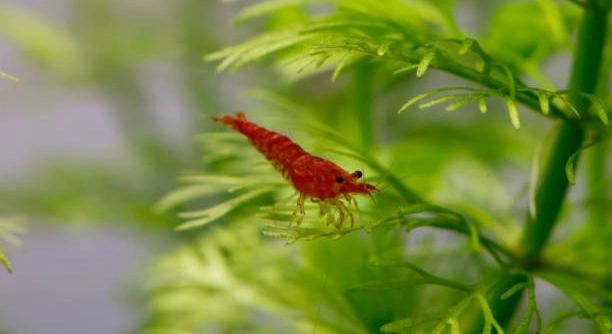
Cherry shrimp are small, colorful freshwater creatures that often catch the attention of aquarium enthusiasts. They are known for their delicate appearance and gentle behavior, making them a popular choice for home aquariums.
Cherry shrimp do contribute to cleaning a tank by consuming algae, leftover food, and detritus. However, their cleaning capacity is limited and should not replace regular maintenance or proper filtration for a healthy aquatic environment.
Even though their efforts are helpful, understanding their role in the ecosystem can help you maintain a cleaner, balanced tank for longer.
How Cherry Shrimp Help Keep the Tank Clean
Cherry shrimp are small but surprisingly effective cleaners in a freshwater tank. They eat leftover fish food, algae, and tiny organic particles that settle on surfaces. Watching them scuttle across plants and decorations can be satisfying, knowing they are helping maintain some balance. While they do not replace regular maintenance, their activity reduces the amount of visible debris. Their small size allows them to reach nooks and corners that are difficult to clean manually. Over time, having a group of these shrimp can help prevent excessive algae buildup. Their constant grazing helps slow the growth of biofilm and keeps surfaces looking cleaner. Even small amounts of uneaten food that would otherwise decompose are removed by their foraging. Despite their cleaning efforts, it is still necessary to perform routine water changes and monitor water quality. Combining proper care and the shrimp’s natural behavior ensures a healthier tank environment for all inhabitants.
Their cleaning impact is noticeable but limited, especially in larger tanks with heavier bioloads.
Cherry shrimp are easy to keep and can adapt to most freshwater tanks. Providing hiding spots and plants improves their comfort and encourages active foraging. They prefer stable water conditions with moderate temperature and pH levels. Feeding them a varied diet alongside natural algae helps maintain health and coloration. While they help with minor cleaning, adding too many shrimp in a small tank can cause overcrowding. Monitoring their population and tank cleanliness ensures the ecosystem remains balanced. Regular observation allows you to notice when algae or leftover food exceeds their capacity to manage. Integrating cherry shrimp with other tank maintenance practices, like gentle water circulation and substrate cleaning, enhances their effect. Their peaceful nature also makes them compatible with many small fish, allowing coexistence without stress. Over time, the combination of natural grazing and attentive care keeps the tank visually appealing and healthier for all creatures.
Limitations of Cherry Shrimp Cleaning
While helpful, cherry shrimp cannot replace manual tank maintenance. Their small size limits the amount of debris they can handle.
Cherry shrimp are excellent for minor cleaning tasks, but they cannot manage excessive algae growth, large waste deposits, or water quality issues. Regular cleaning, water changes, and proper filtration remain essential. Understanding their limitations ensures a healthier tank for all aquatic life.
Feeding Habits That Affect Tank Cleanliness
Cherry shrimp spend much of their time grazing on algae and leftover food. Their constant activity helps reduce debris, but overfeeding fish can quickly overwhelm their cleaning ability, making tank maintenance still necessary.
Providing a balanced diet ensures cherry shrimp remain healthy and active cleaners. They benefit from occasional algae wafers, blanched vegetables, and specialized shrimp pellets. Feeding too frequently or giving large portions can lead to leftover food settling in the substrate, which shrimp cannot fully consume. Monitoring the amount of food introduced to the tank is essential, as uneaten food contributes to water quality issues. Observing their grazing patterns also helps determine if the feeding routine is appropriate. By combining careful feeding with their natural cleaning behavior, the tank stays cleaner and healthier, reducing the risk of excessive algae buildup. Active and healthy shrimp are more likely to reach hidden spots, helping maintain a more balanced environment.
Shrimp will often nibble on plant leaves or decorations, picking up tiny particles along the way. Their foraging encourages movement of sediment, which can prevent harmful buildup.
Tank Conditions That Support Cleaning
Stable water parameters are crucial for cherry shrimp to remain active cleaners. Sudden changes in temperature or pH can stress them, reducing their ability to forage effectively.
Maintaining clean water with consistent temperature, pH, and hardness levels allows cherry shrimp to function properly. They thrive in aquariums with gentle filtration and moderate flow, which prevents debris from accumulating too quickly. Providing plants, moss, and hiding spots encourages natural grazing behavior while keeping shrimp comfortable and less stressed. Poor water conditions can lead to inactivity, molting issues, or even death, all of which drastically reduce their cleaning contributions. Regular monitoring of ammonia, nitrite, and nitrate levels ensures the tank environment remains suitable. By prioritizing stable conditions and a safe habitat, cherry shrimp can actively graze, helping control algae and small debris while complementing routine maintenance.
Common Misconceptions About Cherry Shrimp Cleaning
Many people assume cherry shrimp can completely clean a tank on their own. While they help with small debris, they cannot replace filtration or water changes.
Some believe adding more shrimp will solve all cleanliness issues. Overcrowding can stress them and reduce their effectiveness, making proper maintenance still necessary.
Combining Cherry Shrimp With Other Tank Cleaners
Cherry shrimp work best when paired with other small, peaceful tank cleaners like snails or certain fish. This combination helps manage algae and leftover food more efficiently. Each species contributes differently, creating a more balanced and cleaner environment without overloading any single species.
Observing Shrimp Behavior for Better Cleaning
Active, healthy shrimp are more effective at removing debris. Watching them graze regularly helps you gauge their impact on tank cleanliness.
FAQ
Do cherry shrimp eat all types of algae in the tank?
Cherry shrimp mainly eat soft algae that grows on plants, decorations, and glass. They prefer green algae and biofilm over tougher algae like black beard or brown algae. While they help slow algae growth, they cannot fully eliminate more stubborn types, so regular tank maintenance is still necessary.
How many cherry shrimp are needed to help keep a tank clean?
The number depends on tank size and bioload. A small group of five to ten shrimp can manage light algae and leftover food in a small tank. Larger tanks require more shrimp, but overstocking can lead to stress, aggression, and reduced effectiveness. Balancing shrimp population with tank conditions is essential.
Can cherry shrimp survive only on algae and leftover food?
No, they need additional food to stay healthy. Relying solely on algae and leftovers may cause malnutrition, dull colors, and slower growth. Supplementing with shrimp pellets, blanched vegetables, or algae wafers ensures they remain active and capable of contributing to tank cleanliness.
Do cherry shrimp clean the bottom substrate effectively?
They can pick up some debris from the substrate, especially leftover food particles, but they do not fully clean sand or gravel. Regular vacuuming or siphoning is still required to maintain proper substrate hygiene, as shrimp grazing alone is not enough.
Will cherry shrimp clean a tank with large fish?
Shrimp can coexist with small, peaceful fish, but larger or aggressive fish may eat them, reducing their cleaning effectiveness. It’s important to match shrimp with compatible tank mates to allow them to forage safely and contribute to cleanliness.
How often should I feed cherry shrimp to support their cleaning role?
Feeding small amounts two to three times a week is usually sufficient. Overfeeding can leave excess food in the tank, which even active shrimp cannot fully consume. Balanced feeding maintains their health and enhances their natural cleaning activity without harming water quality.
Do cherry shrimp need plants to clean effectively?
Plants provide surfaces for algae growth and hiding spots for shrimp, encouraging grazing and reducing stress. Tanks without plants may see less efficient cleaning, as shrimp have fewer areas to explore and forage, limiting their impact on debris and algae.
Can cherry shrimp survive in tanks with poor water quality?
Poor water conditions can stress shrimp, reduce activity, and even cause death. They are more effective cleaners when water parameters are stable, with proper temperature, pH, and filtration. Regular water changes and monitoring are crucial to support their natural foraging behavior.
Do baby shrimp clean the tank as well as adults?
Juvenile shrimp are less effective at cleaning because of their smaller size and limited mobility. Adults are stronger grazers and more capable of reaching algae and food in harder-to-access areas. Ensuring a mix of ages can maintain consistent cleaning over time.
Is it necessary to have other tank cleaners if I have cherry shrimp?
Yes, relying solely on cherry shrimp is not enough. Combining them with snails, small fish, or other peaceful cleaners helps manage debris and algae more efficiently. Each species contributes in different ways, creating a healthier and more balanced tank ecosystem overall.
Do cherry shrimp clean decorations and hard-to-reach areas?
They can reach small nooks and surfaces that are difficult for humans to clean. However, they may not remove all debris, so occasional manual cleaning is still needed to keep decorations fully clean and prevent buildup in hidden spots.
Can cherry shrimp survive in tanks with strong currents?
Strong water flow can stress shrimp, making them less likely to graze actively. Gentle filtration and moderate water movement are ideal. This allows shrimp to focus on cleaning tasks without being overwhelmed by the current, helping them maintain a healthy and active presence in the tank.
How long do cherry shrimp live and remain effective cleaners?
Cherry shrimp typically live one to two years. They are most active in their first year, during which their cleaning contributions are strongest. Proper care, stable water conditions, and adequate food help maximize their lifespan and effectiveness in maintaining a cleaner tank.
Do cherry shrimp need special care to stay healthy and clean efficiently?
Yes, they require stable water conditions, proper diet, and safe tank mates. Stress, poor nutrition, or unsuitable water parameters can reduce activity and cleaning efficiency. Paying attention to their environment ensures they remain active grazers, supporting a healthier and cleaner tank overall.
Can cherry shrimp clean an overgrown or heavily neglected tank?
They can help with minor debris, but they cannot fix severe algae overgrowth or heavily neglected conditions. Manual cleaning, water changes, and proper tank management are still required. Cherry shrimp are a supportive element in tank maintenance, not a complete solution.
Do seasonal changes affect their cleaning behavior?
Yes, temperature fluctuations and seasonal variations in light can impact shrimp activity. Cooler water may slow them down, while warmer, stable conditions promote more active grazing. Maintaining consistent conditions helps ensure their cleaning behavior remains reliable throughout the year.
Cherry shrimp are small but useful additions to a freshwater tank. They help manage minor algae growth, leftover food, and tiny particles that settle on surfaces. Their constant grazing across plants, decorations, and substrate reduces visible debris and keeps the tank looking tidier. While they are not a complete cleaning solution, their presence can complement regular maintenance and make tank care feel more manageable. Many hobbyists find that having a few shrimp in the tank encourages a healthier environment by keeping small areas of the tank free from excess buildup. Over time, their steady activity can help reduce algae on glass and plants, which makes routine cleaning easier and less frequent. These shrimp are naturally gentle and peaceful, which allows them to coexist with other small, non-aggressive tank inhabitants while performing their cleaning tasks.
It is important to understand that cherry shrimp have limitations in how much cleaning they can do. They cannot handle large algae infestations or significant accumulations of uneaten food and waste. Their small size and delicate nature mean that they cannot replace essential tank care, such as water changes, filtration, and substrate vacuuming. Providing proper water conditions, food, and shelter supports their health and makes them more active cleaners. Tanks with stable temperature, pH, and hardness levels allow shrimp to forage comfortably and maintain consistent cleaning behavior. Additionally, having plants, moss, and hiding spots encourages them to explore and graze, which increases their contribution to tank cleanliness. Overcrowding or introducing aggressive tank mates can stress the shrimp and limit their effectiveness, so careful planning and observation are necessary.
Overall, cherry shrimp are best viewed as supportive helpers rather than a sole cleaning solution. They play a valuable role in maintaining a balanced and visually appealing tank when combined with proper maintenance practices. Feeding them a balanced diet, monitoring water quality, and ensuring compatible tank mates help them thrive and stay active. Observing their behavior can indicate the general health of the tank and highlight areas where additional care may be needed. By understanding their role and limitations, you can create an environment where cherry shrimp contribute to cleaner surfaces and healthier conditions for all aquatic life. Their natural grazing complements routine maintenance, helping to reduce algae growth, remove small debris, and maintain a more balanced ecosystem. Over time, this combination of natural cleaning behavior and proper care ensures that the tank remains a comfortable and stable habitat.

Hello,
If you enjoy the content that we create, please consider saying a "Thank You!" by leaving a tip.
Every little bit helps us continue crafting quality advice that supports the health, happiness, and well-being of pets around the world, for pets of all shapes, sizes, and species.
We really appreciate the kindness and support that you show us!