
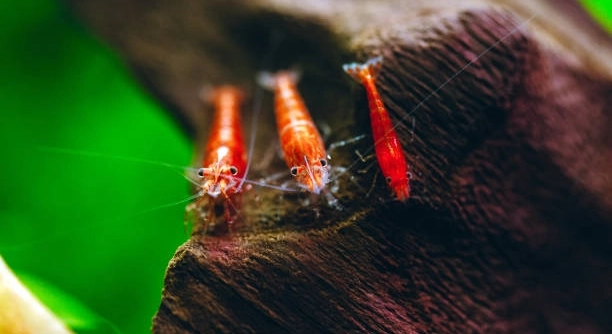
Keeping a freshwater tank is a rewarding hobby, but it often comes with questions about compatibility between different species. Many aquarists consider adding cherry shrimp to their tanks for color and activity.
Cherry shrimp can live with betta fish under certain conditions. Providing ample hiding spaces, dense plants, and monitoring betta behavior carefully can reduce risks, though individual betta temperament strongly influences the safety of cohabitation.
Proper planning and observation are essential for maintaining harmony between these species and ensuring a safe, healthy environment for both.
Understanding Betta Fish Behavior
Betta fish are known for their bright colors and flowing fins, but they can also be aggressive. Males, in particular, tend to be territorial and may attack smaller tank mates. Observing their behavior closely is essential before introducing any new species. Betta aggression is often influenced by tank size, the number of hiding places, and the personality of the individual fish. Even bettas that seem calm at first may become aggressive when they feel their territory is threatened. Providing plenty of plants, decorations, and caves can help reduce stress and create a more peaceful environment. Keeping the tank clean and maintaining stable water conditions also improves fish behavior. Gradually introducing cherry shrimp, ideally starting with a few at a time, allows you to monitor interactions and take action if signs of aggression appear. Understanding these factors can increase the chances of bettas and shrimp coexisting safely in the same tank.
Betta behavior varies greatly between individuals. Monitoring closely helps prevent attacks on shrimp or other tank inhabitants.
Careful observation and proper tank setup can make a difference in how bettas and shrimp interact, increasing harmony over time and reducing unnecessary stress.
Setting Up a Shrimp-Friendly Tank
Creating a tank environment that supports cherry shrimp involves more than just adding water and plants. A dense layout with moss, hiding spots, and leaf litter provides security for the shrimp. They can retreat when feeling threatened and establish safe zones for feeding and molting. Water parameters are also critical—shrimp prefer stable temperatures around 72-78°F and slightly acidic to neutral pH levels. Avoid sudden fluctuations in temperature or chemical levels, as these can stress or kill shrimp. Using a gentle filter and low water flow prevents shrimp from being swept away. Feeding should be consistent but not excessive; uneaten food can pollute the tank. Careful monitoring of tank conditions, along with frequent water changes, ensures shrimp health. While bettas enjoy open swimming space, balancing their needs with hiding spaces for shrimp is key. Observing interactions regularly and adjusting the layout as needed can significantly reduce conflicts and promote coexistence.
A well-structured tank helps protect shrimp while keeping the environment suitable for bettas.
Attention to hiding spots, water quality, and feeding routines ensures both species thrive together safely and comfortably.
Feeding Considerations
Cherry shrimp need a diet that is small and easy to digest. High-quality shrimp pellets, algae wafers, and blanched vegetables provide essential nutrients. Overfeeding can lead to water pollution and stress both shrimp and bettas, so portions should be carefully measured.
Shrimp are constantly grazing creatures. They consume biofilm, leftover food, and small plant matter throughout the day. Providing a mix of commercial foods and natural growth ensures their health and supports molting. Observing how much food is consumed within a few hours prevents waste. Betta fish will also eat some of the same foods, so balancing feeding times can reduce competition and ensure both species get proper nutrition.
Placing food in multiple locations encourages shrimp to explore and reduces direct encounters with bettas. Small meals spread across the tank support natural foraging and lower the chance of aggression, making feeding a calm routine for all inhabitants.
Monitoring Shrimp and Betta Interaction
Interactions between bettas and cherry shrimp must be observed daily. Some bettas ignore shrimp completely, while others may show sudden aggression. Spotting early signs of stress or attack is critical for safety.
Shrimp molting is a vulnerable time, as soft shells make them an easy target for bettas. Providing dense plant coverage and hiding spaces allows shrimp to complete molting safely. Betta behavior can also shift with age or changes in the tank, so keeping an eye on them ensures ongoing harmony. Feeding schedules and water changes may need adjustment if shrimp are being chased or stressed. Gradually introducing new shrimp in small numbers reduces risk and allows observation of compatibility before committing to larger groups. Regularly assessing tank layout, hiding options, and interactions helps maintain a safe environment.
Balancing predator-prey dynamics and creating secure zones for shrimp reduces risk of aggression while letting both species live comfortably together.
Tank Size and Space
A larger tank gives cherry shrimp more room to hide and explore. More space reduces stress and limits direct encounters with bettas, making cohabitation safer.
Crowded tanks increase aggression and stress for both species. Ensuring adequate swimming and hiding space helps maintain peace and healthy behaviors.
Water Parameters
Stable water conditions are essential for shrimp survival. Temperatures between 72-78°F, neutral pH, and low ammonia levels keep both shrimp and bettas healthy. Sudden changes can cause stress, illness, or death. Regular testing and maintenance ensure a balanced environment that supports both species.
Plant Density
Thick plants provide shrimp with safe hiding areas. Moss, ferns, and small leafy plants help them avoid betta attention and reduce stress during vulnerable times.
FAQ
Can cherry shrimp survive with aggressive bettas?
Aggressive bettas can pose a real threat to cherry shrimp. Some shrimp may survive if there are plenty of hiding places and the betta is not constantly hunting. Dense plants, caves, and moss can give shrimp safe zones to retreat to, especially during molting when they are most vulnerable. Gradual introduction of shrimp and monitoring betta behavior closely is essential. In tanks where aggression is high, it may be safer to keep shrimp in a separate tank.
How many cherry shrimp can I keep with a single betta?
The number of shrimp depends on tank size, hiding spaces, and betta temperament. In a well-planted 10-gallon tank, starting with five to ten shrimp allows for observation of interactions. Adding too many shrimp at once increases stress and chances of conflict. Monitoring the betta and ensuring there is room for shrimp to escape will help maintain balance.
Do bettas eat cherry shrimp eggs?
Yes, bettas can eat shrimp eggs if they find them. Hiding eggs in dense plants or on moss reduces the risk of predation. Shrimp often lay eggs in secure spots, but a curious or hungry betta may still find them. Observing the tank during breeding periods can help protect eggs until they hatch.
Will a betta stress out cherry shrimp?
Even non-aggressive bettas can stress shrimp if there isn’t enough space or hiding places. Constant chasing or showing interest can make shrimp hide more and eat less. Stress can lead to molting problems or illness. Providing dense plant cover and multiple escape routes helps shrimp feel safe and reduces stress-related issues.
Are certain types of bettas better with shrimp?
Some bettas are naturally calmer and less likely to attack shrimp, often ignoring them completely. Male bettas are typically more territorial, while females may coexist more peacefully. Each betta’s personality is different, so observing individual behavior is crucial before committing to a long-term setup.
What tank setup works best for shrimp and bettas together?
A planted tank with moss, floating plants, and small caves is ideal. Moderate water flow, stable temperatures between 72-78°F, and a neutral pH create a safe environment. Feeding shrimp and bettas separately reduces competition, and multiple hiding spaces allow shrimp to move freely without constant risk. Gradual introductions are essential for observing compatibility.
How can I tell if my shrimp is in danger?
Signs of stress include hiding constantly, refusing food, or unusual behavior like swimming erratically. Molting shrimp without access to safe spots are especially at risk. Monitoring betta interactions and providing additional cover immediately when signs appear can prevent injury or loss.
Is it safe to mix cherry shrimp with juvenile bettas?
Juvenile bettas may be less aggressive initially, but as they mature, aggression can increase. Starting with a small number of shrimp and observing interactions over time is recommended. Ensuring the tank is densely planted and giving shrimp escape routes improves safety during growth stages.
Do cherry shrimp require separate feeding times from bettas?
Feeding separately is helpful because bettas can outcompete shrimp for food. Shrimp graze slowly and need time to access food without being chased. Small meals placed in different areas of the tank ensure both species are nourished without creating conflict.
Can cherry shrimp live long with bettas?
Yes, with proper precautions. Dense plants, hiding spots, careful feeding, stable water parameters, and monitoring betta behavior all contribute to longer shrimp survival. While some risk is always present, attentive tank management can allow both species to live together safely for months or even years.
Keeping cherry shrimp with betta fish can be a rewarding experience if approached carefully. These small, colorful shrimp can add life and activity to a tank, but their safety largely depends on the temperament of the betta and the environment provided. Aggressive bettas may see shrimp as food, especially when the shrimp are small or molting. By paying close attention to tank setup and carefully observing interactions, it is possible to create a space where both species coexist peacefully. Hiding spots, dense plants, and multiple layers within the tank are key elements that give shrimp the chance to avoid conflict and feel secure.
Water quality and feeding routines play an important role in maintaining harmony. Shrimp are sensitive to sudden changes in temperature, pH, or water chemistry, and stressed shrimp are more likely to become easy targets for bettas. Keeping the water stable, clean, and well-oxygenated helps both shrimp and bettas remain healthy. Feeding both species appropriately and providing multiple feeding areas ensures that the shrimp get enough food without competition from the betta. Small portions spread throughout the day allow shrimp to graze naturally, while bettas can still get their own share of nutrition.
Ultimately, cohabiting cherry shrimp with bettas requires observation, patience, and careful planning. Not every betta will tolerate shrimp, and some trial and error may be needed to find a compatible combination. Monitoring behavior, offering plenty of cover, and gradually introducing shrimp in small numbers can reduce risk and stress. When these precautions are taken, both species can thrive, creating a lively and colorful aquarium. With consistent care and attention, cherry shrimp and bettas can live together safely, providing an interesting and engaging tank environment for months or even years.

Hello,
If you enjoy the content that we create, please consider saying a "Thank You!" by leaving a tip.
Every little bit helps us continue crafting quality advice that supports the health, happiness, and well-being of pets around the world, for pets of all shapes, sizes, and species.
We really appreciate the kindness and support that you show us!