
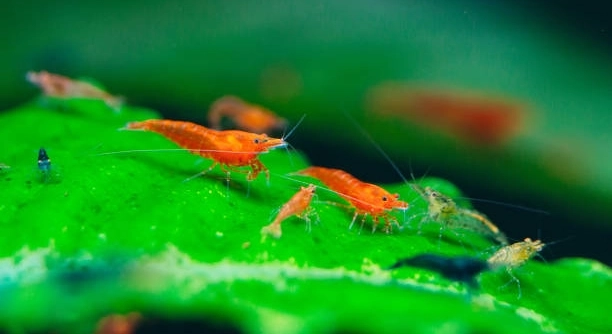
Have you ever watched cherry shrimp in your tank and wondered how they grow from tiny babies into fully colored adults? Their tiny movements and delicate bodies make them both fascinating and charming to observe.
Cherry shrimp growth occurs in seven distinct stages, beginning from eggs, progressing through larval and juvenile phases, and culminating in adulthood. Each stage involves specific physical developments, molting cycles, and gradual color changes that mark their maturation process.
Learning about these stages helps you understand their needs at every point of development, ensuring healthier shrimp and a thriving aquarium environment.
Egg Stage
Cherry shrimp begin life as tiny eggs, usually attached to the female’s swimmerets. These eggs are very small, round, and can range in color from yellow to green depending on the female’s health and genetics. The eggs require stable water conditions and gentle currents to remain safe. During this stage, it is important to maintain proper water parameters, including temperature, pH, and cleanliness. Disturbing the eggs can cause them to fall off prematurely, reducing their chances of survival. Females carry the eggs for about two to three weeks, during which they provide constant care, gently fanning water to ensure oxygen flow. Observing the eggs change color can help indicate development, as they often darken just before hatching. Proper nutrition for the female is also essential, as healthy mothers produce healthier eggs with higher survival rates. This stage sets the foundation for all future growth.
Egg care directly affects the survival and quality of future shrimp, making it a critical first stage.
Monitoring the eggs closely allows you to anticipate hatching and prepare the tank with safe hiding places for the newly hatched larvae.
Larval Stage
Larvae are extremely small and transparent, making them very vulnerable. They need calm water and plenty of microfood to thrive.
During this stage, larvae focus on developing basic body structures, including appendages and digestive systems. They begin to feed on tiny particles like biofilm, algae, and specially prepared liquid foods. At first, they may seem inactive, but this is normal as they are conserving energy for growth. Molting starts to occur regularly, allowing their bodies to expand and develop properly. Water quality must be closely monitored, as larvae are extremely sensitive to ammonia, nitrites, and sudden changes in temperature or pH. Providing plants or moss in the tank gives them safe spots to hide and feed. The larval stage is critical because early survival determines the population of juvenile shrimp later.
Feeding and tank conditions at this stage will strongly influence the shrimp’s ability to reach healthy juvenile growth.
Proper care during the larval stage ensures that shrimp develop the structures they need to move, eat, and avoid stress as they mature.
Juvenile Stage
Juvenile cherry shrimp are small but more active than larvae. Their bodies start to show faint color, and they begin exploring the tank more freely.
During this stage, juveniles molt frequently, which helps them grow and strengthens their exoskeleton. Proper nutrition is essential, including algae, biofilm, and high-quality shrimp pellets. Hiding spots such as moss or small plants reduce stress and prevent aggression from older shrimp. Water quality must remain stable, as fluctuations can harm growth or cause molting problems. Observing their behavior and molting patterns helps track health and development. At this stage, their survival rate improves, but careful care remains necessary to ensure strong, healthy adults.
Juveniles also start to show individual personality traits, like boldness in exploring or cautious behavior around others. Feeding habits become more predictable, making it easier to provide balanced nutrition. Regular observation ensures they grow evenly and develop proper coloration.
Sub-Adult Stage
Sub-adult shrimp show much more defined color and markings. They start looking like miniature adults and interact more confidently in the tank. Their movements are more coordinated, and they explore all parts of the environment.
Molting continues but less frequently, as growth slows down. Nutrition is still vital for strengthening their exoskeleton and supporting full color development. A varied diet including biofilm, algae, and high-quality shrimp food helps prepare them for adulthood. Water quality remains important, especially avoiding spikes in ammonia or nitrites. Plants, moss, and decorations continue to provide shelter and reduce stress. Sub-adults may begin small social interactions, testing boundaries and learning tank dynamics. Careful monitoring ensures they reach full maturity without setbacks.
By this stage, they are nearly ready to become adults, showing clear physical traits and vibrant colors. Their survival improves, but proper care is still essential for full development.
Early Adult Stage
Early adult cherry shrimp display brighter colors and more defined markings. They are fully mobile and begin showing territorial and social behaviors within the tank.
At this stage, they can start breeding if conditions are right. Nutrition and stable water remain critical. Females may carry eggs, signaling the start of the reproductive cycle.
Adult Stage
Adult cherry shrimp are fully grown with vibrant colors and firm exoskeletons. Their behavior becomes more predictable, and they actively forage for food, grazing on algae and biofilm. Mating occurs regularly if males and females are present in balanced numbers. Maintaining clean water, proper temperature, and a nutritious diet ensures longevity and healthy reproduction. Adults benefit from a well-planted tank, which offers hiding spots and reduces stress. Observing adults can help identify any health issues early, as changes in color, activity, or feeding often indicate problems. Adults are the backbone of a stable and thriving shrimp population, responsible for sustaining growth in the tank.
Senescent Stage
Senescent shrimp show signs of aging, such as faded colors and slower movements. Their molting frequency decreases significantly.
FAQ
How long does it take for cherry shrimp to grow from eggs to adults?
Cherry shrimp usually take about four to six months to reach full adulthood. This depends on water temperature, nutrition, and overall tank conditions. Warmer water within the recommended range speeds up development, while cooler temperatures slow growth. Consistent care ensures each stage progresses smoothly.
What should I feed cherry shrimp at different stages?
Eggs do not require direct feeding, but healthy females need quality food for egg production. Larvae feed on biofilm, algae, and microfoods. Juveniles need a mix of algae, biofilm, and fine shrimp pellets. Sub-adults and adults benefit from high-quality shrimp food, algae, and occasional blanched vegetables. Variety helps color and health.
How often do cherry shrimp molt?
Molting frequency depends on the growth stage. Larvae molt almost daily, juveniles every few days, and adults every few weeks. Molting slows with age. Proper water quality and nutrition support healthy molting. Avoid handling shrimp during this period, as their new exoskeleton is soft and vulnerable.
Can cherry shrimp survive in tanks with fish?
They can coexist with small, non-aggressive fish, but many species may see baby shrimp as food. Heavily planted tanks with moss and hiding spots improve survival. Adults are more likely to escape harm, while larvae and juveniles remain highly vulnerable. Tank mates should be chosen carefully.
How do I know when a female is carrying eggs?
A female carrying eggs, called “berried,” will have a cluster of tiny eggs under her swimmerets. Eggs may appear yellow, green, or dark depending on the stage. She will frequently fan them to ensure proper oxygenation. Berried females should experience minimal stress for optimal egg development.
What is the best water temperature for growth?
Ideal temperatures range between 72°F and 78°F. Warmer water encourages faster growth but may shorten lifespan slightly, while cooler water slows development but supports longer survival. Sudden temperature changes can harm shrimp at all stages. Consistency is more important than exact temperature.
How can I improve survival rates of larvae and juveniles?
Provide plenty of hiding places like moss and plants. Feed microfoods and biofilm frequently. Keep water clean and stable, avoiding chemicals and sudden changes. Gentle filtration prevents larvae from being sucked in. Monitoring conditions closely during these stages is essential for successful growth.
Do cherry shrimp show social behaviors?
Yes, adults and sub-adults display mild social behaviors, including grazing together and minor territorial interactions. Juveniles mostly hide, while larvae remain solitary. Observing interactions can indicate health and tank balance. Stressful environments can reduce social behaviors and affect growth.
What causes color fading in adult shrimp?
Faded color can result from poor diet, stress, disease, or aging. Ensuring a varied diet rich in carotenoids, maintaining clean water, and minimizing stress helps preserve vibrant colors. Some natural fading occurs as shrimp enter the senescent stage.
How can I tell the difference between males and females?
Females are usually larger with a rounder body shape, especially in the midsection when carrying eggs. Males are smaller, slimmer, and more active. Color intensity can also vary, but size and body shape are the most reliable indicators.
How long do cherry shrimp live?
Typical lifespan is about one to two years under ideal conditions. Proper nutrition, stable water, and low-stress environments support longevity. Some may live slightly longer, but survival decreases significantly after two years, with molting and color fading indicating aging.
Can cherry shrimp reproduce in small tanks?
Yes, even small tanks can support breeding if water quality is maintained, hiding places are available, and population density is managed. Overcrowding can stress shrimp and reduce egg survival, so balancing numbers with tank size is important.
What are common health issues to watch for?
Signs include lethargy, lack of appetite, faded color, and failed molts. Poor water quality, stress, or disease often causes these problems. Immediate attention to water parameters, diet, and tank hygiene can prevent serious issues.
Do cherry shrimp need special lighting?
Lighting is mainly for plant growth, which indirectly supports shrimp by producing biofilm and hiding spots. Moderate lighting helps plants thrive without stressing shrimp. Excessive direct light can encourage algae blooms, while too little can stunt plant growth and reduce natural food sources.
How often should I clean the tank?
Partial water changes of 10-20% weekly maintain stable water quality without stressing shrimp. Avoid deep cleaning or removing all biofilm, as this is a food source. Filters should be cleaned gently, keeping beneficial bacteria intact. Regular maintenance ensures healthier shrimp at every stage.
Can shrimp survive without live plants?
Yes, but live plants provide food, oxygen, and hiding spaces that significantly improve survival and reduce stress. Moss and small-leaf plants are especially helpful for larvae and juveniles. A planted environment mimics natural conditions, supporting healthier growth and reproduction.
How can I encourage breeding in adults?
Maintain stable water conditions, feed a varied diet, and provide plenty of hiding spaces. Balanced male-to-female ratios increase mating opportunities. Healthy adults with minimal stress are more likely to produce viable eggs regularly. Observing berried females confirms successful reproduction.
What is the best way to introduce new shrimp?
Acclimate slowly by floating them in a bag or slowly mixing tank water over an hour. Sudden changes in temperature, pH, or water chemistry can cause stress or death. Introducing shrimp carefully preserves health and reduces aggression in existing populations.
Can cherry shrimp live in brackish water?
They are strictly freshwater species. Brackish water is harmful and usually fatal. Maintaining proper freshwater parameters is essential for survival at all growth stages. Even minor salinity changes can impact molting, feeding, and reproduction.
What signs indicate stress in cherry shrimp?
Erratic swimming, hiding excessively, color fading, and reduced feeding are common indicators. Stress often comes from poor water quality, overcrowding, or aggressive tank mates. Addressing these factors promptly helps restore normal behavior and health.
How can I safely remove shrimp for tank maintenance?
Use a small, soft net or cup to gently transfer shrimp. Avoid rough handling or squeezing, as their exoskeleton is delicate, especially during molting. Performing maintenance gradually with minimal disturbance reduces stress and prevents injury.
Is it normal for shrimp to hide frequently?
Yes, hiding is natural, especially for juveniles, larvae, or berried females. It reduces stress and provides safety. Lack of hiding places can cause aggression or molting issues. Observing shrimp behavior helps ensure the tank environment meets their needs.
Do shrimp need supplementary calcium?
Calcium supports healthy exoskeletons and proper molting. While shrimp food often contains calcium, adding mineral-rich supplements or providing cuttlebone in the tank helps prevent shell deformities and molting problems, especially in soft water conditions.
How can I identify a failing molt?
Signs include stuck exoskeletons, deformities, or incomplete shedding. Failing molts are often caused by poor nutrition, low calcium, or poor water quality. Intervening carefully and adjusting diet or water conditions can help prevent fatalities.
Can cherry shrimp tolerate slightly alkaline or acidic water?
They prefer slightly acidic to neutral water, around pH 6.5–7.5. Small deviations are usually tolerated, but extreme shifts in either direction can stress shrimp, affecting growth, molting, and reproduction. Consistency matters more than exact pH values.
How do I prevent algae overgrowth in a shrimp tank?
Moderate lighting, balanced feeding, and regular water changes control algae. Plants compete with algae for nutrients, reducing overgrowth. Some algae are beneficial for grazing, but excessive blooms can harm water quality and shrimp health.
Is it okay to keep different shrimp species together?
Some species can coexist if water requirements and behavior match. Aggressive or larger species may harm smaller shrimp. Research compatibility and monitor behavior closely to avoid stress or mortality in mixed populations.
Do cherry shrimp need CO2 injection?
CO2 is unnecessary for shrimp, but it benefits plants, which provide food and shelter. Maintaining healthy plants without CO2 is possible, though adding CO2 may improve plant growth and indirectly support shrimp development.
What should I do if I notice dead shrimp?
Remove dead shrimp immediately to prevent water contamination and disease spread. Check water parameters, feeding, and tank conditions to identify potential causes. Consistent monitoring helps maintain a healthy population and prevents further losses.
How often should I feed adult shrimp?
Feed small amounts daily, ensuring food is consumed within a few hours. Overfeeding can pollute water, while underfeeding slows growth and reduces color intensity. A balanced feeding schedule maintains health and supports reproduction.
Can cherry shrimp adapt to different water hardness levels?
They tolerate soft to moderately hard water. Extremes in hardness can affect molting and reproduction. Gradual acclimation is necessary if water differs from their original environment, and monitoring behavior helps detect stress.
Do shrimp recognize their environment or tank mates?
They show familiarity with plants, hiding spots, and feeding locations. Social behaviors indicate recognition of tank mates, especially adults. This awareness helps them navigate safely and reduces stress in their habitat.
What is the maximum number of shrimp per gallon?
A common guideline is 1–2 shrimp per gallon for long-term health, though higher densities are possible with careful monitoring. Overcrowding increases stress, reduces growth, and raises the risk of disease, particularly for juveniles.
How do I prevent shrimp from escaping the tank?
Ensure a tightly sealed lid with small openings for filtration or air pumps. Cherry shrimp are good climbers, and even small gaps allow them to escape. Maintaining a secure environment protects all life stages.
Can shrimp survive in low-light tanks?
Yes, but plant growth and biofilm may slow, reducing natural food availability. Adding supplemental food ensures proper nutrition. Shrimp adapt, but moderate light benefits both plants and natural grazing behaviors.
What should I do if shrimp stop eating?
Check water parameters, diet, and tank stressors. Illness, poor water quality, or competition for food often causes reduced feeding. Adjusting conditions and offering varied, high-quality food usually restores normal appetite.
How do I know when a shrimp is molting?
Shrimp may hide, move slower, or appear dull before shedding. A discarded exoskeleton may be visible near hiding spots. Avoid disturbing them, as molting is a vulnerable time. Proper nutrition and calcium support successful molting.
Do shrimp need aeration in the tank?
Aeration is not strictly required, but gentle water movement ensures oxygen reaches all areas and prevents stagnant spots. Plants also contribute oxygen naturally. Aeration improves water quality without stressing shrimp.
Can cherry shrimp survive sudden water changes?
Sudden changes can be fatal. Gradual water adjustments, ideally 10–20% at a time, prevent shock. Matching temperature, pH, and hardness reduces stress and preserves shrimp health during maintenance or transfers.
What is the difference between wild and selectively bred shrimp?
Selective breeding enhances color, size, and patterns, while wild shrimp may show muted tones. Both grow through the same stages, but selectively bred shrimp may require slightly more attention to maintain vibrant colors. Observing their development is similar in either case.
Can shrimp get sick from tap water?
Untreated tap water may contain chlorine, chloramines, or heavy metals harmful to shrimp. Using a water conditioner and testing parameters ensures safety and prevents stress, disease, and mortality across all growth stages.
How do I encourage larvae to survive in a community tank?
Provide dense moss, plants, or breeding nets for hiding. Feed fine microfoods frequently. Reduce tank disturbances and aggressive tank mates. Clean, stable water is essential, as larvae are sensitive to changes and predation. Proper planning significantly improves survival rates.
Are there seasonal effects on shrimp growth?
Temperature fluctuations in unheated tanks may slow growth during colder months and slightly speed it in warmer months. Stable conditions minimize these effects and support steady development at all life stages.
Can I mix young and adult shrimp in the same tank?
Yes, but hiding places for juveniles are essential to prevent stress or predation from adults. A well-planted environment ensures that all ages have shelter and access to food without excessive competition.
How do I tell if shrimp are stressed by tank mates?
Signs include hiding, reduced feeding, color fading, or erratic swimming. Aggressive fish or overcrowding often cause these behaviors. Providing more plants, hiding spots, and monitoring interactions helps reduce stress and maintain healthy shrimp.
What is the ideal pH for cherry shrimp reproduction?
A slightly acidic to neutral pH of 6.5–7.5 supports mating and egg development. Extreme deviations can prevent breeding or reduce egg survival. Stable water chemistry is more important than hitting exact numbers.
Can shrimp survive if I leave them alone for a few days?
Adults can survive a few days without feeding if tank biofilm and algae are available. Larvae and juveniles need more consistent feeding. Automatic feeders or pre-planning can help maintain survival during short absences.
How do I prevent fungal infections in shrimp?
Keep water clean, stable, and free from decaying food. Remove dead shrimp or uneaten food promptly. Healthy water conditions and proper nutrition reduce fungal growth and protect shrimp at all stages.
Do shrimp need a sand or gravel substrate?
Both work, but fine gravel or sand allows natural foraging and supports biofilm growth. Substrate choice affects egg attachment and hiding spaces for larvae and juveniles. Smooth surfaces reduce risk of injury during molting.
How can I tell if shrimp eggs are healthy?
Healthy eggs are round, firm, and gradually darken as they develop. Irregularly shaped or discolored eggs may indicate poor maternal health or water issues. Observing eggs throughout the incubation period ensures timely intervention if problems arise.
What is the most critical stage for survival?
Larvae and early juveniles are the most vulnerable. Proper nutrition, hiding spots, and water quality are essential. Survival during these stages determines the strength and size of the future population. Careful monitoring improves outcomes for all subsequent growth stages.
Can cherry shrimp adapt to different lighting cycles?
Yes, they can tolerate various lighting schedules, but consistent day-night cycles help regulate behavior and feeding. Sudden changes may stress them temporarily, so gradual adjustments are better for long-term stability.
Do shrimp need vitamins or supplements?
High-quality shrimp food usually provides sufficient nutrients, but occasional supplements like blanched vegetables or mineral sources support color, molting, and overall health. Over-supplementing can pollute water, so moderation is key.
How do I handle a tank with multiple berried females?
Ensure plenty of hiding places to reduce stress. Adequate food supports egg development. Observing females without disturbing them helps protect eggs and encourages successful hatching. Multiple berried females can coexist if conditions are optimal.
Can shrimp survive in low-oxygen water?
They need oxygen-rich water for survival. Low-oxygen conditions stress shrimp, slow growth, and increase mortality. Gentle aeration or healthy plant growth maintains sufficient oxygen without disturbing them.
How often should I check water parameters?
Frequent monitoring is important, especially for ammonia, nitrites, nitrates, temperature, and pH. Weekly checks are minimal, daily is ideal during sensitive stages like larval or berried periods. Stable parameters ensure healthy growth at all stages.
Can cherry shrimp survive with strong filtration?
Strong currents can harm larvae and juveniles. Using gentle filtration or protective sponge covers keeps water clean without stressing or injuring shrimp. Adjusting flow to suit all life stages is essential.
How do I prevent overbreeding in small tanks?
Control population by limiting adults, separating males and females, or providing fewer hiding spots for juveniles to grow safely. Monitoring density prevents overcrowding and reduces stress, improving survival and health of shrimp.
What is the effect of water hardness on molting?
Soft water can cause molting issues and weak exoskeletons. Moderately hard water with adequate calcium supports successful molts and healthy development. Adjusting hardness gradually helps shrimp adapt without stress.
Can cherry shrimp survive in unheated tanks?
Yes, if water temperature remains within safe limits. Cold temperatures slow growth and reproduction, while extreme cold can be fatal. Monitoring temperature ensures safe development in all stages.
Do shrimp benefit from live food?
Occasional live food like micro-worms or brine shrimp can supplement diet, especially for juveniles and larvae. It encourages natural feeding behaviors and adds variety. Overfeeding live food is unnecessary and may pollute water.
How do I prevent aggression between shrimp?
Provide ample hiding spots and plant cover. Overcrowding or lack of shelter can lead to minor fights. Adults are generally peaceful, but juveniles need protection. Observing interactions helps maintain a harmonious tank.
Can cherry shrimp survive in tanks with fluctuating pH?
Sudden pH swings are harmful. Gradual changes are tolerable within the preferred range. Consistency is more important than exact pH. Fluctuations can cause molting problems, stress, and reduce egg survival.
How long should I wait to introduce new shrimp after cleaning?
Wait at least a few hours after water changes to ensure temperature and chemistry stabilize. Gradual reintroduction prevents stress and supports safe acclimation for all life stages.
Can shrimp live in bare-bottom tanks?
Yes, but they may have fewer natural food sources and hiding spots. Adding moss, plants, or artificial shelters improves survival, feeding opportunities, and molting safety.
How do I encourage larvae to grow faster?
Maintain stable water, provide high-quality microfoods, and ensure hiding spots. Slightly warmer temperatures within safe limits support faster metabolism and growth. Avoid stressors that slow development.
What happens if water is too warm?
Temperatures above 78°F can stress shrimp, shorten lifespan, and reduce egg viability. While growth may accelerate, long-term health is compromised. Consistent, moderate temperatures support healthy development across all stages.
Do shrimp sleep?
Shrimp have periods of rest where activity slows, often at night. They remain alert to danger and feeding opportunities. Providing dark or shaded areas supports natural rest cycles.
Can shrimp survive in slightly cloudy water?
Temporary cloudiness from harmless causes is usually fine, but prolonged poor water clarity may indicate issues with filtration, feeding, or algae growth. Long-term exposure can stress shrimp and reduce survival.
How do I reduce stress during tank moves?
Transport shrimp slowly in water from their original tank, keep temperature stable, and avoid sudden light or current changes. Minimize handling to prevent injury and stress.
Do shrimp recognize food sources?
Yes, adults and sub-adults learn feeding locations quickly. Larvae and juveniles rely more on biofilm and fine particles. Consistent feeding locations improve efficiency and reduce competition stress.
**How long should larvae stay in
Cherry shrimp are small creatures, but their growth process is fascinating. Watching them move through each stage, from eggs to senescent adults, provides insight into how delicate and resilient they are. Each stage of growth comes with its own needs and challenges, and understanding these can make a big difference in their health and survival. Eggs require stable water and careful observation, larvae need hiding spots and microfoods, juveniles benefit from a balanced diet and shelter, and adults thrive with proper nutrition and a calm environment. By recognizing what each stage demands, you can create a tank that supports every shrimp in reaching its full potential.
Taking care of cherry shrimp requires attention to detail and consistency. Water quality is one of the most important factors, as shrimp are highly sensitive to changes in ammonia, nitrites, temperature, and pH. Even small fluctuations can slow growth, affect molting, or cause stress that impacts reproduction. Nutrition is equally essential. Feeding a variety of foods ensures they develop strong exoskeletons, vibrant colors, and overall good health. Observing shrimp behavior can help detect problems early. Hiding spots such as moss, plants, or decorations give shrimp a sense of security and reduce stress, which contributes to better survival and more successful breeding over time.
By following proper care practices, you can enjoy a healthy population of cherry shrimp in your tank. Each stage, from egg to adult, has unique characteristics, and paying attention to these details helps ensure they thrive. Regular observation, consistent maintenance, and providing a stable environment create a habitat where shrimp can grow naturally and safely. Over time, you may notice patterns in their behavior, molting cycles, and reproduction that make the experience even more rewarding. Caring for cherry shrimp is about creating the right balance in the tank so each shrimp can live a full and healthy life. This understanding allows you to appreciate the subtle changes in their development and the effort required to maintain a thriving community.

Hello,
If you enjoy the content that we create, please consider saying a "Thank You!" by leaving a tip.
Every little bit helps us continue crafting quality advice that supports the health, happiness, and well-being of pets around the world, for pets of all shapes, sizes, and species.
We really appreciate the kindness and support that you show us!