
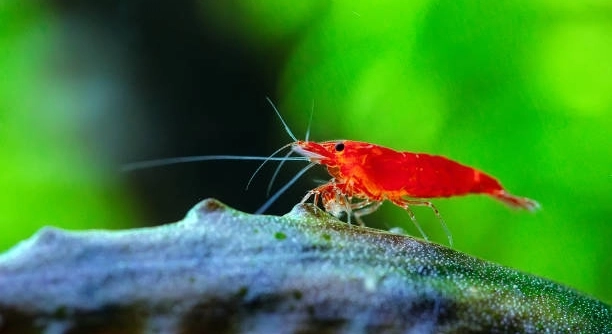
Shrimp are fascinating little creatures that often seem eager to eat at every opportunity. Yet, there are moments when they completely ignore food, leaving their owners puzzled and observing their behaviors with quiet curiosity.
Shrimp may refuse food for several reasons, including stress, molting, poor water quality, illness, overfeeding, or being offered inappropriate types of food. Each of these factors can significantly influence feeding behavior, leading to temporary or prolonged periods of refusal.
Recognizing these behaviors and understanding their causes will help maintain healthy shrimp and a thriving aquarium environment. Proper care ensures they remain active and well-nourished.
Molting and Its Effect on Appetite
During molting, shrimp shed their old exoskeleton to grow, which is a vulnerable time for them. They often hide and stop eating to conserve energy and avoid predators. Their new shell is soft, and they need extra calcium to strengthen it. Feeding them during this stage can be risky because they may ignore food entirely. Even high-quality food will not tempt them while their body focuses on recovery and growth. Observing shrimp during molting is important. Signs like reduced movement or hiding in shelters indicate they are preparing to shed. Water parameters should be optimal, including proper calcium and mineral levels, to ensure successful molting. Interventions like offering powdered supplements or specialized molting food may help, but shrimp may still refuse to eat until their new shell hardens. Patience is key, as forcing food can stress them and harm their development.
Shrimp commonly stop eating for several days during the molting cycle, which is completely normal.
Proper care, clean water, and a calm environment will support molting shrimp, helping them regain appetite safely.
Stress and Its Impact on Feeding
Stress in shrimp can be caused by overcrowding, sudden water changes, or incompatible tank mates.
When stressed, shrimp may ignore food entirely, retreating to hiding spots and reducing activity. Stress affects their immune system, making them more susceptible to illness. Maintaining stable water parameters and a calm environment can reduce stress levels. Even minor disturbances like tapping on the tank glass can trigger food refusal. Signs of stress include color fading, constant hiding, or erratic swimming. Gradual water changes, proper filtration, and adequate hiding places help create a stable environment. Stress can be temporary or ongoing, depending on the cause. Observing shrimp behavior closely allows you to adjust care routines before long-term effects develop. Providing consistent feeding times with high-quality food can encourage them to resume eating once the stressor is resolved. Stress management is essential to ensure shrimp stay healthy and active in the tank.
Overfeeding and Food Refusal
Too much food can overwhelm shrimp, causing them to ignore it. Leftover food decomposes, reducing water quality and discouraging eating.
Shrimp have small stomachs and require only small amounts of food at a time. Overfeeding leads to uneaten food sinking to the bottom and decaying, which can create harmful ammonia spikes. This not only makes shrimp reluctant to eat but also stresses their environment. Observing how much your shrimp consume daily helps prevent overfeeding. Adjusting portions and feeding frequency ensures that food is eaten promptly, maintaining water quality and shrimp health.
Gradually reducing feeding amounts and removing uneaten food encourages shrimp to eat regularly again. Balanced portions promote consistent activity, reduce waste, and help maintain a healthy tank environment.
Water Quality and Its Effect on Appetite
Poor water conditions often cause shrimp to stop eating. Ammonia, nitrite, or nitrate levels outside safe ranges reduce appetite and activity.
Shrimp are sensitive to changes in pH, temperature, and hardness. Even slight fluctuations can trigger food refusal. Maintaining clean water through regular changes and proper filtration is essential. Test water parameters frequently and make gradual adjustments to avoid shocking shrimp. Contaminants or leftover chemicals from cleaning can also deter feeding. Consistent conditions allow shrimp to feel secure and resume normal eating behaviors. Clean substrate and minimal debris help maintain their natural environment. Observing shrimp reactions after changes helps identify potential issues before serious health problems arise.
Keeping water parameters stable encourages shrimp to feed regularly. Healthy water reduces stress, supports growth, and allows shrimp to display natural behaviors while eating.
Incompatible Food Types
Some foods are not suitable for shrimp and will be ignored. Certain processed foods or large pieces are difficult for them to eat.
Shrimp prefer small, easily digestible food like algae wafers, blanched vegetables, or specialized shrimp pellets. Offering inappropriate food repeatedly can make them skip meals.
Illness and Appetite Loss
Shrimp that are sick often stop eating as their bodies focus on recovery. Common signs include lethargy, discoloration, or unusual swimming patterns.
Illness can be caused by bacterial or fungal infections, parasites, or poor water conditions. Prompt identification and treatment are essential. Quarantining affected shrimp, improving water quality, and providing appropriate medication help restore their health. Nutrition may need to be adjusted with softer or more appealing foods. Monitoring the tank closely ensures other shrimp remain healthy. Ill shrimp will gradually resume eating once recovery progresses and stressors are minimized.
Tank Mates and Competition
Aggressive or fast-moving tank mates can intimidate shrimp, causing them to avoid food.
FAQ
Why is my shrimp ignoring food even though water quality seems fine?
Shrimp can refuse food for reasons beyond water quality. Stress, molting, illness, or overfeeding are common causes. Even in perfectly maintained tanks, shrimp may hide or reduce activity, temporarily ignoring food. Observing their behavior, molting schedule, and tank environment can reveal underlying causes and help restore regular feeding habits.
How long can shrimp go without eating safely?
Shrimp can survive a few days to a week without food, depending on their age and health. Adult shrimp have reserves to sustain them temporarily, but prolonged fasting weakens them and increases vulnerability to stress or illness. Monitoring their behavior and maintaining optimal tank conditions during this period is essential.
Can overfeeding harm shrimp?
Yes, overfeeding is a common issue that affects shrimp appetite and tank health. Uneaten food decays, producing ammonia and other toxins, which reduces water quality. Shrimp may stop eating when the environment is unsafe. Offering small, controlled portions and removing leftovers prevents this problem.
Do shrimp prefer certain types of food?
Shrimp respond best to easily digestible foods like algae wafers, blanched vegetables, and specialized shrimp pellets. They may ignore hard, large, or heavily processed foods. Rotating food types and providing natural options ensures a balanced diet and encourages regular feeding.
Can tank mates cause shrimp to stop eating?
Yes, fast or aggressive fish can intimidate shrimp, causing them to hide and skip meals. Even smaller, non-aggressive species can compete for food, leaving shy shrimp reluctant to eat. Providing hiding spots and feeding in multiple locations helps reduce competition.
Is molting always the reason for food refusal?
Not always, but molting is a common cause. Shrimp focus on shedding and hardening their new exoskeleton, which requires energy and calcium. During this time, they may completely ignore food. Observing molting behavior and maintaining supportive water conditions ensures a safe recovery.
How can I encourage my shrimp to eat again?
Adjust feeding amounts, offer preferred foods, and ensure a calm environment. Removing uneaten food, maintaining stable water conditions, and providing hiding spaces can reduce stress. Sometimes simply waiting a few days after molting or minor stressors allows shrimp to resume normal feeding behavior naturally.
What are the signs of illness affecting appetite?
Lethargy, discoloration, unusual swimming, or hiding are common signs. Sick shrimp may ignore food entirely. Early detection through observation and water testing, along with prompt treatment, increases recovery chances. Quarantining affected shrimp can prevent the spread of infection in the tank.
Can water changes affect shrimp feeding?
Yes, sudden or large water changes can stress shrimp, causing temporary food refusal. Gradual adjustments with stable temperature and pH help shrimp feel secure and resume eating. Consistency is key, as abrupt changes can trigger hiding or inactivity.
Is it normal for shrimp to eat less at times?
Yes, shrimp naturally vary in appetite due to molting, age, stress, or minor environmental changes. Occasional skipped meals are normal, but prolonged refusal may indicate a problem requiring attention. Regular monitoring helps identify patterns and maintain healthy feeding habits.
What role does tank cleanliness play in feeding?
Clean tanks encourage shrimp to eat by reducing toxins and maintaining safe conditions. Excess waste or uneaten food can discourage feeding and stress shrimp. Regular substrate cleaning, filtration maintenance, and controlled feeding create an environment where shrimp feel safe and active.
Can adding supplements help with feeding?
Calcium or mineral supplements may help shrimp during molting or recovery from stress. Offering powdered supplements or specialized food supports shell hardening and overall health. However, supplements should not replace proper feeding routines and clean water practices.
Do shrimp need a varied diet?
Yes, variety ensures proper nutrition and keeps shrimp interested in food. Combining plant-based foods, algae, and high-quality pellets covers essential nutrients and promotes consistent feeding behavior. Observing which foods are preferred allows for better portion management and healthier shrimp.
How can I tell if shrimp are stressed?
Signs include hiding, faded color, erratic swimming, and reduced feeding. Stress reduces appetite and increases susceptibility to disease. Stable water parameters, minimal disturbances, and safe tank mates help maintain calm conditions that encourage regular eating.
Can temperature affect feeding?
Yes, water that is too cold or too warm slows metabolism and reduces appetite. Maintaining species-appropriate temperatures ensures shrimp remain active and eat consistently. Sudden temperature changes can trigger hiding and temporary refusal to eat.
What should I do if my shrimp stop eating for more than a week?
Investigate water quality, stress factors, molting cycles, and possible illness. Adjust care routines, remove uneaten food, and provide hiding spaces. If necessary, isolate affected shrimp and monitor closely while addressing environmental or health issues. Consistent care will help restore their appetite.
Shrimp are small but fascinating creatures, and understanding their feeding habits is essential for maintaining a healthy aquarium. Their behavior can sometimes be confusing, especially when they suddenly ignore food. While this may seem concerning, there are many normal reasons for this behavior, such as molting, stress, or minor environmental changes. Shrimp are sensitive to their surroundings, and even slight shifts in water quality, temperature, or tank dynamics can influence their appetite. Observing their behavior regularly and knowing what is typical for your shrimp can make it easier to recognize when there is a real issue versus a temporary phase. It is also important to remember that shrimp have different personalities and activity levels, so some may eat more eagerly while others take their time, even under ideal conditions. Understanding these small differences can reduce unnecessary worry and help create a balanced and thriving tank environment.
Feeding shrimp properly is not just about offering food but also about providing the right conditions for them to feel safe and secure. Overfeeding can lead to leftover food, poor water quality, and stress, while underfeeding can leave them malnourished and weaker. Observing how your shrimp respond to different food types, portions, and feeding schedules can help establish a routine that works best for them. Water quality is another critical factor, as ammonia, nitrite, or nitrate spikes can make shrimp avoid eating. Regular testing and maintenance, including partial water changes, filtration checks, and tank cleaning, help maintain an environment that encourages natural feeding behaviors. Stress reduction is equally important, and this can be achieved by providing plenty of hiding spaces, stable water conditions, and appropriate tank mates. Taking small, consistent steps to maintain these conditions will help your shrimp remain active and healthy, reducing periods when they might refuse food.
Patience is a key part of caring for shrimp. There will be times when they ignore food despite all efforts, and understanding the potential reasons behind it can prevent unnecessary frustration. Shrimp rely on a combination of proper care, environment, and nutrition to thrive. By monitoring their behavior, maintaining clean water, and offering appropriate food, you can support their health and natural instincts. Sometimes, simply waiting for a molting cycle or minor stressor to pass is enough for them to resume eating. Consistency and careful observation are the most effective tools for managing feeding issues. Over time, recognizing patterns in your shrimp’s behavior will make it easier to address any problems promptly. Keeping a calm, stable, and nutrient-rich environment ensures that shrimp continue to eat regularly, grow properly, and display the active, engaging behavior that makes them enjoyable to care for.

Hello,
If you enjoy the content that we create, please consider saying a "Thank You!" by leaving a tip.
Every little bit helps us continue crafting quality advice that supports the health, happiness, and well-being of pets around the world, for pets of all shapes, sizes, and species.
We really appreciate the kindness and support that you show us!