
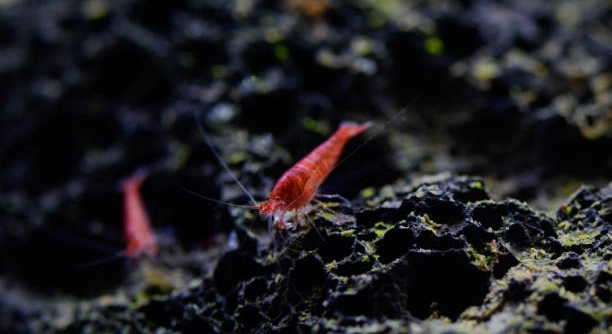
Setting up a shrimp tank can be both relaxing and rewarding. Many hobbyists enjoy watching shrimp thrive, but creating the right environment takes careful planning and attention. A well-maintained tank ensures healthy and active shrimp.
Creating the ideal shrimp tank involves selecting the proper substrate, maintaining stable water parameters, providing sufficient hiding places, and ensuring a balanced diet. These steps promote shrimp health, longevity, and natural behavior within a controlled aquatic environment.
Following simple guidelines can make the process smoother. Small adjustments often have a big impact on the tank’s overall balance and shrimp wellbeing, making these tips essential for any enthusiast.
Choosing the Right Substrate
The substrate you select plays a major role in shrimp health and tank stability. Gravel, sand, or specialized shrimp soil each provide different benefits, affecting water chemistry, plant growth, and shrimp behavior. Shrimp soil is often preferred because it naturally stabilizes pH and supports beneficial bacteria. The substrate’s texture also matters. Fine sand allows shrimp to forage easily, while coarser gravel can trap debris, requiring more cleaning. Plants thrive better in nutrient-rich substrates, creating hiding spots for shrimp. Over time, the substrate interacts with water, slowly altering its chemistry, which can be helpful or harmful depending on the type. When choosing a substrate, consider the shrimp species, plants, and your maintenance routine. Regular vacuuming of the substrate prevents buildup of waste while keeping the beneficial bacteria intact. Observing shrimp behavior will indicate whether they are comfortable with the chosen base. Ultimately, the substrate forms the foundation of a healthy, balanced tank.
Selecting a substrate that suits both plants and shrimp reduces stress and ensures long-term tank stability.
Fine-tuned substrate choices encourage shrimp activity, reproduction, and overall health. Proper layering and careful selection support a thriving micro-ecosystem, making maintenance easier and creating a visually pleasing environment.
Water Parameters and Filtration
Stable water conditions are critical for shrimp survival. Maintaining proper temperature, pH, and hardness ensures shrimp remain healthy and active.
Filtration supports water clarity and biological balance. Mechanical filters remove debris, while biological filters promote bacteria that process waste. Some hobbyists use sponge filters to protect baby shrimp from being sucked in. Regular monitoring prevents sudden changes that could stress or harm shrimp. Adjusting pH gradually avoids shock, and keeping temperature consistent encourages breeding and molting cycles. Water changes, ideally 10–20% weekly, remove excess nitrates and maintain mineral levels. Using a dechlorinator prevents chemicals from harming shrimp, and testing kits help track ammonia, nitrite, and nitrate levels. Proper aeration ensures oxygen-rich water, benefiting both shrimp and plants. Combining stable water chemistry with efficient filtration creates a thriving environment. These steps allow shrimp to exhibit natural behaviors like foraging, hiding, and breeding while reducing the risk of disease or sudden die-offs.
Maintaining consistent water parameters prevents stress, supports growth, and ensures shrimp live longer, healthier lives in the tank.
Balancing filtration and chemical levels is essential. A well-filtered tank reduces waste buildup, prevents algae overgrowth, and keeps shrimp active. Monitoring and gradual adjustments maintain a safe environment, making it easier to support both plants and shrimp simultaneously.
Plants and Hiding Spots
Providing plants and hiding spots reduces stress and encourages natural shrimp behavior. Moss, ferns, and small-leaf plants offer cover, while driftwood and rocks create safe areas for molting and exploration.
Live plants help maintain water quality by absorbing nitrates and producing oxygen. They also create a more natural environment, allowing shrimp to graze on biofilm that forms on leaves and surfaces. Dense planting can prevent shrimp from feeling exposed, reducing aggression and stress. Combining different plant types and structures adds variety and encourages movement throughout the tank. Observing shrimp using these areas helps determine if the setup feels safe and comfortable, allowing adjustments as needed for balance.
Decorative elements like caves, rocks, and leaf litter provide essential shelter and molting areas. These spaces support social interaction, reduce competition, and give juvenile shrimp a better chance of survival. Well-placed hiding spots create a visually appealing environment while promoting natural shrimp activity.
Feeding and Nutrition
A balanced diet ensures shrimp grow, molt, and reproduce properly. Overfeeding can harm water quality, so small, frequent portions work best.
Shrimp require a mix of protein, plant matter, and minerals. Specialized shrimp pellets provide essential nutrients, while blanched vegetables like zucchini or spinach offer fiber and vitamins. Occasional protein sources such as bloodworms or brine shrimp help with growth and coloration. Biofilm naturally forms in a mature tank, giving shrimp an additional food source. Feeding should be consistent but controlled, avoiding leftover food that can decay and disrupt water parameters. Observing how shrimp respond to different foods helps determine preferences and portion sizes, ensuring they receive proper nutrition without stressing the tank ecosystem.
Supplementing with calcium-rich foods or mineral blocks supports shell development during molting. Rotating food types prevents deficiencies and encourages foraging behavior. Combining commercial and natural foods creates a healthier, more active shrimp population. Consistency in feeding schedules promotes predictable growth and overall tank stability.
Tank Size and Population
A larger tank provides more stable water conditions and room for shrimp to explore. Overcrowding can stress shrimp, reduce growth, and increase disease risk.
Maintaining a proper shrimp-to-space ratio ensures each shrimp has access to food, hiding spots, and territory. Gradually adding shrimp allows the tank to adjust and supports a balanced ecosystem.
Lighting and Temperature
Consistent lighting encourages plant growth and shrimp activity. Too much light can promote algae, while too little slows plant development. LED lights with a timer offer control and stability.
Temperature stability is crucial for shrimp health. Most species thrive between 72–78°F. Sudden changes can cause stress, molting issues, or death. Using a heater with a reliable thermostat and monitoring daily helps maintain safe, consistent temperatures that support growth and breeding. Stable conditions encourage natural behaviors, reduce stress, and ensure long-term tank success.
Maintenance and Cleaning
Regular water changes prevent waste buildup and maintain chemical balance. Removing debris, testing water parameters, and cleaning filters keeps the tank healthy.
FAQ
How often should I change the water in my shrimp tank?
Water changes are essential for maintaining stable water parameters. Most shrimp tanks benefit from a 10–20% weekly water change. Smaller, more frequent changes reduce stress and prevent sudden shifts in pH or temperature. Always treat tap water with a dechlorinator before adding it to the tank. Observing shrimp behavior after changes helps ensure the routine isn’t causing stress. Adjust the schedule slightly if needed, especially in heavily planted or densely populated tanks.
Can I keep different shrimp species together?
Some species can coexist, but compatibility depends on temperament, size, and water requirements. Peaceful species like cherry shrimp often mix well, while larger or more aggressive types may stress smaller shrimp. Matching water parameters and providing plenty of hiding spots helps reduce conflict. Avoid mixing species with very different pH or hardness needs, as this can harm one or both types. Monitoring interactions is important, and separating incompatible shrimp ensures a stable and healthy environment for all residents.
What should I feed my shrimp daily?
Shrimp need a balanced diet of protein, vegetables, and biofilm. Small portions of shrimp pellets, blanched vegetables, or algae wafers work best. Feeding once a day is usually enough. Avoid overfeeding, as leftover food can decay and disrupt water quality. Observing how quickly shrimp consume their food helps determine the right amount. Occasionally supplementing with mineral-rich foods supports molting and shell health. Providing variety encourages natural foraging and keeps shrimp active.
How can I encourage breeding in my tank?
Stable water conditions, proper nutrition, and plenty of hiding spots promote breeding. Maintaining the correct temperature and pH encourages molting cycles and egg production. Providing fine-leaf plants or moss allows baby shrimp to hide and survive. Avoid sudden changes in water parameters, as this can stress shrimp and reduce reproduction. Regular feeding with protein and calcium-rich foods supports egg development. Observing the tank regularly helps track breeding success and adjust conditions as needed to support a growing population.
Why are my shrimp molting but dying?
Molting is stressful and requires proper calcium levels and water stability. Inconsistent water parameters, poor diet, or lack of hiding spots can lead to death during molting. Ensure water hardness, pH, and temperature are suitable for your species. Providing calcium supplements and secure shelters helps shrimp molt safely. Avoid sudden environmental changes, as they can disrupt the molting process. Observing shrimp closely during molting periods can prevent losses and improve survival rates for juvenile and adult shrimp alike.
What causes cloudy water in a shrimp tank?
Cloudiness often results from bacterial blooms, overfeeding, or substrate disturbance. New tanks commonly experience temporary cloudiness as bacteria establish. Regular water changes, gentle cleaning, and avoiding excess food prevent prolonged problems. Monitoring filtration and ensuring the substrate isn’t overly disturbed during maintenance helps maintain clear water. Cloudiness usually resolves naturally in established tanks, but persistent issues may indicate water chemistry imbalances that require testing and correction.
How do I prevent algae growth?
Algae thrive with excess light, nutrients, or poor water circulation. Limiting light to 8–10 hours daily, avoiding overfeeding, and performing regular water changes help control algae. Introducing plants that compete for nutrients can naturally reduce algae growth. Occasionally cleaning glass and decorations prevents buildup without harming shrimp. Proper filtration and maintaining stable water parameters reduce the chance of excessive algae forming. Small algae patches can be beneficial, as they provide an additional food source for shrimp.
Can I use tap water directly for my shrimp tank?
Tap water must always be treated to remove chlorine, chloramines, and heavy metals. Using a dechlorinator ensures water is safe for shrimp. Testing pH, hardness, and other parameters before adding water prevents harmful changes. Gradual water additions help avoid shocking shrimp. Pre-conditioning tap water or using reverse osmosis water mixed with minerals creates a controlled environment. Consistently monitoring water quality ensures the tank remains safe and stable for all shrimp.
What is the ideal tank temperature for shrimp?
Most freshwater shrimp thrive between 72–78°F. Keeping temperature stable prevents stress, molting issues, and death. Sudden fluctuations can be harmful. Using a reliable heater with a thermostat and monitoring daily ensures conditions remain consistent. Slight adjustments can be made depending on the species, but stability is always more important than minor temperature changes. Proper temperature supports growth, breeding, and natural activity throughout the tank.
How do I know if my shrimp are healthy?
Healthy shrimp are active, bright in color, and consistently foraging. They molt regularly, reproduce successfully, and show no signs of disease like spots, discoloration, or lethargy. Observing behavior, feeding habits, and physical appearance regularly helps detect early problems. Maintaining clean water, proper nutrition, and stable conditions prevents stress-related illnesses. Shrimp that interact with their environment and explore plants or substrate indicate a balanced and healthy tank.
This FAQ provides practical guidance for maintaining shrimp tanks, addressing common issues, and ensuring a thriving aquatic environment.
Creating and maintaining a shrimp tank can be a very rewarding experience when approached with care and attention. Understanding the needs of your shrimp is the first step toward a healthy, balanced tank. Each detail matters, from the type of substrate you choose to the water parameters you maintain. Substrate provides more than just a base for plants and decorations; it influences water chemistry and supports beneficial bacteria that help break down waste. Picking the right substrate also makes it easier for shrimp to forage naturally and explore the tank safely. Over time, observing how your shrimp interact with the substrate and plants gives insight into their comfort and health, allowing you to make adjustments that improve the overall environment. Simple choices in substrate, decoration, and plant selection can create a natural and stable habitat, reducing stress and encouraging healthy behavior.
Water quality and temperature are just as important as the physical environment. Stable conditions help prevent disease and stress, which can affect growth, molting, and reproduction. Small, regular water changes maintain chemical balance and remove excess nutrients that can harm shrimp if left unchecked. Using a dechlorinator, monitoring pH, hardness, and other water parameters ensures that the tank remains safe for all shrimp. Filtration plays a key role in maintaining clarity and balance, supporting beneficial bacteria while keeping debris under control. Consistent water temperature helps shrimp molt safely and encourages breeding, while sudden changes can create stress or even fatalities. By paying attention to these details and keeping conditions stable, you support a thriving population that behaves naturally and remains healthy for the long term.
Nutrition, hiding spaces, and tank population also contribute to the success of a shrimp tank. Shrimp require a balanced diet of protein, vegetables, and minerals, as well as access to natural biofilm in the tank. Providing hiding spots with plants, moss, or decorative elements reduces stress and gives molting shrimp safe areas, while careful consideration of tank size and population prevents overcrowding. Even small adjustments in feeding, decorations, or water conditions can significantly improve shrimp health and activity. Regular observation and attention to behavior, molting, and reproduction help you notice potential problems early, making maintenance easier and more effective. By combining proper care, nutrition, habitat design, and water management, you can create a stable, healthy environment that supports natural shrimp behavior and growth over time. Following these principles allows shrimp to thrive while making the tank enjoyable to maintain and watch.

Hello,
If you enjoy the content that we create, please consider saying a "Thank You!" by leaving a tip.
Every little bit helps us continue crafting quality advice that supports the health, happiness, and well-being of pets around the world, for pets of all shapes, sizes, and species.
We really appreciate the kindness and support that you show us!