
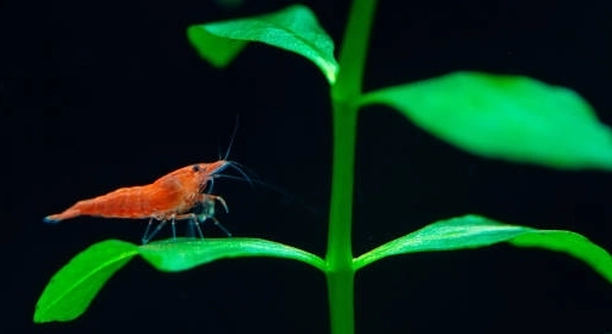
Do you find yourself setting up a cherry shrimp tank and hoping everything goes smoothly, only to notice small issues along the way that make you unsure about proper care and comfort in your aquarium?
The most common cherry shrimp tank mistakes involve poor water parameters, inadequate filtration, unstable temperatures, improper acclimation, overfeeding, limited hiding spaces, and neglecting routine maintenance. These issues can stress shrimp, reduce survival rates, and undermine the stability of the aquarium.
Learning the reasons behind these challenges will help you create a healthier setup that supports growth and long shrimp wellbeing.
Poor Water Parameters
Maintaining steady water conditions is one of the most important steps for keeping cherry shrimp healthy, and it is something many people overlook at first. I remember how easy it was to assume that clean water automatically meant safe water, but shrimp react strongly to small shifts. When parameters swing too far, they become stressed, lose color, and struggle to thrive. It helps to focus on stable pH, gentle hardness, and low ammonia and nitrite levels while giving the tank enough time to mature before adding shrimp. Paying attention to these details creates an environment where they can feel secure and stay active in their space.
Stable conditions support their natural behavior and prevent unnecessary stress that often leads to a shorter lifespan.
Once you understand how sensitive cherry shrimp are to changes, it becomes easier to build a routine that protects their comfort, keeps them active, and strengthens their overall wellbeing.
Inadequate Filtration
Weak or unreliable filtration makes the habitat unstable and leaves shrimp exposed to harmful waste that builds up quickly in small tanks.
Filtration plays a major role in keeping shrimp tanks balanced, especially when the setup is still settling. A filter that is too strong can create stressful currents, and one that is too weak struggles to handle natural waste. Finding a gentle sponge filter usually provides the airflow and biological support shrimp need without disturbing their movements. Allowing the filter to mature gives beneficial bacteria the chance to break down harmful compounds, keeping the water clear and clean. I learned to rinse the sponge in tank water instead of tap water to protect the good bacteria. This small step helps keep the system stable over time and prevents sudden drops in quality that could harm your shrimp.
Unstable Temperatures
Unstable temperatures strain cherry shrimp and weaken their ability to stay comfortable in the tank. I learned that even small shifts can affect their behavior and disrupt their routine. Keeping the water steady prevents stress and supports their natural rhythm throughout the day in their small aquatic space each day.
Maintaining steady warmth helps cherry shrimp feel safe, and I realized this after watching mine react to sudden drops. A small heater with a reliable thermostat keeps the environment consistent and prevents the quick swings that lead to color loss and hiding behavior. Monitoring the temperature regularly allows you to catch shifts early and correct them before they cause harm. I found that avoiding direct sunlight and keeping the tank away from drafts also helps protect stability. These small steps create a calmer space where shrimp can move, feed, and molt without unnecessary pressure during their daily activities in peace.
Temperature stability also affects the beneficial bacteria that support shrimp health, and I noticed my tank ran smoother when the warmth stayed consistent. These bacteria help manage waste, so protecting them is important. Sudden cold periods slow their activity, leaving the water less stable and more likely to stress shrimp. Using a thermometer placed where you can easily see it helps you respond quickly to changes. I found that checking it during regular feedings makes the process simple and reliable. When the temperature remains steady, the entire habitat becomes calmer and more predictable for your shrimp throughout their daily routine.
Improper Acclimation
Improper acclimation puts cherry shrimp under sudden stress, and I learned this the hard way when my first group reacted poorly to a quick transfer. Shrimp need time to adjust to new water because their bodies respond strongly to even gentle changes. A slow introduction protects them, gives their system a chance to adapt, and reduces the risk of shock that often leads to early losses in many small tanks when conditions shift too fast.
Gradual acclimation prevents the physical strain that comes from sudden changes in temperature, pH, and hardness. I found that using the drip method works well because it allows the new water to blend slowly with the water the shrimp arrived in. This gentle mixing gives their internal systems time to adjust without feeling overwhelmed. Leaving the shrimp in a separate container while slowly adding tank water helps maintain stability during the transition. It also allows you to observe their behavior in case they show signs of stress. Taking your time with this step can make the entire process smoother, and it often leads to better survival rates once the shrimp settle into their new home in a comfortable and steady environment that supports their needs.
Overfeeding
Overfeeding creates waste that gathers quickly and affects your shrimp more than you might expect. I learned that offering tiny portions makes a noticeable difference. Shrimp eat slowly, and leftover food settles fast, making the tank less stable while encouraging unwanted bacteria and cloudy water.
Keeping portions small helps maintain a cleaner environment and reduces stress. I found that feeding every other day keeps the tank balanced and lets shrimp forage naturally. This simple routine supports their health and keeps their habitat steady without overwhelming the system with unnecessary waste.
Limited Hiding Spaces
Cherry shrimp feel safer when they have places to retreat, and I noticed how much more active mine became after adding more cover. Plants, moss, and small structures give them comfort and reduce the stress that comes from feeling too exposed. These spaces also help protect young shrimp, who rely on dense areas to survive. Even simple additions like leaf litter or small caves create a calmer environment. When shrimp feel secure, they explore more, show brighter colors, and behave in a more natural way. Providing these sheltered spots also supports molting, since shrimp need privacy during this delicate process.
Neglecting Maintenance
Neglecting basic maintenance leads to unstable conditions that slowly wear down shrimp health. I learned that simple weekly tasks like wiping surfaces, trimming plants, and removing debris keep the tank running smoothly and prevent the small issues that turn into bigger problems.
FAQ
How often should I feed my cherry shrimp?
Feeding cherry shrimp lightly is the best way to keep their tank healthy. I learned that they do well with very small meals every other day. They spend most of their time grazing on biofilm, so they do not rely heavily on prepared food. Too much food leads to waste that settles fast, and this makes the tank harder to maintain. Keeping portions tiny supports cleaner water and helps prevent sudden spikes in ammonia. When I reduced my feeding routine, I noticed clearer water and calmer shrimp. A gentle schedule also supports healthier molts and steadier activity.
Do cherry shrimp need a heater?
Cherry shrimp do best in stable temperatures, and a heater helps maintain that stability. I found that even a small drop in temperature can make them hide or become less active. A reliable heater keeps the tank from shifting during colder nights or drafty moments. Stability matters more than the exact number, and keeping the warmth consistent prevents stress that slowly weakens their health. A steady environment also protects beneficial bacteria that help the tank stay balanced. Using a small, adjustable heater makes everything more predictable for your shrimp.
How often should I change the water in a shrimp tank?
I learned that small, regular water changes work better than large ones. A weekly change of about ten to fifteen percent keeps things steady without shocking the shrimp. Making sure the new water matches the tank in temperature and general softness helps prevent stress. Slow and gentle changes support long term stability and help maintain clear water. This routine also removes the waste that can build up over time. When done carefully, shrimp stay active and relaxed, and the tank remains easier to manage.
Can cherry shrimp live with fish?
Cherry shrimp can live with certain peaceful fish, but it depends on the species. I realized that many fish see small shrimp as food, especially juveniles. Choosing calm tank mates with tiny mouths lowers the risk. Shrimp do better when they have dense plants, moss, and hiding spots where they can retreat. Tanks that give them room to avoid fish help reduce stress. Even with peaceful tank mates, some shrimp will hide more often. A shrimp only tank usually brings out their brightest colors and most natural behavior, but a gentle community can work when planned carefully.
How many cherry shrimp should I start with?
Starting with a small group of ten to fifteen shrimp works well. I noticed that larger groups feel safer and behave more naturally. They explore more, show better color, and reproduce with fewer issues. Smaller groups often stay hidden and do not settle as quickly. Beginning with a healthy number helps create a stable colony that grows steadily over time. It also makes it easier to notice changes in behavior, since the group interacts more visibly. A comfortable starting group supports long term success in a steady tank.
What should I do if my shrimp stop molting?
When shrimp stop molting, something in the tank is usually off. I discovered that inconsistent water parameters or low minerals can slow their molting cycle. Checking hardness, pH, and temperature helps identify the issue. Stable conditions and enough calcium support healthy molts. Gentle feeding and steady maintenance also help shrimp regain their rhythm. Avoid big changes, because sudden shifts make the problem worse. Adding natural items like mineral rich leaves or cuttlebone can help when used lightly. Watching them closely during this time lets you catch improvements early.
Final Thoughts
Keeping cherry shrimp healthy becomes much easier once you understand how sensitive they are to changes in their environment. I learned that their wellbeing depends on steady routines and small decisions that add up over time. When I first started, I made many of the mistakes described earlier, and it felt frustrating to see shrimp react poorly to things I thought were harmless. With patience, the tank slowly became more predictable, and the shrimp showed brighter color, better activity, and more natural behavior. Every adjustment taught me something new about how much these little creatures rely on balance. A calm tank is not created through big changes, but through consistent habits that protect both the shrimp and the beneficial bacteria that support them.
As you spend more time caring for a shrimp tank, signs of stability become easier to notice. Clearer water, steadier behavior, and peaceful feeding patterns show that the environment is working the way it should. Even routine tasks like topping off the tank, trimming plants, and checking temperature help build a sense of familiarity with the system. I found that the more consistent I became, the easier the entire setup felt. Problems became less intense because I caught them earlier, and stressful moments became rare. When you avoid overfeeding, protect the filter, and keep the temperature steady, the tank feels calmer. Shrimp thrive when they feel safe, and everything you do to maintain the tank contributes to that sense of security. Over time, you begin to notice small details that help you adjust your care gently without stressing the shrimp.
Cherry shrimp also bring a quiet charm that makes the work rewarding. Watching them graze, molt, and explore creates a peaceful atmosphere that many people come to appreciate. Their behavior reflects the health of the tank, and seeing them act naturally is a sign that your effort is paying off. While mistakes are common, they become part of the learning process rather than a setback. With each improvement, the tank becomes more stable, and the shrimp respond with healthier growth and brighter color. Maintaining a shrimp tank is less about perfection and more about building habits that keep things steady and predictable. When you focus on stability, limit sudden changes, and give your shrimp a safe space with clean water and gentle care, they will reward you with a lively and active community. This steady, simple approach is what makes caring for cherry shrimp feel calm, manageable, and truly enjoyable over time.

Hello,
If you enjoy the content that we create, please consider saying a "Thank You!" by leaving a tip.
Every little bit helps us continue crafting quality advice that supports the health, happiness, and well-being of pets around the world, for pets of all shapes, sizes, and species.
We really appreciate the kindness and support that you show us!