
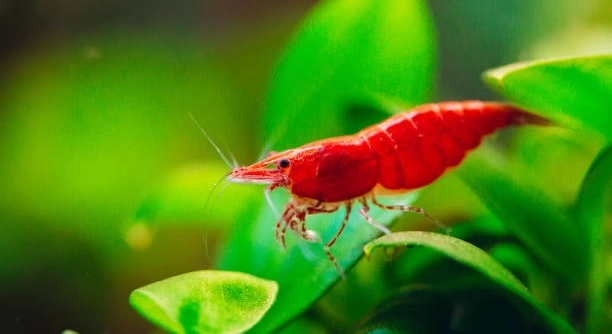
Cherry shrimp are small, colorful freshwater creatures that have become popular in home aquariums. Many people enjoy their bright red hues and gentle presence, making them a charming addition to any indoor aquatic setup.
Cherry shrimp can survive in a bowl under certain conditions, but it is not ideal. A bowl often lacks proper filtration, stable temperature, and sufficient space, which can stress the shrimp and reduce their lifespan and overall health.
Maintaining the right environment is crucial for their well-being, and understanding these details will help ensure your shrimp thrive in their aquatic home.
Why a Bowl Is Not Ideal for Cherry Shrimp
Keeping cherry shrimp in a bowl may seem simple, but it comes with several challenges. Bowls are usually small, limiting swimming space and making water quality harder to maintain. Without proper filtration, waste and uneaten food accumulate quickly, which can harm the shrimp. Temperature fluctuations are also more common in bowls because they lack stable heaters. Cherry shrimp thrive in environments where water is clean, stable, and well-oxygenated. Additionally, bowls often lack hiding spots, which are necessary for shrimp to feel secure, molt safely, and reduce stress. While it is possible to keep them alive for a short period, the shrimp’s lifespan and health may be significantly compromised. Regular water changes and careful monitoring are needed, but even then, a bowl cannot fully replicate the stability provided by a properly set-up tank. Choosing the right environment is essential for keeping cherry shrimp active, colorful, and healthy over time.
Keeping them in a bowl requires constant attention, which can be exhausting for most people.
For those who want to try, adding plants, small stones, and water conditioner can help maintain better water quality. Even with these adjustments, the limited space makes it harder to control ammonia levels, which can rise quickly. Stress from overcrowding or fluctuating conditions often results in color fading or weaker immune systems, leaving shrimp vulnerable to disease. A small, filtered tank with gentle circulation and stable temperature is more appropriate for long-term care. Live plants not only improve oxygen levels but also provide hiding spaces for molting shrimp. Monitoring water parameters such as pH, ammonia, nitrite, and nitrate is crucial, as small changes can have a significant effect in such a confined environment. Bowls may seem convenient, but they require more effort than they are worth if the goal is healthy, thriving shrimp. Considering a slightly larger tank reduces risk and supports natural behavior, allowing shrimp to grow and reproduce in a more stable setting.
Tips for Keeping Cherry Shrimp Healthy
Start with a proper tank size, ideally five gallons or more, to provide space and stability.
Regular water changes are key, but they must be gentle and consistent. Using dechlorinated water and checking temperature prevents sudden shocks. Avoid overcrowding, as too many shrimp raise stress and disease risks. Feeding should be measured to prevent leftover food from polluting the water. Adding live plants and decorations encourages natural hiding and molting behavior. Monitoring water parameters is essential; testing kits help maintain ideal conditions. Gentle filtration ensures water movement without creating strong currents that stress shrimp. Avoid placing the tank in direct sunlight or near heat sources, which can cause rapid temperature swings. Maintaining a balanced approach with steady care creates an environment where cherry shrimp can thrive, displaying vibrant colors and active behavior.
By carefully selecting tank size, managing water quality, and providing plants and hiding spaces, you can create a stable, low-stress habitat. A well-set-up environment allows cherry shrimp to behave naturally, grow healthier, and live longer. Even small adjustments, like adding moss or small stones, can improve their comfort and safety. Observing shrimp behavior can indicate when conditions need attention, such as increased hiding or sluggish swimming. Preventing rapid temperature changes, maintaining clean water, and avoiding overcrowding all contribute to healthier shrimp. With proper care, cherry shrimp display brighter coloration, more active movement, and successful molting cycles. Small tanks or bowls may be tempting, but long-term shrimp welfare requires thoughtful planning and steady maintenance. Ensuring the right conditions supports both their physical health and natural instincts, making shrimp care manageable and rewarding.
Water Quality and Maintenance
Maintaining stable water quality is essential for cherry shrimp. Ammonia, nitrite, and nitrate levels must be monitored regularly. Even small spikes can stress or kill shrimp. Regular, gentle water changes help maintain cleanliness without shocking them.
Water in a small bowl changes quickly and is harder to stabilize. Adding a few plants can help absorb toxins and improve oxygen levels, but filtration remains important. Test water parameters weekly, including pH, ammonia, nitrite, and nitrate. Avoid strong currents, as shrimp prefer gentle movement. Temperature fluctuations should also be minimized to prevent stress and color fading. Clean leftover food promptly to reduce waste buildup.
Even with consistent care, bowls can present challenges. Shrimp produce waste constantly, and limited water volume amplifies toxins. Filtration options for bowls are often inadequate, making it necessary to perform more frequent water changes. Small water volumes are also more susceptible to rapid temperature swings, which can affect molting and immunity. Live plants and mosses help maintain balance but cannot fully compensate for the lack of filtration and space. Observing shrimp for behavior changes can alert you to water issues before they become critical.
Feeding and Nutrition
Cherry shrimp require a balanced diet for health and color. Overfeeding leads to poor water quality and stress.
Feed sparingly, offering small amounts of shrimp pellets, blanched vegetables, or algae wafers. Remove uneaten food after a few hours to prevent decay. Variety ensures shrimp receive all necessary nutrients and maintain vibrant colors. Monitor shrimp during feeding to ensure all are eating, as weaker shrimp may struggle to compete for food in small spaces. Supplemental foods like biofilm or powdered algae can enhance nutrition and support growth, especially in minimal environments.
A small bowl cannot provide the natural grazing environment shrimp enjoy. Feeding in limited space requires attention to avoid overfeeding and water contamination. Live plants, moss, and driftwood encourage natural foraging while reducing leftover food accumulation. Maintaining a consistent feeding schedule helps regulate shrimp metabolism and supports healthy molting cycles. Even minimal water volume demands careful portioning, as leftover food can quickly lead to ammonia spikes. Observing shrimp activity after feeding provides insight into their health and helps detect problems early. Adapting feeding practices to the size of the bowl and shrimp population is crucial for long-term survival and vitality.
Tank Size Considerations
A larger tank is always better for cherry shrimp than a bowl. Even five gallons provide more stable water conditions, room for plants, and space for shrimp to swim freely. Small bowls limit their natural behavior and increase stress.
Limited space affects shrimp health and lifespan. Crowding leads to higher waste accumulation, more competition for food, and difficulty molting safely.
Plants and Hiding Spots
Live plants, mosses, and small decorations are essential for hiding spots. Shrimp need cover during molting and to feel secure. Providing a variety of plants also improves water quality by absorbing toxins and supplying surfaces for biofilm growth.
Monitoring Temperature
Stable temperature is crucial for shrimp survival. Sudden changes can cause stress, reduce appetite, and increase mortality.
Common Mistakes in Bowl Keeping
Overfeeding, skipping water tests, and neglecting temperature fluctuations are common errors. Each can quickly deteriorate water quality and threaten shrimp health. Regular monitoring and careful maintenance are required to avoid these problems.
FAQ
Can cherry shrimp survive long-term in a bowl?
Cherry shrimp can survive short periods in a bowl, but long-term survival is unlikely without frequent water changes, careful feeding, and added plants for cover. Small volumes of water make it difficult to maintain stable conditions, which are essential for their health and molting.
How often should water be changed in a bowl?
In a bowl, water should be changed at least once or twice a week. Smaller bowls may require more frequent changes. Always use dechlorinated water, and match the temperature to the existing water to prevent shock. Partial water changes are safer than replacing all water at once.
What is the ideal temperature for cherry shrimp?
Cherry shrimp thrive in temperatures between 68°F and 78°F (20°C–25°C). Consistency is more important than hitting an exact number. Sudden fluctuations can stress shrimp, cause color fading, and interfere with molting. Bowls heat or cool quickly, so monitoring is crucial.
What size bowl is acceptable for keeping shrimp temporarily?
A bowl of at least one gallon can house a small number of shrimp for a short period. Anything smaller increases the risk of rapid water parameter changes, stress, and poor health. Multiple gallons are preferred for stability and allowing natural behavior.
Can cherry shrimp live without a filter?
While they can survive briefly without a filter, it is not recommended. Waste accumulates quickly in small, unfiltered bowls, causing ammonia spikes and poor oxygen levels. Adding plants helps, but a small sponge filter or gentle filtration is ideal for long-term health.
How often should cherry shrimp be fed in a bowl?
Feed small amounts once a day or every other day. Overfeeding causes leftover food to decay and pollute water. Shrimp will graze on biofilm or algae naturally, but supplementing with pellets or blanched vegetables ensures balanced nutrition.
Do cherry shrimp need live plants?
Live plants are highly recommended. They provide hiding spaces for molting, surfaces for biofilm growth, and help absorb waste. Mosses, java fern, and small floating plants are ideal. In a bowl, plants can make a significant difference in water quality and shrimp well-being.
Can cherry shrimp reproduce in a bowl?
Reproduction is possible but not ideal in small bowls. Limited space, unstable water parameters, and stress can reduce breeding success. If shrimp do reproduce, juvenile shrimp are more vulnerable to poor water conditions and overcrowding, which can lower survival rates.
What are the signs of stress in cherry shrimp?
Shrimp may become pale, hide constantly, or show sluggish movement when stressed. Molting difficulties or sudden deaths are also common indicators. Stress often results from poor water quality, rapid temperature changes, or insufficient hiding spaces. Regular observation is necessary to catch these signs early.
How to make a bowl safer for shrimp?
Add live plants, moss, or small hiding spots to reduce stress. Perform regular partial water changes, monitor water parameters, and avoid overfeeding. Keep the bowl away from direct sunlight and drafts, and ensure stable temperatures. While still not ideal, these steps improve the shrimp’s chances of thriving.
Can cherry shrimp live with other aquatic animals in a bowl?
It is risky. Bowls cannot support multiple species well because space is limited and water quality deteriorates faster. Predatory fish or even fast-moving small fish can stress shrimp, leading to injury or death. It is safest to keep shrimp in a species-only setup in a small container.
How do you maintain proper pH in a bowl?
Cherry shrimp prefer a pH between 6.5 and 7.5. Test water regularly and use buffers if needed. Avoid sudden changes, as small bowls react quickly to additives. Live plants can help stabilize pH naturally by absorbing some waste and producing oxygen.
Is it necessary to remove uneaten food immediately?
Yes. Uneaten food decomposes quickly in a small bowl, producing ammonia and lowering oxygen levels. Removing leftovers ensures cleaner water, reduces stress, and prevents illness. Feed only what shrimp can consume in a few hours to maintain a stable environment.
How can I tell if water in the bowl is safe?
Observe shrimp behavior and test parameters. Active shrimp with vibrant colors usually indicate good water quality. Testing kits for ammonia, nitrite, nitrate, and pH are essential. Sudden changes in behavior or color fading signal water problems that must be addressed immediately.
Are chemical treatments safe for shrimp in a bowl?
Most chemicals can harm shrimp if overdosed. Use only shrimp-safe conditioners or medications when necessary. Even small amounts can have a stronger impact in limited water volumes. Natural solutions like plants and gentle water changes are generally safer and more effective.
How often should water temperature be checked?
Temperature should be monitored daily, especially in small bowls. Even slight fluctuations can stress shrimp. Use a small thermometer and keep the bowl away from heaters, drafts, or direct sunlight to maintain consistency and reduce sudden changes.
What is the lifespan of cherry shrimp in a bowl versus a tank?
In a bowl, cherry shrimp may live only a few months due to stress and unstable conditions. In a well-maintained tank with filtration, stable temperature, and plants, they can live up to two years, showing better color, activity, and reproductive success.
How do I encourage molting in a bowl?
Provide hiding spots, stable water parameters, and proper nutrition. Molting is stressful, and shrimp need safe spaces to shed their exoskeleton. In small bowls, overcrowding and poor water quality can prevent successful molts, leading to injury or death.
Can I use tap water for a bowl?
Tap water must be treated with a dechlorinator before adding shrimp. Chlorine or chloramine is toxic. Adjust temperature to match the existing water and test parameters before introducing it. Small bowls react quickly to chemical changes, so careful preparation is essential.
Are there alternatives to keeping shrimp in a bowl?
Yes. Small tanks of five gallons or more with gentle filtration and live plants provide more stable conditions, reduce stress, and support natural behavior. Bowls may work temporarily but do not support long-term health, breeding, or vibrant coloration.
How to know if a bowl is too small for my shrimp?
If water conditions change rapidly, shrimp appear stressed, or there is limited space for hiding and swimming, the bowl is too small. Even minor overcrowding in small volumes increases waste and risk of illness, making larger tanks the safer option.
Can I use a sponge filter in a small bowl?
Yes. A small sponge filter provides gentle filtration and aeration without creating strong currents. It helps maintain water quality, reduces toxins, and is safe for shrimp, including juveniles. Sponge filters are particularly useful in small, otherwise unfiltered containers.
How important is observation in a bowl setup?
Observation is critical. Shrimp react quickly to poor conditions, and early signs of stress or illness can prevent deaths. Daily checks for activity, color, feeding, and molting behavior help maintain a safe environment and allow timely adjustments.
Are all cherry shrimp equally hardy in a bowl?
No. Some shrimp tolerate stress better than others, but all are vulnerable in small, unfiltered environments. Genetic differences, age, and health affect resilience. Even hardy shrimp require proper care, stable water, and adequate space for long-term survival.
How do I reduce stress in a bowl?
Add hiding spots, maintain clean water, avoid sudden temperature changes, and feed appropriate amounts. Reducing disturbances and keeping the environment stable encourages natural behavior and improves survival.
Can I use substrate in a bowl?
Yes, a thin layer of fine substrate like sand or small gravel helps anchor plants, supports biofilm growth, and provides surfaces for shrimp to graze. Avoid thick layers that trap waste, which can degrade water quality.
What is the biggest risk of keeping shrimp in a bowl?
The greatest risk is unstable water quality. Small volumes make ammonia spikes, temperature swings, and oxygen depletion more likely, stressing shrimp and reducing lifespan. Regular monitoring and careful maintenance are essential to mitigate these risks.
How do I know when to move shrimp from a bowl to a tank?
If water requires constant changes, shrimp appear stressed, or population grows, it is time to upgrade to a proper tank. A larger, filtered environment ensures long-term survival, stable conditions, and better overall health.
Are decorative bowls safe for shrimp?
Decorative bowls can be used temporarily but often lack filtration, hiding spaces, and stable conditions. They are not suitable for long-term care or breeding. Prioritize functionality over aesthetics when planning shrimp habitats.
Can I mix cherry shrimp colors in a bowl?
Mixing colors is possible but increases population density, which can stress shrimp in a small bowl. Monitor water quality closely and ensure sufficient hiding spots to prevent aggressive behavior and stress-related health issues.
Is lighting important in a bowl setup?
Moderate lighting supports plant growth and biofilm development. Avoid intense, direct sunlight, which can overheat water and promote algae blooms. A balanced light schedule helps shrimp stay active and encourages healthy plant growth.
How do I acclimate shrimp to a new bowl?
Float the bag or container in the bowl water for 15–20 minutes, then slowly mix small amounts of bowl water into the bag over 30–60 minutes. This reduces shock from temperature or water parameter differences and improves survival chances.
What signs indicate a bowl is failing as a habitat?
Rapid water parameter swings, dead or stressed shrimp, excessive algae, and foul odors indicate the bowl is inadequate. Immediate intervention or upgrading to a larger tank is necessary to prevent further losses.
Can I breed cherry shrimp in a small bowl successfully?
Breeding is difficult due to limited space, water instability, and stress. Juveniles are highly sensitive to poor water quality. Successful breeding requires a larger, filtered tank with hiding spots and stable parameters to support healthy growth and reproduction.
How much attention does a bowl require compared to a tank?
Bowls require more frequent monitoring, water changes, and careful feeding because small water volumes change rapidly. A well-maintained tank provides stability, reducing daily maintenance while supporting healthier shrimp.
Can cherry shrimp live with snails in a bowl?
Some small snails are compatible and can help consume algae. Avoid large or fast-moving species that compete for food or stress shrimp. Even compatible snails require careful monitoring to prevent overpopulation and water quality issues.
Are commercial bowl kits suitable for shrimp?
Most commercial kits are decorative and lack filtration or space. They may work short-term but are not sufficient for long-term shrimp health. Upgrading to a proper tank is highly recommended.
What is the best way to handle shrimp in a bowl?
Handle sparingly and gently. Use a small net or container for transfers. Excessive handling causes stress, molting issues, and potential injury. Minimize disturbances to keep shrimp healthy.
Can cherry shrimp survive without plants in a bowl?
Yes, but they are more stressed. Plants provide hiding spaces, surfaces for biofilm, and help stabilize water. Without plants, shrimp may hide less, molt unsafely, and face higher mortality from water instability.
How long can cherry shrimp survive in poor bowl conditions?
Survival time is short—often weeks to a few months. Water instability, lack of hiding spots, and poor nutrition increase stress and reduce lifespan. Upgrading to a tank ensures longer survival.
Are bowls suitable for baby shrimp?
No. Juvenile shrimp are sensitive to water changes, temperature swings, and stress. Small bowls increase mortality risk. A larger, stable tank is better for raising young shrimp.
Can I decorate a bowl safely for shrimp?
Yes, but avoid sharp objects or items that leach chemicals. Smooth stones, driftwood, and safe plants provide hiding spaces and grazing surfaces without harming shrimp.
Do cherry shrimp need aeration in a bowl?
Yes, small bowls can have low oxygen levels. Gentle aeration through a sponge filter or small air stone helps maintain oxygen and supports healthier shrimp.
Can stress affect shrimp color in a bowl?
Yes. Stress from poor water quality, overcrowding, or temperature changes causes pale or dull colors. Reducing stress through stable conditions and hiding spaces improves vibrancy.
Is it better to keep one or multiple shrimp in a bowl?
A small number is safer, but too few may limit natural social behavior. Multiple shrimp increase waste and water instability. Balance population with bowl size to maintain stability.
Can I use bottled water for a bowl?
Yes, as long as it is free from chlorine and has balanced minerals. Testing pH, hardness, and other parameters ensures a safe environment. Bottled water alone may need supplementation for minerals shrimp need.
How do I prevent algae overgrowth in a bowl?
Limit light exposure, avoid overfeeding, and add live plants. Algae compete for nutrients and can reduce oxygen at night. Regular cleaning and careful maintenance help control algae levels.
Are cherry shrimp hardy enough for beginners in a bowl?
They are hardy but sensitive to unstable water. Beginners may struggle to maintain bowls, as water changes, temperature control, and feeding require careful attention. A small tank is a better starting point.
What is the main reason bowls fail for shrimp?
Rapid changes in water quality, temperature fluctuations, and lack of filtration are the main reasons. Even with plants and careful feeding, bowls remain high-risk environments for long-term shrimp health.
Can I move shrimp from a bowl to a tank safely?
Yes, acclimate them slowly by floating the container and gradually mixing water. This prevents shock from differences in temperature or parameters, improving survival during transfer.
Is gravel necessary in a bowl for shrimp?
Not strictly, but fine substrate supports plants, biofilm, and natural foraging behavior. Avoid deep layers that trap waste and degrade water quality.
Can cherry shrimp survive weekends alone in a bowl?
Short periods are possible with prior feeding and clean water, but extended absence increases risk. Water changes and monitoring are needed to prevent ammonia buildup and oxygen depletion.
How important is water hardness for shrimp in a bowl?
Moderate hardness supports molting and shell development. Soft or extremely hard water can cause stress, molting issues, or reduced lifespan. Test and adjust water if necessary.
Do shrimp need a lid in a bowl?
Yes, a lid prevents evaporation, keeps water temperature stable, and protects shrimp from pets or accidental spills. Ensure some airflow to maintain oxygen levels.
Can cherry shrimp live in cold water in a bowl?
They tolerate cooler temperatures but growth slows, molting may be delayed, and immune response decreases. Avoid sudden drops and keep water within a safe range for long-term survival.
How do I clean a shrimp bowl without stressing them?
Remove some water for a partial change, clean the substrate gently, and avoid disturbing plants or hiding spots. Maintain temperature and parameters to prevent shock.
Are cherry shrimp sensitive to chemicals in a bowl?
Yes. Small water volume amplifies chemical effects. Avoid cleaners, scented products, or pesticides near the bowl. Only use shrimp-safe treatments and conditioners.
Can shrimp survive in a sealed decorative bowl?
No. Sealed bowls restrict oxygen exchange and make waste buildup rapid. Open, ventilated setups with water changes are required for survival.
What is the safest number of shrimp for a small bowl?
One to five shrimp in a one-gallon bowl is manageable, but fewer is safer. More shrimp increase waste, stress, and water instability, reducing survival chances.
How often should I test water in a bowl?
At least weekly, or more frequently for very small volumes. Testing ammonia, nitrite, nitrate, and pH helps prevent sudden water quality issues.
Can shrimp live in a decorative vase?
Only temporarily. Most vases are small, unfiltered, and lack hiding spaces. They are suitable for observation but not for long-term survival.
Is it okay to leave a bowl under sunlight?
No. Direct sunlight causes temperature spikes, algae overgrowth, and oxygen depletion. Indirect, moderate lighting is safer and supports plant growth.
Can I use aquarium supplements in a bowl?
Yes, but very cautiously. Small bowls amplify chemical effects. Follow dosing instructions for small volumes and test water after treatment to ensure safety.
Do cherry shrimp need a constant light schedule in a bowl?
Moderate, consistent lighting helps plants and biofilm but avoid 24-hour light. A regular day-night cycle supports natural behavior and reduces stress.
Can shrimp survive with only plastic plants in a bowl?
Plastic plants offer hiding spots but do not improve water quality or provide surfaces for biofilm. They are less beneficial than live plants but better than no cover.
What is the best way to introduce new shrimp to a bowl?
Acclimate slowly by floating the new shrimp in the bowl water and gradually mixing in small amounts over 30–60 minutes. This reduces shock and increases survival.
How much space do cherry shrimp need per individual?
At least one gallon per 3–5 shrimp is recommended. More space improves swimming, reduces stress, and stabilizes water conditions for health and reproduction.
Are juvenile shrimp more sensitive than adults in a bowl?
Yes. Juveniles are more vulnerable to water changes, temperature swings, and stress. Small bowls are high-risk environments for young shrimp, requiring careful attention.
Can cherry shrimp live without molting in a bowl?
No. Molting is essential for growth and health. Stressful conditions can prevent successful molting, causing injury or death. Adequate hiding spots and stable water are crucial.
How do I know if a shrimp is molting successfully in a bowl?
Successful molts leave empty exoskeletons, and shrimp appear soft but recover in a few hours. Difficulty or failure often indicates stress or poor water conditions.
Can cherry shrimp live under LED lights in a bowl?
Yes, moderate LEDs support plants and biofilm growth. Avoid strong, direct light that overheats water or encourages algae blooms, which can stress shrimp.
Is it okay to keep shrimp in a glass jar temporarily?
For short periods, yes, but jars are small and unfiltered. They should only be used temporarily, with careful attention to water quality and temperature.
Can cherry shrimp tolerate low oxygen in a bowl?
No. Low oxygen causes stress, inactivity, and even death. Gentle aeration or plants that produce oxygen help maintain a safe environment.
How do I encourage natural behavior in a bowl?
Provide hiding spots, live plants, and a gentle environment. Proper feeding, stable water, and minimal disturbance allow shrimp to forage, molt, and explore naturally.
Can cherry shrimp survive if I forget to feed them for a few days?
They may survive short periods by grazing on biofilm and algae, but extended neglect risks malnutrition, weaker immune systems, and increased mortality.
Are cherry shrimp compatible with bettas in a bowl?
No. Bettas may attack or stress shrimp. Small bowls increase the risk due to limited space and hiding options. A species-only setup is safer.
**
Keeping cherry shrimp in a bowl is possible, but it is far from ideal. Bowls provide very limited space, which restricts their natural swimming and foraging behavior. Small water volumes make it difficult to maintain stable conditions, and even minor changes in temperature, pH, or ammonia levels can quickly become dangerous. While adding live plants, moss, or decorations can improve their environment slightly, these measures cannot fully compensate for the lack of filtration, aeration, and consistent water quality. Cherry shrimp are sensitive creatures, and their health and lifespan depend heavily on stable and clean water conditions. In a bowl, it is easy for stress to build up without visible warning signs, and stress can lead to color fading, molting issues, or even premature death.
Regular monitoring and maintenance are essential if a bowl is used. Water changes must be frequent, gentle, and carefully matched in temperature and parameters to prevent shock. Feeding must be controlled to avoid leftover food decaying in the water, which raises ammonia and reduces oxygen levels. Even small adjustments, such as adding live plants or a thin layer of substrate, can improve water stability and provide surfaces for biofilm, which shrimp feed on naturally. Observing the shrimp daily is necessary to detect early signs of stress or illness. Behavioral changes, hiding more than usual, or faded coloration are indicators that the environment is becoming unsuitable. Despite all precautions, bowls require far more attention than a properly set-up tank and still remain higher risk for long-term survival and well-being.
A properly maintained aquarium, even a small one of five gallons or more, is the most reliable way to keep cherry shrimp healthy and thriving. Tanks offer space for natural behavior, stable water conditions, and filtration to manage waste effectively. Live plants, decorations, and hiding spots support natural foraging, safe molting, and reduce stress. In contrast, bowls can be suitable only for short-term housing or temporary observation. Choosing the right habitat ensures that shrimp live longer, display brighter colors, and can reproduce successfully. Prioritizing their environment is essential, and while bowls may seem convenient, understanding the limitations and risks is crucial for responsible care.

Hello,
If you enjoy the content that we create, please consider saying a "Thank You!" by leaving a tip.
Every little bit helps us continue crafting quality advice that supports the health, happiness, and well-being of pets around the world, for pets of all shapes, sizes, and species.
We really appreciate the kindness and support that you show us!