
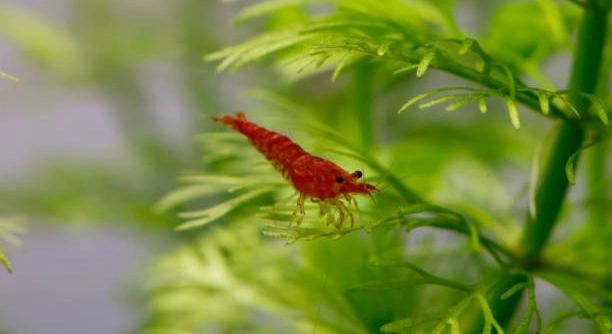
Cherry shrimp are small, colorful freshwater creatures that many aquarists enjoy keeping in their tanks. Their vibrant hues add life to any aquarium, making them a favorite for both beginners and experienced hobbyists alike.
Enhancing cherry shrimp coloration relies on proper nutrition, stable water conditions, and selective breeding. Providing a varied diet rich in carotenoids, maintaining optimal tank parameters, and reducing stress can significantly improve their natural red pigmentation over time.
Learning these simple steps can make caring for your shrimp more rewarding and ensure they remain bright, healthy, and visually appealing in your aquarium.
Feed a Color-Enhancing Diet
Cherry shrimp color improves significantly when their diet includes natural color boosters. Foods high in carotenoids, such as spirulina, krill, and algae wafers, are particularly effective. Offering a mix of these foods ensures shrimp receive essential nutrients for both health and pigmentation. Overfeeding should be avoided, as it can degrade water quality and reduce color intensity. Fresh vegetables like blanched spinach or zucchini can also contribute minor pigments while providing fiber. Protein-rich options, including finely chopped shrimp or fish flakes, support growth and overall vitality. Rotating food types helps maintain consistent color development and prevents nutritional gaps. It is important to feed small portions multiple times daily to encourage natural foraging behavior, which stimulates activity and enhances vibrancy. Avoid relying solely on artificial color foods, as natural sources yield the most stable and rich hues. A balanced approach to feeding ensures shrimp remain active, healthy, and vividly colored in the aquarium environment.
Consistent feeding with carotenoid-rich foods strengthens natural red coloration. Avoid overfeeding to maintain clean water and healthy shrimp.
Small adjustments in diet can make a noticeable difference over weeks. By observing shrimp response to food and gradually introducing new options, you can refine their diet to maximize color intensity. This approach ensures long-term health and visual appeal, while also keeping the tank environment stable.
Maintain Stable Water Conditions
Water quality directly affects shrimp coloration. Fluctuating parameters, like pH, temperature, or hardness, can stress shrimp, causing colors to fade. Maintaining stable temperature between 72–78°F, pH near 6.5–7.5, and soft to moderately hard water supports vibrant pigment retention. Regular water changes, about 10–20% weekly, remove waste buildup without shocking the shrimp. Avoid sudden chemical additions or rapid adjustments, as these can compromise immune response and diminish color. A well-planted tank with hiding spots reduces stress and encourages natural behavior, allowing pigments to develop fully. Consistency in water conditions promotes both health and coloration, giving cherry shrimp their bright, attractive appearance.
Stable, clean water and consistent parameters are essential for red intensity and overall shrimp vitality.
Maintaining optimal water conditions requires monitoring and patience. Test water regularly for ammonia, nitrites, nitrates, and general hardness, adjusting gradually when necessary. Filtration should be efficient but gentle, avoiding strong currents that can disturb shrimp. By keeping the tank environment stable, shrimp remain active, feed well, and display full color potential. Observing shrimp behavior can provide clues about water quality issues before they become severe. Proper substrate and plant selection also influence water chemistry and offer natural hiding spots, reducing stress and enhancing color. Over time, attention to water stability leads to more vibrant shrimp and a healthier, balanced tank ecosystem, making them easier to care for and more visually appealing.
Provide Hiding Spots
Hiding spots reduce stress and encourage natural behavior. Plants, moss, and small decorations give shrimp places to retreat, helping them feel secure and display stronger colors.
Dense planting with mosses, small caves, or leaf litter offers multiple hiding options. When shrimp feel safe, they are more active and willing to feed, which supports color development. Open spaces can lead to stress, causing shrimp to become pale or less vibrant. Layering plants and decorations also creates microhabitats with slightly different water flow and lighting, which helps shrimp explore and choose their preferred spots. Stress reduction through shelter allows natural pigmentation to develop fully, making red and orange tones richer. A well-structured environment benefits shrimp health, feeding behavior, and coloration simultaneously.
Providing varied hiding spots encourages exploration and supports healthy pigment expression. Observing how shrimp use these areas helps identify stress levels and adjust tank layout accordingly.
Avoid Overcrowding
Overcrowding increases competition for food and stress, reducing color intensity. Limiting the number of shrimp per tank ensures each one receives enough nutrition and space to thrive.
A lightly stocked tank prevents stress-related color fading. When too many shrimp share the same space, aggression or excessive hiding can occur, leading to uneven growth and muted pigmentation. Adequate swimming space allows shrimp to forage naturally, improving overall activity and promoting brighter coloration. Overcrowding can also impact water quality, as waste builds up faster, increasing ammonia and nitrate levels. By controlling population density, the tank remains stable, shrimp health improves, and colors remain vivid. Even spacing of food and strategic plant placement help reduce territorial disputes and keep all shrimp comfortable. Proper tank management ensures each individual has the conditions needed for maximum color development.
Maintaining low density improves health, feeding efficiency, and pigment expression. Observing behavior can guide adjustments to prevent overcrowding and stress, keeping shrimp visually striking.
Control Lighting
Proper lighting enhances shrimp color without stressing them. Moderate, consistent light encourages natural activity and pigment development.
Too much light can stress shrimp and promote algae overgrowth, which may reduce color intensity. A balanced photoperiod of 8–10 hours daily supports natural rhythms and vibrant hues.
Include Leaf Litter
Adding Indian almond leaves or oak leaves enriches water with tannins. Tannins slightly acidify water, reduce stress, and enhance red pigmentation naturally. Leaves also provide microhabitats for shrimp to explore, graze on biofilm, and molt safely.
Keep Stress Low
Stress from sudden changes or aggressive tankmates can cause shrimp to lose color. Maintaining calm conditions ensures healthy pigment retention.
FAQ
How often should I feed my cherry shrimp to improve their color?
Feeding small portions two to three times a day is ideal. Frequent, moderate feeding encourages natural foraging and ensures shrimp receive carotenoids consistently. Overfeeding can reduce water quality, which negatively affects pigmentation, so monitor leftovers and adjust amounts carefully.
Which foods are best for boosting red coloration?
Spirulina, krill, and algae wafers are excellent sources of carotenoids. Fresh vegetables like blanched spinach, zucchini, or carrot pieces can also contribute minor pigments. Protein-rich foods, such as finely chopped shrimp or fish flakes, support growth and overall health, indirectly improving color.
Can water temperature affect shrimp color?
Yes, water temperature directly influences metabolism and pigment expression. Maintaining a stable range between 72–78°F prevents stress and supports optimal coloration. Sudden changes can cause fading and reduce activity, so gradual adjustments are essential.
Do tank plants influence shrimp color?
Dense planting provides hiding spots, reduces stress, and encourages natural behavior. Moss, floating plants, and leaf litter create microhabitats, allowing shrimp to feel secure. When stress is minimized, pigments are retained better, and colors appear brighter over time.
How does water hardness impact pigmentation?
Soft to moderately hard water supports red coloration. Extremely hard or fluctuating water can stress shrimp, causing colors to fade. Monitoring general hardness (GH) and carbonate hardness (KH) ensures a stable environment that encourages natural pigment development.
Can stress really make shrimp lose color?
Yes. Stress from overcrowding, aggressive tankmates, sudden water changes, or poor water quality triggers a pale appearance. Reducing stress through hiding spots, proper tankmates, and stable conditions helps shrimp regain and maintain vibrant color.
Is it necessary to use color-enhancing commercial foods?
While commercial color boosters are convenient, natural carotenoid-rich foods are more stable and effective. Rotating natural foods with occasional color-enhancing flakes provides balanced nutrition and consistent pigment development. Avoid relying exclusively on artificial options.
How long does it take to see color improvements?
Visible changes usually appear within a few weeks of proper care. Consistency in diet, water quality, and stress reduction is key. Some shrimp may show gradual improvement over months, especially if they were previously pale or stressed.
Do leaf litter and tannins really help with color?
Yes. Leaves like Indian almond or oak release tannins, slightly acidifying water and reducing stress. This natural environment encourages healthier pigment expression while providing surfaces for grazing and safe molting.
What role does tank population play in color development?
A lightly stocked tank prevents competition and stress, ensuring all shrimp receive adequate nutrition and space. Overcrowding can reduce feeding opportunities, increase stress, and lead to paler colors. Monitoring population density supports both health and vibrant pigmentation.
Can molting affect shrimp color?
Yes. After molting, shrimp may appear paler until their new exoskeleton hardens. Providing proper nutrition and stable water during this period helps pigments return quickly and prevents prolonged fading.
Is lighting important for red coloration?
Moderate, consistent lighting enhances activity and pigment visibility without causing stress. Too much light can trigger hiding or stress responses, while too little may make colors appear dull. An 8–10 hour photoperiod works well for most tanks.
Can stress from tankmates impact color?
Aggressive or fast-moving tankmates can scare shrimp, causing them to hide frequently and lose color intensity. Choosing peaceful, compatible species helps maintain calm conditions and supports strong pigmentation.
Are there any signs that shrimp are not getting enough carotenoids?
Pale bodies, dull reds, or uneven color patches indicate insufficient carotenoids. Adjusting diet with spirulina, krill, or algae-based foods usually restores vibrant pigmentation over several weeks.
Do cherry shrimp colors fade with age?
Some fading can occur naturally, but proper diet, low stress, and stable water minimize this effect. Older shrimp with ideal conditions can maintain rich red hues until the end of their lifespan.
Can water changes improve color?
Regular water changes remove excess waste and maintain stability, which reduces stress and supports natural pigmentation. Small, consistent changes are better than large, infrequent ones to avoid shocking shrimp.
Is it better to breed selectively for color?
Yes, selectively breeding the brightest shrimp enhances overall red intensity in the population. Combining this with proper diet and water conditions maximizes the chances of producing vividly colored offspring.
How important is tank cleanliness for color?
High water quality is essential. Accumulated waste increases ammonia and nitrates, stressing shrimp and causing pale colors. A clean, well-filtered tank supports both health and pigmentation over time.
Can shrimp recover color after stress?
Yes. Once stressors like poor water quality, aggressive tankmates, or overcrowding are addressed, pigmentation gradually returns. Recovery is faster with proper diet and stable environmental conditions.
Are there any supplements that safely boost color?
Natural carotenoid powders or flakes can supplement diet safely. Avoid excessive artificial additives, as these may harm water quality and shrimp health. Balanced supplementation combined with varied natural foods is most effective.
Do shrimp need dark periods for color development?
Yes. Consistent day-night cycles help maintain natural rhythms. Providing 8–10 hours of light followed by darkness supports activity, feeding, and pigment expression, contributing to richer coloration.
Can I improve color without changing diet?
While some minor improvements may occur with stress reduction or hiding spots, diet is the primary factor. Consistent carotenoid intake is essential for vibrant red coloration and cannot be fully replaced by environmental adjustments alone.
How do I know if water chemistry is affecting color?
Pale or faded shrimp often indicate unstable pH, hardness, or ammonia levels. Regular testing and gradual adjustments help identify and correct chemical imbalances to maintain strong pigmentation.
Does tank size matter for coloration?
Larger tanks reduce stress by providing more space and hiding options. Sufficient room to forage naturally and avoid overcrowding helps shrimp maintain vibrant red coloration and supports overall health.
Can I mix shrimp of different color grades?
Yes, but be aware that less intensely colored shrimp may influence breeding outcomes. Selective pairing ensures offspring maintain the strongest possible pigmentation while preserving genetic diversity.
How long should I wait to see results from all adjustments?
Improvements usually take a few weeks, but full color development can take several months, depending on shrimp age, prior stress, and adherence to diet and water stability. Consistency is key for lasting results.
Are there visual cues that shrimp are happy and healthy?
Active foraging, frequent molting, bright color, and willingness to explore hiding spots indicate low stress and good health. Shrimp that remain hidden or appear dull may require diet or environmental adjustments.
Does algae in the tank help color?
Yes. Algae serve as a natural food source rich in pigments. Grazing on biofilm and algae contributes carotenoids, supplements diet, and encourages natural behavior, all of which improve color intensity.
Is selective lighting necessary for shrimp color?
Not mandatory, but moderate lighting enhances visibility of red pigments. Avoid intense direct light, which can stress shrimp, while ensuring enough illumination to support plant growth and natural activity.
Can stress from handling affect pigmentation?
Frequent handling or netting causes temporary stress, which can pale shrimp. Minimize disturbance and use gentle methods for relocation to protect color and overall health.
Are there differences between male and female coloration?
Females often display stronger red hues than males. Providing optimal conditions benefits both, but selective breeding may be required to achieve the most vivid colors in males.
Does seasonal change impact shrimp color?
Indirectly, yes. Seasonal fluctuations in room temperature or lighting can affect tank stability. Maintaining consistent water parameters and photoperiod prevents stress-related fading.
How do I combine all these factors effectively?
Focus on consistent diet, stable water, low stress, adequate hiding spots, and moderate lighting. Each factor supports pigment development, and combined, they maximize red coloration in cherry shrimp.
Can I maintain color in a low-tech tank?
Yes, by carefully managing feeding, water changes, and stress. While high-tech setups can offer more precise control, even simple tanks can produce vibrant shrimp with attention to basics.
Is breeding color-enhanced shrimp harder?
It requires careful selection, stable water, and a good diet. Brightly colored shrimp are more sensitive to stress, so maintaining ideal conditions is essential to preserve and enhance coloration in offspring.
Does tank age affect shrimp color?
A well-established tank provides stable water and biofilm growth, which benefits shrimp nutrition and reduces stress. Older, stable tanks often produce more vibrant shrimp than new, uncycled tanks.
Are there visual differences between stressed and healthy shrimp?
Stressed shrimp appear pale, hide frequently, or move less. Healthy shrimp show bright colors, are active, and graze openly. Monitoring behavior alongside color helps detect issues early.
Can I use supplements alongside natural foods?
Yes, light supplementation with carotenoid powders or flakes enhances diet. Overuse should be avoided, as it can affect water quality. Combining natural foods with occasional supplements yields the best results.
Do all shrimp respond the same way to these methods?
No. Individual shrimp may show varying responses based on genetics, age, and previous stress. Observing each shrimp allows you to adjust care for maximum color development.
How important is patience in improving shrimp color?
Very important. Pigment changes take time. Consistent care, attention to diet, water stability, and stress reduction ensures gradual, lasting improvement in red intensity.
Can color improvements last long-term?
Yes, with stable conditions, proper diet, and low stress. Regular maintenance ensures shrimp retain vibrant pigmentation throughout their life cycle.
What is the fastest way to see color improvements?
Combining a carotenoid-rich diet, stable water, adequate hiding spots, and minimal stress accelerates visible results. Immediate changes are rare, but consistent care produces noticeable improvement within weeks.
Are some shrimp naturally more colorful?
Yes. Genetic variation affects red intensity. Providing ideal care enhances their natural potential, but selective breeding may be needed for maximum coloration across generations.
Does water movement affect color?
Moderate, gentle flow supports oxygenation and prevents stagnation. Strong currents stress shrimp, causing pale coloration. Adjust filtration to maintain calm areas alongside circulation.
How do I monitor progress effectively?
Observe behavior, feeding, molting, and color over time. Taking periodic photos helps track subtle improvements and ensures that dietary or environmental adjustments are working.
Can shrimp regain color after illness?
Yes, recovery depends on proper care, diet, and water stability. Addressing the illness and providing optimal conditions allows pigmentation to return gradually.
Are there differences in color response among shrimp types?
Yes. Different strains of cherry shrimp vary genetically in their ability to develop red pigments. Care and diet enhance what each strain can naturally express.
How do I prevent color loss during molting cycles?
Ensure a balanced diet, stable water parameters, and minimal stress. Providing hiding spots allows safe molting, helping pigments redevelop quickly once the exoskeleton hardens.
Is there a seasonal feeding adjustment for color?
Not strictly necessary indoors, but maintaining consistent diet year-round supports steady pigment development. Seasonal changes in light or temperature should be minimized to prevent stress.
Does tank decoration influence coloration?
Yes. Natural decor, plants, and leaf litter reduce stress, provide grazing areas, and enhance overall comfort. Comfortable shrimp maintain better color and display more natural behavior.
Can I combine all these strategies in a single routine?
Yes. Feeding carotenoid-rich foods, maintaining stable water, reducing stress, providing hiding spots, controlling lighting, and monitoring population density together maximize color intensity. Consistency and patience are key to long-term success.
What is the most overlooked factor in color enhancement?
Stress reduction and hiding spots are often underestimated. Even with perfect diet and water, stressed shrimp will appear pale. Prioritizing calm conditions supports natural pigment expression effectively.
Are there any safety concerns with supplements or additives?
Avoid excessive artificial additives that can degrade water quality or harm shrimp. Use natural carotenoids and monitor water regularly to maintain a safe, healthy environment.
Does diet alone guarantee bright red coloration?
Diet is crucial, but without stable water, low stress, and adequate hiding spaces, pigments may not fully develop. A holistic approach ensures optimal results.
Can shrimp color fade temporarily for no apparent reason?
Yes, minor temporary fading can occur during molting, minor stress, or environmental fluctuations. With stable conditions and proper care, color usually returns within days to weeks.
How can I combine selective breeding with environmental care?
Select the brightest shrimp for breeding while maintaining ideal diet, water stability, and low stress. Combining genetics with proper care maximizes pigmentation potential for the next generation.
Is monitoring water chemistry daily necessary?
Daily monitoring is not required for most stable tanks, but frequent testing during changes or early setup helps prevent stress-related color loss and keeps shrimp healthy.
Can shrimp adapt to less-than-ideal conditions over time?
Some adaptation occurs, but suboptimal conditions often result in paler coloration and reduced vitality. Maintaining proper care ensures shrimp display their natural color potential consistently.
Does the age of shrimp affect how well they respond to these methods?
Younger shrimp may develop pigment faster with optimal care, while older shrimp may take longer to regain or enhance color. Consistent care benefits all age groups.
Are there specific tank setups better for color development?
Planted tanks with stable parameters, gentle flow, hiding spots, and moderate lighting are ideal. Simpler or heavily decorated tanks may still work but require careful observation.
Can stress from water parameter fluctuations be reversed?
Yes, gradual stabilization and supportive care allow shrimp to recover color. Immediate changes should be avoided to prevent further stress.
How does biofilm contribute to coloration?
Biofilm provides natural food and carotenoids, supporting nutrition and pigment development. Leaf litter, moss, and surfaces for grazing enhance shrimp activity and overall color intensity.
Is tank mate selection critical for color enhancement?
Absolutely. Aggressive or fast-moving species stress shrimp, reducing pigmentation. Peaceful, compatible tankmates allow normal behavior, feeding, and optimal coloration.
Can shrimp display maximum color in a community tank?
Yes, if stress is minimized, water is stable, and diet is consistent. Careful planning and observation ensure shrimp retain vibrant colors even with other species present.
How do I balance color enhancement with general shrimp health?
Focus on a balanced diet, stable water, low stress, and adequate space. Color improvements are sustainable only when overall health is maintained, ensuring longevity and vitality.
Are there common mistakes that prevent color improvement?
Overfeeding, overcrowding, unstable water, insufficient hiding spots, and ignoring stress signs are frequent issues. Correcting these factors leads to noticeable pigment enhancement over time.
Can shrimp lose color permanently if stressed too long?
Prolonged stress can cause long-lasting fading, but with corrective care, partial recovery is often possible. Early intervention ensures better results.
Does light spectrum matter for shrimp color?
Natural or full-spectrum lighting highlights red tones without causing stress. Avoid extreme intensity or harsh blue/white light that may reduce comfort and pigmentation.
Can I improve color in a tank without live plants?
Yes, but hiding spots and natural surfaces like leaf litter or decorations are necessary to reduce stress. Without plants, extra care is required to maintain comfort and support pigmentation.
Is there a difference between fast and slow-growing shrimp in color intensity?
Slow-growing shrimp often show richer pigmentation naturally, while fast-growing shrimp may appear paler until maturity. Adequate nutrition and care help balance growth and coloration.
Can shrimp regain lost color after a move?
Yes, gradual acclimation, proper diet, and stable water help shrimp recover color after relocation. Sudden changes may cause temporary fading.
How do I prevent future color loss?
Maintain consistent diet, stable water parameters, low stress, proper population density, and sufficient hiding spots. Routine observation and minor adjustments keep shrimp healthy and vibrant long-term.
Is genetics more important than care for color?
Both matter. Genetics set the potential for pigmentation, while proper care ensures this potential is expressed fully. Optimal results come from combining strong genetics with ideal environmental conditions.
How can I track progress in color enhancement?
Regular observation, journaling, or photographing shrimp helps track subtle changes. Comparing progress over time reveals the effectiveness of diet, water management, and environmental adjustments.
Can stress from noisy environments affect shrimp color?
Yes. Vibrations or constant disturbances can stress shrimp, leading to paler coloration. Quiet, stable surroundings contribute to calmer behavior and better pigment expression.
Is it necessary to isolate shrimp when boosting color?
Isolation is not required if the tank is well-managed. Avoid aggressive or overcrowded conditions instead. Stress reduction, proper diet, and stable water are more critical than isolation.
Can I use a combination of foods and supplements together?
Yes, a varied approach using natural carotenoid foods with occasional supplementation supports nutrition and pigment development. Consistency and moderation are key.
Does water pH fluctuation affect long-term color retention?
Frequent swings in pH stress shrimp and can cause color fading. Maintaining stable, slightly acidic to neutral pH ensures lasting pigmentation.
Do shrimp lose color when sick?
Yes, illness often causes paleness. Treating the condition and providing optimal care allows pigments to return gradually.
How do I prevent fading during molting?
Stable water, hiding spots, and proper nutrition ensure shrimp regain color quickly post-molt. Minimal disturbance during this vulnerable period supports pigment recovery.
Can I enhance color in both males and females equally?
Females usually show stronger red coloration naturally. Care, diet, and environment improvements benefit both sexes, but genetic differences may cause males to appear less vivid.
Are small tanks suitable for color enhancement?
Yes, if overcrowding is avoided and hiding spots are provided. Proper diet and stable water conditions are more important than tank size alone.
Do seasonal lighting changes affect shrimp color indoors?
Indirectly. Maintaining consistent photoperiod and light intensity prevents stress and color fading caused by seasonal fluctuations in natural light.
Is there a difference between artificially colored foods and natural sources?
Natural carotenoid-rich foods produce more stable, long-term pigmentation. Artificial colors may temporarily enhance appearance but are less effective for lasting intensity.
How important is consistent observation?
Observing shrimp behavior, feeding, and color regularly helps identify stress or nutritional gaps early, allowing timely adjustments to maintain vibrant pigmentation.
Can shrimp display brighter colors in a planted tank versus a bare tank?
Yes. Plants reduce stress, provide hiding spots, and support natural grazing, all of which enhance pigment development and overall color vibrancy.
Does tank water age impact shrimp color?
Established, cycled tanks provide stable conditions and biofilm growth, promoting healthier shrimp and more vivid coloration compared to new
Cherry shrimp are fascinating little creatures, and their colors can brighten any aquarium. Maintaining vibrant red hues is not only about making them look good but also about ensuring they are healthy and stress-free. A combination of proper diet, stable water conditions, adequate hiding spots, and careful tank management all work together to support their natural pigmentation. Over time, paying attention to these details allows shrimp to display their full potential, and seeing their color improve is a rewarding experience.
A well-balanced diet is one of the most important factors in enhancing cherry shrimp color. Foods rich in carotenoids, such as spirulina, krill, and algae wafers, provide the building blocks for strong red pigments. Supplementing with fresh vegetables, blanched zucchini, spinach, or carrot pieces adds nutrients while offering natural grazing opportunities. Protein sources like finely chopped shrimp or fish flakes support growth and vitality, indirectly influencing color. Feeding small portions multiple times a day encourages natural foraging behavior and prevents waste buildup that can degrade water quality. Consistency in diet ensures the shrimp receive what they need without causing stress or health issues.
Water quality and environmental stability also play a critical role in color development. Fluctuating temperatures, pH levels, or hardness can stress shrimp, leading to paler colors or hiding behavior. Regular water changes, careful monitoring, and gentle filtration help maintain a stable environment. Adding leaf litter or moss provides hiding spots and grazing surfaces, which reduce stress and allow shrimp to show their best colors. Controlling tank population and avoiding overcrowding ensures each shrimp has enough food and space to thrive. By combining these environmental factors with a nutrient-rich diet and low-stress conditions, cherry shrimp can maintain vivid, healthy coloration for an extended period, making the aquarium more visually appealing and rewarding to care for.

Hello,
If you enjoy the content that we create, please consider saying a "Thank You!" by leaving a tip.
Every little bit helps us continue crafting quality advice that supports the health, happiness, and well-being of pets around the world, for pets of all shapes, sizes, and species.
We really appreciate the kindness and support that you show us!