
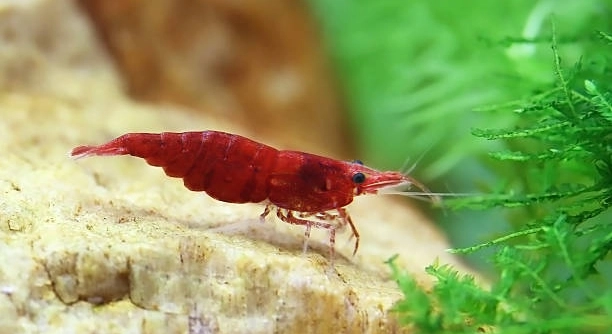
Cherry shrimp are small, colorful creatures that bring life to any freshwater tank. They need the right environment to feel secure and thrive, and providing this safety helps them display natural, healthy behaviors.
Cherry shrimp feel safe when their tank includes plenty of hiding spaces, stable water conditions, minimal stress from tankmates, and a consistent feeding routine. These factors collectively support their well-being and reduce their risk of illness or premature death.
Learning how to create a safe space for cherry shrimp can improve their health, activity, and color, making your tank a more vibrant, balanced environment.
Providing Plenty of Hiding Spots
Cherry shrimp are naturally timid creatures. They feel most secure when they have access to plants, moss, rocks, and other structures that let them hide. These spaces allow them to escape stress, whether from more active tankmates or sudden movements outside the tank. Shrimp use hiding spots to molt safely, a critical time when they are vulnerable. Dense vegetation and small caves or crevices mimic their natural environment, reducing stress levels and encouraging natural behavior. Adding floating plants can also give them shaded areas that reduce light exposure, which can be overwhelming. It’s important to arrange decorations in a way that creates multiple routes and safe zones, so shrimp can move freely without feeling trapped. Overcrowding decorations can reduce swimming space, so balance is key. Observing shrimp behavior over time helps you understand which areas they prefer, allowing you to make adjustments and keep them comfortable.
Hiding spots improve shrimp activity and color while lowering stress levels in the tank environment.
Arranging a mix of moss, leaf litter, and small caves gives shrimp multiple safe zones. This setup reduces aggression, supports molting, and encourages exploration, creating a stable and healthy tank environment that supports overall well-being.
Maintaining Stable Water Conditions
Stable water parameters are critical for shrimp health. Sudden changes in temperature, pH, or hardness can cause stress and illness. Shrimp are sensitive to fluctuations, so frequent testing is necessary. Small, gradual changes are safer when adjusting tank conditions. Regular partial water changes help maintain balance, removing waste while keeping essential minerals intact. Consistent temperature and filtration reduce stress, while avoiding harsh chemicals ensures they remain healthy. Keeping the tank well-cycled also prevents spikes in ammonia and nitrites. Shrimp thrive in a steady environment where they can predict daily conditions, which encourages feeding and natural activity. Monitoring water closely allows you to detect issues early and make small corrections. Investing in reliable test kits and a stable heater makes this process easier, reducing sudden environmental shocks.
Stable water prevents illness and supports healthy behavior.
A consistent temperature, proper filtration, and careful water changes maintain a stress-free habitat. Monitoring pH, hardness, and ammonia ensures shrimp stay active and healthy, fostering a safe, thriving tank.
Minimizing Tankmate Stress
Shrimp feel safest when they are not constantly chased or stressed by other tankmates. Peaceful species reduce fear and allow shrimp to explore freely.
Keeping cherry shrimp with aggressive or large fish can lead to hiding, injury, or even death. Small, calm species like snails or small tetras are ideal companions. Observing interactions daily helps identify stress signs early. If shrimp appear skittish or hide excessively, it may indicate the tank is too stressful. Proper stocking levels, gentle feeding routines, and adequate hiding spaces further reduce stress. Balancing activity in the tank ensures shrimp remain confident and active while coexisting with other creatures, maintaining both health and vibrant coloration.
Providing gentle tankmates improves shrimp comfort and reduces injuries while encouraging natural behavior, making the aquarium a more balanced environment.
Avoiding aggressive species and ensuring enough hiding areas allows shrimp to move and feed without fear, promoting natural activity and long-term health in a shared tank.
Consistent Feeding Routine
Shrimp rely on a regular feeding schedule to feel secure and healthy. Skipping meals or changing foods suddenly can cause stress and lethargy. A consistent routine establishes predictability, which makes shrimp more confident and active.
Offering small portions of high-quality food daily prevents overfeeding and maintains water quality. Foods like algae wafers, blanched vegetables, and biofilm encourage natural foraging behaviors. Observing feeding habits allows you to adjust portions and avoid waste. Uneaten food should be removed to prevent water contamination, which can harm shrimp and disrupt tank stability. Mixing occasional protein-rich treats supports growth and molting. Shrimp quickly learn where and when to find food, increasing their comfort and reducing erratic behavior caused by hunger.
Regular feeding promotes healthy growth, vibrant coloration, and more active shrimp, while maintaining water quality and tank stability.
A stable feeding routine also strengthens shrimp confidence, encourages foraging behavior, and minimizes stress caused by unpredictability in the tank environment.
Gentle Water Flow
Cherry shrimp prefer areas with low to moderate water flow. Strong currents can stress them and make it difficult to feed or rest.
Positioning filters and pumps to create calmer zones helps shrimp move freely and reduces exhaustion. Plants and decorations can break up the flow for comfort.
Adequate Tank Size
A tank that is too small increases stress and limits natural behavior. Shrimp need space to explore, hide, and molt safely. A minimum of 10 gallons provides enough room for colonies to thrive without overcrowding, while also maintaining stable water conditions.
Proper Lighting
Shrimp feel safer under moderate lighting. Bright lights can cause hiding and reduce activity. Adjusting light intensity or using floating plants helps create shaded areas, allowing shrimp to forage comfortably while avoiding stress.
FAQ
How often should I feed cherry shrimp?
Cherry shrimp do best with small, frequent feedings. Offering food once or twice a day is usually enough. Overfeeding can pollute the tank and stress the shrimp. A balanced diet of algae wafers, blanched vegetables, and occasional protein treats keeps them healthy and active.
What water parameters are ideal for cherry shrimp?
Stable water is essential. Maintain a temperature between 72–78°F (22–25°C), a pH around 6.5–7.5, and soft to moderately hard water. Avoid sudden changes in temperature or pH, as shrimp are sensitive and can become stressed or ill if conditions fluctuate.
How can I tell if my shrimp are stressed?
Signs of stress include hiding constantly, loss of color, reduced activity, or molting problems. If shrimp are clinging to surfaces or appearing lethargic, the tank conditions may need adjustment. Providing hiding spots, gentle tankmates, and stable water can reduce stress.
Can cherry shrimp live with other fish?
Yes, but choose peaceful, small species. Aggressive or large fish may chase or eat shrimp. Snails, small tetras, or other invertebrates are safer companions. Monitoring interactions is important to ensure shrimp feel secure and are not constantly hiding.
How often should I change the water?
Partial water changes of 10–20% weekly help maintain water quality. This removes waste and prevents spikes in ammonia or nitrites without stressing shrimp. Always use water that matches temperature and parameters to avoid shocking them.
What kind of hiding spots are best?
Dense plants, moss, caves, or leaf litter give shrimp safe zones. These areas reduce stress during molting and allow them to forage confidently. Creating multiple hiding areas ensures shrimp can escape potential threats or tankmate activity.
How can I encourage shrimp to breed?
Stable water conditions, a varied diet, and plenty of hiding spots support breeding. Females carry eggs under their tails, and fry need places to hide. Avoid strong currents and aggressive tankmates to ensure young shrimp survive and grow.
Is lighting important for shrimp comfort?
Yes, moderate lighting is best. Bright lights can stress shrimp, causing them to hide. Floating plants or shaded areas allow them to forage comfortably and reduce anxiety. Adjusting light intensity gradually helps shrimp adapt without disruption.
How do I prevent disease in my shrimp tank?
Maintaining clean water, stable parameters, and a balanced diet reduces disease risk. Avoid overstocking and remove uneaten food promptly. Quarantining new shrimp before introducing them also prevents infections from spreading. Observation is key for early detection and treatment.
Can cherry shrimp tolerate other water conditions?
They can adapt slightly, but sudden changes in temperature, pH, or hardness can be harmful. Gradual adjustments and careful monitoring help shrimp stay healthy while avoiding stress. Consistency in their environment is crucial for longevity and well-being.
How many shrimp should I keep in one tank?
A minimum of 10 gallons is recommended for small colonies. Overcrowding can increase stress, reduce water quality, and lead to aggression. Adequate space allows shrimp to explore, hide, and molt safely, promoting a balanced and healthy community.
Do cherry shrimp need special substrates?
Fine gravel or sand works best. Substrates can affect water parameters, so choose materials that do not alter pH or hardness dramatically. A planted substrate also encourages natural foraging and biofilm growth, which shrimp feed on.
What should I do if a shrimp dies?
Remove the shrimp promptly to prevent water contamination. Check water parameters to ensure stability and observe the rest of the colony for stress or illness signs. Adjust tank conditions as needed to maintain a healthy environment.
Can shrimp recognize their environment?
Yes, they learn where hiding spots, food sources, and safe zones are. Providing consistent structures and feeding routines allows them to feel secure and reduces stress over time.
How do I maintain proper water flow for shrimp?
Low to moderate flow is ideal. Strong currents make it hard for shrimp to feed or rest. Positioning filters carefully and using plants or decorations to break flow helps create calmer zones where shrimp feel comfortable.
Are cherry shrimp social animals?
Yes, they do best in small groups. Social interaction promotes natural behavior and reduces stress. However, overcrowding should be avoided, as it can increase competition for food and hiding spots, affecting overall well-being.
How long do cherry shrimp live?
With proper care, cherry shrimp typically live 1.5–2 years. Stable water, a balanced diet, and minimal stress extend their lifespan. Observing behavior and adjusting the tank as needed supports long-term health.
Do shrimp need special care during molting?
Yes, molting is a vulnerable time. Hiding spots are essential, and stable water conditions prevent stress. Avoid handling or disturbing shrimp during this period, and provide enough calcium or mineral-rich foods to support shell development.
What plants are best for shrimp tanks?
Mosses, java fern, and floating plants provide cover and surfaces for biofilm growth. Dense plants reduce stress, create hiding areas, and encourage natural foraging behavior, improving overall shrimp comfort and activity.
Can I use fertilizers in a shrimp tank?
Yes, but only those safe for invertebrates. Avoid chemicals containing copper or harsh substances. Plant fertilizers should be shrimp-safe, applied carefully to prevent water contamination while supporting healthy plant growth.
How do I introduce new shrimp safely?
Quarantine new shrimp in a separate tank for 1–2 weeks. This prevents disease transmission. Acclimate them slowly to the main tank’s water conditions to reduce stress and improve survival rates.
How do I maintain shrimp color?
A balanced diet, stable water, and low stress help shrimp display vibrant colors. Foods rich in carotenoids, like algae and vegetables, enhance red pigmentation naturally, while consistent lighting and gentle tankmates reduce fading due to stress.
Are shrimp sensitive to sudden noises or vibrations?
Yes, vibrations and sudden movement can startle them. Placing the tank in a quiet area and minimizing disturbances helps shrimp remain calm and active, reducing stress-related health issues.
Can I breed different shrimp species together?
It is not recommended, as hybrids may be less healthy and could affect coloration or behavior. Keeping a single species ensures colony stability and predictable care requirements.
What temperature changes are safe for cherry shrimp?
Small, gradual changes are safe. Rapid shifts in temperature can cause stress or death. Use a reliable heater and monitor conditions carefully to maintain a steady environment suitable for long-term health.
How do I prevent algae overgrowth?
Balanced lighting, moderate feeding, and regular maintenance control algae. Adding algae-eating species or trimming plants can also help. Excess algae can harm water quality and reduce hiding spaces, increasing stress for shrimp.
Are shrimp affected by water hardness?
Yes, water hardness impacts molting and shell development. Soft to moderately hard water is ideal. Maintaining stable GH and KH levels ensures proper growth and reduces stress during molting.
What is the best way to clean a shrimp tank?
Perform regular partial water changes, gently vacuum the substrate, and remove uneaten food. Avoid harsh chemicals or excessive disturbance to prevent stressing the shrimp and maintain a healthy, stable environment.
Can cherry shrimp live in a nano tank?
Yes, if water parameters are stable and the tank is not overcrowded. Nano tanks require careful monitoring of water quality, feeding, and hiding spaces to support a healthy, stress-free shrimp colony.
Do shrimp recognize their owners?
Shrimp do not recognize people individually but can learn feeding routines and locations. Consistent interaction, like regular feeding, helps them feel secure and encourages natural foraging behavior in their tank.
How do I handle sudden shrimp deaths?
Investigate water parameters, check for disease, and remove dead shrimp immediately. Adjust tank conditions as needed and observe the colony for stress or signs of illness to prevent further losses.
What role does biofilm play in a shrimp tank?
Biofilm is a key food source for shrimp. Encouraging its growth on plants, substrate, and decorations supports natural foraging, provides nutrients, and reduces stress by keeping shrimp engaged and active.
Can cherry shrimp survive without plants?
They can survive but are less secure and active. Plants provide hiding spots, food sources, and shaded areas, reducing stress and supporting natural behaviors essential for health and reproduction.
How important is tank maintenance?
Regular maintenance ensures stable water, clean surfaces, and healthy shrimp. Consistent care prevents stress, disease, and poor growth, making the tank a safe and thriving environment for the colony.
Do shrimp need specific minerals?
Yes, calcium and magnesium support shell development and molting. Providing mineral-rich foods or supplements ensures proper growth and reduces vulnerability during molting periods.
How can I improve shrimp activity?
Stable water, adequate hiding spots, gentle tankmates, and a balanced diet encourage shrimp to move and explore. Predictable feeding routines also stimulate natural foraging behaviors.
Are cherry shrimp affected by water currents?
Yes, strong currents can exhaust or stress shrimp. Creating gentle flow zones allows them to forage, rest, and molt safely, promoting comfort and long-term health.
Can shrimp live with snails?
Yes, snails are peaceful and generally compatible. They help clean the tank while not disturbing shrimp. Observing interactions ensures both species remain healthy and stress-free.
How do I prevent shrimp from escaping?
Ensure the tank has a secure lid and no gaps around filters or decorations. Shrimp may climb if conditions are uncomfortable, so a safe, well-covered tank prevents escapes.
What is the ideal colony size?
Starting with at least 10–15 shrimp ensures social behavior and natural activity. Overcrowding should be avoided to maintain water quality, hiding space, and overall health of the colony.
Can cherry shrimp live in community tanks?
Yes, with peaceful fish and sufficient hiding spaces. Monitoring interactions is important to prevent stress or predation. Proper tank setup supports coexistence without compromising shrimp well-being.
Do shrimp need supplements?
Yes, occasional calcium or mineral supplements support molting and shell strength. A balanced diet usually provides most nutrients, but supplements help prevent deficiencies and promote healthy growth.
How can I prevent molting problems?
Provide stable water, mineral-rich foods, and adequate hiding spots. Avoid disturbances during molting, as stress can cause incomplete molts, which are dangerous for shrimp health.
Are shrimp affected by tank decorations?
Yes, decorations can provide hiding spaces, break water flow, and support biofilm growth. Avoid sharp edges or overcrowding, which can stress shrimp or limit swimming space.
How do I acclimate new shrimp?
Float the bag in the tank for temperature adjustment, then slowly mix tank water over 30–60 minutes. This reduces stress and helps shrimp adapt to new water parameters safely.
Can cherry shrimp live in low-tech tanks?
Yes, they thrive in low-tech setups with stable water, plants, and gentle filtration. Low-tech tanks require careful monitoring of feeding and water quality to maintain shrimp health.
What foods should I avoid for shrimp?
Avoid heavily processed foods or anything containing copper or harsh chemicals. These can be toxic and cause stress or death. Stick to shrimp-safe foods, vegetables, and algae-based options.
How do I tell males from females?
Females are usually larger and have a rounded underbelly for carrying eggs. Males are smaller and slimmer. Observing these differences helps monitor breeding and colony health.
Do cherry shrimp need a filter?
Yes, gentle filtration maintains water quality and circulation without stressing shrimp. Sponge filters are ideal, providing clean water while preventing shrimp from being sucked in.
Can shrimp survive sudden temperature drops?
No, sudden drops can be fatal. Gradual adjustments with a reliable heater and careful monitoring prevent stress, disease, and death. Stable temperatures are essential for survival.
How do I prevent stress during tank cleaning?
Perform partial water changes and clean gently. Avoid disturbing shrimp or removing hiding spots. Using a slow siphon and keeping the environment calm helps maintain comfort and reduces stress.
Do shrimp need companions?
Yes, social interaction with other shrimp encourages natural behaviors. However, overcrowding should be avoided to prevent competition for food and space, ensuring a balanced and healthy colony.
How do I maintain shrimp color naturally?
Provide a varied diet with carotenoid-rich foods, maintain stable water, and reduce stress. Healthy conditions enhance natural coloration and overall vitality, keeping shrimp vibrant and active.
Can I use tap water for shrimp?
Yes, if properly treated to remove chlorine and chloramine. Adjust parameters to match shrimp requirements and ensure stable water conditions before introducing them to the tank.
What is the best way to monitor shrimp health?
Observe behavior, coloration, and activity daily. Regular water testing, watching for molting problems, and noting interactions with tankmates helps detect early signs of stress or illness for timely intervention.
Are shrimp affected by seasonal changes?
Yes, temperature fluctuations and changes in lighting can stress shrimp. Using heaters and maintaining consistent lighting schedules minimizes seasonal impact and keeps shrimp comfortable year-round.
Can shrimp survive in unplanted tanks?
They can, but plants provide food, hiding spots, and shaded areas. Unplanted tanks may increase stress and reduce activity, affecting growth, coloration, and reproduction.
How do I reduce aggression in a shrimp tank?
Avoid aggressive fish, maintain hiding spots, and ensure adequate space. Gentle tankmates and a balanced environment reduce stress, allowing shrimp to behave naturally without fear of attack.
Do shrimp need a night cycle?
Yes, a regular light-dark cycle helps regulate behavior and activity. Providing a consistent schedule supports foraging, molting, and overall health, reducing stress from irregular lighting.
Can I breed shrimp in a small tank?
Yes, but ensure stable water, hiding spaces, and proper feeding. Overcrowding can reduce survival rates, so monitor growth and maintain balance for successful breeding.
What is the best substrate for biofilm growth?
Fine gravel, sand, or plant substrates encourage biofilm development. Biofilm provides a natural food source, supports foraging behavior, and contributes to overall shrimp health and comfort.
How do I know if shrimp are healthy?
Active swimming, bright coloration, regular molting, and consistent feeding habits indicate good health. Observing behavior and maintaining stable water helps ensure long-term well-being.
Can shrimp survive with fluctuating pH?
No, sudden pH changes can stress or kill shrimp. Gradual adjustments and stable conditions are essential for survival and healthy behavior.
How often should I test water?
Weekly testing of ammonia, nitrites, nitrates, pH, and hardness helps detect problems early. Consistent monitoring maintains a safe and stable environment for shrimp to thrive.
Are cherry shrimp sensitive to chemicals?
Yes, copper, medications, and certain fertilizers are harmful. Only use shrimp-safe products to prevent illness, stress, or death in the colony.
What is the best tank temperature for breeding?
Around 74–78°F (23–25°C) supports reproductive activity. Stable water and hiding spaces increase the success rate of mating and survival of fry.
Can shrimp survive without live plants?
They can survive but may lack sufficient hiding spots and natural food sources. Live plants improve security, nutrition, and stress reduction, supporting healthy shrimp populations.
How do I introduce new plants safely?
Rinse thoroughly to remove pesticides or pests. Quarantining or cleaning plants before placing them in the tank prevents contamination and protects shrimp health.
Do shrimp eat algae naturally?
Yes, they graze on biofilm and algae that form on plants, substrate, and decorations. This natural behavior supports their diet and keeps surfaces clean.
How do I maintain shrimp population balance?
Monitor breeding, remove excess shrimp if necessary, and ensure adequate space and food. Proper management prevents overcrowding, stress, and water quality issues.
Can shrimp survive in slightly brackish water?
No, cherry shrimp prefer freshwater. Even small amounts of salt can stress or harm them. Freshwater with stable parameters is essential for long-term survival.
How do I prevent shrimp from getting lost in the tank?
Provide clear hiding spots and avoid excessive decorations that block movement. Observing their behavior ensures they have access to safe zones without becoming trapped or stressed.
Do shrimp need supplemental calcium?
Yes, calcium supports molting and shell strength. Providing mineral-rich foods or supplements helps prevent deformities and promotes healthy growth.
Are shrimp sensitive to vibrations?
Yes, vibrations can startle shrimp, causing hiding or stress. Placing the tank in a quiet, stable location helps maintain comfort and natural behavior.
How do I ensure healthy molting cycles?
Provide stable water, hiding spots, and mineral-rich foods. Reducing stress and maintaining proper diet supports successful molts and prevents complications that could harm shrimp.
Can shrimp survive with fish that nip fins?
No, fin-nipping or aggressive fish can stress or injure shrimp. Choosing peaceful tankmates ensures shrimp feel safe and reduces the risk of harm.
What is the ideal colony structure?
A balanced mix of males and females in a well-planted tank supports natural behavior, breeding, and social interaction. Avoid overcrowding to maintain health and water quality.
How do I avoid shrimp cannibalism?
Provide enough food, hiding spots, and avoid overcrowding. Stress and lack of resources can lead to aggression, so a balanced environment is crucial for colony harmony.
Can cherry shrimp live with bettas?
It depends on the betta’s temperament. Some bettas may ignore shrimp, while others may attack. Careful observation and safe hiding areas are necessary for coexistence.
Do shrimp need a quarantine period?
Yes, quarantining new shrimp for 1–2 weeks prevents disease introduction and allows acclimation to water parameters before joining the main colony.
How do I maintain biofilm in the tank?
Avoid over-cleaning surfaces and provide plants, rocks, and decorations. Biofilm grows naturally and serves as a supplemental food source for shrimp, supporting healthy foraging behavior.
Are shrimp sensitive to light schedules?
Yes, consistent light and dark periods regulate activity, foraging, and molting. Irregular lighting can increase stress and disrupt natural behaviors.
Can shrimp survive in tanks with heavy filtration?
Yes, if the flow is gentle. Sponge filters or diffusion setups prevent shrimp from being pulled into strong currents while maintaining clean water.
How do I prevent water spikes from harming shrimp?
Regular partial water changes, stable parameters, and careful monitoring prevent sudden changes in ammonia, nitrites, or pH that can stress or kill shrimp.
Do cherry shrimp prefer planted tanks?
Yes, planted tanks provide hiding spots, shaded areas, and surfaces for biofilm growth, supporting comfort, natural foraging, and overall well-being.
Can shrimp eat floating food?
Yes, but sinking foods or biofilm supplements encourage
Cherry shrimp are delicate creatures that require careful attention to thrive in a home aquarium. They rely on stable water conditions, adequate hiding spots, and a consistent feeding routine to feel safe and remain healthy. Providing these essentials allows them to display natural behaviors, including foraging, exploring, and molting without stress. Small details, like the type of substrate, the placement of plants, and the flow of water, make a significant difference in their comfort. When their environment supports their basic needs, shrimp can grow vibrant colors, reproduce successfully, and live longer, healthier lives. Paying attention to these factors may seem simple, but it has a direct impact on their overall well-being. Every adjustment that reduces stress or provides security benefits the colony as a whole, creating a more balanced and visually appealing tank.
Maintaining a peaceful environment is equally important. Aggressive or overly active tankmates can cause chronic stress, forcing shrimp to hide constantly and preventing them from feeding properly. Peaceful companions, gentle water flow, and low-disturbance surroundings help shrimp feel secure. Even lighting affects their behavior, as overly bright conditions can make them retreat to shaded areas. Observing how shrimp interact with their environment allows you to make small, effective changes that improve their comfort. Regular monitoring of water parameters and daily observation of shrimp activity ensures problems are addressed quickly. Over time, these practices create an environment where shrimp can thrive naturally, reducing the risk of disease, molting complications, or premature death. The combination of proper diet, water management, and habitat setup forms the foundation for healthy, happy shrimp.
Understanding cherry shrimp behavior and needs gives aquarists the ability to provide long-term care that supports both health and natural activity. By creating a secure environment with sufficient hiding places, stable water conditions, regular feeding, and gentle companions, shrimp are less stressed and more active. This not only benefits the shrimp but also enhances the overall appearance and balance of the aquarium. Small, consistent efforts, such as maintaining water quality, monitoring interactions, and adjusting lighting or flow, produce noticeable improvements in behavior and vitality. A well-maintained shrimp tank reflects careful observation and thoughtful care, providing both a visually appealing display and a safe home for the shrimp. Focusing on their basic needs allows shrimp to thrive naturally, producing a lively, vibrant, and resilient colony that continues to grow and remain healthy over time.

Hello,
If you enjoy the content that we create, please consider saying a "Thank You!" by leaving a tip.
Every little bit helps us continue crafting quality advice that supports the health, happiness, and well-being of pets around the world, for pets of all shapes, sizes, and species.
We really appreciate the kindness and support that you show us!