
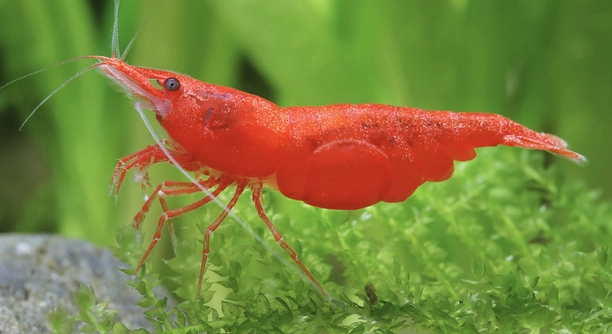
Do your cherry shrimp sometimes lose their vibrant color and appear almost transparent in your tank? Many hobbyists notice this sudden change, which can be alarming. Understanding why it happens can help you keep your shrimp healthy and thriving.
Cherry shrimp turn clear due to a variety of factors, including stress, molting, poor water conditions, inadequate diet, disease, old age, or genetic variation. Addressing each factor systematically can restore their color and ensure proper care.
Knowing the common causes of color loss helps you take immediate steps. Maintaining proper tank conditions and diet is essential for vibrant, healthy shrimp.
Stress and Its Impact on Cherry Shrimp
Cherry shrimp can become clear when they experience stress. Sudden changes in water temperature, new tank mates, or frequent disturbances in the aquarium can trigger this response. Stress causes shrimp to conserve energy and reduce pigment production, leading to a faded or transparent appearance. Even small changes, like moving decorations or altering the tank layout, can affect sensitive shrimp. It is important to monitor your tank environment and keep conditions stable. Stress can also make shrimp more prone to illness, so prevention is key. Observing their behavior can provide clues—shy or hiding shrimp often indicate stress. Ensuring hiding spots, maintaining consistent feeding routines, and avoiding overcrowding will help reduce stress and promote natural coloration. Clear shrimp are usually not unhealthy if stress is addressed promptly. Maintaining water quality and minimizing disruptions can restore color and confidence in your shrimp’s activity over time.
Stress-related color loss is temporary and reversible with proper care. Maintaining calm conditions helps shrimp regain their vibrancy.
Managing stress involves keeping water parameters stable, minimizing sudden changes, providing plants and shelters, and limiting aggressive tank mates. Over time, these adjustments support healthier, more colorful shrimp.
Poor Water Conditions
Poor water quality is a common reason cherry shrimp lose their color. High ammonia, nitrite, or nitrate levels, as well as incorrect pH or temperature, can make shrimp pale. Clear shrimp often indicate the tank environment needs attention.
Maintaining clean water and stable parameters is essential for vibrant shrimp. Regular water tests and partial water changes prevent long-term problems and support shrimp health.
Water conditions affect not only color but overall health. Ammonia and nitrites are toxic even in small amounts, stressing shrimp and making them more susceptible to disease. Nitrates, while less toxic, can still cause stress over time and contribute to color loss. Temperature fluctuations disrupt metabolism, reducing pigment expression and activity. pH imbalances can impair molting and lead to further fading. Filtration and aeration are crucial, but over-cleaning can also stress shrimp. Consistent monitoring, weekly partial water changes, and careful observation help maintain balance. Using live plants or bio-media can stabilize parameters and improve overall water quality. By addressing these factors, shrimp gradually regain their color, showing healthier, more confident behavior in the tank. Clear shrimp are often a sign to act promptly, preventing potential long-term issues.
Molting
Molting is a natural process where cherry shrimp shed their exoskeleton to grow. During this time, their color often fades, appearing almost transparent. This is temporary and expected, but it requires proper care to ensure shrimp recover safely.
During molting, shrimp are vulnerable and may hide more than usual. They need stable water conditions, proper diet, and safe hiding spots to avoid stress and predation. Molting can occur frequently in young, growing shrimp, while adults molt less often. A balanced diet rich in minerals and calcium supports healthy exoskeleton formation. Insufficient nutrients can prolong the colorless stage or lead to molting complications. Observing shrimp during and after molting helps detect any problems early. Providing moss, plants, or small caves gives them a sense of security and reduces stress. Clear shrimp after molting is normal, and color gradually returns as they harden.
After molting, shrimp regain their vibrant colors within a few days. Ensuring proper nutrition and stable conditions speeds recovery and maintains overall health.
Diet and Nutrition
A poor diet can cause cherry shrimp to lose color. Shrimp need a variety of foods rich in protein, minerals, and carotenoids to maintain pigmentation. Feeding only flakes or low-quality foods often results in fading.
Carotenoids are essential for red coloration in cherry shrimp. Natural sources include algae, spirulina, and certain vegetables. Protein supports growth and molting, while minerals strengthen the exoskeleton. Overfeeding or underfeeding can both affect color and health. Rotating foods, including commercial shrimp pellets and occasional treats like blanched vegetables, ensures balanced nutrition. Feeding too much can deteriorate water quality, which in turn stresses shrimp and reduces pigment expression. Observing shrimp color and behavior helps determine if diet adjustments are needed. A varied, high-quality diet improves vibrancy and encourages active, healthy shrimp.
Consistent feeding habits and nutrient-rich foods play a key role in maintaining red coloration. Balanced nutrition supports molting, growth, and overall resilience in cherry shrimp.
Disease and Parasites
Diseases and parasites can cause cherry shrimp to turn clear. Infections weaken their immune system, making color loss more noticeable. Early detection is crucial to prevent further health decline and ensure shrimp recovery.
Maintaining clean water and observing behavior helps identify signs of illness. Infected shrimp may hide, move slowly, or develop unusual spots. Quarantining new shrimp and avoiding contaminated plants or equipment reduces disease risk. Treating water or using approved medications carefully can control infections. Healthy shrimp recover color once the underlying issue is resolved. Regular monitoring prevents minor problems from becoming serious and keeps the tank environment safe for all inhabitants.
Aging
As cherry shrimp age, their color may naturally fade. Older shrimp often lose vibrancy gradually, reflecting a slower metabolism and reduced pigment production.
Genetics
Genetic factors influence how vivid cherry shrimp appear. Some strains naturally produce less intense coloration, making clear shrimp normal for certain lineages.
Tank Overcrowding
Overcrowding stresses shrimp and reduces water quality, causing color loss. Providing enough space and maintaining stable conditions prevents fading.
FAQ
Why are my cherry shrimp turning clear all of a sudden?
Sudden color loss in cherry shrimp usually indicates stress, poor water conditions, or recent molting. Any abrupt changes in temperature, pH, or tank setup can trigger fading. Observing their environment and making adjustments often restores their natural color over time.
Can clear cherry shrimp regain their red color?
Yes, in most cases. Once the underlying issue is resolved—whether it’s stress, diet, water quality, or molting—shrimp gradually regain their pigmentation. Providing a nutrient-rich diet, stable water parameters, and hiding spots supports recovery and helps maintain vibrancy.
Does diet really affect cherry shrimp coloration?
Absolutely. Carotenoids, proteins, and minerals in their diet are essential for red coloration. Feeding only low-quality flakes or limited food can cause fading. Rotating high-quality shrimp pellets, algae, and blanched vegetables ensures balanced nutrition and stronger color.
Is molting dangerous for clear shrimp?
Molting itself is not dangerous, but shrimp are vulnerable during the process. Clear shrimp after molting are normal, but providing hiding spots, stable water, and adequate nutrients ensures they recover safely and regain color quickly.
How can I tell if water quality is causing clear shrimp?
Signs include lethargy, hiding, or unusual swimming patterns alongside fading color. Testing for ammonia, nitrite, nitrate, pH, and temperature helps identify issues. Consistent maintenance, filtration, and partial water changes prevent color loss due to poor water conditions.
Do diseases make shrimp clear permanently?
Not necessarily, but untreated infections or parasites can lead to prolonged fading and health problems. Early detection, quarantine of affected shrimp, and careful treatment of the tank prevent permanent effects and allow color to return.
Can old age cause permanent color loss?
Older shrimp naturally lose pigment over time as metabolism slows. While this is a normal part of aging, maintaining good water quality and proper diet helps them retain as much color and health as possible.
Does tank overcrowding contribute to fading?
Yes. Too many shrimp increase stress, waste buildup, and competition for food. Maintaining proper stocking levels and providing hiding spots reduces stress and helps maintain vibrant coloration.
How long does it take for shrimp to regain color?
It depends on the cause. After molting, shrimp may regain color within a few days. Recovery from stress, poor diet, or water issues can take several weeks, depending on how quickly conditions improve and nutrients are restored.
Are some cherry shrimp naturally pale?
Yes. Genetics play a role in color intensity. Some strains are naturally lighter or produce less pigment, so clear shrimp can be normal for certain lineages. Observing patterns over time helps distinguish between genetics and environmental issues.
What can I do immediately if my shrimp turn clear?
Check water parameters first. Adjust any fluctuations, provide a nutrient-rich diet, and ensure stable tank conditions. Reduce disturbances, add hiding spots, and observe behavior to address potential stressors quickly.
Do tank mates affect shrimp color?
Aggressive or overly active tank mates can stress shrimp, leading to color loss. Keeping compatible species and providing sufficient space reduces stress and encourages natural, vibrant coloration.
Can supplements improve shrimp color?
Yes. Carotenoid-rich supplements, spirulina, or algae-based foods can enhance red pigmentation over time. Regular, balanced feeding supports both health and color retention without overloading the tank.
Is fading permanent after disease or stress?
Not usually. Once the cause is resolved—through treatment, water improvement, or diet enhancement—shrimp typically regain their color. Persistent fading may indicate long-term stress, poor genetics, or chronic water issues.
How often should I check shrimp for color changes?
Daily observation is best. Color changes are often subtle at first. Catching issues early allows for quick action, whether it’s adjusting water, diet, or addressing stress factors.
Can shrimp turn clear due to breeding?
Breeding does not usually cause fading, but stress associated with mating or overpopulation can. Maintaining stable conditions and providing enough space helps prevent temporary color loss.
Are clear shrimp unhealthy?
Not always. Clear shrimp can be perfectly healthy if fading is due to molting, genetics, or minor stress. Monitoring behavior, eating habits, and water quality ensures clear shrimp are not signaling a bigger health problem.
Will all shrimp recover at the same rate?
Recovery varies by individual. Factors include age, health, stress level, diet, and tank conditions. Younger, healthy shrimp with good nutrition recover faster, while older or weaker shrimp may take longer.
What’s the best long-term approach to prevent color loss?
Maintain consistent water quality, feed a varied, nutrient-rich diet, avoid overcrowding, provide hiding spaces, and monitor shrimp behavior. These practices reduce stress and ensure shrimp maintain vibrant colors over time.
Is it normal for shrimp to turn clear occasionally?
Yes. Short-term fading from molting, minor stress, or slight water fluctuations is normal. Color usually returns quickly if overall conditions remain stable and feeding is adequate.
How do I distinguish between molting and disease-related fading?
Molting shrimp are usually inactive and hiding temporarily, while disease often involves lethargy, unusual spots, or abnormal movement. Observing behavior and physical changes helps determine the cause and guide appropriate action.
Can clear shrimp breed successfully?
Yes. Color loss does not affect fertility. As long as the shrimp are healthy and stress-free, they can reproduce normally, and offspring may inherit natural pigmentation levels.
Are there specific foods to enhance red color?
Carotenoid-rich foods like spirulina, algae wafers, and blanched red vegetables improve pigment over time. Regular supplementation alongside balanced feeding maintains vibrant red shrimp in the tank.
How do I balance water changes without stressing shrimp?
Perform small, gradual water changes instead of large swaps. Matching temperature and parameters of new water minimizes stress, helping shrimp retain their natural coloration.
Cherry shrimp turning clear can be alarming at first, but it is usually a sign that something in their environment needs attention rather than an indication of serious illness. Several factors contribute to fading, including stress, poor water quality, diet deficiencies, molting, aging, genetics, and overcrowding. Observing your shrimp and monitoring their tank conditions regularly allows you to identify these issues early. Clear shrimp are often still healthy, especially if they are molting or naturally lighter in color due to their strain. Recognizing the difference between temporary color loss and a sign of ongoing health problems is key to maintaining a thriving shrimp tank.
Water quality is one of the most important factors for keeping shrimp vibrant. Ammonia, nitrite, and nitrate levels, along with pH and temperature, should be kept stable and within recommended ranges. Regular testing and partial water changes help prevent stress and fading. Filtration and aeration play a crucial role in maintaining clean water, while live plants can help stabilize the environment. Even slight fluctuations in these conditions can cause stress and trigger color loss. Paying attention to these details ensures that shrimp not only retain their color but also remain healthy, active, and able to grow properly. Over time, a consistent, clean environment will help even previously clear shrimp regain their natural red hue.
Diet and nutrition are equally important for maintaining bright coloration in cherry shrimp. Foods rich in carotenoids, proteins, and essential minerals support pigment development, molting, and overall health. Rotating between high-quality shrimp pellets, algae, and blanched vegetables provides the nutrients shrimp need without overloading the tank. Avoid overfeeding, which can worsen water quality and lead to additional stress. A well-balanced diet, combined with proper tank maintenance and reduced stress, creates ideal conditions for shrimp to thrive. Even aging or genetically lighter shrimp benefit from stable care and adequate nutrition, allowing them to maintain the best possible color for their life stage. With careful observation, consistent care, and attention to water quality and diet, clear shrimp can often regain their color and continue to live long, healthy lives in your aquarium.

Hello,
If you enjoy the content that we create, please consider saying a "Thank You!" by leaving a tip.
Every little bit helps us continue crafting quality advice that supports the health, happiness, and well-being of pets around the world, for pets of all shapes, sizes, and species.
We really appreciate the kindness and support that you show us!