
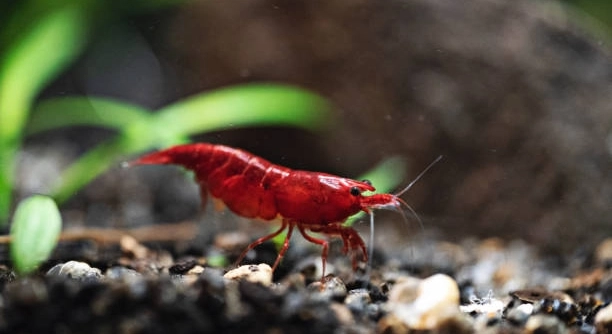
Cherry shrimp are small, colorful freshwater creatures often admired for their lively movements and peaceful presence in home aquariums. Observing their daily habits can reveal behaviors that seem curious and endearing. They add charm to any tank.
Cherry shrimp do not show affection in the same way mammals do, but they exhibit behaviors indicating comfort, recognition, and social interaction. These behaviors include following tank mates, grooming, and gentle physical contact that suggest familiarity and trust.
Understanding these subtle behaviors can enhance your enjoyment and care of cherry shrimp in your aquarium environment. Observing them closely reveals surprising interactions.
Recognizing Comfort and Familiarity
Cherry shrimp often display behaviors that indicate they feel safe and comfortable in their environment. They may linger near the same spots, gently interact with plants or tank surfaces, and follow other shrimp without aggression. These actions show that they are accustomed to their surroundings and the presence of other shrimp. Over time, shrimp that are settled in a tank may become more active, moving freely and exploring new areas. This indicates confidence and a sense of security. Watching them glide along plants or substrate with steady movements is a sign that they are at ease. Observing these small details helps you understand the shrimp’s mood and general well-being.
Shrimp comfort is subtle but noticeable. They prefer familiar areas and gentle movements within their habitat.
Paying attention to these patterns allows you to provide a stable environment that supports their natural behaviors, encourages social interaction, and reduces stress. A calm, consistent tank setting benefits their health and growth.
Following and Social Interaction
Cherry shrimp sometimes follow one another across the tank, especially during feeding or exploration. This behavior shows social awareness and interest in tank mates.
Following behavior can indicate hierarchy, curiosity, or simple recognition among shrimp. They tend to mimic movements or stay close to others while navigating the tank. This is more evident in well-established groups where shrimp are comfortable. Following is often paired with gentle brushing against each other, which is a form of tactile communication. Observing these interactions helps identify which shrimp are more dominant or more sociable. It also gives insight into their comfort levels with each other. Providing hiding spots and ample space ensures these social behaviors occur without stress. Careful observation of following patterns can also reveal health or feeding issues if a shrimp isolates itself. Maintaining clean water and a stable environment further encourages social activity and natural shrimp behaviors.
Grooming and Cleaning
Cherry shrimp spend time grooming themselves and nearby surfaces. They use their tiny legs to clean their bodies and antennae, which keeps them healthy and alert.
Grooming is an essential behavior for cherry shrimp. It helps remove debris, algae, and other particles from their bodies and antennae. Regular cleaning ensures their sensory organs function properly, allowing them to detect food, movement, and changes in water conditions. Grooming also reduces the risk of infections and keeps their exoskeleton in good condition. Observing a shrimp meticulously cleaning itself can indicate that it feels secure and stress-free in the tank. It is a subtle but important sign of overall well-being.
Shrimp may also groom plants or decorations. This behavior demonstrates interaction with their environment and contributes to maintaining a clean, healthy tank.
Physical Contact and Interaction
Cherry shrimp sometimes touch each other gently, brushing their legs or antennae together. This indicates recognition and comfort among tank mates.
Physical contact in cherry shrimp serves multiple purposes. It can be a way to establish social bonds, signal presence, or explore fellow shrimp. Gentle brushing or tapping shows that shrimp are familiar with one another and feel safe in close proximity. This behavior is often more frequent in shrimp that have been together for extended periods, as they learn each other’s movements and habits. Careful observation of these interactions can reveal which shrimp are more social and which prefer solitude. Providing enough space and hiding spots ensures contact remains non-aggressive. Physical contact is a sign of trust and natural social behavior within a healthy tank.
Color Changes and Mood
Cherry shrimp sometimes display brighter colors when they are comfortable or healthy. These shifts can indicate contentment and low stress levels.
Darker or duller shades may appear when they are stressed or adjusting to new surroundings. Monitoring color changes helps track their overall well-being and comfort in the tank.
Antennae Communication
Shrimp use their antennae to sense surroundings and communicate. They touch objects, tank mates, and surfaces to gather information.
Antennae movements help cherry shrimp navigate and interact with their environment. Through gentle brushing or waving, shrimp can detect food, water currents, and the presence of other shrimp. Antennae also play a role in social behaviors, signaling awareness or interest in nearby tank mates. Observing these subtle movements can give insight into their activity levels, curiosity, and social comfort. This form of communication is constant and essential, allowing shrimp to respond appropriately to both environmental changes and interactions with others in the tank.
Resting and Stationary Periods
Cherry shrimp often remain still for periods, resting on plants or substrate. These moments indicate a sense of security.
FAQ
Do cherry shrimp show affection to their owners?
Cherry shrimp do not show affection in the same way cats or dogs do, but they can recognize consistent care and presence. They may swim toward a familiar hand during feeding or linger near areas where food is provided. These behaviors indicate comfort rather than emotional attachment.
Why do cherry shrimp follow each other?
Following behavior is a sign of social interaction and environmental awareness. Shrimp often mimic movements or stay near others for safety. This can also establish a loose hierarchy, especially in well-established groups. Observing this behavior helps identify social patterns and comfort levels.
Do cherry shrimp groom themselves and each other?
Yes, grooming is essential for their health. Shrimp use their legs and mouthparts to clean debris from their bodies, antennae, and sometimes nearby tank surfaces. Occasional contact with other shrimp during grooming can also reinforce familiarity and trust within the group.
Can cherry shrimp recognize their tank mates?
Shrimp seem to recognize individual tank mates through repeated interactions and movement patterns. They tend to avoid aggression with familiar shrimp and may show gentle contact or following behaviors toward them, reflecting a level of social recognition.
Do cherry shrimp show mood through color changes?
Color intensity can reflect stress levels or comfort. Bright, vivid colors usually indicate health and low stress, while dull or pale coloring may signal stress, poor water quality, or molting. Tracking these changes can help maintain optimal care conditions.
Why do cherry shrimp touch each other with their antennae?
Antennae contact is a form of communication and exploration. Shrimp touch objects and other shrimp to sense surroundings, establish presence, or signal interest. This tactile communication is a natural way for them to navigate and interact safely in the tank environment.
Do cherry shrimp rest or remain stationary often?
Yes, cherry shrimp have periods of rest where they remain still on plants, substrate, or decorations. These resting moments indicate they feel secure and are conserving energy, which is a natural part of their daily routine.
How can I encourage healthy social behavior in cherry shrimp?
Providing ample space, hiding spots, and consistent water conditions encourages positive interactions. Avoid overcrowding, and maintain a clean, stable environment to reduce stress. Observing natural behaviors like following, grooming, and antennae contact helps you gauge their comfort and social dynamics.
Are cherry shrimp stressed by frequent handling or disturbances?
Cherry shrimp are sensitive to sudden changes and handling. Excessive tapping on the glass or moving them often can cause stress, leading to dull colors, hiding, or lethargy. Minimizing disturbances ensures they remain active and healthy.
Do cherry shrimp communicate during feeding?
Yes, during feeding, shrimp may cluster, touch each other, and move in coordinated patterns. These interactions indicate social awareness, curiosity, and recognition of food presence. Monitoring feeding behavior gives insight into tank harmony and shrimp well-being.
Can cherry shrimp bond with other species in a tank?
Shrimp are generally cautious with other species but may coexist peacefully with small, non-aggressive fish or snails. Close observation is essential, as aggressive tank mates can cause stress and disrupt social interactions among shrimp.
How do environmental factors affect shrimp behavior?
Water temperature, pH, and cleanliness directly influence shrimp comfort and social activity. Stable conditions support natural behaviors like following, grooming, and resting, while fluctuations may trigger hiding, color changes, or reduced interaction.
What is a sign of a happy cherry shrimp?
A happy shrimp displays active swimming, frequent interaction with tank mates, bright coloring, and regular grooming. They explore the tank confidently, engage with others gently, and rest calmly, reflecting comfort and security in their environment.
How often should I observe shrimp behavior?
Daily observation is ideal. Even brief checks can reveal changes in activity, color, or interaction patterns. Tracking these behaviors helps detect stress, illness, or water quality issues early, ensuring shrimp remain healthy and active.
Can shrimp recognize repeated routines?
Yes, shrimp appear to respond to consistent feeding schedules and environmental patterns. They may move toward the feeding area when food is expected, showing recognition of routine rather than affection. Repetition provides comfort and predictability.
How does tank size influence shrimp interaction?
Larger tanks allow more space for social behaviors like following and grooming, while overcrowded tanks can lead to stress and aggression. Adequate space promotes natural interaction, reduces hiding, and encourages active exploration.
Do cherry shrimp have individual personalities?
Shrimp display variations in activity, boldness, and social tendencies. Some may explore more, while others prefer hiding. These differences influence how they interact with tank mates, food, and their environment, making observation important for understanding each shrimp.
What should I do if a shrimp isolates itself?
Isolation can indicate stress, illness, or molting. Check water parameters, look for signs of disease, and ensure adequate hiding spots. Temporary isolation during molting is normal, but prolonged separation warrants careful observation and adjustments to tank conditions.
How do shrimp show comfort with plants and decorations?
Shrimp often rest, groom, or explore near plants and décor. Engaging with these structures reflects a sense of security and familiarity. Dense planting and varied decorations encourage natural behaviors and provide areas for resting or retreat when needed.
Can shrimp form bonds with each other?
While not bonds like mammals, shrimp show recognition, tolerance, and repeated interactions. Following, gentle brushing, and shared resting areas suggest familiarity and social comfort rather than emotional attachment.
Are there signs of stress to watch for?
Stress indicators include hiding excessively, pale coloration, erratic swimming, or lack of appetite. Observing these behaviors alongside water quality and tank conditions helps address issues before they affect shrimp health.
How does feeding behavior reflect social dynamics?
During feeding, dominant or more confident shrimp may access food first, while others follow or wait. Watching these interactions shows hierarchy, social comfort, and how shrimp navigate competition or cooperation in their group.
How can I support healthy shrimp behavior long-term?
Maintain stable water parameters, provide adequate space, and enrich the environment with plants and décor. Regular observation of activity, color, grooming, and social interactions ensures shrimp remain comfortable, active, and healthy throughout their time in the tank.
Are shrimp more active at certain times of day?
Shrimp activity often peaks during low-light periods, such as early morning or evening. They may rest during bright daylight but remain alert. Scheduling observation during these active periods helps you better understand behaviors and social interactions.
Do shrimp respond to changes in tank mates?
Introducing new shrimp can temporarily alter behavior. Existing shrimp may become cautious or avoidant until familiarity develops. Providing hiding spots and gradual acclimation helps maintain comfort and reduces stress during transitions.
Can shrimp recognize repeated sounds or vibrations?
Shrimp respond to vibrations or water movement. They may react by hiding or moving cautiously. Repeated gentle disturbances can be recognized over time, allowing shrimp to differentiate between normal routine and potential threats.
Do shrimp interact differently during molting?
Molting shrimp become vulnerable and may hide or reduce contact with others. Tank mates usually respect this period, avoiding aggressive behavior. Observing molting behaviors helps ensure a safe environment and signals normal growth patterns.
How can I tell if shrimp are healthy through behavior?
Healthy shrimp are active, explore, groom, and interact calmly with others. Bright coloration, steady movements, and normal feeding patterns indicate well-being. Changes in these behaviors often signal environmental or health issues that need attention.
Is tank maintenance important for shrimp behavior?
Yes, clean water and stable conditions directly influence activity, social interaction, and comfort. Proper maintenance reduces stress, prevents disease, and supports natural behaviors like following, grooming, and resting in the tank.
Do shrimp prefer certain areas of the tank?
Shrimp may favor areas with plants, hiding spots, or consistent food sources. These preferences indicate comfort, security, and familiarity, encouraging natural behaviors and active exploration within a safe environment.
Can shrimp behavior change with age?
Younger shrimp may be more active and exploratory, while older shrimp may rest more or show slower movements. Age affects social behavior, grooming frequency, and interactions with tank mates, requiring observation to adjust care accordingly.
Do shrimp notice their reflection?
Shrimp may investigate their reflection, mistaking it for another shrimp. This can trigger following or brushing behaviors. While it doesn’t indicate recognition of themselves, it shows curiosity and interaction with their visual environment.
How often do shrimp interact socially?
Social interactions occur throughout the day in short bursts. Following, brushing, and grooming happen as shrimp explore, feed, or rest near each other. Observing these moments gives insight into their comfort and group dynamics.
Can tank layout affect shrimp behavior?
Yes, open spaces encourage swimming and following, while dense planting promotes hiding and resting. A balanced layout supports social behavior, exploration, and natural interaction, ensuring shrimp remain active and comfortable.
Do shrimp show stress during water changes?
Sudden water changes can cause temporary hiding or erratic swimming. Gradual adjustments and proper acclimation reduce stress, allowing shrimp to return to normal behaviors quickly. Consistent care ensures minimal disruption to social interactions and comfort levels.
Are shrimp more interactive in groups or alone?
Shrimp are naturally social, showing more activity and interaction in groups. Isolation may reduce grooming, following, and exploration. Maintaining small groups encourages healthy social behaviors while preventing overcrowding and stress.
How can I encourage natural behaviors in shrimp?
Provide plants, hiding spots, stable water parameters, and regular feeding. Observing and adjusting the tank environment ensures shrimp can follow, groom, and interact comfortably, reflecting natural and healthy behaviors.
Do shrimp respond to light changes?
Shrimp adjust activity according to light. They are more active during low-light periods and may hide during bright light. Managing lighting encourages normal daily rhythms and social behavior.
What signs indicate a shrimp is lonely or stressed?
Shrimp that isolate, stop grooming, or show dull colors may be stressed or uncomfortable. Ensuring adequate space, proper water conditions, and social groups helps maintain well-being.
Can shrimp form temporary bonds during feeding?
Yes, during feeding, shrimp may cluster and interact more closely. This behavior indicates comfort and social recognition rather than permanent attachment.
Do shrimp communicate through body movements?
Shrimp use swimming patterns, antennae contact, and brushing behaviors to communicate. These subtle movements convey awareness, recognition, and social intent within the tank group.
How long does it take for shrimp to feel comfortable in a new tank?
Acclimation varies but generally takes several days to weeks. Gradual introduction, stable water conditions, and hiding spots support adjustment, reducing stress and encouraging natural behaviors.
Can stress affect shrimp lifespan?
Chronic stress can weaken immunity, reduce feeding, and impact molting. Maintaining a stable, comfortable environment supports health and longevity. Observing behavior closely helps mitigate stress factors before they affect shrimp lifespan.
How can I tell if shrimp enjoy their environment?
Active swimming, social interactions, grooming, bright colors, and calm resting indicate a comfortable and engaging habitat. Observing these behaviors ensures they are thriving.
Do shrimp recognize feeding routines?
Yes, shrimp respond to consistent feeding schedules. They may gather near the feeding area, showing recognition of routine rather than affection. Predictable care provides comfort and stability.
Can shrimp behavior indicate water quality issues?
Unusual hiding, lethargy, color changes, or erratic swimming often point to poor water quality. Regular monitoring and observation allow for early intervention to maintain a healthy tank environment.
Do shrimp interact differently in planted versus bare tanks?
Planted tanks encourage resting, hiding, and exploration, while bare tanks may reduce comfort and increase stress. Plants and décor support natural behaviors, providing safe areas for social interaction and rest.
How do shrimp respond to vibrations or disturbances?
Shrimp react cautiously to vibrations, often hiding or slowing movement. Repeated minor disturbances can be recognized, allowing them to adapt. Managing disturbances ensures comfort and encourages natural behaviors.
Can shrimp live happily alone?
While possible, shrimp thrive in small groups. Solitary shrimp may show less social interaction, reduced grooming, or less exploration. Groups promote active and natural behavior patterns.
Do shrimp interact with tank mates differently over time?
Familiarity develops gradually. Initial caution may give way to following, brushing, and resting nearby. Stable environments foster comfort, allowing shrimp to interact confidently with each other over time.
How do shrimp respond to sudden tank changes?
Sudden changes can trigger hiding, erratic swimming, or stress coloration. Gradual adjustments and stable conditions reduce negative reactions and support normal social behavior.
Can shrimp behavior be influenced by diet?
Balanced diets support activity, color, and grooming behaviors. Poor nutrition may lead to lethargy, dull colors, and reduced social interaction. Regular, varied feeding promotes healthy behavior patterns.
Do shrimp recognize repeated sounds or movements?
Shrimp can become accustomed to regular vibrations or water movement. They respond less to familiar patterns, demonstrating recognition and adaptation to routine stimuli.
Can observing shrimp behavior help prevent health issues?
Yes, changes in activity, color, social interaction, or feeding habits often indicate stress, illness, or poor water quality. Close observation allows early intervention for healthy shrimp.
How does molting affect shrimp interaction?
Molting shrimp hide and reduce contact to avoid injury. Tank mates usually respect this, maintaining peaceful interactions. Understanding molting behavior ensures a safe environment and supports healthy growth.
Are there signs that shrimp are happy in a tank?
Bright color, active swimming, grooming, gentle social contact, and calm resting indicate comfort, security, and a thriving environment for shrimp. Observing these behaviors confirms well-being.
How does age impact shrimp behavior?
Younger shrimp are more exploratory, while older shrimp may rest more and show slower movements. Age affects social interaction, grooming frequency, and activity patterns, requiring careful observation.
Do shrimp interact differently with snails or other invertebrates?
Shrimp may coexist with non-aggressive invertebrates, showing curiosity or gentle contact. Aggressive or large tank mates can cause stress, so careful observation is essential for harmonious interaction.
How does temperature influence shrimp activity?
Optimal temperature ranges encourage active swimming, following, and grooming. Temperatures too low or high can reduce activity, increase hiding, or stress shrimp, affecting overall behavior.
Can shrimp respond to changes in water current?
Shrimp adjust movements based on flow. Strong currents may reduce exploration or cause hiding, while gentle currents allow natural behaviors like grazing, following, and antennae contact.
Do shrimp prefer low or bright lighting?
Low-light conditions encourage activity and exploration, while bright light may cause hiding. Adjusting lighting supports natural behavior rhythms and comfort.
Can shrimp develop routines with feeding and exploration?
Yes, consistent feeding and environmental cues help shrimp anticipate food and navigate their tank, encouraging predictable and comfortable behaviors.
How can I maintain consistent shrimp behavior over time?
Stable water quality, proper feeding, adequate space, plants, and regular observation help shrimp maintain natural activity, social interaction, and overall health consistently.
Do shrimp show stress signals during overcrowding?
Overcrowding increases hiding, aggression, or competition for food. Adequate space and population control promote healthy social behavior and reduce stress indicators.
Are shrimp behavior patterns predictable?
While individual variation exists, many shrimp behaviors like following, grooming, resting, and feeding patterns remain consistent under stable conditions, allowing reliable observation of comfort and health.
Do shrimp interact with plants differently based on density?
Dense plants provide hiding, resting, and exploration spaces. Sparse planting may reduce comfort and interaction. A balanced plant density supports natural behavior and social interactions.
Can shrimp recognize repeated hand movements or gestures?
Shrimp may respond to consistent gestures, associating them with feeding or environmental changes. This recognition reflects adaptation rather than emotional attachment.
How does tank decoration affect shrimp behavior?
Decorations offer resting areas, exploration opportunities, and social interaction spaces. Well-placed décor encourages natural behavior and provides security, supporting healthy activity levels.
Do shrimp interact differently in high-traffic areas of the tank?
Shrimp may avoid areas with frequent disturbances, preferring quieter zones. Monitoring behavior in various tank areas helps identify comfort zones and stress points.
Can shrimp show preference for certain tank mates?
Some shrimp may follow or stay closer to specific individuals. This reflects familiarity and social comfort rather than attachment.
How often do shrimp groom themselves compared to each other?
Self-grooming occurs frequently and is vital for health. Grooming others is less common and usually gentle, indicating social recognition and comfort.
Do shrimp adjust behavior with seasonal changes?
Seasonal variations in temperature, light, or feeding may subtly influence activity, molting, and social behavior. Stable conditions help minimize stress and maintain predictable routines.
How does water pH affect shrimp activity?
Extreme pH levels can reduce activity, affect coloration, and increase hiding. Maintaining optimal pH supports natural behaviors like following, grooming, and resting.
Do shrimp respond differently to live plants versus artificial ones?
Live plants encourage grazing, exploration, and natural interaction. Artificial plants may provide shelter but lack grazing benefits, influencing how shrimp engage with their environment.
How can I observe shrimp behavior without stressing them?
Minimal disturbance, indirect observation, and steady lighting allow you to watch shrimp naturally. Using consistent routines reduces stress and reveals true behavior patterns.
Do shrimp interact differently with fast versus slow-moving tank mates?
Fast-moving companions may cause avoidance or hiding. Slow, non-aggressive tank mates encourage following, brushing, and grooming behaviors, promoting a calmer environment.
Can shrimp detect water vibrations from outside the tank?
Shrimp respond to vibrations cautiously, often hiding or pausing movement. Minimizing external disturbances helps maintain comfort and encourages normal behavior.
Do shrimp show curiosity toward new objects?
Yes, shrimp explore unfamiliar decorations or plants cautiously. Curiosity is balanced with caution, reflecting both comfort and instinctive risk assessment.
Are shrimp more active in planted areas than open areas?
Planted areas offer security, encouraging interaction, grooming, and resting. Open areas may lead to more cautious movement, though shrimp still explore when comfortable.
Do shrimp interact differently with algae-covered surfaces?
Shrimp often graze on algae, combining feeding and social behavior. Surfaces with moderate algae provide both nutrition and exploration opportunities, supporting natural activity.
Can shrimp sense changes in tank chemistry?
Shrimp detect changes in ammonia, nitrites, and nitrates, often responding with hiding or reduced activity. Stable water chemistry ensures natural behaviors continue uninterrupted.
Do shrimp recognize repeated cleaning routines?
Shrimp may learn to anticipate cleaning-related disturbances. Gradual and gentle maintenance minimizes stress and allows them to maintain normal social and exploratory behavior.
Can shrimp show signs of contentment in groups?
Active interaction, following, gentle brushing, and shared resting areas indicate comfort and security in group settings. Content shrimp maintain bright coloration and regular grooming.
How can tank size influence individual shrimp behavior?
Larger tanks allow exploration
Final Thoughts
Cherry shrimp are fascinating creatures that display a variety of behaviors, many of which indicate comfort and familiarity rather than affection in the way mammals show it. Observing their daily routines can provide valuable insight into their well-being and social interactions. Simple actions like following tank mates, brushing antennae, and grooming themselves or nearby surfaces are all part of their natural behavior. These movements and interactions reflect recognition of their surroundings and the presence of other shrimp. By paying attention to these details, it becomes clear that cherry shrimp have ways of responding to their environment that show they are comfortable and secure. Their behaviors are subtle but meaningful for those who take the time to notice them, and they offer a way to understand shrimp health and social dynamics without needing complex equipment or extensive observation techniques. Watching shrimp interact with each other, their plants, and their tank decorations reveals patterns that are both practical and enjoyable for aquarium care.
Providing the right environment is essential for promoting these natural behaviors. Clean water, stable temperature, and proper pH levels are fundamental for their health and activity. Adequate space, hiding spots, and plants encourage exploration, resting, and social interaction. A balanced diet supports energy levels, coloring, and general activity. Observing shrimp while feeding is often the easiest way to notice their patterns, as they cluster, follow, and explore together. Over time, consistent care allows shrimp to establish predictable behaviors, such as approaching areas where they usually find food or resting in familiar spots. These behaviors are not just cute to watch—they indicate that shrimp feel secure and can thrive in the environment provided. Maintaining these conditions consistently reduces stress, supports proper molting, and allows social interactions to happen naturally, without forcing behaviors or intervening unnecessarily.
Overall, understanding cherry shrimp behavior is largely about careful observation and providing a stable habitat. Recognizing their subtle signals of comfort, curiosity, and social interaction allows owners to monitor their health and ensure that the tank environment meets their needs. Even though they do not show affection in the way larger pets might, their behaviors are meaningful and can be interpreted as indicators of well-being. Observing shrimp over time builds an understanding of individual personalities, social dynamics, and environmental preferences. This understanding makes caring for them easier and more rewarding. By focusing on stability, cleanliness, and opportunities for natural behaviors, owners can create a thriving aquarium where cherry shrimp display their full range of fascinating behaviors. Paying attention to these subtle cues and adjusting care accordingly ensures that shrimp are not only surviving but actively engaging with their environment in ways that reflect comfort and contentment. These observations help build a connection with the shrimp that is based on understanding rather than emotion, offering a fulfilling and insightful experience in shrimp keeping.

Hello,
If you enjoy the content that we create, please consider saying a "Thank You!" by leaving a tip.
Every little bit helps us continue crafting quality advice that supports the health, happiness, and well-being of pets around the world, for pets of all shapes, sizes, and species.
We really appreciate the kindness and support that you show us!