
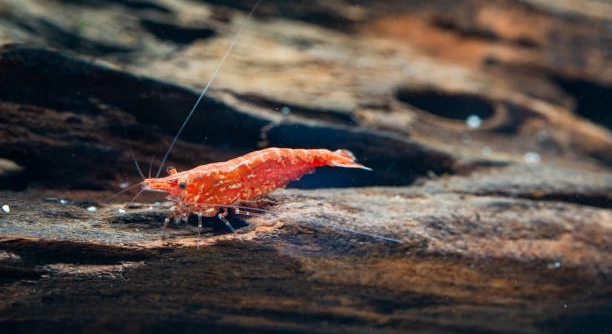
Do you enjoy keeping cherry shrimp but find yourself wondering how water flow affects their behavior and health in your aquarium setup? These tiny creatures are sensitive to their environment and respond differently to various conditions.
Cherry shrimp generally prefer calm or slow-moving water over fast currents. Strong water flow can stress them, disrupt feeding patterns, and limit their ability to cling to surfaces, while gentle currents allow natural movement, grazing, and breeding behaviors.
Knowing the impact of water movement will help you create a comfortable and thriving environment for your shrimp. Proper flow management ensures their health and happiness over time.
How Water Flow Affects Cherry Shrimp
Cherry shrimp are delicate creatures that react strongly to their surroundings. Fast water can make them struggle to move and feed properly. When currents are too strong, shrimp may hide more often or cling to surfaces to avoid being swept away. Calm water allows them to graze freely on biofilm and algae, promoting natural behavior. The flow also affects oxygen distribution and waste removal, which can impact overall tank health. Observing shrimp in your aquarium can help determine the right balance, as they will often avoid areas with too strong currents. Some shrimp may adapt to slightly stronger flows over time, but prolonged exposure can cause stress and reduce lifespan. Tank decorations, plants, and hiding spots can help mitigate flow while giving shrimp secure areas to rest. Adjusting filter output or using flow-dampening elements can create a comfortable environment tailored to their needs.
Maintaining moderate water flow reduces stress and promotes consistent feeding habits, ensuring shrimp thrive in their environment.
Properly managing flow involves more than just adjusting the filter. Positioning plants, rocks, and driftwood can redirect currents and create microhabitats. Sponge filters or diffusers can slow water movement without reducing oxygen levels. Observing shrimp behavior regularly allows you to fine-tune conditions and notice signs of stress early. Over time, a balanced tank flow promotes healthy molting, breeding, and active grazing. Shrimp feel safer and explore more, reducing aggressive interactions or hiding tendencies. Creating zones of varying flow also lets you accommodate different species if you keep a mixed community tank. Even minor adjustments in water movement can improve shrimp longevity and overall tank stability, making their daily activities more natural and less stressful.
Signs Your Shrimp Are Struggling with Flow
Shrimp often show stress through hiding, reduced movement, or clinging excessively to surfaces. These behaviors indicate they are uncomfortable in their current flow conditions.
Stress from fast currents can lead to molting issues, reduced feeding, and lower reproduction rates. Shrimp may avoid open areas, limiting grazing on biofilm and algae. Continuous stress weakens their immune system, making them more prone to disease and infection. Providing calmer zones with plants or gentle filtration allows shrimp to regain normal behavior. In multi-species tanks, fast water can disproportionately affect smaller or weaker shrimp, creating imbalance in the ecosystem. Regularly monitoring flow and shrimp activity helps prevent long-term health problems and supports natural behaviors. Adjusting filter settings, using flow-dampening tools, or rearranging tank structures ensures shrimp experience safe and manageable currents. Observing subtle behavioral changes early is crucial for maintaining a thriving aquarium and preventing avoidable stress-related issues. Proper care and attention to flow ultimately support their feeding, breeding, and overall well-being.
Creating Calm Zones in Your Tank
Calm zones give cherry shrimp safe areas to rest, feed, and molt without fighting strong currents. These areas are essential for their well-being and allow them to explore the tank comfortably.
Using plants, moss, and driftwood helps break water flow naturally. Shrimp can cling to surfaces and graze on biofilm while avoiding stress from strong currents. Strategically placing decorations near filter outlets or in open areas can create microhabitats with slower water movement. Sponge filters or filter diffusers are effective tools to reduce flow without compromising oxygenation. By observing shrimp behavior, you can adjust placement and flow until they are active and comfortable, maintaining a balanced environment.
Different types of plants and decorations influence how water moves in the tank. Tall plants and dense moss slow currents near the substrate, providing grazing areas. Driftwood and rocks redirect flow, allowing shrimp to move freely between calm and slightly flowing zones. Even small adjustments, like angling a filter output or adding a floating plant, can significantly reduce stress and encourage natural behaviors. Creating multiple calm zones gives shrimp options, supporting feeding, molting, and reproduction while reducing hiding tendencies caused by strong currents.
Adjusting Filter Output
Lowering filter output is an effective way to manage water flow for cherry shrimp. Gentle currents prevent stress while maintaining proper filtration and oxygenation.
Sponge filters, adjustable powerheads, or diffusers help reduce flow intensity. Observing shrimp near the filter reveals whether the current is too strong. Even small reductions can improve grazing, molting, and general activity. Placement of the filter and direction of outflow affect the tank more than power alone. Adjusting these factors carefully creates a comfortable environment while keeping water clean.
Fine-tuning filter flow involves balancing water movement with shrimp needs. Slowing the output near sensitive areas while maintaining circulation in other zones prevents stagnant spots. Some filters have multiple speed settings or attachments that diffuse water before it enters the tank, making currents more manageable. Positioning filter outlets behind plants or decorations softens the flow and creates natural resting areas. Regular observation is key, as shrimp behavior indicates whether changes are effective. Over time, these adjustments reduce stress, encourage feeding, and improve overall health. Keeping some gentle flow is important for oxygenation, but it must be tailored carefully to shrimp size, tank layout, and population density.
Observing Shrimp Behavior
Shrimp activity is a clear indicator of comfort in your tank. Active grazing and swimming suggest they are thriving, while excessive hiding signals stress from strong currents.
Pay attention to how they move around plants and decorations. Healthy shrimp explore multiple zones and molt regularly, showing that water flow and tank setup suit their needs.
Choosing the Right Substrate
A soft, fine substrate supports shrimp movement and reduces stress from strong currents. Coarse gravel can make them struggle to cling and graze effectively. Smooth sand or fine soil allows them to forage naturally and provides safer areas for molting and resting. Proper substrate complements flow adjustments and improves overall shrimp well-being.
Using Plants to Control Flow
Dense plants act as natural barriers to fast water, creating calm areas. They help distribute currents and give shrimp shelter.
Plants slow water movement, promote biofilm growth for grazing, and improve tank oxygenation. Choosing plants with thick foliage near outlets or along tank edges allows shrimp to find comfort zones easily while still maintaining gentle water circulation.
FAQ
Do cherry shrimp survive in fast water?
Cherry shrimp can survive in fast water for short periods, but prolonged exposure can stress them. Strong currents make feeding difficult and may prevent proper grazing on biofilm. Over time, shrimp in consistently fast water may hide excessively, fail to molt correctly, or experience weakened immune systems, reducing their overall lifespan.
How can I tell if the flow is too strong?
Signs include shrimp clinging to surfaces constantly, hiding in corners, or swimming erratically. They may avoid open areas or spend most of their time in plants or decorations. Molting problems or reduced feeding are also common indicators. Observing these behaviors allows you to adjust flow before serious health issues arise.
Can I use a strong filter with cherry shrimp?
Yes, but you need to manage the flow. Adjustable filters, sponge filters, or diffusers soften water currents while maintaining filtration. Positioning the outflow behind plants or decorations further reduces current strength, creating gentle zones. This ensures shrimp stay safe and active without compromising water quality.
Do shrimp prefer flowing water in certain areas?
Shrimp may tolerate mild currents in parts of the tank for oxygenation or movement, but they consistently seek calm zones for feeding and resting. Providing a mix of slow and slightly flowing areas allows them to move naturally without stress while still benefiting from adequate water circulation.
How does tank size affect water flow?
Smaller tanks can have faster localized currents because water is more easily moved. In larger tanks, flow may be more dispersed, allowing for calmer pockets. Placement of plants, rocks, and filter outlets is crucial to create suitable zones regardless of tank size. Proper setup ensures shrimp are comfortable in every corner.
Are there specific plants that help reduce flow?
Yes, dense mosses, tall stems, and bushy plants slow currents naturally. Java moss, hornwort, and water wisteria are effective choices. Positioning these near filter outputs or in open areas creates microhabitats where shrimp can graze and rest without fighting strong water movement.
Do shrimp breeding habits change with flow?
Strong currents can hinder mating and egg-laying because females need calm areas to carry and release eggs safely. Gentle water movement supports reproduction by providing secure zones for adults and protecting baby shrimp from being swept away or stressed.
Can decorations replace plants for flow control?
Rocks, driftwood, and other structures can redirect currents effectively. Combining decorations with plants is ideal because it provides hiding spots, slows water naturally, and creates multiple safe zones. Proper placement prevents dead zones and ensures consistent oxygenation.
How often should I check water flow?
Regular observation is key. Weekly checks help identify problem areas, allowing adjustments before stress affects shrimp. Watching behavior during feeding and molting gives clear insight into whether the current is suitable. Minor tweaks over time maintain a balanced, healthy environment.
Is it okay to have areas with no flow?
Yes, calm pockets are necessary for grazing, molting, and resting. However, completely stagnant water should be avoided because it can lead to debris accumulation or low oxygen levels. Combining gentle flow with quiet zones creates an optimal environment for shrimp activity, health, and longevity.
Can other tank inhabitants affect flow for shrimp?
Yes, larger or more active fish can create localized currents or disturb calm zones. Positioning plants, decorations, and filter outlets strategically can mitigate this, protecting shrimp from unnecessary stress while allowing coexistence in a community tank.
What is the best balance between flow and calm?
The ideal setup includes gentle currents for oxygenation and filtration while providing multiple calm areas. Observing shrimp behavior is the best way to fine-tune the balance. A mix of flowing and protected zones encourages natural grazing, molting, and movement without stress.
Do seasonal temperature changes affect shrimp response to flow?
Yes, higher temperatures can increase water movement from filtration or circulation devices, making currents more noticeable to shrimp. Cooler water may reduce activity, so it’s important to monitor shrimp behavior and adjust flow accordingly to maintain comfort.
Can fast water damage baby shrimp?
Yes, baby shrimp are more vulnerable to strong currents. They may struggle to feed, cling, or hide, increasing mortality. Providing calm areas with gentle flow ensures young shrimp survive, grow, and develop into healthy adults.
Are there any tools to measure water flow for shrimp tanks?
Flow meters or visual observation with floating objects can help estimate current strength. While exact measurement isn’t always necessary, observing shrimp response and adjusting filter output or placement ensures a safe, balanced flow throughout the tank.
How do I gradually adjust flow if it’s too strong?
Reduce filter output in small increments or redirect water using decorations and plants. Observe shrimp behavior for a few days after each adjustment. Gradual changes prevent shock and allow shrimp to acclimate safely, maintaining feeding, molting, and activity levels.
Does substrate type influence shrimp comfort in flowing water?
Yes, fine sand or soft soil allows shrimp to move, cling, and forage more easily in mild currents. Coarse gravel can make it harder for them to anchor themselves, increasing stress. Substrate choice complements flow adjustments to create a stable, comfortable environment.
Can shrimp eventually adapt to stronger currents?
Some shrimp may adjust to slightly stronger flow over time, but consistent high currents can still cause stress. Providing calm zones remains essential, even if shrimp appear more confident in slightly moving water. Observation is key to ensuring long-term health.
What is the simplest way to protect shrimp from strong flow?
Creating calm zones with plants, moss, and decorations near filter outputs is the most effective method. Using adjustable filters or diffusers further softens water, ensuring shrimp can feed, molt, and move naturally without constant stress.
How often should calm zones be maintained or adjusted?
Check zones weekly to remove debris, trim plants, or reposition decorations if currents change. Maintaining calm areas ensures shrimp have consistent spaces to rest, feed, and reproduce, supporting overall health and tank stability.
Do water parameters affect how shrimp react to flow?
Yes, pH, temperature, and oxygen levels influence activity. Poor water quality or low oxygen amplifies stress from currents. Ensuring stable water parameters alongside proper flow creates a supportive environment for shrimp health, feeding, and reproduction.
Cherry shrimp are small, delicate creatures that require thoughtful care to thrive. Water flow is one of the most important factors in their environment. Too strong a current can make it difficult for them to feed, molt, and move freely, while calm water encourages natural behaviors. Observing shrimp in your tank provides valuable insight into how they respond to currents. Active grazing, normal swimming, and frequent exploration indicate they are comfortable. On the other hand, hiding, clinging to surfaces, or reduced activity signals stress. By paying close attention to these behaviors, you can adjust your tank setup to create the right balance between gentle currents and calm areas. Small adjustments in filter output, placement of decorations, and arrangement of plants can make a significant difference in their daily comfort. Understanding how cherry shrimp interact with water flow helps ensure they remain healthy and active over time.
Creating calm zones is essential for shrimp well-being. These zones allow them to rest, feed, and molt without struggling against strong currents. Plants, moss, and driftwood are effective tools for breaking water flow naturally. Dense foliage and moss provide areas where shrimp can cling and graze on biofilm safely. Rocks and driftwood redirect water and create microhabitats where currents are gentler. Even minor changes, such as angling a filter output or adding floating plants, can improve water movement and reduce stress. Sponge filters or diffusers are also helpful because they maintain filtration while softening currents. By carefully combining these elements, you provide a tank environment that supports both gentle water circulation and calm pockets for shrimp. Properly designed calm zones not only make the tank more comfortable but also encourage natural behaviors, better feeding habits, and successful molting, which are critical for overall shrimp health.
Adjusting tank conditions for optimal water flow requires ongoing observation and attention. Shrimp respond to changes in flow, tank layout, and plant placement, so monitoring behavior is key. Gradually reducing strong currents, rearranging decorations, or adding additional plants can improve comfort and reduce stress. Calm areas should be maintained regularly, ensuring they remain free of debris and continue to provide shelter and grazing spots. Water parameters, such as temperature, pH, and oxygen levels, also affect shrimp activity, making it important to maintain stable conditions alongside proper flow. Over time, these adjustments lead to a healthier, more active, and longer-living shrimp population. By balancing gentle currents with calm zones and ensuring consistent care, you create an environment that allows cherry shrimp to thrive, reproduce, and display natural behaviors in a safe and supportive aquarium setting.

Hello,
If you enjoy the content that we create, please consider saying a "Thank You!" by leaving a tip.
Every little bit helps us continue crafting quality advice that supports the health, happiness, and well-being of pets around the world, for pets of all shapes, sizes, and species.
We really appreciate the kindness and support that you show us!