
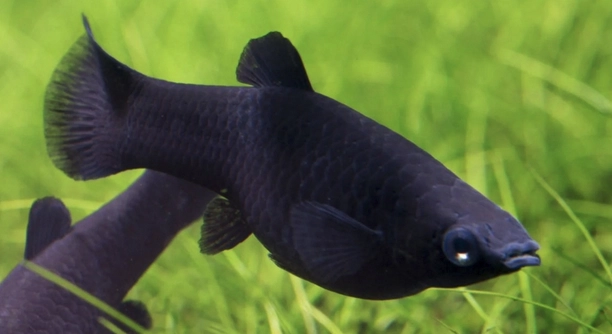
Keeping a Black Molly tank healthy relies on careful, consistent care. These lively fish do best in stable conditions, where predictable routines reduce stress and the risk of illness. Daily attention ensures they remain active and vibrant.
Key aspects to monitor daily include water temperature, pH levels, ammonia, nitrite, nitrate, feeding patterns, and the behavior of your fish. Regular checks support a balanced ecosystem, encourage robust health, and prevent unexpected problems in the tank.
Even minor adjustments in your daily routine can make a noticeable difference. Observing these details consistently helps your Black Mollies thrive and maintains a harmonious aquarium environment.
Water Temperature
Black Mollies are tropical fish that need consistent water temperatures to remain healthy. They do best between 75°F and 82°F, as sudden fluctuations can stress them, weaken their immune system, and increase susceptibility to disease. A reliable heater and thermometer make it easy to maintain a steady environment.
Stable water encourages natural behavior, proper metabolism, and active swimming. Even small drops or spikes can affect feeding and energy levels, so daily checks are essential. Avoid placing the tank near drafty windows or heating vents to prevent sudden changes. Consistent monitoring allows early detection of issues like lethargy or unusual swimming. Investing in quality equipment ensures your Black Mollies stay healthy and active every day.
Water pH
Proper pH is crucial for Black Mollies, which thrive in slightly alkaline water ranging from 7.5 to 8.5. Regular testing prevents stress and supports healthy growth.
Daily monitoring is important because pH can shift due to tap water changes, leftover food, and waste buildup. Quick adjustments with pH buffers or partial water changes help maintain stability. Stable pH supports metabolism, energy, and disease resistance. Checking pH alongside temperature, ammonia, and nitrates provides a clear picture of tank health. Consistent observation allows proactive care, reducing the risk of sudden shocks and long-term damage. Over time, maintaining balanced water becomes routine and worry-free.
Ammonia Levels
Ammonia in a Black Molly tank should always be zero, as even small amounts can damage gills and cause stress. Daily testing helps detect issues early, keeping the tank safe and healthy.
Ammonia originates from uneaten food, fish waste, and decaying plants. Regular water changes, proper filtration, and careful feeding prevent buildup. If levels rise, partial water changes and filter maintenance are essential. Maintaining zero ammonia supports healthy behavior, growth, and coloration.
Controlling ammonia protects the tank’s entire ecosystem. High ammonia disrupts beneficial bacteria and overall water quality. Observing fish for signs of distress, like gasping at the surface, allows quick intervention. Simple daily routines ensure a stable, stress-free environment where Black Mollies remain active, vibrant, and disease-free.
Nitrite Levels
Nitrite levels should remain at zero to avoid poisoning and maintain a safe environment. Daily testing ensures the tank stays healthy for your Black Mollies.
Nitrites form as ammonia breaks down in the nitrogen cycle. Elevated levels can limit oxygen availability and weaken fish. Partial water changes, a healthy biofilter, and avoiding overfeeding reduce nitrite accumulation. Daily monitoring allows early detection and prevents long-term harm.
Unchecked nitrites interfere with oxygen transport, causing lethargy, rapid gill movement, and pale coloration. Even small increases can stress Black Mollies, increasing susceptibility to disease. Monitoring nitrites daily provides insight into filtration efficiency and water stability. Keeping nitrites at zero alongside ammonia control ensures a balanced, safe environment, supporting active swimming, growth, and vibrant coloration.
Nitrate Levels
Nitrates should be kept below 40 ppm to maintain a healthy Black Molly tank. Elevated levels can stress fish and encourage algae growth, which impacts water clarity and overall tank stability.
Regular water changes, proper filtration, and careful feeding help control nitrate accumulation. Keeping nitrates in check ensures a balanced environment, supporting fish health, activity, and vibrant coloration.
Feeding Habits
Black Mollies need a balanced diet of flake food, vegetables, and occasional protein. Overfeeding leads to waste buildup, poor water quality, and potential obesity.
Monitoring portion sizes and feeding frequency ensures each fish receives proper nutrition without polluting the tank. Consistent feeding supports growth, energy, and color vibrancy while reducing leftover food that contributes to ammonia and nitrate spikes. Observing fish during meals helps detect appetite or behavior changes early, allowing timely adjustments for a healthy tank environment.
Fish Behavior
Daily observation of swimming patterns, aggression, or lethargy helps identify health or environmental issues early. Prompt attention prevents disease and maintains a harmonious tank.
Plant Health
Live plants enhance water quality and provide shelter, but decaying leaves add waste. Regular trimming and inspection keep plants healthy and maintain a clean, balanced aquarium.
FAQ
How often should I test the water in my Black Molly tank?
Daily testing is ideal. Checking temperature, pH, ammonia, nitrite, and nitrate every day helps detect issues early. Small changes can stress fish, so consistent monitoring maintains a stable environment and prevents health problems.
What is the best way to feed Black Mollies?
Feed small portions once or twice daily. Offer flake food, vegetables, and occasional protein like brine shrimp. Remove uneaten food promptly to prevent ammonia and nitrate buildup and maintain water quality.
Can Black Mollies live with other fish?
Yes, they are generally peaceful and do best with similar-sized, non-aggressive tank mates. Avoid fin-nipping species, as Mollies have long fins. Observe new introductions to ensure harmony.
How do I maintain stable water temperature?
Use a reliable heater and thermometer. Keep the tank away from drafts or direct sunlight. Consistent monitoring prevents sudden changes that can stress fish and affect feeding, swimming, and immune function.
What should I do if ammonia levels rise?
Perform a partial water change immediately and check the filter. Reduce feeding and remove decaying plants or leftover food. Keeping ammonia at zero protects gills and prevents stress or illness.
How important is pH for Black Mollies?
pH stability is critical. They prefer slightly alkaline water (7.5–8.5). Regular testing allows adjustments with buffers or partial water changes. Stable pH supports metabolism, growth, and energy.
How do I control nitrate levels?
Regular water changes and avoiding overfeeding help maintain nitrates below 40 ppm. Live plants can absorb nitrates naturally. Daily observation helps identify trends before issues develop.
What are signs of stressed Black Mollies?
Lethargy, clamped fins, pale coloration, rapid gill movement, or excessive hiding indicate stress. Causes include poor water quality, temperature swings, overcrowding, or improper feeding. Early observation allows corrective action.
Should I trim plants regularly?
Yes, trimming decaying or overgrown leaves prevents waste buildup and maintains water quality. Healthy plants provide shelter and absorb nitrates, supporting a balanced tank.
Can I add new fish without affecting water parameters?
Introduce new fish gradually and in small numbers. Quarantine if possible and monitor water parameters. Adding too many at once can spike ammonia or nitrite, stressing both new and existing fish.
How do I prevent algae growth?
Avoid overfeeding, maintain water changes, and regulate lighting. Algae thrive on excess nutrients and light, so balance prevents overgrowth and keeps the tank clean.
What equipment is essential for a Black Molly tank?
A heater, thermometer, reliable filter, and water testing kit are essential. Plants and hiding spots help, but daily monitoring and proper care are most important for healthy fish.
How do I know if my Black Mollies are eating enough?
They should finish food within a few minutes and remain active. Observe behavior and body condition. Adjust portions based on tank population and activity to prevent overfeeding or underfeeding.
How do I manage aggressive behavior?
Aggression can occur due to overcrowding or territorial disputes. Provide hiding spots, sufficient space, and compatible tank mates. Daily observation prevents stress or injury.
Can Black Mollies survive without live plants?
Yes, but live plants improve water quality and provide hiding places. Artificial plants can be used, but require more maintenance to keep water stable.
How often should I clean the tank?
Partial water changes weekly or biweekly are recommended. Remove debris, trim plants, and rinse filter media as needed. Regular cleaning prevents waste buildup and maintains stable water parameters.
What should I do if a fish appears sick?
Isolate the affected fish and check water parameters. Adjust conditions and treat specific diseases as needed. Early detection prevents spread and protects the tank.
How can I tell if the filtration is working properly?
Check water clarity, odor, and fish behavior. Clean the filter regularly and monitor flow. Proper filtration removes waste, circulates water, and maintains oxygen levels.
Is it okay to skip daily monitoring?
No, skipping checks risks unnoticed changes in water parameters, which can stress fish or cause illness. Brief daily checks maintain stable temperature, pH, and waste levels.
How do I maintain a balanced tank ecosystem?
Regular testing, consistent feeding, proper filtration, and plant care create a stable environment. Daily attention ensures active, healthy Black Mollies and prevents long-term problems.
Caring for a Black Molly tank relies on consistent daily attention and simple routines. Monitoring essential factors such as water temperature, pH, ammonia, nitrite, and nitrate ensures a stable and safe environment. Even minor changes in water quality can stress fish, alter behavior, or increase susceptibility to disease. Regular testing and adjustments allow early detection of issues, preventing serious problems. This daily effort, though small, has a significant impact on maintaining a healthy, vibrant tank. A well-maintained environment enables Black Mollies to swim actively, display natural behaviors, and develop bright coloration, while observation of their activity and appetite provides insight into overall health.
Feeding habits are a crucial part of maintaining balance. Black Mollies need a mix of flake food, vegetables, and occasional protein. Overfeeding produces excess waste, increasing ammonia and nitrate levels, while underfeeding affects growth and energy. Monitoring portion sizes, feeding frequency, and fish behavior during meals is essential. Promptly removing uneaten food preserves water quality and prevents toxic buildup. Offering varied nutrition supports immune function, reproduction, and overall vitality. Combined with consistent water monitoring, structured feeding routines help maintain clarity, control algae, and support both fish and live plants in the tank.
Daily care also includes observing fish behavior, trimming plants, and maintaining filtration systems. Changes in swimming patterns, lethargy, or aggression may signal stress or health issues. Live plants absorb nitrates, and trimming decaying or overgrown leaves prevents waste accumulation. A well-functioning filter ensures circulation and oxygenation, both critical for fish health. Consistent attention to these practices keeps the tank stable and thriving over the long term. Small daily steps reduce the risk of sudden problems, creating a vibrant, balanced aquarium that supports healthy, active Black Mollies and provides a visually appealing, rewarding environment for the caretaker.
Keeping a Black Molly tank healthy requires attention to daily routines. These active fish thrive in stable environments, and monitoring simple factors can prevent stress and disease. Consistency is key to their long-term well-being and happiness.
Daily monitoring of a Black Molly tank should include water temperature, pH levels, ammonia, nitrite, nitrate, feeding habits, and overall fish behavior. Maintaining these parameters ensures a balanced environment, promotes health, and prevents sudden tank-related issues.
Small changes in your daily care can have a big impact. Paying attention to these details helps your fish thrive and keeps the tank stable.
Water Temperature
Black Mollies are tropical fish that need stable water temperatures to stay healthy. They prefer a range between 75°F and 82°F. Sudden fluctuations can stress them, weaken their immune system, and make them more prone to illness. Using a reliable heater and thermometer helps maintain a consistent temperature.
Keeping the water within the correct range encourages natural behavior and proper metabolism.
Checking the temperature daily is simple but essential. Even a small drop or spike can affect feeding habits and energy levels. A stable environment helps the fish swim actively, interact normally, and grow properly. Avoid placing the tank near drafty windows or heating vents, as this can cause sudden changes. Over time, consistent monitoring makes it easier to spot trends or early signs of problems, such as lethargy or unusual swimming patterns. A small investment in a quality thermometer and heater provides peace of mind and ensures your Black Mollies remain healthy and active every day.
Water pH
Maintaining proper pH is vital for Black Mollies. They thrive in a slightly alkaline range of 7.5 to 8.5.
Regular testing of pH prevents stress and promotes healthy growth in the tank.
pH levels can fluctuate due to tap water changes, leftover food, and waste buildup. Testing daily ensures you can take quick action if the water becomes too acidic or too alkaline. Adjustments can be made gradually with pH buffers or partial water changes. A stable pH supports proper biological functions and keeps the fish energetic and disease-resistant. Monitoring pH alongside temperature, ammonia, and nitrates creates a complete picture of tank health. By staying consistent, you reduce the risk of sudden shocks that can cause long-term damage. Daily observation helps identify patterns, allowing proactive care rather than reactive fixes. Over time, it becomes easier to maintain a balanced, healthy tank without constant worry.
Ammonia Levels
Ammonia in a Black Molly tank should always be zero. Even small amounts can harm fish, causing gill damage and stress. Daily testing helps catch problems early and keeps the tank safe.
Ammonia comes from uneaten food, fish waste, and decaying plants. Regular water changes, proper filtration, and careful feeding prevent buildup. If levels rise, partial water changes and checking the filter’s efficiency are essential. Maintaining zero ammonia is crucial for healthy fish behavior, growth, and coloration.
Keeping ammonia under control protects the tank’s entire ecosystem. High ammonia disrupts beneficial bacteria, leading to further water quality issues. Observing fish daily for signs of distress, like gasping at the surface, allows quick action. Simple routines, such as monitoring and cleaning, prevent sudden spikes. Over time, daily attention ensures a stable, stress-free environment where Black Mollies thrive and remain active, vibrant, and disease-free.
Nitrite Levels
Nitrites should remain at zero in a Black Molly tank to prevent poisoning. Regular testing is necessary to maintain a safe aquatic environment.
Nitrites form as ammonia breaks down during the nitrogen cycle. High nitrite levels can cause oxygen deprivation and weaken fish. Partial water changes, maintaining a healthy biofilter, and avoiding overfeeding reduce nitrite accumulation. Daily monitoring allows early detection, helping prevent long-term harm to fish.
Unchecked nitrites interfere with oxygen transport, causing lethargy, rapid gill movement, and pale coloration. Even minor increases can stress Black Mollies, making them susceptible to infections. Tracking nitrite levels daily provides insight into the tank’s filtration efficiency and overall water stability. Taking corrective action immediately protects both the fish and beneficial bacteria populations. Maintaining zero nitrites alongside ammonia control ensures a safe, balanced environment, supporting active swimming, healthy growth, and vibrant colors in your Black Mollies.
Nitrate Levels
Nitrates should be kept below 40 ppm to maintain a healthy Black Molly tank. High levels can stress fish and encourage algae growth, affecting water clarity and overall tank health.
Regular water changes, proper filtration, and avoiding overfeeding help keep nitrates under control and the tank stable.
Feeding Habits
Black Mollies require a balanced diet of flake food, vegetables, and occasional protein. Overfeeding leads to waste buildup, water quality issues, and obesity in fish.
Monitoring how much and how often you feed ensures each fish receives adequate nutrition without polluting the tank. Consistency in feeding supports growth, energy levels, and vibrant coloration. Proper feeding routines also reduce leftover food, lowering ammonia and nitrate risks. Observing your fish during meals helps identify any changes in appetite or behavior early. Adjusting portion sizes according to activity and tank population keeps the environment clean and balanced. Daily attention to feeding habits is simple but essential for long-term health and vitality.
Fish Behavior
Changes in swimming patterns, aggression, or lethargy can indicate health or environmental issues. Observing behavior daily allows early intervention and prevents disease spread.
Plant Health
Live plants improve water quality and provide shelter, but decaying leaves increase waste. Regularly trimming and checking plants keeps the tank clean and balanced.
FAQ
How often should I test the water in my Black Molly tank?
Testing water daily is ideal. Monitoring temperature, pH, ammonia, nitrite, and nitrate every day helps catch problems early. Even small changes can stress your fish, so daily checks make it easier to maintain a stable environment and prevent health issues.
What is the best way to feed Black Mollies?
Feed small portions once or twice a day. Offer a mix of flake food, vegetables, and occasional protein like brine shrimp. Remove any uneaten food after a few minutes to avoid ammonia and nitrate buildup, keeping water quality stable.
Can Black Mollies live with other fish?
Yes, they are generally peaceful but prefer similar-sized, non-aggressive tank mates. Avoid fin-nipping species, as Mollies have long fins that can be targeted. Observing behavior when introducing new fish ensures a harmonious environment.
How do I maintain stable water temperature?
Use a reliable aquarium heater and thermometer. Keep the tank away from drafty windows or direct sunlight. Consistent monitoring prevents sudden fluctuations, which can stress Mollies and affect feeding, swimming patterns, and immune function.
What should I do if ammonia levels rise?
Perform a partial water change immediately and check the filter system. Reduce feeding temporarily and remove any decaying plants or leftover food. Maintaining zero ammonia protects gills and prevents long-term stress or illness.
How important is pH for Black Mollies?
pH stability is critical. They prefer slightly alkaline water, around 7.5–8.5. Regular testing allows quick adjustments with buffers or partial water changes. Stable pH supports proper metabolism, growth, and behavior, keeping fish energetic and healthy.
How do I control nitrate levels?
Perform regular water changes and avoid overfeeding. A planted tank can help absorb nitrates naturally. Maintaining nitrates below 40 ppm prevents stress and algae growth, ensuring a balanced ecosystem. Daily observation helps identify trends and potential water issues early.
What are signs of stressed Black Mollies?
Lethargy, clamped fins, pale coloration, rapid gill movement, or hiding more than usual can indicate stress. Stress may result from water quality issues, temperature fluctuations, overcrowding, or improper feeding. Monitoring behavior daily allows early corrective action.
Should I trim plants regularly?
Yes, trimming decaying or overgrown leaves prevents waste buildup and maintains water quality. Healthy plants provide hiding spots and help absorb nitrates. Regular care supports a balanced tank and keeps Mollies active and comfortable.
Can I add new fish without affecting water parameters?
Introduce fish gradually and in small numbers. Quarantine new fish when possible and monitor water parameters closely. Adding too many at once can spike ammonia or nitrite, stressing both new and existing fish. Patience ensures a stable, healthy tank.
How do I prevent algae growth?
Avoid overfeeding, maintain regular water changes, and provide proper lighting. Algae thrive on excess nutrients and light, so keeping balance prevents overgrowth and keeps the tank visually clean and healthy for the fish.
What equipment is essential for a Black Molly tank?
A heater, thermometer, reliable filter, and water testing kit are essential. Plants and hiding spots improve health, but daily monitoring and proper care remain the most important factors for a thriving tank.
How do I know if my Black Mollies are eating enough?
They should eat within a few minutes of feeding and remain active. Observe behavior and body condition regularly. Adjust portions according to tank population and activity levels to avoid underfeeding or overfeeding, which impacts water quality.
How do I manage aggressive behavior?
Aggression can occur due to overcrowding or territorial disputes. Provide hiding spots, ensure enough space, and avoid incompatible tank mates. Observing interactions daily helps address issues before injuries or stress occur.
Can Black Mollies survive without live plants?
Yes, but live plants improve water quality and provide natural hiding spots. Artificial plants can be used, but regular cleaning and water maintenance become even more important to maintain a healthy environment.
How often should I clean the tank?
Partial water changes weekly or biweekly are recommended. Remove debris, trim plants, and rinse filter media as needed. Consistent cleaning prevents waste buildup, keeps water parameters stable, and supports active, healthy fish.
What should I do if a fish appears sick?
Isolate the affected fish if possible and check water parameters. Adjust conditions and consider treatment for specific diseases. Early detection prevents spreading illness and protects the health of the rest of the tank.
How can I tell if the filtration is working properly?
Observe water clarity, odor, and fish behavior. Regularly clean the filter and monitor flow. A properly functioning filter removes waste, circulates water, and maintains oxygen levels, crucial for a thriving Black Molly tank.
Is it okay to skip daily monitoring?
Skipping monitoring increases risk of unnoticed changes in water parameters, leading to stress or illness. Even brief daily checks ensure temperature, pH, and waste levels remain stable, protecting the health of your fish.
How do I maintain a balanced tank ecosystem?
Regular water testing, consistent feeding, proper filtration, and plant care create a stable environment. Daily attention to these factors supports active, healthy Black Mollies and prevents long-term problems.
Caring for a Black Molly tank requires consistent daily attention and simple routines. Monitoring key factors such as water temperature, pH, ammonia, nitrite, and nitrate levels ensures that the environment remains stable and safe for the fish. Even small changes in water quality can stress the fish, affect their behavior, or make them more susceptible to disease. By keeping a regular schedule for testing and adjustments, it becomes easier to spot issues early before they cause serious problems. The daily effort may seem small, but it makes a significant difference in maintaining a healthy and vibrant tank. A well-maintained environment allows Black Mollies to swim actively, display natural behaviors, and develop bright coloration. Observing their daily activity and appetite provides additional insight into their overall well-being and helps identify potential health concerns.
Feeding habits are another important part of maintaining a balanced tank. Black Mollies require a mix of flake food, vegetables, and occasional protein. Overfeeding can lead to excess waste, which contributes to ammonia and nitrate buildup, while underfeeding can affect growth and energy levels. Paying attention to portion sizes, feeding frequency, and the behavior of the fish during meals is essential. Removing uneaten food promptly keeps water quality stable and prevents toxic buildup. In addition, providing a variety of foods ensures proper nutrition, supporting immune function, reproduction, and overall vitality. Feeding routines, combined with consistent water monitoring, form the foundation of a healthy aquarium. This structured approach makes it easier to maintain water clarity, control algae growth, and support both the fish and any live plants in the tank.
Daily monitoring and maintenance extend beyond water testing and feeding. Observing fish behavior, trimming plants, and checking filtration systems all contribute to a balanced environment. Changes in swimming patterns, lethargy, or aggression can indicate stress or health issues that need immediate attention. Plants help maintain water quality by absorbing nitrates, and trimming decaying or overgrown leaves prevents waste buildup. A properly functioning filter ensures circulation and oxygenation, which are critical for fish health. By staying consistent with these practices, a Black Molly tank can remain stable and enjoyable over the long term. Taking small steps every day reduces the risk of sudden problems and helps create a thriving, vibrant aquarium. This steady, attentive care provides both the fish and the caretaker with a reliable and rewarding environment, where the tank remains balanced, visually appealing, and supportive of healthy, active Black Mollies.

Hello,
If you enjoy the content that we create, please consider saying a "Thank You!" by leaving a tip.
Every little bit helps us continue crafting quality advice that supports the health, happiness, and well-being of pets around the world, for pets of all shapes, sizes, and species.
We really appreciate the kindness and support that you show us!