
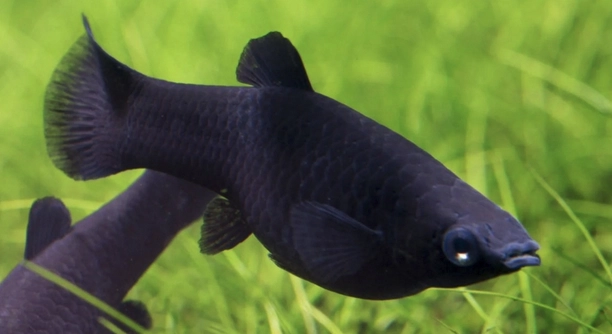
Black Mollies are popular freshwater fish known for their striking appearance and lively behavior. Many fish enthusiasts enjoy keeping them in home aquariums and often observe their social interactions and breeding habits closely.
Black Mollies can exhibit a phenomenon known as sequential hermaphroditism, where some individuals may change gender under specific environmental or social conditions. This process is influenced by factors such as population dynamics, hormonal changes, and water quality.
Understanding how Black Mollies may change gender can help you maintain a balanced aquarium environment and ensure the health and well-being of your fish.
Why Black Mollies Might Change Gender
Black Mollies sometimes change gender as a natural response to their environment. When there are too few males in a tank, some females can develop male characteristics to maintain breeding balance. This is influenced by social hierarchy, stress levels, and water conditions. Proper water temperature and pH are critical, as imbalances can trigger hormonal changes. Genetics also play a role, with certain strains more likely to exhibit gender changes. Observing tank dynamics is essential because dominance interactions between fish can stimulate shifts in behavior and physiology. Providing adequate space, hiding spots, and consistent feeding routines helps reduce stress and supports natural development. Gender changes usually occur gradually and may be subtle, making careful observation necessary. Recording tank conditions and noting changes in fin shape or coloration can help track the process. Ensuring a stable environment reduces the likelihood of sudden or extreme gender shifts in Black Mollies, supporting their overall health and reproduction.
Gender changes are rare but possible in a well-maintained aquarium with proper care and monitoring.
Regular observation and careful tank management allow you to notice early signs of gender shifts, helping maintain a balanced, healthy population. Consistent feeding, clean water, and monitoring social interactions are key to supporting natural behaviors in Black Mollies. Understanding these patterns also helps prevent unexpected breeding issues and ensures all fish remain active and healthy over time. Paying attention to subtle changes in appearance or behavior allows you to adjust tank conditions proactively.
How to Support Healthy Black Molly Development
Providing clean, stable water conditions is crucial for Black Mollies’ health and gender stability. Maintaining appropriate temperature, pH, and hardness creates an environment where fish can grow naturally and reduce stress-related changes.
Diet is another important factor. A balanced mix of protein, vegetables, and occasional live foods supports strong immune systems and proper growth. Overfeeding or inconsistent feeding can lead to stress, illness, or hormonal imbalances that may influence gender changes. Monitoring tank population is essential, as overcrowding increases competition and aggression, which can trigger behavioral shifts. Observing interactions and adjusting numbers as needed ensures a harmonious environment.
Tank enrichment also benefits their development. Plants, decorations, and hiding spaces allow fish to feel secure and reduce stress, which supports stable growth and social behavior. Gradual introduction of new fish prevents sudden dominance shifts, reducing triggers for gender change. By maintaining consistent water quality, nutrition, and population balance, Black Mollies are more likely to thrive naturally, with gender changes occurring only under normal biological conditions rather than as a response to poor care.
Recognizing Gender Changes in Black Mollies
Changes in Black Mollies’ gender can be subtle. Look for alterations in body shape, coloration, or fin size. Males often develop more pointed dorsal fins and darker coloring, while females may appear fuller-bodied or less vibrant. Behavior may also shift toward dominance.
Observing social interactions is key to spotting gender changes. Dominant fish may display increased aggression or courtship behavior. Females turning male may begin chasing other females or showing territorial tendencies. Subtle changes in fin shape or size can appear first, followed by shifts in coloration. These signs usually occur over weeks, requiring consistent monitoring. Keeping a log of these changes helps track patterns and informs tank management.
Behavioral observation complements physical changes. Tracking feeding habits, movement around the tank, and responses to other fish provides insights into shifting roles. Gender changes are influenced by environmental stability, population balance, and stress levels. Regularly adjusting tank conditions and maintaining proper water quality supports healthy development and reduces unexpected or extreme changes. Patience and attention are essential to understanding these natural transformations.
Environmental Factors Affecting Gender Change
Water quality directly impacts Black Mollies’ hormonal balance. Poor conditions can trigger stress responses, influencing gender change, growth, and overall health. Stable temperature, pH, and regular filtration are essential.
Tank population density also matters. Overcrowding or imbalance in males and females can push females to change gender to maintain reproductive balance. Stress from aggressive tankmates or limited space may accelerate the process, while a well-structured environment supports natural behavior.
Nutrition and diet influence development too. A consistent, varied diet supports proper growth, hormonal regulation, and resilience. Skipping these factors can lead to stress, disease, and unwanted gender shifts. Combining proper water care, population management, and balanced feeding creates a stable environment, minimizing unnecessary gender changes and promoting a healthy, thriving aquarium ecosystem for Black Mollies.
Common Misconceptions About Gender Change
Not all Black Mollies will change gender. Many remain the same sex throughout their lives, even in male-deficient tanks. Changes are triggered by specific environmental or social conditions rather than being a guaranteed occurrence.
Gender change is often misunderstood as a sign of illness. While stress can influence changes, it is usually a natural response to population imbalance or dominance shifts. Observing the fish over time clarifies whether it is a healthy transformation or a response to poor conditions.
Signs to Watch Closely
Subtle shifts in fin shape, body coloration, and behavior are the primary indicators of gender change. Dominant behavior, chasing, or territorial displays often accompany physical changes.
Preventing Unnecessary Gender Changes
Maintaining proper water quality, tank size, and population balance reduces the likelihood of stress-induced gender changes. Stable conditions help Black Mollies grow and behave naturally.
FAQ
Can all Black Mollies change gender?
Not all Black Mollies have the ability to change gender. Gender shifts are rare and occur only under certain environmental or social conditions. Many individuals remain the same sex for their entire lives, even in male-deficient tanks. Genetics, population balance, and stress levels all play a role in whether a change occurs. Observing your fish regularly helps determine if any are showing early signs of transformation, but it is important to remember that most will maintain their original sex. Proper care reduces the likelihood of unexpected changes.
How can I tell if a female is turning male?
Physical and behavioral changes are the main indicators. Females developing male characteristics may show pointed dorsal fins, darker or more vibrant coloration, and a slimmer body. Behaviorally, these fish may start chasing other females, showing increased aggression, or attempting to court tankmates. Tracking these changes over time is helpful. Subtle shifts may appear first, such as fin elongation or minor color changes, followed by more obvious behavioral adjustments. Recording these observations ensures you understand whether the change is natural or triggered by stress.
Does water quality affect gender change?
Yes. Poor water conditions can cause stress, which may trigger gender changes in some individuals. Maintaining stable temperature, pH, and hardness is critical. Sudden fluctuations in these factors can disrupt hormonal balance, influencing growth, behavior, and reproductive roles. Regular filtration, water changes, and monitoring parameters help keep the tank stable. By keeping the water consistent and clean, you reduce stress and support normal development, lowering the chances of unnecessary gender shifts. Environmental stability is key to healthy Black Mollies.
Can overcrowding trigger gender changes?
Overcrowding or an unbalanced male-to-female ratio can influence gender changes. When too few males are present, some females may develop male traits to balance reproduction. Overcrowding also increases aggression and stress, which may accelerate hormonal responses. Providing adequate space, hiding spots, and monitoring population numbers reduces triggers. Ensuring a balanced tank population allows natural social hierarchies to form without forcing extreme physiological changes in the fish.
Will diet influence gender changes?
Nutrition plays a supporting role in overall health and development. A varied diet with protein, vegetables, and occasional live food ensures proper growth and hormonal regulation. Poor or inconsistent feeding can lead to stress, weaken immune systems, and indirectly contribute to unexpected changes in gender or behavior. Maintaining a balanced diet supports stability and reduces environmental stress responses.
How long does it take for a Black Molly to change gender?
If a gender change occurs, it usually happens gradually over weeks or months. Physical changes, like fin shape and coloration, often appear first, followed by behavioral shifts. Sudden changes are uncommon, and careful observation is needed to track progress. Consistent tank conditions help the process occur naturally and prevent unnecessary stress-induced changes.
Is it safe for my fish if a gender change occurs?
Yes, in most cases it is natural and not harmful. Gender changes are a biological response to environmental or social conditions. Maintaining proper water quality, nutrition, and tank population ensures fish remain healthy during the process. Monitoring behavior and physical appearance helps identify if changes are normal or caused by stress.
Do male Black Mollies ever turn female?
Male-to-female gender change is extremely rare and less documented than female-to-male shifts. Most observed changes occur in females responding to a shortage of males. Tank conditions, genetics, and social dynamics all influence the likelihood. Observing the tank carefully helps understand whether natural adaptations are occurring or if environmental stress is a factor.
Can I prevent gender changes in Black Mollies?
Yes, by maintaining stable water conditions, proper nutrition, and balanced tank populations. Avoid overcrowding, minimize stress, and provide hiding spaces. Regular monitoring allows you to notice early signs of behavior or physical changes, enabling adjustments before unnecessary shifts occur. Stability and consistency are the most effective methods to reduce unexpected transformations.
Are there long-term effects on fish that change gender?
Typically, there are no negative long-term effects if changes occur naturally. Fish adjust biologically to their new roles, and reproduction continues normally. Stress-induced changes, however, can affect health. Keeping the environment stable ensures fish remain active, healthy, and capable of natural breeding behaviors after a gender shift.
Do Black Mollies need specific conditions to reproduce after gender change?
Yes, stable water parameters, proper nutrition, and a balanced tank population are necessary for successful reproduction. Ensuring minimal stress and providing adequate space allows fish to adapt to new roles and maintain normal breeding behavior without complications. Proper care supports both health and reproductive success.
How can I track gender changes effectively?
Regular observation, noting physical characteristics, behavior, and interactions, helps track changes. Take photos or keep a log to compare over time. Monitoring water parameters, population balance, and stress factors alongside these notes provides a complete picture of potential changes and helps guide adjustments to maintain stability.
Do stress and illness have similar effects on gender?
Stress and illness can influence hormonal balance, but they are not the same as natural gender change. Illness may weaken fish, reduce activity, or alter coloration temporarily, while gender change is a gradual, biological adaptation. Maintaining health and observing behavior helps differentiate between these effects.
Are some Black Molly strains more likely to change gender?
Yes, genetics influence the likelihood. Certain strains exhibit higher rates of gender change due to inherited hormonal sensitivity. Environmental conditions remain a key factor, but understanding the strain helps predict potential changes and manage tank conditions appropriately.
Final Thoughts
Black Mollies are fascinating fish that can sometimes exhibit gender changes, a natural response to specific environmental and social conditions. While not all individuals will change gender, understanding the possibility helps you care for them more effectively. Maintaining stable water parameters, such as temperature, pH, and hardness, is essential to support their health and reduce stress. Stress is one of the main triggers for unnecessary or rapid changes, so providing a consistent and clean environment is key. Observing the fish regularly allows you to notice subtle shifts in behavior or physical characteristics, ensuring you can make adjustments before problems arise. These observations also help you understand natural social hierarchies in the tank and how they affect fish development over time. By focusing on environmental stability, you provide a space where Black Mollies can thrive naturally and maintain normal behaviors, whether or not a gender change occurs.
Diet and nutrition also play an important role in supporting healthy development. Providing a varied diet, including protein sources, vegetables, and occasional live foods, helps maintain proper growth and hormonal balance. Poor nutrition or inconsistent feeding can weaken fish, increasing stress levels and indirectly contributing to unexpected changes in gender or behavior. Feeding routines should be consistent, and portions should match the tank’s population size to prevent overfeeding or competition. In addition to diet, tank population management is essential. Overcrowding or an unbalanced male-to-female ratio can push some females to develop male characteristics, while aggression and stress from dominant fish may influence growth and behavior. Providing adequate space, hiding spots, and a balanced number of fish reduces these risks and supports natural development. Combining careful feeding, stable water conditions, and proper population management ensures that Black Mollies are more likely to grow and behave naturally, reducing the chances of sudden or unnecessary gender shifts.
Behavioral observation is another valuable tool in understanding Black Mollies’ needs. Subtle changes in fin shape, coloration, or social interactions may indicate a developing gender change or adjustment to tank conditions. Tracking these changes over time, either through notes or photos, can help you differentiate between normal growth, stress responses, or environmental triggers. Gender changes that occur naturally are generally safe and part of the fish’s biological adaptation, but stress-related changes can negatively affect overall health. Paying attention to these details ensures your tank remains balanced and healthy, supporting reproduction and normal behavior in all fish. By combining environmental stability, proper nutrition, and careful observation, you create a supportive habitat that encourages natural development and minimizes problems. Understanding the factors that influence gender changes in Black Mollies allows you to provide consistent care, maintain a harmonious tank, and ensure the long-term health of your fish.

Hello,
If you enjoy the content that we create, please consider saying a "Thank You!" by leaving a tip.
Every little bit helps us continue crafting quality advice that supports the health, happiness, and well-being of pets around the world, for pets of all shapes, sizes, and species.
We really appreciate the kindness and support that you show us!