
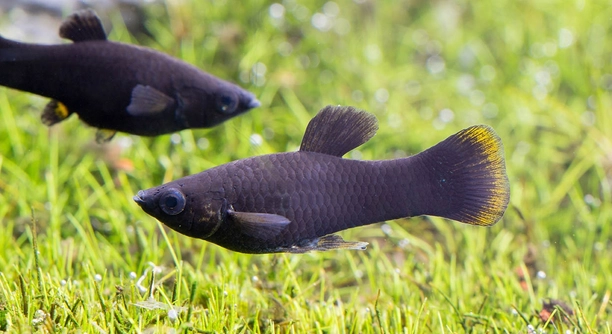
Are your fry moving slower than usual and showing less activity in their tank? Observing their swimming patterns can reveal important clues about their health and environment. Small changes in behavior are often the first signals of stress.
Slow-fin movement in fry is commonly caused by water quality issues, improper temperature, or nutritional deficiencies. Correcting these environmental factors and ensuring a balanced diet helps restore normal swimming behavior and supports healthy development.
Monitoring water parameters, adjusting feeding routines, and maintaining a stable environment can significantly improve fry activity and overall growth. Proper care ensures a healthier, more active start for your young fish.
Common Causes of Slow-Fin Movement
Slow-fin movement in fry is often linked to water quality and environmental factors. Poor water conditions, such as high ammonia, nitrite, or nitrate levels, can stress young fish and reduce activity. Temperature fluctuations also impact metabolism, making fry lethargic and less likely to swim. Additionally, insufficient oxygen levels can limit energy, causing fry to stay near the bottom or cling to surfaces. Nutrition plays a role as well; a diet lacking in essential proteins, vitamins, and minerals can weaken muscles and fins, reducing mobility. Overcrowding in tanks increases stress and competition for food, further hindering movement. By observing the tank carefully, signs such as faded coloration, clamped fins, or unusual swimming patterns often indicate underlying issues. Prompt action, including partial water changes, maintaining proper filtration, and providing high-quality feed, can help restore energy levels and normal swimming behavior in fry. Consistent monitoring is essential for long-term health.
Monitoring water quality and adjusting feeding habits can quickly improve fry movement and overall vitality in your tank.
Keeping fry healthy requires careful observation and consistent maintenance. By maintaining stable water parameters and providing nutritious food, fry regain energy and grow more steadily. Environmental stability, including proper tank size and oxygenation, ensures active and healthy swimming patterns. Over time, these measures help fry develop strong fins and robust health. Regular checks and adjustments prevent recurring slow-fin movement, supporting a thriving, lively tank environment for young fish.
Effective Steps to Restore Fry Activity
Start by checking water parameters and correcting temperature or chemical imbalances. A stable environment supports natural swimming behavior.
Providing balanced nutrition with small, frequent feedings ensures fry get essential nutrients for energy and growth. Removing uneaten food prevents water contamination. Gradually introducing movement-enhancing exercises, like gentle water flow, encourages activity. Regular partial water changes improve oxygen levels and remove toxins, creating a healthier habitat. Avoid overcrowding to reduce stress and competition, allowing fry to swim freely. Observing fry behavior after adjustments helps confirm improvements and identify remaining issues. With consistency and attention, slow-fin movement can be corrected, giving fry a better chance at strong growth and vitality. These steps build a foundation for long-term health, minimizing the risk of recurring lethargy and supporting active, thriving fish development in your tank.
Adjusting Tank Conditions
Maintaining stable water conditions is essential for fry activity. Small fluctuations in temperature, pH, or chemical levels can make fry lethargic. Ensuring proper filtration and oxygenation keeps water clean and supports active swimming.
Regular water testing is important to detect changes in ammonia, nitrite, and nitrate levels. High readings can stress fry and reduce fin movement. Adjusting water temperature gradually helps avoid shocking young fish. Installing an air stone or gentle filter flow increases oxygen levels, promoting energy and natural swimming behavior. Clean tanks, free from excess waste or debris, also prevent disease and discomfort, allowing fry to remain active and healthy in their environment.
Creating a consistent routine helps fry adapt to their surroundings. Feeding schedules, water changes, and monitoring activity at the same time each day provide stability. A stable environment reduces stress, allowing fry to develop strong fins and muscles. Observing their behavior during these routines ensures problems are identified early. Even small changes in light cycles or tank placement can influence activity, so consistency is key. By adjusting tank conditions carefully and maintaining regular care, fry can regain energy and thrive in a healthy aquatic environment.
Optimizing Fry Nutrition
A balanced diet is crucial for fry growth and energy. Small, frequent feedings give them essential nutrients without overloading the tank.
Fry require protein-rich foods in the early stages to build muscle and support fin development. High-quality micro pellets, finely crushed flakes, or live foods like infusoria or baby brine shrimp provide necessary vitamins and minerals. Overfeeding can pollute the water, while underfeeding weakens fry and slows movement. Rotating food types ensures a variety of nutrients, supporting overall health and strong swimming behavior. Observation is key; active fry indicate proper nutrition, while lethargic behavior may signal dietary adjustments are needed. Maintaining cleanliness and portion control ensures the food benefits the fry without affecting water quality.
Providing vitamins and supplements can further strengthen fry health. Adding liquid vitamins to feed or lightly enriching live foods improves resistance to stress and disease. Proper nutrition not only increases energy levels but also supports immune system development. Feeding small amounts multiple times daily ensures consistent energy availability. Monitoring growth rates and fin activity helps determine if diet adjustments are necessary. Combining balanced feeding with clean water conditions creates an environment where fry can swim actively, develop fully, and reach key growth milestones efficiently. Consistent care allows for stronger, healthier fish ready for later stages.
Reducing Stress in Fry
Minimizing stress is key to improving fry activity. Avoid sudden movements around the tank and keep the environment calm. Consistent lighting and gentle water flow help fry feel secure and swim naturally.
Overcrowding increases competition and stress among fry. Providing enough space and hiding spots reduces anxiety, allowing them to move freely and develop strong fins.
Monitoring Behavior Patterns
Regular observation of fry swimming and feeding behavior helps detect early signs of slow-fin movement. Noting patterns allows timely adjustments to water conditions or feeding routines, preventing further lethargy. Careful monitoring ensures issues are addressed before they impact growth or overall health.
Maintaining Clean Water
Clean water supports healthy fin movement and overall fry activity. Frequent partial water changes remove toxins and maintain oxygen levels.
FAQ
Why are my fry moving slower than usual?
Slow movement in fry is often caused by environmental stress, poor water quality, or inadequate nutrition. Ammonia, nitrite, or nitrate spikes can weaken young fish. Temperature fluctuations also reduce energy, and overcrowding adds stress. Ensuring clean water, proper spacing, and balanced feeding helps restore normal swimming behavior.
How often should I change water for my fry?
Partial water changes of 10–20% every two to three days are usually sufficient. Frequent small changes maintain stable water chemistry, reduce toxin buildup, and improve oxygen levels. Avoid large water changes that shock fry, and always treat new water to match tank temperature and pH.
What type of food is best for fry?
Fry need small, nutrient-rich foods. Micro pellets, finely crushed flakes, or live foods such as infusoria and baby brine shrimp provide protein and essential vitamins. Feed small amounts multiple times daily to prevent overfeeding, which can pollute the tank, and rotate food types to ensure balanced nutrition.
Can temperature affect fry activity?
Yes, water temperature has a direct impact on metabolism and swimming behavior. Too low slows activity, while too high can cause stress or illness. Gradually adjusting the temperature within the ideal range for the species ensures fry remain energetic and healthy. Stable temperature is essential for consistent growth.
How can I improve oxygen levels in the tank?
Adding an air stone or adjusting filter flow increases oxygen circulation. Avoid strong currents that may overwhelm fry. Regular water changes also help maintain dissolved oxygen. Proper oxygenation supports metabolism and fin movement, keeping fry active and promoting healthy development.
Why do fry clump together or stay at the bottom?
Clumping or bottom-dwelling often indicates stress, low oxygen, or illness. Overcrowding, poor water quality, or weak fry can lead to this behavior. Improving water conditions, maintaining proper tank space, and ensuring balanced nutrition encourage more natural swimming and dispersal throughout the tank.
How do I know if my fry are getting enough food?
Active fry with steady growth indicate sufficient nutrition. Observe feeding behavior; fry should readily eat small portions multiple times daily. Lethargy, slow fin movement, or uneven growth suggests adjustments in diet or feeding frequency are needed. Portion control is important to avoid water contamination.
Can stress affect fin development?
Stress reduces activity, slows growth, and can affect fin strength. Minimizing sudden movements around the tank, keeping stable lighting, and providing hiding spots helps fry feel secure. Less stressed fry exhibit more natural swimming patterns and stronger fin development over time.
Is overcrowding a problem for fry?
Yes, overcrowding increases competition for food and space, leading to slower fin movement and stunted growth. Providing adequate tank size, proper filtration, and space for each fry encourages activity and reduces stress. Separating fry into smaller groups may be necessary for optimal development.
What signs indicate my fry are recovering?
Improved fin movement, active swimming, brighter coloration, and consistent feeding behavior are all positive indicators. Regular observation and maintenance of water quality, nutrition, and stress reduction confirm progress. Fry that swim freely and respond to stimuli are generally healthy and developing as expected.
How long does it take for fry to recover from slow-fin movement?
Recovery depends on the cause and how quickly corrective actions are taken. With stable water conditions, proper nutrition, and reduced stress, improvement can be seen within a few days to a couple of weeks. Consistency in care ensures long-term health and prevents recurring issues.
Can supplements help my fry?
Yes, liquid vitamins or enriched live foods can strengthen immunity and improve energy levels. Supplements are most effective when combined with proper feeding, clean water, and stable tank conditions. They help fry recover from nutritional deficiencies that may contribute to slow-fin movement.
Are some species more prone to slow-fin movement?
Certain species are more sensitive to water quality, temperature changes, and nutrition. Researching species-specific requirements and tailoring tank care accordingly helps prevent slow-fin movement and supports optimal growth and activity.
What should I do if my fry show no improvement?
If slow-fin movement persists despite proper care, check for disease or parasites. Isolate affected fry if necessary, consult with an experienced aquarist or veterinarian, and review environmental and nutritional factors. Prompt intervention prevents further decline and supports recovery.
Final Thoughts
Observing slow-fin movement in fry can feel worrying, but it is often a manageable issue with proper care and attention. The behavior usually signals an imbalance in their environment, nutrition, or general health. Addressing these factors systematically can restore their activity and support overall growth. Consistent water quality checks, maintaining stable temperature, and ensuring sufficient oxygen levels are the foundation of healthy fry care. Small, frequent water changes and careful observation help detect early signs of stress before it impacts development. By keeping the tank clean and properly filtered, you create a stable environment that encourages natural swimming patterns and energy. Even minor improvements in water conditions can produce noticeable differences in fry behavior, highlighting the importance of regular maintenance.
Nutrition plays an equally important role in promoting fin movement and overall health. Fry require a protein-rich diet in small, frequent feedings to fuel their growth. Live foods, finely crushed flakes, or micro pellets provide essential vitamins and minerals that support strong muscles and fins. Overfeeding can harm water quality, while underfeeding slows growth and reduces activity. Rotating food types ensures a more balanced intake of nutrients, helping fry remain active and healthy. Observing their feeding behavior is critical, as lethargy or lack of interest in food can indicate underlying issues. Alongside proper feeding, providing space to move freely and reducing stress factors such as overcrowding or sudden disturbances encourages stronger fin development. These combined measures create a healthier environment where fry can thrive and reach key developmental milestones efficiently.
Maintaining calm and consistent care is the final piece of ensuring healthy fry activity. Avoid sudden changes in lighting, temperature, or tank placement, as these can trigger stress and slow-fin movement. Gentle water flow and well-distributed hiding spots make fry feel secure and reduce competition, allowing them to explore the tank and develop properly. Monitoring behavior regularly allows for early detection of potential problems, whether related to water chemistry, nutrition, or health. With patience and careful observation, slow-fin movement can be corrected, and fry can regain energy and activity. Focusing on a stable environment, balanced nutrition, and low-stress conditions ensures that fry grow stronger and healthier. By integrating these practices into daily tank care, you can support long-term vitality, promote active swimming, and help your fry develop into robust, energetic fish.

Hello,
If you enjoy the content that we create, please consider saying a "Thank You!" by leaving a tip.
Every little bit helps us continue crafting quality advice that supports the health, happiness, and well-being of pets around the world, for pets of all shapes, sizes, and species.
We really appreciate the kindness and support that you show us!