
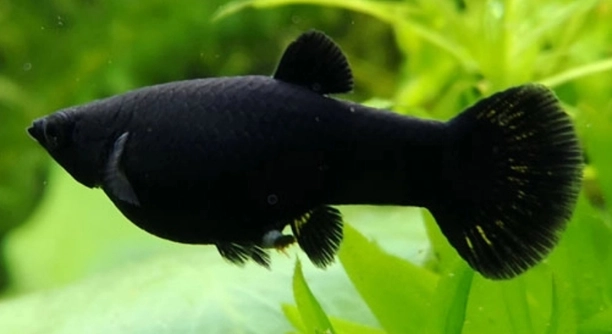
Are your black molly fish thriving in your aquarium, or do they seem stressed and withdrawn? Observing their behavior can reveal a lot about how they respond to different group sizes in your tank.
Black molly fish tend to display more natural and stable behaviors in small to moderate groups, typically between three and six individuals. Large groups can increase competition for food and territory, leading to stress and reduced overall well-being.
Finding the ideal group size can significantly improve your black mollies’ health and activity, ensuring a more harmonious environment in your tank.
Understanding Black Molly Social Behavior
Black mollies are naturally social fish that prefer the presence of other fish, but the group size affects their behavior and overall well-being. In small groups, they often show more stable interactions, less aggression, and more active swimming patterns. Observing them, you can notice that they are less likely to hide and more willing to explore different areas of the tank. Small groups allow for easier monitoring of each fish’s health, helping to quickly identify any illness or stress. In contrast, large groups can create competition for food and swimming space. Territorial disputes may arise, causing some fish to become timid or even aggressive. Proper tank setup, with enough hiding spots and plants, can mitigate stress in larger groups, but it does not fully replace the benefits of a moderate group size. Maintaining the right number of black mollies contributes to a calmer and more balanced tank environment overall.
Small groups often encourage natural schooling behavior without excessive conflict, making daily observation simpler and more enjoyable.
Choosing the right group size is not only about numbers but also about observing how your fish interact. Watching for signs of stress or aggression is key. If certain fish consistently dominate the tank, it may be necessary to adjust the group size or rearrange tank decorations. Moderate groups allow black mollies to establish a social hierarchy without constant fighting, which supports their health and longevity. Overcrowding can also affect water quality, leading to higher levels of waste and lower oxygen, which impacts fish behavior. By maintaining a moderate group, feeding becomes more efficient as competition is reduced, and each fish receives adequate nutrition. Additionally, a calm environment encourages breeding and natural activity, which is rewarding to observe. Regular maintenance and careful monitoring of group dynamics ensure that your black mollies thrive while keeping the tank environment clean, safe, and visually appealing for both the fish and the observer.
Tank Size and Group Dynamics
Tank size greatly influences how black mollies behave in groups. Smaller tanks can exaggerate stress and territorial behavior even in moderate groups, while larger tanks can accommodate more fish with less conflict.
Providing sufficient space for swimming and hiding spots allows black mollies to establish their preferred territories, reducing aggression and encouraging natural schooling. Overcrowding in small tanks leads to frequent chasing and stress, which may affect their health. In larger tanks, even slightly larger groups can thrive if the environment is structured correctly. Decorations, plants, and open swimming areas are essential for maintaining harmony, allowing fish to retreat and explore comfortably. Monitoring interactions remains important, as individual personalities can affect how well they integrate. Ultimately, matching tank size with the number of black mollies ensures a healthy, active, and balanced aquarium where fish display natural behaviors and remain stress-free.
Feeding Behavior in Different Group Sizes
In smaller groups, black mollies feed calmly, allowing each fish to get enough nutrition. Larger groups can lead to competition, with dominant fish eating more and timid fish getting less. Proper feeding strategies are important to ensure all fish remain healthy and active.
Feeding black mollies in larger groups requires careful portioning. It’s important to distribute food evenly across the tank, using multiple feeding spots if necessary. This prevents dominant fish from hoarding and allows shy or smaller fish to access their share. Observing their behavior during feeding can reveal if certain individuals are being left out or if aggressive tendencies are emerging. Adjusting feeding times and methods can help maintain balance in group dynamics, ensuring all fish receive proper nutrition without stress.
Overfeeding in large groups can lead to water quality issues, which affect fish health and behavior. Uneaten food increases waste, leading to ammonia spikes and algae growth. Maintaining consistent feeding routines and monitoring tank cleanliness are crucial. Small groups are easier to manage in this regard, as you can quickly see if all fish are eating and adjust accordingly. With proper feeding practices, black mollies thrive, regardless of group size, but the effort required scales with the number of fish and their social interactions.
Health Considerations
Small groups reduce stress-related illnesses in black mollies, helping them maintain stronger immune systems. Large groups may increase the risk of infections and parasites if tank conditions are not carefully monitored.
Regular observation is key to catching early signs of disease, especially in larger groups. Look for changes in swimming patterns, discoloration, or unusual hiding behavior. Quarantining new or sick fish can prevent the spread of illness. Water quality management is critical, as crowded tanks are more prone to fluctuations in pH, ammonia, and nitrate levels. Ensuring proper filtration, regular water changes, and a balanced diet supports overall health and longevity, making group management easier and more effective.
Breeding Behavior
Black mollies in small groups tend to breed more successfully because there is less stress and competition. Males can court females without constant interruptions, allowing for healthier fry development and better survival rates.
In larger groups, breeding can become chaotic. Multiple males may compete aggressively for females, leading to stress and reduced reproductive success.
Compatibility with Other Fish
Black mollies generally get along with peaceful tank mates. In small groups, they interact calmly, and aggression toward other species is minimal. Maintaining a compatible mix ensures a balanced aquarium environment.
Monitoring Stress Levels
Signs of stress include erratic swimming, hiding, or color fading. Observing your mollies regularly allows you to adjust group sizes or tank conditions promptly.
FAQ
How many black mollies should I keep together?
Small to moderate groups of three to six black mollies work best. This number allows them to display natural behaviors, reduces aggression, and makes it easier to monitor their health. Larger groups can create competition for food and space, leading to stress.
Can black mollies live alone?
Black mollies are social fish, so keeping just one is not ideal. A single molly may become shy, inactive, or stressed. Even a pair is better than one, but small groups allow them to form a natural social hierarchy, which supports overall well-being.
Do black mollies need special tank conditions in groups?
Yes, tank size, hiding spots, and proper filtration are important. Small groups do well in modest tanks, but larger groups need more space to swim freely. Plants and decorations provide hiding areas, reducing stress and aggressive behavior, especially in mixed-species aquariums.
How does group size affect feeding?
In small groups, feeding is straightforward. Each fish can access food easily. In larger groups, dominant fish may eat more while shy fish get less. Multiple feeding spots and careful portioning help ensure all fish receive adequate nutrition without conflict.
Are black mollies more prone to disease in large groups?
Crowded conditions can increase stress, which weakens immunity and raises the risk of infections and parasites. Regular water changes, monitoring water parameters, and observing fish behavior are essential. Small to moderate groups generally remain healthier and more resilient.
Do black mollies breed better in small groups or large groups?
Small groups often encourage more successful breeding. Males can court females without constant interruptions, and fry survival is higher. In larger groups, aggressive competition among males may stress females and reduce reproductive success. Proper tank management can mitigate some of these issues.
How do I know if my black mollies are stressed?
Signs include hiding frequently, erratic swimming, faded color, or reduced appetite. Stress can result from overcrowding, poor water quality, or incompatible tank mates. Adjusting group size, improving water conditions, and ensuring enough space and hiding spots can relieve stress.
Can black mollies coexist with other fish?
Yes, they are generally peaceful and compatible with other non-aggressive species. In small groups, they interact calmly with tank mates. In larger groups, ensure there is enough space and resources to prevent territorial disputes and reduce competition for food.
Does tank size matter for group dynamics?
Absolutely. Small tanks amplify stress and aggression in both small and large groups. Larger tanks allow for better distribution of space, which helps maintain harmony and encourages natural behaviors. Decorations, plants, and open swimming areas improve overall tank balance.
How do I maintain harmony in a large group?
Providing sufficient space, hiding spots, and multiple feeding areas helps reduce aggression. Regular observation of behavior and tank conditions ensures that dominant or aggressive individuals don’t negatively affect the rest of the group. Adjustments to group composition may be necessary over time.
Are black mollies happier in groups?
Yes, small to moderate groups generally show more natural activity, exploration, and social interactions. Happiness in fish is reflected through active swimming, bright coloration, and regular feeding. Ensuring a well-maintained environment supports these behaviors consistently.
Can I mix black mollies of different ages in a group?
Mixing ages is possible, but older or larger fish may outcompete younger ones for food. Monitoring feeding and providing multiple feeding spots can help prevent stress or malnutrition in younger fish, especially in moderately sized groups.
Do black mollies require more maintenance in large groups?
Yes, larger groups produce more waste, requiring more frequent water changes and filtration maintenance. Monitoring water quality, feeding distribution, and tank cleanliness is essential to prevent health issues and maintain a harmonious environment.
Is it better to keep only females or a mix of males and females?
A mix encourages natural social and breeding behaviors. Too many males can lead to aggression and stress, while all-female groups reduce competition but may limit breeding opportunities. Balancing the sexes helps maintain stable dynamics.
How often should I observe my black mollies?
Daily observation is ideal, especially in larger groups. Watching interactions, feeding behavior, and overall activity helps detect early signs of stress, illness, or aggression. Prompt adjustments keep the group healthy and the tank environment balanced.
Can black mollies adapt to changing group sizes?
Yes, but transitions should be gradual. Adding or removing fish suddenly can cause stress and disrupt social hierarchies. Introduce new fish carefully, ensure adequate space, and monitor behavior to help everyone adjust smoothly.
How do hiding spots influence group behavior?
Hiding spots reduce stress, particularly in larger groups. Fish can retreat if dominated or threatened, preventing conflict. Plants, caves, and decorations create a more secure and natural environment, supporting both calm and active behaviors.
What is the ideal ratio of black mollies to tank size?
A moderate density works best: roughly one fish per two to three gallons of water. This ratio ensures enough space to swim, reduces competition, and maintains water quality without overcrowding, allowing natural behaviors to thrive.
Can black mollies coexist with aggressive species?
No, aggressive tank mates increase stress and may lead to injury. Black mollies are peaceful, so choosing compatible, non-aggressive species is essential to maintain harmony and prevent bullying or territorial disputes.
Does water temperature affect group behavior?
Yes, stable water temperature supports healthy metabolism and reduces stress. Sudden fluctuations can lead to lethargy, hiding, or aggression. Maintaining recommended temperature ranges ensures consistent activity levels and harmonious interactions among black mollies.
What signs indicate a group size adjustment is needed?
Increased aggression, hiding, uneven feeding, or health decline are indicators. Adjusting the number of fish or redistributing space and resources can restore balance. Observing group dynamics regularly allows for proactive management and a healthier, more active tank environment.
How long can black mollies thrive in the same group?
With proper care, small to moderate groups can thrive for years. Maintaining stable water conditions, regular observation, and balanced group composition ensures longevity, natural behavior, and minimal stress, making your aquarium a healthy space for all fish.
What’s the best approach for newcomers to black molly care?
Start with a small group, maintain proper tank conditions, and observe behavior closely. Gradually expanding the group is possible once you understand their social dynamics, feeding needs, and tank requirements. Proper planning ensures a successful and rewarding experience.
How do I prevent dominance issues in larger groups?
Provide multiple hiding spots, distribute food evenly, and monitor aggressive individuals. Rearranging tank decorations occasionally can disrupt established territories and reduce dominance conflicts, helping all fish coexist peacefully.
Can black mollies adapt to both freshwater and slightly brackish water?
Yes, they can tolerate a small amount of salt in water. Brackish conditions should be introduced gradually, ensuring the group adapts without stress. Monitoring behavior and health is important during adjustments.
Are there behavioral differences between males and females in groups?
Males tend to be more active in chasing and courting, while females focus on foraging and avoiding stress. Balancing the number of males and females helps reduce aggression and promotes natural social structures.
What role does tank decoration play in group harmony?
Decorations provide shelter, reduce stress, and break lines of sight. This prevents dominance and territorial disputes, especially in larger groups. Plants, rocks, and caves allow each fish to find a safe space while maintaining visibility for social interaction.
How do I introduce new black mollies to an existing group?
Acclimate new fish slowly in a separate container within the tank before release. Observe interactions carefully, and ensure there are hiding spots to prevent immediate aggression. Gradual introduction helps maintain group stability and reduces stress for all fish.
Is it necessary to separate aggressive individuals?
Sometimes, yes. Aggressive fish can harm others and disrupt social harmony. Isolating or rehoming overly dominant fish prevents stress and injury, especially in tanks with moderate to large groups.
How does light affect group behavior?
Consistent lighting helps regulate activity levels. Sudden changes or excessive light can stress fish, causing hiding or erratic swimming. Providing a natural day-night cycle encourages calm, predictable behavior within the group.
Do black mollies form hierarchies?
Yes, small and moderate groups establish pecking orders. Hierarchies reduce constant conflict, as dominant and submissive roles are recognized. Observing these interactions helps determine if the group is balanced or requires adjustments.
Can overcrowding affect reproduction?
Yes, excessive fish reduce breeding success. Stress from overcrowding can lead to skipped spawning, aggressive mating behavior, or lower fry survival. Adequate space and moderate group size are critical for successful reproduction.
How do water changes affect group dynamics?
Regular water changes maintain quality, reduce stress, and support health. Clean water prevents disease and aggression linked to poor conditions. Large groups require more frequent changes to maintain stable parameters.
Is it possible for black mollies to become stressed in small groups?
Yes, if isolated or kept with incompatible tank mates, even small groups can show stress. Observing behavior, providing enrichment, and ensuring compatible species is essential for calm, active, and healthy fish.
How often should I check tank parameters?
Weekly monitoring of pH, ammonia, nitrate, and temperature is ideal. Frequent checks in larger groups prevent sudden changes that could disrupt behavior, feeding, or breeding patterns. Regular maintenance supports a stable, healthy environment.
Do black mollies need a companion species?
While they prefer their own kind, peaceful companion species can coexist if space is sufficient. Proper group size ensures all fish have room to swim, feed, and interact without conflict.
Can stress cause color fading?
Yes, stressed black mollies often lose vibrancy. Maintaining proper group size, water quality, and a calm environment helps retain their natural coloration and overall vitality.
How does tank shape influence group behavior?
Longer tanks provide more swimming space and reduce territorial disputes. Vertical height matters less but can offer additional refuge for shy fish. Adequate layout helps both small and larger groups thrive.
Is monitoring individual fish necessary in groups?
Yes, especially in larger groups. Observing each fish ensures proper feeding, identifies illness early, and helps maintain balanced social interactions, preventing long-term stress and health issues.
Do black mollies interact differently with the same species versus others?
Yes, interactions are more complex within their species, forming hierarchies and social bonds. With other peaceful fish, interactions are usually minimal and focused on sharing space and resources.
How can I reduce aggression during feeding?
Distribute food across multiple areas, use slow-sinking flakes or pellets, and feed in small amounts. This prevents dominant fish from controlling resources and allows shy individuals to eat comfortably.
Can sudden changes in group size affect health?
Yes, abrupt additions or removals can cause stress, aggression, or hiding. Gradual adjustments and careful monitoring help the group adapt while minimizing negative impacts on health.
Do black mollies need enrichment for larger groups?
Yes, plants, caves, and varied decorations encourage exploration and reduce stress. Enrichment provides mental stimulation and helps diffuse aggression in both small and large groups.
How long does it take for a new group to stabilize?
Typically, a week to two weeks for small to moderate groups. Larger groups may take longer, depending on individual personalities, tank layout, and available hiding spots.
Are black mollies sensitive to water chemistry changes?
Yes, sudden shifts in pH, hardness, or temperature can stress fish. Gradual adjustments are key, especially in groups, to maintain harmony, health, and natural behavior.
How do I handle a dominant male in a group?
Provide hiding spots, ensure adequate space, and monitor aggression. If necessary, separate him temporarily to prevent stress or injury to other fish, maintaining balance within the group.
What’s the best way to increase fry survival in groups?
Use separate breeding tanks or provide dense plants and hiding areas for fry. Smaller groups reduce chasing and stress, giving fry a higher chance of survival while allowing parents to continue natural behaviors.
Do black mollies require temperature adjustments in mixed groups?
Maintain a stable, appropriate temperature for all species in the tank. Sudden changes can stress mollies or other fish, affecting behavior, feeding, and breeding success.
Is overcrowding the main cause of aggression?
It’s a primary factor, but competition for food, inadequate hiding spaces, and incompatible tank mates also contribute. Proper group size, tank layout, and resources minimize aggression effectively.
How do I know when to expand my group?
If fish appear active, healthy, and display natural schooling behavior, a gradual increase is possible. Always ensure tank size and resources can accommodate the added fish without stress or overcrowding.
Can black mollies adapt to new companions quickly?
Gradual introduction and adequate hiding spots help new fish integrate. Even then, observation is critical to prevent aggression and ensure all fish coexist peacefully.
Are smaller groups easier to manage?
Yes, fewer fish mean easier feeding, monitoring, and water maintenance. Behavioral issues are easier to address, and overall stress levels remain lower, making tank management more straightforward.
Do group sizes affect lifespan?
Yes, balanced groups in suitable tank conditions tend to live longer. Stress from overcrowding or aggression can shorten lifespan, while small to moderate groups support health, natural behavior, and longevity.
Is it necessary to separate fry from adults in a group?
Yes, adults may chase or eat fry. Providing dense plants, breeding boxes, or separate tanks improves fry survival and reduces stress on both young and adult fish.
How do I prevent bullying in a group?
Ensure enough space, hiding spots, and multiple feeding areas. Observe interactions and separate overly aggressive individuals. Balanced sex ratios and moderate group sizes also reduce dominance conflicts.
Can black mollies thrive in community tanks?
Yes, with peaceful species and enough space, black mollies can coexist. Proper group size, careful observation, and adequate resources ensure harmony and natural behavior.
Do black mollies require a lot of maintenance in groups?
Maintenance increases with group size. Regular water changes, filtration, feeding management, and behavior observation are necessary to maintain health, reduce stress, and prevent aggression.
Are black mollies affected by overcrowded filters?
Yes, high bioload from many fish can overload filters, impacting water quality. Adequate filtration and regular cleaning are essential for maintaining a stable, healthy environment.
Can black mollies display aggressive behavior even in small groups?
Yes, individual personalities or breeding behaviors can cause temporary aggression. Providing hiding spots, monitoring interactions, and separating overly dominant fish helps maintain calm in small groups.
How do I balance group size with tank decorations?
Decorations should allow swimming space, hiding areas, and visual barriers. Adjusting the number of fish based on available space ensures each fish has territory, reducing stress and aggression.
Is it better to gradually add fish to an existing group?
Yes, slow introductions help establish social hierarchies without excessive stress. Abrupt changes can lead to aggression, hiding, or health issues, especially in small or moderate groups.
Do black mollies need different care in freshwater versus slightly brackish tanks?
Yes, brackish water requires monitoring salinity and adjusting feeding and maintenance routines. Fish may tolerate slight salt, but stability is key to prevent stress and ensure healthy group behavior.
How do I know if my group size is ideal?
Balanced behavior, minimal aggression, active swimming, and healthy feeding patterns indicate proper group size. Observing interactions and making small adjustments ensures a thriving, harmonious tank.
Can black mollies recover from stress caused by large groups?
Yes, with proper care, smaller groups, adequate hiding spots, and improved water conditions, fish can regain normal behavior, color, and activity levels over time.
Do black mollies prefer vertical or horizontal space in groups?
They mainly utilize horizontal swimming areas, though vertical space offers refuge. Proper tank layout supports natural schooling and reduces territorial disputes, especially in larger groups.
How do I maintain a peaceful environment during breeding?
Provide dense plants, breeding boxes, or small groups to reduce chasing. Monitoring male behavior ensures females are not stressed, improving fry survival and maintaining calm among the adults.
Can overfeeding affect group harmony?
Yes, excess food can create competition, stress, and water quality issues. Controlled feeding in moderate amounts helps maintain calm and ensures all fish receive adequate nutrition.
Do black mollies require specific water hardness in groups?
Moderate hardness supports health, stress resistance, and natural behavior. Sudden changes in hardness can affect feeding, breeding, and interactions, especially in larger groups.
How important is observation in group management?
Daily or frequent observation is crucial. Noticing changes in behavior, feeding, or color allows early intervention, preventing stress, aggression, or health problems in both small and large groups.
Can black mollies thrive in a species-only tank?
Yes, species-only tanks simplify social management, reduce aggression, and allow natural behaviors to emerge. Small to moderate groups thrive best, with consistent care and proper tank setup.
How do I introduce black mollies to an established group of the same species?
Float the new fish in a separate container to acclimate, gradually releasing them. Observe interactions, ensure hiding spots, and provide food in multiple locations to reduce aggression and stress.
Does group size influence swimming patterns?
Yes, small groups exhibit calmer, more coordinated swimming. Large groups may display chaotic movement, chasing, or frequent hiding if overcrowded, stressing fish and affecting overall tank harmony.
How do I prevent dominant males from stressing females?
Provide hiding spots, balanced male-to-female ratios, and adequate space. In some cases, temporarily separating aggressive males allows females to recover and maintain health, reducing stress within the group.
Are black mollies sensitive to water changes in groups?
Yes, sudden changes in temperature, pH, or hardness can stress fish. Gradual adjustments, consistent routines, and careful observation are essential to maintain calm and healthy group behavior.
Can overcrowding affect fry survival?
Yes, high density increases stress, predation, and competition for food. Providing separate breeding areas, hiding spots, or smaller groups improves fry survival rates and overall tank harmony.
How do I ensure all fish get enough food in larger groups?
Distribute food across multiple spots, feed smaller amounts more frequently, and observe shy individuals. Proper feeding techniques reduce competition and ensure balanced nutrition for all fish.
Does group size affect activity levels?
Yes, moderate groups display consistent, active swimming and social interaction. Overcrowding or isolation can lead to lethargy, hiding, or stress-related behaviors, reducing overall tank vitality.
Are black mollies adaptable to changing tank conditions?
Yes, but gradual adjustments are crucial. Sudden changes in water chemistry, group composition, or tank layout can stress fish, leading to aggression, hiding, or health problems.
Black mollies are lively, adaptable fish that can thrive in both small and moderate groups, but understanding their social needs is key to maintaining a healthy and balanced aquarium. Small groups of three to six fish tend to display calmer, more natural behaviors, allowing each fish to explore, feed, and interact without excessive stress. These groups make it easier to monitor individual fish, ensuring they are healthy, eating well, and free from aggression. When keeping black mollies, it is important to consider tank size, available swimming space, and the number of hiding spots. Even a small group can experience stress if the tank is overcrowded or lacks sufficient cover. By paying attention to these factors, you create an environment where black mollies can move freely, form social hierarchies, and display their natural schooling behavior. This balance not only improves their physical health but also encourages active, colorful, and engaging behavior in the aquarium.
Larger groups of black mollies can work if the tank is spacious, well-maintained, and structured with adequate hiding places, plants, and decorations. However, overcrowding increases competition for food, space, and territory, which can result in aggression, stress, and uneven feeding. Dominant fish may chase or intimidate shy individuals, affecting overall health and reducing breeding success. In larger groups, careful feeding management is essential, with multiple feeding points to ensure all fish receive proper nutrition. Water quality is another crucial factor, as more fish produce higher levels of waste that can impact ammonia and nitrate levels. Regular water changes, proper filtration, and close observation of the fish are necessary to maintain a healthy environment. While large groups may offer more dynamic social interactions, they require more attention and effort to keep behavior balanced and the fish thriving. With the right setup and care, black mollies can coexist peacefully and maintain healthy activity levels even in larger groups.
Ultimately, the choice between a small or larger group of black mollies depends on your tank size, management preferences, and goals for the aquarium. Small to moderate groups generally provide a simpler and more controlled environment, reducing stress, aggression, and maintenance challenges. Larger groups can be successful with careful planning, adequate space, and structured resources, but they demand more consistent observation and management. Paying attention to fish behavior, feeding patterns, and water quality is essential, regardless of group size. Black mollies benefit from an environment that supports natural social structures, active swimming, and low stress levels. By understanding their social behavior, adjusting group sizes appropriately, and maintaining proper tank conditions, you can ensure your black mollies remain healthy, active, and visually striking. Creating a balanced and harmonious tank allows you to enjoy the full charm of these fish while supporting their long-term well-being.

Hello,
If you enjoy the content that we create, please consider saying a "Thank You!" by leaving a tip.
Every little bit helps us continue crafting quality advice that supports the health, happiness, and well-being of pets around the world, for pets of all shapes, sizes, and species.
We really appreciate the kindness and support that you show us!