
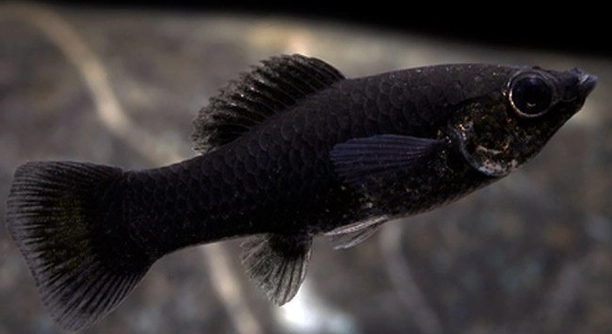
Keeping black mollies happy in their tank requires attention to even the smallest details. Substrate choice may seem minor, but it affects their comfort, activity, and overall health. Observing their behavior can reveal hidden preferences.
Black mollies often show dislike for the substrate through avoidance, resting less, or increased digging in corners. Changes in swimming patterns, fin clamping, or stress-related behavior can indicate that the tank bottom is uncomfortable or unsuitable for their needs.
Recognizing these subtle signs early can improve your mollies’ well-being and prevent long-term stress or health problems in your aquarium.
Signs of Avoidance
When black mollies dislike the substrate, one of the first things you might notice is avoidance. They may spend most of their time near the surface or cling to decorations instead of exploring the tank bottom. This behavior is subtle at first but becomes clearer over time. Mollies are naturally curious and like to swim around, but a substrate they dislike can limit this activity. You might also see them hovering near the filter or in open water, avoiding areas where they would normally rest or forage. Observing the tank at different times of the day helps identify patterns. Some mollies may only avoid the substrate during feeding or when the lights are on. Watching how they interact with the bottom can give clues about their comfort level. Changes in daily activity are often one of the earliest indicators that the substrate is causing stress.
Avoidance behaviors can include swimming near the surface and ignoring areas with substrate completely, showing clear signs of discomfort.
Noticing these signs early allows you to adjust the tank environment. Changing the substrate or adding soft layers can make the mollies feel safer. It can also reduce stress-related illnesses and encourage more natural behavior.
Restlessness and Digging
Restlessness is another clear sign that black mollies dislike the substrate. They may move continuously along the bottom or dig in certain spots repeatedly, seeming unsettled.
Excessive digging and constant movement often indicate dissatisfaction with the tank floor. Mollies might scratch their bellies against the gravel or sand, searching for comfort or attempting to create a spot that feels safe. This can stress them and make them more vulnerable to illness. Restlessness may also appear as sudden bursts of swimming across the tank, often combined with fin clamping or darting behavior. They might leave food uneaten or avoid areas where other fish comfortably rest. Paying attention to these movements is essential. Different substrates, like fine sand versus coarse gravel, affect mollies differently. Soft substrates tend to reduce digging and provide a sense of security, while hard or sharp materials can increase restlessness. Adjusting the substrate type and observing changes can help improve their comfort. Over time, mollies will display calmer, more natural behavior when the substrate matches their preference.
Clamped Fins
Clamped fins are a common sign that black mollies are uncomfortable with the substrate. Their fins may stay close to their bodies, and they appear tense or stiff while swimming.
Fins held close indicate stress or irritation. Mollies naturally spread their fins while gliding or resting, but when the substrate feels harsh or unsuitable, they may keep their fins tight. This behavior is often accompanied by reduced movement and less interaction with tank decorations. Over time, clamped fins can lead to weakened muscles and poor overall health if the underlying issue is not addressed. Observing fin posture daily helps identify discomfort early. Changing to a softer, smoother substrate can relieve stress and allow the mollies to resume normal fin movement.
Clamped fins may also coincide with hiding more than usual or refusing food. Mollies show subtle changes in posture, and these signs often appear before obvious behavioral issues. Providing a substrate that supports gentle movement can restore normal activity patterns and reduce stress-related behavior.
Uneaten Food
Uneaten food can signal substrate dissatisfaction. Mollies may ignore food that falls to the bottom, especially if the surface feels uncomfortable.
When mollies leave food uneaten, it’s often a reaction to the substrate. They may avoid areas where flakes or pellets land if the bottom is too coarse or rough. This behavior affects nutrition and can lead to weight loss over time. Some mollies will pick at food near smoother surfaces or drift food toward more comfortable areas, highlighting their preference. Regularly observing feeding habits can reveal which substrate types are acceptable. Providing soft sand or fine gravel often encourages mollies to forage naturally, improving their diet.
Ignoring food also affects social behavior. Mollies may swim away from the bottom during feeding, leaving other fish to eat alone. Adjusting the substrate to match their comfort level allows them to feed properly and interact more naturally with tankmates, which benefits overall health and tank dynamics.
Hiding Frequently
Black mollies that dislike the substrate often hide more than usual. They may stay under decorations, plants, or corners, avoiding the tank floor entirely.
Frequent hiding is a sign of stress. Mollies feel insecure on an uncomfortable substrate, and this behavior can persist until the bottom is changed or softened.
Uneven Swimming Patterns
Uneven swimming patterns can occur when mollies avoid contact with rough or sharp substrate. They may swim in circles, make sudden turns, or stay near the surface to minimize contact with the tank floor. Mollies may also dart from one decoration to another without settling, showing discomfort and unease. Observing their movements over time helps identify substrate-related stress. Switching to a smoother, finer substrate can restore natural swimming behavior. With proper substrate, mollies swim evenly, explore their environment, and display more relaxed, confident movements. Monitoring these patterns is key to maintaining a healthy and stress-free aquarium.
Scratching on Surfaces
Mollies may scratch themselves against decorations or tank walls if the substrate feels rough. This behavior can indicate irritation or discomfort with the bottom surface.
FAQ
What type of substrate do black mollies prefer?
Black mollies generally prefer soft, smooth substrates like fine sand or small, rounded gravel. These surfaces allow them to forage comfortably without scraping their fins or bellies. Harsh or sharp gravel can stress them, leading to avoidance behaviors or fin damage over time. A substrate that mimics their natural environment helps them feel secure and encourages normal swimming and feeding patterns.
Can black mollies adapt to rough substrates?
While mollies may tolerate rough substrates for a short time, prolonged exposure can cause stress, fin clamping, and behavioral changes. Some mollies might adjust slightly, but their activity and feeding patterns often remain affected. Providing a softer substrate from the start is the best way to prevent long-term issues and maintain their health.
Why do mollies leave food uneaten on certain substrates?
Uneaten food is often linked to discomfort with the tank bottom. Mollies avoid areas that feel rough or unsafe, which prevents them from accessing flakes or pellets. Switching to a smooth, fine substrate encourages normal foraging behavior and ensures they get proper nutrition without stress.
How can I tell if the substrate is causing stress?
Signs of substrate-related stress include clamped fins, hiding frequently, restlessness, excessive digging, uneven swimming, and scratching against decorations. Observing these behaviors consistently across days or weeks usually indicates the bottom surface is uncomfortable. A gentle substrate change can resolve many of these issues.
Is substrate change stressful for mollies?
Changing substrate can cause temporary stress, especially if done abruptly. Removing mollies to a temporary tank or rearranging the tank in sections helps reduce disruption. Slowly introducing a new, softer substrate allows them to explore without fear and restores normal behavior more quickly.
Can decorations mask substrate problems?
Decorations can give mollies places to hide, but they don’t fully solve substrate issues. Mollies still need a comfortable surface for resting and foraging. Relying only on decorations may hide signs of discomfort but won’t prevent stress or health problems over time.
How often should I check my substrate?
Regular observation is key. Checking weekly for sharp edges, debris, or compacted areas helps ensure the substrate remains comfortable. Noticing behavior changes early allows timely adjustments before stress affects health. Fine sand or smooth gravel usually requires less frequent intervention than coarse, rough substrates.
Can mollies get sick from the wrong substrate?
Yes, prolonged exposure to uncomfortable or sharp substrates can cause fin tears, skin abrasions, and stress-related illnesses. Stress weakens immunity, making mollies more prone to bacterial infections. Providing the right substrate helps prevent physical injuries and maintains their overall well-being.
Do all mollies react the same way to substrates?
Individual behavior varies. Some mollies may tolerate a wider range of substrates, while others show immediate signs of discomfort. Observing each fish is important, as stress signals can be subtle, and preferences may differ even within the same tank.
What’s the easiest way to improve substrate comfort?
The simplest solution is switching to fine sand or small, rounded gravel. Ensuring the surface is even and free of sharp edges encourages natural behavior, reduces stress, and allows mollies to forage, rest, and swim comfortably without risk of injury.
How long does it take for mollies to adjust to a new substrate?
Adjustment typically takes a few days to a week. Mollies gradually explore the bottom, resume normal swimming, and forage without hesitation. Providing hiding spots and smooth areas helps them feel secure while acclimating to the new substrate.
Can substrate affect breeding behavior?
Yes, mollies often prefer smooth or soft surfaces for spawning. Rough substrates can deter breeding or stress females, reducing egg-laying. Using an appropriate substrate encourages natural breeding behavior and provides a safer environment for fry.
Should I mix substrates in the tank?
Mixing substrates can work if done thoughtfully. A soft layer on top of coarser gravel allows mollies to explore comfortably while maintaining filtration. Avoid sharp or jagged pieces, as mollies may still experience discomfort and stress despite a mixed substrate design.
Does substrate color matter to mollies?
Substrate color can influence visibility and comfort. Neutral or darker tones often make mollies feel safer, while very bright or reflective substrates may cause stress or avoidance. Choosing a color that mimics natural environments helps mollies feel secure and encourages normal activity.
How do I clean substrate without disturbing mollies?
Gentle vacuuming or siphoning works best. Focus on debris while leaving most substrate undisturbed. Avoid aggressive stirring, which can stress mollies and release harmful particles into the water. Regular maintenance keeps the tank clean and ensures a comfortable living surface.
Can substrate affect water quality?
Yes, certain substrates trap waste, leading to ammonia spikes and poor water quality. Fine sand or smooth gravel is easier to clean, reducing harmful buildup. Maintaining clean substrate ensures healthier water conditions and prevents stress-related behaviors in mollies.
Final Thoughts
Taking care of black mollies means paying attention to details that may seem small, but really matter. One of the most important aspects of their environment is the substrate. The bottom of the tank is where they spend a lot of their time swimming, resting, and foraging for food. If the substrate feels uncomfortable or rough, it can affect their behavior, health, and overall happiness. Observing the way your mollies interact with the tank floor can give clear signs about whether the substrate is suitable. Avoidance, restlessness, clamped fins, and hiding are all ways mollies communicate discomfort. These behaviors may appear gradually, but noticing them early allows you to make changes before stress becomes a bigger problem. A substrate that matches their preferences supports natural behavior and helps mollies feel secure in their home.
Choosing the right substrate does not have to be complicated. Fine sand or small, rounded gravel is often the most comfortable for black mollies. These types of substrate allow them to swim freely and search for food without scraping or irritating their fins and bellies. Harsh, sharp, or coarse gravel can lead to stress, scratching, or even physical injuries over time. Changing the substrate carefully, while monitoring their behavior, helps mollies adjust smoothly. You may notice them exploring more, swimming evenly, and foraging naturally once the tank floor feels comfortable. Decorations and plants are helpful for providing hiding spots, but they cannot replace a suitable substrate. Mollies need a soft, even surface to feel safe and healthy. Paying attention to these details may seem minor, but it has a significant impact on their daily life.
Maintaining a healthy environment for black mollies also includes regular observation and cleaning of the substrate. Uneaten food, debris, and waste can accumulate on the tank floor, which can reduce water quality and increase stress. Gentle siphoning or vacuuming keeps the substrate clean while minimizing disturbance. Regular checks for rough edges or compacted areas ensure that the bottom remains comfortable. Over time, this care supports normal behavior, good health, and reduces the risk of stress-related illness. Providing the right substrate, combined with proper tank maintenance, creates an environment where black mollies can thrive. A soft, well-maintained tank floor not only keeps your mollies comfortable but also encourages natural behaviors like foraging, resting, and swimming with confidence, ultimately improving their quality of life.

Hello,
If you enjoy the content that we create, please consider saying a "Thank You!" by leaving a tip.
Every little bit helps us continue crafting quality advice that supports the health, happiness, and well-being of pets around the world, for pets of all shapes, sizes, and species.
We really appreciate the kindness and support that you show us!