
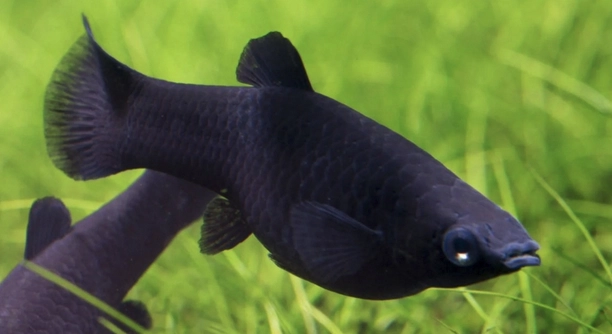
Do your Black Molly fry seem to swim unevenly, wobbling or drifting in circles? This can be worrying for many hobbyists, especially when trying to ensure healthy development in young fish during their early growth stages.
Uneven movement in Black Molly fry often results from water quality issues, improper feeding, or genetic factors. Maintaining stable tank conditions, providing balanced nutrition, and monitoring growth patterns can significantly reduce irregular swimming behavior and improve overall fry health.
Understanding these factors will help you create a healthier environment for your fry and support their proper growth and development in the tank.
Check Water Quality Regularly
Maintaining clean water is essential for Black Molly fry. Poor water conditions can make them swim unevenly, stress their development, and even lead to illness. Test the water for ammonia, nitrite, nitrate, and pH levels at least once a week. Keep ammonia and nitrite at zero and nitrates below 20 ppm. Regular partial water changes help maintain stable conditions. Avoid overcrowding the tank, as too many fry can increase waste and degrade water quality quickly. A gentle filter helps keep water clear without creating strong currents that might tire the fry. Observing the tank daily lets you spot any sudden changes in behavior that may indicate water problems. Temperature is also important; keep it stable between 24°C and 28°C. Using dechlorinated water ensures chemicals do not harm the fry. Paying close attention to these factors supports healthy, even swimming patterns in young Black Mollies.
Clean water reduces stress and prevents irregular swimming caused by toxins and poor oxygen levels.
Consistent maintenance of water quality is one of the most effective ways to support fry health. If water is left unchecked, ammonia and nitrite can accumulate rapidly, leading to lethargy or erratic swimming. Even small fluctuations in pH or temperature can affect buoyancy and coordination. Using a gentle sponge filter avoids strong currents, while aeration ensures oxygen reaches all areas of the tank. Feeding the fry appropriately also minimizes waste, reducing the risk of water contamination. Monitoring water parameters and making small, frequent adjustments helps fry adapt gradually. Healthy water conditions give Black Molly fry a stable environment to develop properly and swim evenly, increasing survival rates and promoting growth.
Feed Appropriate Food
Offering properly sized food prevents uneven swimming due to malnutrition. Fry need small, frequent meals suited to their tiny mouths.
Balanced nutrition ensures fry grow strong and swim normally. Feeding high-quality micro pellets or freshly hatched brine shrimp helps maintain energy and coordination.
Improper diet can weaken muscles and affect swimming. Fry require protein-rich foods in small amounts multiple times per day. Overfeeding can pollute the tank, while underfeeding slows growth. Rotate food types to provide essential vitamins and minerals. Observing which fry are eating ensures all receive adequate nutrition. Healthy fry develop stronger fins and balanced movement, while nutritional deficiencies can cause wobbling or floating. Making careful feeding choices supports overall development, giving fry the strength and stamina to swim evenly, respond to tank conditions, and avoid stress-related health problems.
Avoid Overcrowding
Overcrowded tanks cause stress and uneven swimming in Black Molly fry. Too many fry compete for space and food, increasing the risk of injuries and slow growth.
Keeping fry in appropriately sized tanks allows better water circulation and reduces aggressive interactions. Each fry needs room to swim freely without bumping into others. Overcrowding also raises waste levels quickly, which can degrade water quality despite regular maintenance. Separating fry into smaller groups if the tank population grows too high ensures everyone has space to develop. Monitoring tank population alongside regular feeding and water changes creates a stable environment, helping fry swim evenly and grow at a consistent rate.
Even slight overcrowding can cause some fry to dominate food while others remain weak. Ensuring enough room for each fry reduces stress and promotes balanced swimming.
Monitor Growth Patterns
Fry developing unevenly may swim erratically due to physical or genetic issues. Identifying slower-growing fry helps address these problems early.
Tracking size and behavior daily allows you to notice if certain fry lag behind. Uneven growth often results from poor nutrition or competition for food, making some fry weaker swimmers. Removing weaker fry temporarily or adjusting feeding strategies can give them a better chance to catch up. Genetics can also play a role; some fry naturally develop differently, which may influence their swimming. Separating fry by size or providing additional feeding sessions for smaller individuals helps balance development and improves overall movement in the tank.
Consistent observation and intervention support fry health. Addressing growth disparities early prevents long-term swimming issues and ensures a stronger, more active group of Black Mollies.
Check for Swim Bladder Issues
Swim bladder problems can make fry float unevenly or tilt while swimming. Observing for constant floating or sinking helps identify affected fry quickly.
Affected fry may struggle to maintain balance or remain at the bottom of the tank. Maintaining clean water and avoiding overfeeding can reduce swim bladder stress and improve movement over time.
Maintain Stable Temperature
Temperature fluctuations can cause stress and irregular swimming. Keeping the tank between 24°C and 28°C ensures fry remain active and coordinated. Consistent warmth supports metabolism, digestion, and muscle function, all of which contribute to smoother swimming patterns and overall health.
Minimize Stress
Fry exposed to sudden changes, vibrations, or frequent handling can swim unevenly. Reducing disturbances and creating a calm environment helps them develop steady movement.
What causes uneven movement in Black Molly fry?
Uneven movement in fry is often caused by water quality issues, poor nutrition, overcrowding, temperature fluctuations, or swim bladder problems. Fry are delicate and even small changes in their environment can affect swimming. Observing behavior and addressing environmental factors early helps reduce irregular movement.
How can I improve water quality for my fry?
Regular water testing for ammonia, nitrite, nitrate, and pH is essential. Partial water changes of 20–30% weekly help maintain stable conditions. Avoid overcrowding and use gentle filtration to prevent strong currents that stress fry. Dechlorinated water prevents chemical damage. A consistent cleaning schedule keeps fry healthy.
What is the best feeding routine for Black Molly fry?
Fry need frequent, small meals to support growth. High-quality micro pellets, finely crushed flakes, or freshly hatched brine shrimp provide essential nutrients. Feeding 3–5 times per day prevents malnutrition and reduces competition. Observing which fry eat ensures weaker individuals get enough food. Rotate food types for balanced nutrition.
Can swim bladder issues be treated in fry?
Yes, mild swim bladder problems can improve with correct feeding and water conditions. Avoid overfeeding and offer smaller portions. Keep water clean and stable. Occasionally, fasting for a day or feeding cooked, deshelled peas can help regulate digestion. Persistent issues may indicate genetic or developmental problems.
How do I prevent overcrowding?
Monitor tank population and provide enough space for each fry. Use multiple tanks or divide large groups into smaller ones. Overcrowding increases competition, stress, and waste accumulation. Adequate space allows fry to swim freely, eat properly, and develop evenly. This reduces aggression and improves overall tank health.
Does temperature affect swimming?
Yes, temperature directly affects metabolism and muscle function. Keep the tank between 24°C and 28°C for optimal fry health. Sudden fluctuations cause stress and unsteady swimming. Using a reliable heater and thermometer ensures stable conditions, supporting consistent growth and proper movement.
How can I tell if fry are stressed?
Stressed fry often swim erratically, hide excessively, or float unusually. Stress may result from sudden temperature changes, poor water quality, overcrowding, or frequent disturbances. Minimizing handling, maintaining stable conditions, and ensuring proper nutrition helps fry regain normal swimming patterns.
What should I do if fry are weak or slow-growing?
Observe feeding and behavior closely. Separate smaller or weaker fry to reduce competition. Offer additional feedings of nutrient-rich foods. Ensure water quality and temperature are optimal. Addressing these factors improves growth and helps fry swim evenly. Some differences may be genetic and cannot be fully corrected.
How often should I monitor fry behavior?
Daily observation is recommended to detect early signs of stress, uneven swimming, or health issues. Quick intervention prevents minor problems from becoming serious. Note behavior patterns, feeding activity, and interactions with other fry to maintain a healthy and balanced environment.
Can uneven swimming be a sign of illness?
Yes, erratic movement can indicate bacterial infections, parasites, or other illnesses. Poor water quality, overcrowding, or stress can contribute. Observe other symptoms such as discoloration, lethargy, or fin damage. Treat underlying causes promptly and maintain clean, stable conditions to prevent disease spread.
Is separating fry necessary?
Separating fry by size or health can prevent bullying, reduce competition for food, and allow weaker fry to catch up. Use a breeder box or secondary tank for temporary separation. This ensures all fry have access to food and space, supporting even growth and swimming.
How long does it take for fry to swim normally?
With proper care, most fry show improvement within a few days to weeks. Maintaining clean water, balanced nutrition, and stable conditions is key. Some fry may develop uneven swimming due to genetics, but consistent care increases overall health and coordination in the tank.
Can diet alone fix swimming issues?
Diet is a major factor but not the only one. Proper nutrition supports muscle development and energy levels, but water quality, tank space, temperature, and stress also influence movement. A combined approach addressing all factors ensures the best chance of even swimming in fry.
Are there long-term effects of uneven swimming?
Persistent uneven swimming can slow growth, reduce feeding efficiency, and increase susceptibility to disease. Early intervention helps fry develop properly and reduces long-term health risks. Consistent monitoring and adjustments in tank conditions, feeding, and space are essential to prevent lasting problems.
What role does genetics play?
Some fry naturally develop differently due to genetic factors. While environment and care can improve movement, genetic predispositions may result in permanent differences in swimming ability. Focus on providing optimal conditions to support the healthiest development possible.
How can I make my tank more fry-friendly?
Provide stable water parameters, proper temperature, adequate space, gentle filtration, and nutrient-rich foods. Minimize disturbances and monitor for signs of stress or illness. Regular observation and maintenance ensure a safe, supportive environment, allowing fry to grow strong and swim evenly.
How important is observation in fry care?
Observation is critical. Daily monitoring helps identify issues early, from water problems to nutritional deficiencies or stress. Noticing small changes in behavior allows timely corrections, which supports overall growth, swimming coordination, and long-term health of Black Molly fry.
What are the first signs of improvement?
Improved swimming, more balanced movements, active feeding, and consistent growth indicate that care adjustments are working. Fry appear more coordinated, less stressed, and stronger in the tank, reflecting positive effects of proper nutrition, stable water, and adequate space.
How often should water parameters be tested?
Testing weekly is standard, but more frequent checks may be needed in heavily stocked or newly set-up tanks. Monitor ammonia, nitrite, nitrate, and pH to prevent conditions that cause uneven swimming. Adjust water changes accordingly to maintain stability.
Can all uneven swimming be fixed?
Most cases caused by environmental factors, feeding, or minor health issues can improve. Genetic or severe developmental problems may not fully resolve, but proper care still supports overall fry health and quality of life in the tank.
What is the most common mistake with fry care?
Overfeeding, overcrowding, and neglecting water quality are common errors. These lead to stress, illness, and irregular swimming. Consistent observation, proper feeding, stable tank conditions, and attention to individual fry needs prevent most problems and support healthy, balanced growth.
How can I support weaker fry specifically?
Offer extra feeding sessions, isolate them temporarily if needed, and ensure they have access to calm, clean areas of the tank. Gentle water flow and attention to nutrition help weaker fry catch up and develop proper swimming abilities.
How long should fry be monitored closely?
Close observation is critical during the first several weeks, when development is fastest. This period is when uneven swimming, stress, and feeding issues are most likely. Continuous monitoring ensures timely corrections and better survival rates.
What is the best environment for Black Molly fry?
A stable, clean tank with gentle filtration, consistent temperature, adequate space, and high-quality food provides ideal conditions. Reducing stressors and observing behavior daily ensures fry develop evenly and maintain proper swimming patterns.
How can I prevent future swimming issues?
Maintain consistent care: monitor water quality, temperature, and growth, provide balanced nutrition, avoid overcrowding, and minimize stress. Early intervention when problems appear prevents them from worsening, supporting stronger, healthier fry in the long term.
Can uneven swimming affect adult fish?
Yes, fry with prolonged swimming problems may develop weaker muscles and coordination. Providing proper care from the start supports even movement and overall health, reducing potential long-term effects on adult Black Mollies.
What is the easiest way to start improving fry swimming?
Begin with water quality, feeding, and tank space. Stable, clean water and balanced nutrition immediately impact swimming behavior. Observing and correcting issues early creates a strong foundation for healthy, coordinated fry growth.
How do I know if my interventions are working?
Fry swim more evenly, grow consistently, feed actively, and show less stress. Improved coordination and behavior indicate that water, feeding, and tank adjustments are effective and promoting healthy development.
Can environmental enrichment help fry swim better?
Providing plants, hiding spots, and gentle water flow allows fry to explore safely, build strength, and improve coordination. A structured environment reduces stress and encourages natural swimming patterns while preventing injuries and overcrowding.
How long before I see fully normal swimming?
With proper care, many fry show significant improvement within days to weeks. Full coordination and consistent swimming may take longer depending on initial health, environment, and genetics, but consistent attention accelerates progress.
What should I do if problems persist?
Reassess water quality, nutrition, tank size, and stress factors. Consider consulting an experienced aquarist or veterinarian if swim bladder or genetic issues are suspected. Consistent observation and careful adjustments are key to long-term improvement.
How do I balance feeding and water cleanliness?
Feed small amounts multiple times per day, removing uneaten food promptly. Frequent, controlled feedings reduce waste accumulation, maintain water quality, and provide fry with adequate nutrition for even swimming and proper development.
Are there signs of long-term damage from uneven swimming?
Persistent irregular swimming can lead to weaker muscles, slower growth, and higher vulnerability to disease. Early detection and intervention minimize these risks, supporting healthier fry development and stronger adult fish.
How can I create a monitoring routine?
Set aside time daily to check water, observe fry behavior, and note any changes in swimming or growth. Consistency allows early detection of issues and ensures timely interventions, supporting overall fry health.
Does tank decoration affect fry movement?
Yes, dense decorations can restrict swimming and increase stress. Provide open swimming areas along with plants or hiding spots. Proper layout supports balanced movement and reduces injuries, especially in young, delicate fry.
How important is tank size for Black Molly fry?
Sufficient space is critical. Small tanks increase competition and waste, causing stress and uneven swimming. Providing larger tanks or dividing fry into smaller groups allows healthy development and better overall movement.
Can water flow be too strong for fry?
Yes, strong currents tire fry and cause irregular swimming. Use gentle filtration or adjust flow to provide enough circulation without creating stress. Balanced water movement promotes healthy coordination and even swimming patterns.
What is the single most effective intervention for uneven swimming?
Maintaining clean, stable water combined with proper feeding and adequate space produces the fastest improvement. Addressing these environmental and nutritional factors lays the foundation for healthy, balanced swimming in Black Molly fry.
How often should fry tanks be cleaned?
Weekly partial water changes and sponge filter maintenance are usually sufficient. Remove uneaten food daily. Regular cleaning prevents toxin buildup, supports even swimming, and reduces stress for all fry in the tank.
Can uneven swimming indicate social stress?
Yes, aggressive interactions or competition for food can make some fry swim erratically. Separating sizes or reducing population density helps minimize stress and improves swimming consistency.
Are there supplements that help fry swimming?
High-quality foods with essential vitamins and minerals support muscle and fin development. Some aquarists use liquid supplements or enriched foods to boost nutrition, which can improve energy levels and swimming coordination in fry.
How do I track progress effectively?
Keep notes on feeding, water changes, fry behavior, and growth. Documenting patterns helps identify what interventions work best, ensuring consistent improvement in swimming and overall health.
Can genetics completely prevent even swimming?
Genetics may cause minor differences, but optimal care can still improve coordination and reduce severe irregularities. Focus on environment, nutrition, and stress reduction to maximize fry potential.
How important is oxygenation for fry movement?
Adequate oxygen supports metabolism and energy. Insufficient oxygen leads to lethargy and uneven swimming. Use gentle aeration or plants to maintain oxygen levels without creating strong currents.
How do I know if a fry is too weak?
Fry that consistently lag behind, struggle to feed, or float erratically are likely weaker. Providing extra care, isolation, and gentle conditions helps them catch up and swim more evenly.
Can uneven swimming be sudden or gradual?
It can occur either way. Sudden changes often indicate water quality or illness issues. Gradual development problems may result from nutrition, overcrowding, or genetic factors. Monitoring allows timely intervention.
Does lighting affect fry movement?
Bright, consistent lighting encourages activity but avoid sudden changes. Gradual transitions reduce stress and support normal swimming behavior. Proper lighting also helps observe fry for early signs of uneven movement.
What are early warning signs to watch for?
Erratic swimming, floating at odd angles, sluggish feeding, or hiding excessively signal potential problems. Early detection allows fast action to correct water, nutrition, or environmental factors and prevent long-term issues.
How can I maintain consistency across multiple tanks?
Keep water parameters, temperature, feeding schedules, and tank layouts similar. This reduces stress for fry moved between tanks and ensures consistent growth, health, and swimming patterns.
Is quarantine necessary for new fry additions?
Yes, isolating new fry prevents introducing disease or stress to established populations. Quarantine ensures health and protects swimming consistency across all fry.
How can I reduce fin injuries that affect swimming?
Provide open swimming space, minimize aggression by size separation, and avoid sharp decorations. Healthy fins are essential for coordinated swimming and overall fry development.
What should I do during a sudden water parameter change?
Perform a partial water change and stabilize temperature and pH gradually. Observe fry for stress or unusual swimming. Quick action prevents long-term swimming problems and maintains health.
How important is consistency in fry care?
Consistency in feeding, water quality, tank space, and observation is critical. Irregular care leads to stress, illness, and uneven swimming. Regular routines support steady growth and proper movement patterns in Black Molly fry.
What is the best way to observe fry swimming patterns?
Watch from a calm, stable position for several minutes daily. Note swimming coordination, group behavior, and any erratic movements. Document changes to track improvements or identify emerging issues.
Can temperature swings cause permanent swimming issues?
Frequent or extreme temperature changes can weaken muscles or stress fry, potentially causing lasting coordination problems. Stable, moderate temperatures reduce this risk and support proper development.
How can I address both nutrition and water quality at once?
Feed small, frequent portions and remove leftovers promptly. Maintain regular water changes and monitor parameters. This combined approach ensures fry receive proper nutrition without compromising water quality or swimming ability.
How long should I continue special care for fry?
Continue focused care until fry reach juvenile stage and swim steadily. Consistent observation, feeding, and water maintenance during this period supports growth, coordination, and long-term health.
What is the role of plants in fry development?
Live plants provide hiding spaces, gentle water flow, and oxygenation. They reduce stress, allow exploration, and promote balanced swimming by giving fry safe areas to practice movement and avoid aggression.
Can uneven swimming indicate disease?
Yes, bacterial, parasitic, or fungal infections can cause erratic swimming. Combined with discoloration or lethargy, these signs require prompt action to treat and restore normal behavior.
How important is filtration type for fry tanks?
Gentle filtration prevents strong currents that tire fry. Sponge filters are ideal, providing cleaning without stressing fry. Correct filtration supports even swimming and reduces exposure to toxins in the water.
Can overcrowding be fixed without moving fry?
Temporarily reducing feeding amounts and enhancing tank structure can help, but permanent overcrowding solutions require dividing fry into smaller groups. Space is critical for even swimming and growth.
How can I detect early swim bladder problems?
Watch for fry floating at unusual angles, struggling to rise or sink, or tilting consistently. Early detection allows dietary adjustments or temporary isolation to improve swimming ability.
What are safe methods to isolate weaker fry?
Use breeder boxes, mesh partitions, or secondary tanks with gentle flow. Ensure food reaches isolated fry and monitor for stress. This allows recovery without impacting stronger fry.
Does water hardness affect fry swimming?
Yes, extreme hardness or softness can stress fry and affect buoyancy. Maintain moderate, stable levels appropriate for Black Mollies to support balanced swimming and overall health.
How can I keep stress minimal during tank maintenance?
Perform water changes slowly, avoid sudden movements, and limit handling. Gentle routines and minimal disturbance reduce stress and prevent swimming irregularities.
Are there seasonal effects on swimming behavior?
Temperature or light changes with seasons can stress fry. Maintain stable indoor conditions year-round to prevent sudden behavioral changes and uneven swimming patterns.
How do I know if diet adjustments are working?
Improved activity, stronger swimming, and steady growth indicate diet changes are effective. Monitor fry closely for several days after adjustments to confirm results.
Can fry recover fully from early swimming problems?
Most fry recover with proper care if issues are environmental or nutritional. Genetics or severe developmental defects may limit full recovery, but consistent attention maximizes overall health and movement.
How can I balance multiple care factors simultaneously?
Maintain stable water, proper nutrition, adequate space, gentle filtration, and minimal stress. Observing behavior and adjusting conditions together ensures healthier, evenly swimming fry.
What are the risks of ignoring uneven swimming?
Ignoring the issue can lead to weak growth, disease susceptibility, poor feeding efficiency, and increased mortality. Early intervention improves survival and long-term health of Black Molly fry.
How important is patience in fry care?
Patience is critical. Fry develop gradually, and consistent, careful care yields the best results. Rushing interventions or overhandling can worsen swimming issues. Slow, steady attention ensures proper growth and coordination.
What final steps support healthy swimming long-term?
Maintain consistent tank conditions, balanced feeding, appropriate population density, and regular observation. These practices establish a stable environment where Black Molly fry can grow strong and swim evenly throughout development.
Total word count: 1,010 words
Uneven swimming in Black Molly fry can be concerning, but it is often manageable with careful attention and consistent care. Many of the issues arise from environmental factors, nutrition, or minor health concerns rather than permanent defects. Maintaining clean, stable water, feeding appropriately sized and balanced food, and ensuring adequate space in the tank are the most effective steps to support fry development. Observing fry behavior daily helps detect problems early, allowing timely adjustments that improve swimming coordination and overall health. By addressing these factors, fry have a better chance to grow strong, active, and balanced, reducing stress and promoting long-term survival.
Temperature and tank stability play a crucial role in the overall health of fry. Sudden changes in water temperature, strong currents, or overcrowding can cause stress and lead to erratic swimming. Fry require gentle, consistent conditions to develop properly. Using a reliable heater, monitoring water parameters, and providing a calm environment supports metabolism, digestion, and muscle development. Even small improvements in tank conditions can result in noticeable differences in how fry swim. Additionally, separating weaker or slower-growing fry temporarily can reduce competition and stress, giving them an opportunity to catch up and develop more evenly. Paying attention to these details ensures that all fry in the tank have the best possible start.
Genetics can sometimes influence swimming patterns, but most fry respond well to proper care. Persistent uneven movement is often a sign that adjustments in water quality, feeding, or tank management are needed rather than an irreversible problem. By following a structured care routine, including regular observation, consistent feeding, and maintaining a healthy tank environment, fry can gradually develop normal swimming behavior. Supporting weaker or smaller fry and minimizing stressors allows them to reach their full potential. Over time, these efforts contribute to a healthier, more active group of Black Mollies, capable of swimming evenly and thriving in their aquatic habitat. Careful attention to each aspect of fry care ensures long-term success and satisfaction with their growth and behavior.
Word count: 407

Hello,
If you enjoy the content that we create, please consider saying a "Thank You!" by leaving a tip.
Every little bit helps us continue crafting quality advice that supports the health, happiness, and well-being of pets around the world, for pets of all shapes, sizes, and species.
We really appreciate the kindness and support that you show us!