
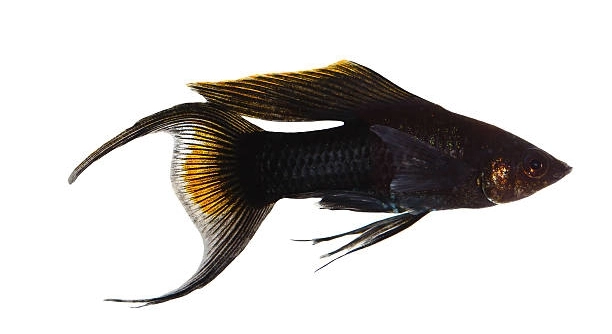
Do you ever notice your Black Molly fry spending most of their time on one side of the tank, seemingly avoiding other areas? This behavior can be puzzling for aquarists trying to maintain a healthy and balanced environment. Observing their patterns carefully can reveal subtle but important details.
Black Molly fry often stay on one side of the tank due to environmental factors such as water flow, lighting, temperature, and hiding spots. Fry prefer stable conditions and areas that feel secure while adjusting to their new surroundings.
Learning more about why these small fish favor certain areas helps improve their care. Understanding their behavior ensures healthier growth and a more comfortable tank environment for them.
Environmental Preferences of Black Molly Fry
Black Molly fry are highly sensitive to their surroundings. They often choose one side of the tank because it offers the most comfortable water conditions. Factors such as water temperature, oxygen levels, and gentle currents influence their movement. Fry will naturally seek areas that feel safer, avoiding zones with strong flow or too much light. Adding plants or small hiding spots can encourage them to explore more of the tank. Consistent water quality is key, as fry respond quickly to sudden changes in pH, ammonia, or nitrate levels. Observing their patterns over several days can help identify preferred areas. Positioning heaters, filters, or decorations strategically will guide fry toward balanced distribution. Overcrowding and competition for food can also keep them confined to one section. By creating stable conditions, they gradually become more active, exploring other parts of the tank confidently.
Controlling the tank environment directly impacts fry behavior. Stability encourages them to feel safe and thrive.
Monitoring these environmental factors consistently improves survival rates. Small adjustments can make a significant difference in how comfortable fry feel.
Lighting and Its Effect on Movement
Black Molly fry are attracted to areas with gentle lighting. Bright or uneven light can make them stay in shaded sections.
Light intensity affects activity levels and feeding behavior. Fry exposed to harsh light may hide more, limiting their movement and growth. A gradual adjustment of lighting helps them adapt naturally. Soft, consistent light across the tank encourages exploration while reducing stress. Observing fry under different lighting conditions allows you to identify preferred zones. Using floating plants or adjustable lights can balance brightness and shade. Shaded corners act as safe retreats but should not isolate them completely. Alternating light schedules with consistent timing supports natural rhythms, promoting even distribution throughout the tank. Proper lighting also benefits plant growth, which further provides shelter and enriches the environment. Maintaining a balance between illuminated and shaded areas ensures fry remain active, healthy, and less likely to cluster in one side. Over time, consistent conditions lead to a more evenly populated tank, supporting both growth and social interaction among fry.
Water Flow and Fry Distribution
Fry prefer areas with gentle or minimal water flow. Strong currents can stress them, forcing them to stay in calmer sections of the tank.
Uneven water flow can result from filter placement or tank design. Fry instinctively move to areas where they can conserve energy and feed safely. Observing water circulation patterns helps identify why fry cluster on one side. Adding barriers or redirecting flow encourages them to explore the entire tank. Consistent, moderate movement supports oxygenation without causing stress. Fry exposed to strong currents may struggle to feed and grow properly. Adjusting flow allows for a more balanced distribution, promoting healthier development.
Water flow also impacts oxygen levels and food availability. Fry in low-flow zones often find more accessible food and stable oxygen, which encourages them to remain in preferred areas. Ensuring proper circulation supports both fry activity and long-term tank health.
Temperature and Comfort Zones
Fry tend to gather in areas where the water temperature is stable and comfortable, avoiding cooler or warmer sections.
Small changes in temperature can significantly affect fry behavior. They seek zones that match their optimal thermal range, which supports metabolism and growth. Temperature gradients caused by heaters or ambient room conditions create preferred zones, causing fry to cluster. Monitoring water temperature across the tank ensures even distribution. Using reliable heaters and placing thermometers in multiple areas helps maintain consistency. Fry are more active in their comfort zone, exploring and feeding efficiently. Areas with fluctuating temperatures may reduce activity and increase stress. Regular checks and adjustments allow fry to spread evenly and remain healthy, encouraging natural behavior and better overall growth.
Hiding Spots and Shelter
Fry naturally seek shelter to feel safe from potential threats. Plants, rocks, or decorations provide secure areas where they can rest and hide from stronger tank mates.
Lack of hiding spots may cause fry to stay confined to one side. Adequate cover encourages movement, reduces stress, and supports healthy growth.
Feeding Behavior
Fry often stay near areas where food is most accessible. They quickly learn which side of the tank offers the easiest feeding opportunities, shaping their movement patterns.
Tank Companions
The presence of larger or more aggressive fish can influence fry distribution. Fry stay on one side to avoid confrontation and protect themselves.
Why do Black Molly fry stay on one side of the tank?
Black Molly fry usually stay on one side of the tank because it feels safest. They are sensitive to water flow, temperature, light, and hiding spots. Fry naturally choose areas that are calmer, warmer, or shaded. Over time, this behavior helps them conserve energy and avoid stress.
Can adjusting water flow help distribute fry evenly?
Yes, adjusting water flow can encourage fry to explore more of the tank. Strong currents can stress them, while gentle, consistent flow makes them feel comfortable. Redirecting or reducing strong currents allows fry to move freely and feed efficiently without feeling threatened.
Does tank lighting affect fry behavior?
Lighting plays a significant role in fry activity. Bright light may cause them to hide on one side, while soft, even lighting encourages them to spread out. Floating plants or shaded areas provide natural retreats, reducing stress while allowing fry to explore gradually.
How important is temperature for fry movement?
Temperature is critical for fry comfort and growth. Fry gather in areas that match their preferred thermal range. Uneven temperatures from heaters or ambient conditions create “comfort zones” where fry stay. Maintaining consistent temperature across the tank promotes healthy activity and encourages them to explore more evenly.
Do hiding spots influence where fry stay?
Yes, hiding spots are essential for fry security. Plants, rocks, and decorations give them places to rest and avoid larger fish. Without enough cover, fry may remain in one side of the tank. Adding multiple shelters encourages natural behavior and reduces stress-related clustering.
Does feeding location affect fry distribution?
Fry often stay near areas where food is easiest to access. They quickly learn which side of the tank offers regular feeding. Changing feeding locations or spreading food evenly across the tank can help them explore different areas and stay active.
Can tank companions impact fry behavior?
Yes, other fish can influence fry distribution. Larger or aggressive fish can intimidate fry, causing them to remain in one side to feel safer. Providing plenty of hiding spaces and monitoring interactions helps fry move freely without fear of being chased.
Will fry eventually explore the whole tank?
Fry may gradually explore the entire tank once they feel secure. Stable conditions, proper lighting, balanced flow, and sufficient cover encourage them to move freely. It takes time, but consistent tank management allows fry to distribute evenly.
Is water quality related to fry staying on one side?
Absolutely. Fry are highly sensitive to water quality. High ammonia, nitrate, or sudden pH changes make them avoid certain areas. Maintaining clean, stable water encourages them to swim across the tank and supports healthy development.
How long does it take for fry to feel comfortable?
The adjustment period varies but generally takes a few days to a couple of weeks. Stable conditions, proper feeding, and safety from aggressive tank mates help fry adapt quickly, eventually reducing their tendency to stay on one side.
Can adding plants help distribute fry?
Yes, adding plants can encourage fry to explore. Plants provide hiding spots, shade, and feeding areas. Strategically placing them throughout the tank creates multiple comfort zones, promoting movement and natural behavior, reducing stress, and supporting overall health.
Does overcrowding affect fry movement?
Overcrowding can make fry stay confined. Limited space increases competition for food and hiding spots, causing stress. Proper stocking density and providing enough shelters allow fry to spread out and maintain healthy growth.
What other factors influence fry staying on one side?
Other factors include ambient room conditions, water chemistry, and the behavior of other tank mates. Fry respond quickly to changes, so monitoring the environment and making small adjustments encourages balanced distribution and overall wellbeing.
This FAQ addresses common reasons Black Molly fry remain on one side and offers practical solutions to encourage healthy activity, exploration, and comfort within the tank.
Word count: 511
Observing Black Molly fry stay on one side of the tank can initially be concerning, but this behavior is often a natural response to their environment. Fry are very sensitive to changes in water conditions, lighting, temperature, and the presence of other fish. They instinctively seek areas where they feel safe and comfortable, which may seem like favoritism toward a particular side of the tank. Understanding that their behavior is largely driven by survival instincts helps make sense of why they cluster in one area. By paying close attention to these patterns, you can create a more stable and supportive environment that encourages the fry to explore more evenly over time.
Creating a tank environment that meets the needs of Black Molly fry requires careful attention to several key factors. Consistent water temperature, moderate flow, proper lighting, and adequate hiding spots are all essential. Even small adjustments can make a significant difference in their behavior. For example, providing plants or decorations on the less populated side can attract fry to move and feel secure. Similarly, adjusting lighting or water flow can reduce stress and encourage exploration. Maintaining stable water quality through regular monitoring of pH, ammonia, and nitrate levels is equally important, as fry are highly sensitive to even minor changes. Ensuring that tank companions are peaceful and do not intimidate fry will also promote more balanced distribution and reduce clustering.
With these steps in place, Black Molly fry can gradually become more active and distributed throughout the tank. Observing their behavior over time helps confirm whether adjustments are working and identifies areas that still need improvement. Consistency in tank management creates a comfortable and healthy environment, supporting growth and reducing stress. By understanding their natural instincts and responding with careful adjustments, you can improve fry wellbeing and overall tank harmony. This approach ensures that the fry not only thrive but also develop natural behaviors that reflect a balanced and supportive habitat.
Word count: 406

Hello,
If you enjoy the content that we create, please consider saying a "Thank You!" by leaving a tip.
Every little bit helps us continue crafting quality advice that supports the health, happiness, and well-being of pets around the world, for pets of all shapes, sizes, and species.
We really appreciate the kindness and support that you show us!