
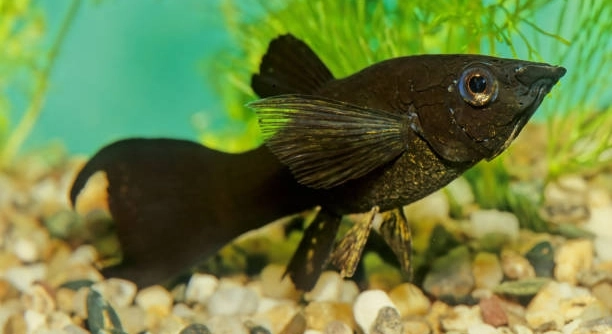
Black Mollies are lively fish that show strong reactions during water changes. Their behavior can be surprising to new and experienced fish keepers alike. Observing their responses can help owners understand their comfort and stress levels.
During water changes, Black Mollies may react to sudden temperature shifts, altered water chemistry, and strong currents. These changes can trigger stress, causing rapid swimming, hiding, or unusual fin movements, which indicate their sensitivity to environmental adjustments in their aquarium.
Recognizing these reactions is key to creating a calm, stable habitat for your Black Molly. Proper management ensures their health and reduces stress in daily care routines.
Sudden Temperature Changes
Even a small shift in water temperature can startle Black Mollies. They thrive in stable conditions, usually between 72 and 78°F. When the water added during a change is too cold or too warm, they may dart around the tank or hide behind decorations. I’ve noticed mine flare their fins and swim rapidly until they adjust. It’s important to always match the new water temperature closely to the tank’s existing temperature. Gradual adjustments help prevent shock and maintain their overall health. Monitoring the thermometer during water changes reduces sudden stress and ensures a smooth transition. Black Mollies are particularly sensitive compared to other livebearers, so even minor differences can trigger a visible reaction. Patience and careful handling during these moments make a noticeable difference. Over time, I’ve seen calmer behavior when the temperature is consistently monitored before every water change. This small effort keeps them relaxed and active without unnecessary panic.
Temperature stability is essential to avoid stress-induced illnesses. Black Mollies need steady conditions to thrive.
Keeping water temperature consistent ensures your Black Molly adapts well, maintains energy, and avoids potential stress complications. Properly acclimated fish show calmer, predictable behavior.
Water Chemistry Shifts
Black Mollies are sensitive to sudden changes in pH, hardness, or other chemical levels. Even minor differences between new and existing water can alarm them.
When tap water is added without proper treatment, chloramines, heavy metals, or fluctuating pH levels can affect your Black Molly’s health. I’ve noticed mine often pause and hover near decorations or the bottom after a water change if the chemistry feels off. Adding dechlorinator, testing water, and adjusting pH or hardness gradually helps reduce this stress. Over the years, I’ve learned that taking the time to match water parameters prevents unusual swimming patterns, loss of appetite, or hiding. Black Mollies show discomfort quickly, so observing these cues is critical. Regular testing kits make it easier to monitor changes, and adjusting in small steps keeps the environment stable. Avoid pouring large amounts of untreated water at once. Slowly introducing new water allows them to acclimate comfortably, maintaining normal behavior and energy levels. This method also helps prevent long-term health issues caused by repeated chemical shocks.
Strong Currents
Black Mollies often react immediately to strong water currents during a change. They may struggle to swim steadily or cling to plants and decorations to avoid being swept around.
When I first added new water too quickly, my Black Mollies flared their fins and swam frantically against the flow. Gradually introducing water and using a gentle pour reduces turbulence. Strong currents can tire them out and stress their systems, making them more prone to hiding or abnormal swimming afterward. I found that spreading the water over a rock or using a diffuser helps minimize force. Over time, this method keeps them calm and prevents panic, allowing them to explore the tank naturally once the water settles. Observing their behavior during this process provides insight into how sensitive they are to sudden movements in their environment.
Even with careful water changes, currents from filters or hoses can continue to affect their comfort. Adjusting flow direction and strength is important for long-term tank stability.
Sudden Noise
Black Mollies are easily startled by loud noises near the tank. Clanging equipment or tapping glass often causes them to hide or dart.
I’ve seen my Mollies freeze or swim quickly to the far side of the tank when someone dropped something nearby. Their sensitivity to sound can trigger stress responses similar to chemical or temperature changes. Minimizing noise and sudden movements around the aquarium during water changes helps them stay relaxed. Even small bangs from equipment can make them skittish, so I often schedule water changes when the surrounding environment is calm. Creating a quiet area around the tank allows them to adjust smoothly. Over time, they recognize the routine and react less intensely. Consistency in handling and minimizing external disturbances keeps them active and comfortable. Observing their response to sound is a reliable way to gauge stress levels, helping maintain a stable and peaceful environment.
Fluctuating Light
Black Mollies are sensitive to sudden changes in light during water changes. Turning on bright lights abruptly can cause them to scatter or hide behind plants.
Gradually adjusting the lighting or keeping the room dim during water changes helps them remain calm and reduces stress.
Adding New Decorations
Introducing new decorations during water changes can make Black Mollies uneasy. They may investigate cautiously or hide behind unfamiliar objects. Their behavior often reflects curiosity mixed with caution, and giving them time to explore prevents unnecessary stress in their environment.
Handling During Water Change
Rough handling or sudden movements can startle Black Mollies. Moving equipment or netting fish quickly increases stress levels and triggers erratic swimming.
Water Level Changes
Rapidly lowering or raising water levels can shock Black Mollies. Gradual adjustments ensure they stay comfortable and maintain normal behavior patterns.
FAQ
Why do Black Mollies panic during water changes?
Black Mollies are sensitive to sudden changes in their environment. Temperature shifts, water chemistry differences, strong currents, and bright lights can all trigger a stress response. When these changes happen too quickly, they may dart, hide, or flare their fins. Over time, gradual adjustments and careful handling reduce panic. I’ve noticed that using a gentle pour, pre-treating water, and matching temperature helps them stay calm during water changes. Observing their reactions gives insight into how small environmental changes affect their behavior.
How can I reduce stress during water changes?
Stress can be minimized by preparing water in advance, using a dechlorinator, and ensuring it matches the tank’s temperature and chemistry. Pour water slowly, preferably over a rock or decoration to diffuse flow. Reducing noise and dimming lights during changes also helps. I often leave the room quiet while performing water changes, which prevents sudden shocks. Regular routines and small, incremental water additions allow Black Mollies to adjust naturally. Calm handling and gradual introductions make them less skittish over time.
Is it okay to change water quickly?
Changing water too quickly can overwhelm Black Mollies. Rapid temperature or chemistry shifts can cause erratic swimming, hiding, or even minor injuries. Gradual changes are safer and keep fish comfortable. I always add new water slowly and in small amounts. This approach allows them to adapt and reduces stress, ensuring they remain active and healthy. Even experienced keepers benefit from slower water changes, as it prevents sudden reactions that could affect long-term behavior and wellbeing.
Why do my Mollies hide after water changes?
Hiding is a common reaction to sudden environmental changes. Temperature differences, currents, or new decorations can make them feel unsafe. I’ve noticed mine retreat to plants or corners until they adjust. Providing safe spots like dense plants or hiding places helps them feel secure. Over time, consistent water changes with gradual adjustments make hiding less frequent, and they resume normal swimming and feeding patterns.
Can strong filtration stress Black Mollies during changes?
Yes, strong currents from filters or water input can make them struggle to swim and increase stress. Directing flow away from their usual areas and diffusing water input reduces panic. I often place a sponge or diffuser over the water source during changes, which calms them and prevents exhaustion. Adjusting flow gradually and keeping them under observation ensures they remain relaxed and active.
What signs indicate stress after a water change?
Stress can show as rapid swimming, hiding, flared fins, clamped tails, or loss of appetite. I pay close attention to these behaviors after each water change. Recognizing these signs early allows me to correct water temperature, flow, or lighting issues before they affect health. Calm behavior and normal swimming indicate successful adjustments and proper acclimation.
Should I change all the water at once?
Full water changes are more stressful than partial ones. Black Mollies handle 20-30% water changes better, as this avoids large shifts in temperature or chemistry. I perform partial changes weekly or biweekly, ensuring water is pre-treated and temperature-matched. This keeps their environment stable and reduces sudden reactions. Consistent partial changes make the tank safer and maintain a healthier atmosphere for long-term comfort.
Do decorations affect their comfort during changes?
Yes, new or rearranged decorations can confuse or stress Black Mollies. I introduce new items slowly and let them explore at their own pace. Familiar hiding spots give them security during changes. Over time, they learn the new layout and behave normally. Immediate reactions usually fade after a few hours, especially when water conditions remain stable.
How important is water testing?
Regular testing of pH, hardness, and temperature is crucial. Even small deviations can affect Black Mollies, triggering stress or abnormal behavior. I test water before every change, adjusting parameters gradually. This ensures their environment stays consistent and healthy. Observing their reactions alongside testing results helps me fine-tune care routines.
Can stress affect long-term health?
Repeated stress can weaken immunity, reduce appetite, and make Black Mollies more prone to illness. Gradual, careful water changes, stable temperature, gentle currents, and consistent routines prevent long-term issues. I’ve found that fish handled calmly remain energetic, healthy, and show fewer signs of stress over months. Monitoring behavior and responding quickly to signs of discomfort is key to maintaining their wellbeing.
Black Mollies are sensitive fish that respond strongly to changes in their environment. During water changes, even small differences in temperature, water chemistry, or lighting can cause noticeable reactions. I have observed them darting across the tank, hiding behind plants, or flaring their fins when adjustments are too sudden. These behaviors are natural stress responses and do not indicate illness if they calm down after a short period. Understanding these reactions is essential for maintaining a stable and healthy aquarium. Gradual, careful water changes prevent shock and allow Black Mollies to remain active and comfortable in their habitat. Paying attention to temperature, pH, hardness, and gentle handling makes a significant difference in how they adapt to water changes. Over time, consistent routines build their confidence, and they become less reactive, demonstrating calmer behavior during each water change.
Water changes are not just about maintaining cleanliness; they are an opportunity to observe your fish and ensure their environment remains stable. Strong currents from filters, sudden noises, or new decorations can all cause momentary stress. I have noticed that placing decorations strategically and diffusing water flow helps my Black Mollies feel secure. Gradually introducing new elements or moving plants slowly allows them to explore without panic. Dimmed lights and minimizing external disturbances also reduce stress, allowing them to swim normally and maintain regular feeding habits. Consistency in care is key. Regularly monitoring water parameters with a testing kit ensures temperature, pH, and hardness remain within ideal ranges. Even minor deviations can trigger stress, so careful attention to these details ensures a calmer, healthier aquarium. Observing their behavior after each water change helps identify which factors cause reactions, allowing for small adjustments that improve their overall comfort.
The health and happiness of Black Mollies rely heavily on stable environmental conditions and gentle care. Rapid or poorly planned water changes can cause unnecessary stress, but simple precautions make a noticeable difference. Matching water temperature, using dechlorinators, minimizing strong currents, and creating secure hiding spots all contribute to reducing stress. Gradual introduction of new water and careful handling prevent panic and help the fish acclimate comfortably. I have found that maintaining a calm, controlled environment not only supports their physical health but also encourages natural behavior. Over time, consistent routines and attentive observation allow Black Mollies to thrive, exhibiting lively, confident swimming and regular feeding patterns. By focusing on stability, patience, and proper water management, it is possible to maintain a peaceful aquarium where Black Mollies feel safe and adapt easily to routine care.

Hello,
If you enjoy the content that we create, please consider saying a "Thank You!" by leaving a tip.
Every little bit helps us continue crafting quality advice that supports the health, happiness, and well-being of pets around the world, for pets of all shapes, sizes, and species.
We really appreciate the kindness and support that you show us!