
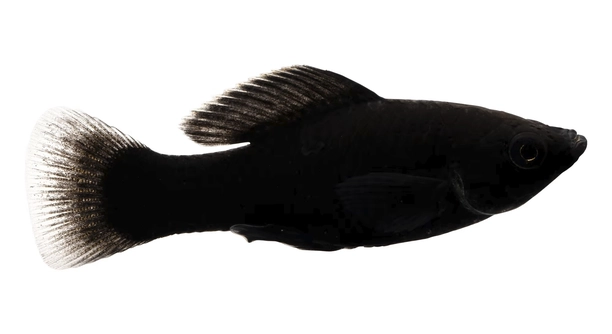
Many fish owners enjoy keeping Black Mollies for their lively colors and playful nature. These fish thrive best in stable, calm environments where stress is minimized. Observing their behavior can reveal if their setup suits their needs.
Black Mollies often show signs of stress when their environment is too chaotic or crowded. Indicators such as erratic swimming, hiding, or frequent gill movements suggest a calmer setup is necessary to maintain their health and well-being.
Recognizing these signals early allows owners to adjust tank conditions effectively. Proper care ensures your Black Mollies remain healthy, active, and comfortable in their aquatic home.
Rapid, Erratic Swimming
Rapid, erratic swimming is one of the most noticeable signs that your Black Molly is feeling stressed. When fish dart around the tank without clear direction or bump against the glass, it usually indicates discomfort or fear. This behavior can be caused by sudden changes in water temperature, overly bright lighting, or frequent disturbances near the tank. Black Mollies are naturally active, but consistent frantic movements are not normal. Observing your fish during these periods can help pinpoint triggers, whether it is another aggressive tank mate or changes in water chemistry. Reducing stressors by rearranging the tank, providing hiding spaces, and maintaining consistent water conditions can help your Mollies regain a calmer state. Additionally, monitoring their swimming patterns over time gives insight into their overall well-being, helping you prevent long-term health issues.
Erratic swimming often signals immediate stress, requiring prompt adjustments to water conditions, tank layout, and lighting to ensure Black Mollies feel secure.
Addressing erratic swimming involves both environmental and behavioral considerations. Start by checking water parameters such as pH, temperature, and ammonia levels. Small fluctuations can cause significant stress for Black Mollies. Next, examine tank companions and remove aggressive or overly active fish that may be intimidating. Introducing plants or decorations creates sheltered areas, giving fish a sense of safety. Adjusting light intensity and minimizing sudden movements near the tank can reduce fear responses. Finally, maintain a consistent feeding schedule to avoid additional stress. Observing fish after these changes often shows calmer swimming and improved overall health. By taking these steps, the tank becomes a more stable and comfortable home, allowing Black Mollies to exhibit natural, relaxed behaviors while thriving in their environment.
Hiding or Staying at the Bottom
Hiding frequently or staying at the bottom of the tank is another sign Black Mollies need a calmer environment.
Frequent hiding indicates the fish feels unsafe or stressed. Lack of open swimming space or sudden disturbances often trigger this behavior.
Black Mollies naturally explore their tank, so constant bottom-dwelling or hiding behind decorations signals stress. Overcrowding, incompatible tank mates, or sudden changes in water conditions can make them retreat. Observing which areas they favor helps identify stress sources. Providing gentle water flow, ample swimming space, and quiet surroundings encourages them to become more active. Consistent feeding and stable temperatures further support comfort. Hiding behavior may decrease over time as fish adapt to calmer, more secure conditions. By adjusting the tank layout and minimizing disruptions, Black Mollies regain confidence, allowing them to swim freely and interact naturally, showing improved vitality and reduced signs of stress.
Loss of Appetite
Loss of appetite is a clear indicator that your Black Molly is experiencing stress. Fish that usually eat eagerly may ignore food, swim away when offered, or nibble only minimally.
Stress, poor water quality, or overcrowding can cause Black Mollies to stop eating. Low appetite can lead to weight loss and weakened immune response, making fish more vulnerable to illness. Monitoring feeding habits helps detect problems early. Ensure water temperature and chemistry remain stable, and remove aggressive tank mates. Offering a variety of high-quality foods may stimulate appetite. Gradual adjustments to the environment can help Mollies regain interest in feeding.
A lack of feeding behavior often correlates with other stress signs, such as hiding or erratic swimming. Observing their interactions with tank mates and preferred areas in the tank helps determine potential stressors. Maintaining clean water, gentle currents, and consistent lighting encourages healthy eating patterns. Additionally, small frequent feedings rather than large portions prevent food waste and reduce stress. Over time, these changes help restore normal appetite and support overall health, ensuring the Black Mollies remain active and resilient.
Faded Color
Faded or dull coloration is often caused by stress or poor tank conditions. Mollies that lose vibrancy may feel insecure or unwell.
Stress, improper lighting, poor nutrition, or fluctuating water parameters can all reduce the intensity of a Black Molly’s color. Fish in calm, clean environments with proper diet regain their natural vibrancy.
Color loss may also signal disease, so regular observation is essential. Balanced nutrition with quality flakes or pellets and occasional live or frozen foods helps restore pigmentation. Ensuring proper tank temperature, pH, and minimal disturbances improves comfort and coloration. Overcrowding and aggressive tank mates can exacerbate fading, so careful tank management is necessary. Gradual environmental adjustments, including plant placement and lighting optimization, encourage Mollies to display full color, reflecting better health and reduced stress.
Gasping at the Surface
Gasping at the surface often indicates low oxygen levels or poor water quality. Black Mollies may repeatedly swim near the top, trying to get enough air.
This behavior can also result from high temperatures or overcrowding. Regular water testing and proper aeration help prevent oxygen shortages, keeping fish comfortable.
Clamped Fins
Clamped fins are a visible sign of stress in Black Mollies. Fins held close to the body suggest discomfort or illness.
Stress, poor water conditions, or aggressive tank mates can cause fins to remain tight. Observing overall behavior and maintaining clean, stable water encourages fins to spread naturally, indicating improved well-being.
Lethargy
Lethargy is a strong indicator that a Black Molly is not comfortable in its environment. Reduced swimming and prolonged resting signal stress or health issues. Regular monitoring of water parameters, tank setup, and diet is essential to restore normal activity.
Scratching Against Objects
Scratching against decorations or substrate often points to irritation or stress. Mollies rubbing themselves may be reacting to poor water conditions or external parasites.
FAQ
How can I tell if my Black Molly is stressed?
Stress in Black Mollies can be observed through changes in behavior and appearance. Common signs include erratic swimming, frequent hiding, loss of appetite, faded coloration, clamped fins, lethargy, and gasping at the surface. Noticing these behaviors early allows for prompt adjustments to tank conditions, preventing long-term health issues. Monitoring water quality, tank population, and interactions with other fish is essential. Consistent feeding habits and a stable environment can reduce stress. Watching your Mollies closely over time helps identify patterns linked to discomfort, ensuring they remain active and healthy in a calm, supportive setup.
What environmental changes can help reduce stress?
Black Mollies thrive in calm, well-maintained tanks. Providing plenty of hiding spaces, gentle water flow, and stable water parameters helps reduce stress. Avoid sudden temperature changes or overly bright lighting. Maintaining a clean tank with proper filtration ensures safe living conditions. Limiting aggressive or highly active tank mates also supports a calmer environment. Gradually introducing changes, rather than sudden adjustments, allows Mollies to adapt more comfortably. Planting live greenery and including decorations can give fish security and encourage natural swimming behaviors. These environmental improvements lead to more active, vibrant, and relaxed Black Mollies.
How often should I check water conditions?
Water conditions should be checked at least once a week. Testing pH, ammonia, nitrite, nitrate levels, and temperature helps maintain a healthy environment. Frequent checks allow you to detect and correct problems before stress affects your Mollies.
What diet supports a calmer Black Molly?
A balanced diet promotes both health and calm behavior. High-quality flakes or pellets, supplemented with live or frozen foods like brine shrimp or daphnia, provide essential nutrients. Avoid overfeeding, as leftover food can degrade water quality and increase stress. Feeding small, consistent portions encourages regular eating habits. Rotating foods introduces variety, supporting pigmentation, immune function, and energy levels. Adequate nutrition makes Black Mollies more resilient to environmental changes.
Can tank size affect stress levels?
Yes, overcrowding is a major source of stress. Black Mollies need sufficient space to swim freely and establish territories. A minimum of 20 gallons for a small group is recommended. Larger tanks reduce competition, aggression, and stress. Adequate space also helps maintain stable water conditions, making it easier to keep the tank clean and balanced.
Are certain tank mates better for Black Mollies?
Peaceful species with similar water requirements are ideal companions. Avoid aggressive or highly active fish that chase or harass Mollies. Compatible tank mates encourage natural social interactions without stress. Observe new fish closely and provide hiding spots to minimize conflict.
How long does it take for Mollies to adjust to calmer conditions?
Adjustment times vary depending on the severity of stress and environmental changes. Most Mollies show improvement within a few days to weeks when water quality, tank setup, and diet are stabilized. Patience is key, as sudden changes can reverse progress. Regular observation helps track recovery and ensure long-term well-being.
Can disease mimic stress behaviors?
Yes, illness can cause similar signs like lethargy, clamped fins, or faded color. It’s important to differentiate stress from disease by checking water quality, observing other fish, and monitoring appetite. Quarantining new fish and maintaining cleanliness reduces the risk of disease, helping Mollies stay healthy and comfortable.
What role does lighting play in stress levels?
Lighting affects activity and comfort. Too bright lighting can cause hiding or erratic swimming. Moderate, consistent light mimics natural conditions and encourages normal behavior. Using a timer ensures predictable light cycles, reducing stress and promoting healthy sleep-wake patterns.
Is frequent observation necessary?
Yes, observing Black Mollies regularly allows early detection of stress signs. Noting changes in behavior, swimming patterns, and color helps identify environmental or health issues promptly. Consistent monitoring ensures Mollies remain comfortable and supports a stable, low-stress aquarium environment.
How can I prevent future stress in my tank?
Maintaining consistent water parameters, providing adequate space, choosing compatible tank mates, and offering a balanced diet are key. Regular cleaning, careful acclimation of new fish, and gradual adjustments to changes help prevent stress. A proactive approach keeps Black Mollies healthy, active, and visually vibrant.
What should I do if stress persists despite changes?
Persistent stress may indicate underlying water quality issues, illness, or incompatible tank conditions. Conduct thorough water testing, inspect for disease, and review tank setup. Seeking advice from an experienced aquarist or veterinarian may be necessary. Long-term adjustments and patience are often required to restore comfort.
Can plants reduce stress?
Yes, live plants provide shelter, reduce territorial disputes, and create a more natural environment. Plants also improve water quality by absorbing nitrates and offer resting spots for timid fish. Including a mix of tall and low plants benefits all tank levels, supporting calmer behavior.
Do Mollies need a specific temperature range to stay calm?
Maintaining water between 75°F and 82°F supports metabolism, activity, and comfort. Sudden fluctuations cause stress and weaken immunity. Using a reliable heater and thermometer ensures stable conditions, helping Black Mollies remain healthy and relaxed.
How important is water filtration for stress management?
Effective filtration removes waste, reduces toxins, and maintains oxygen levels. Poor filtration leads to ammonia buildup, causing erratic swimming and hiding. A quality filter appropriate for tank size is essential to minimize stress and sustain long-term health.
Are there signs of stress only visible at night?
Yes, some Black Mollies may hide excessively or become unusually inactive during dim lighting or night hours. Observing the tank at different times helps identify patterns and ensures their environment remains comfortable at all times.
Can adding more hiding spots help aggressive tank mates?
Providing additional shelters can reduce aggression and stress. Hiding spots allow timid Mollies to retreat safely and reduce direct confrontations. Rocks, plants, and decorations placed strategically create secure areas, promoting calmer interactions and healthier tank dynamics.
How does tank maintenance affect stress?
Regular water changes, cleaning debris, and checking equipment stability prevent harmful buildup and fluctuations. Poor maintenance leads to toxins, unstable parameters, and discomfort. Keeping the tank clean and predictable supports a stress-free environment and overall fish well-being.
Should I separate stressed Mollies?
Separation is sometimes necessary if aggressive tank mates or illness exacerbate stress. Quarantine or temporary isolation in a calm, clean tank allows recovery. Gradual reintroduction with proper monitoring ensures lasting comfort and reduces repeated stress episodes.
Can stress affect breeding behavior?
Yes, stressed Black Mollies may stop eating, hide frequently, or avoid mating. Stable conditions, low stress, and proper nutrition are crucial for healthy reproductive behavior. Providing space, plants, and quiet surroundings supports natural breeding instincts.
Is there a link between diet and coloration stress?
A diet lacking nutrients can cause faded colors, mimicking stress. Balanced foods rich in carotenoids and vitamins enhance pigmentation and reduce visible signs of discomfort. Combining regular feeding with environmental stability supports both health and appearance.
How do I know if water flow is too strong?
If Black Mollies struggle to swim, hide excessively, or appear tired, water flow may be too strong. Adjusting filter output or using baffles creates gentle currents, allowing natural swimming behavior and reducing fatigue-induced stress.
Can temperature shocks cause sudden stress?
Yes, sudden drops or spikes in water temperature trigger erratic behavior, hiding, or gasping. Gradual acclimation and consistent monitoring prevent shocks, helping Mollies maintain calm and normal activity levels.
Are Black Mollies more sensitive to changes than other fish?
Black Mollies are moderately sensitive, responding quickly to water quality, overcrowding, and aggressive companions. Consistent conditions, proper care, and gentle adjustments reduce stress more effectively than in less sensitive species.
How long should water remain stable after changes?
Water should remain stable for at least several days after adjustments. Frequent fluctuations may prolong stress and disrupt feeding, swimming, and coloration. Monitoring parameters daily ensures a safe, calm environment for recovery.
Can stress shorten a Black Molly’s lifespan?
Chronic stress weakens immunity, increases susceptibility to disease, and reduces lifespan. Addressing environmental and dietary factors early supports long-term health, activity, and natural behavior. Prevention is more effective than trying to reverse prolonged stress effects.
What signs indicate successful stress reduction?
Improved swimming patterns, active exploration, restored appetite, vibrant coloration, and normal social behavior all indicate reduced stress. Regular observation confirms the effectiveness of environmental and care adjustments.
How does overcrowding affect stress differently from aggression?
Overcrowding limits swimming space, reduces oxygen, and increases competition, causing constant stress. Aggression adds fear and hiding behavior. Both factors require separate solutions, including reducing tank population, adding shelters, and monitoring social interactions to maintain calm.
Can seasonal changes affect stress levels?
Yes, seasonal temperature shifts, light variations, or water source changes can trigger stress. Gradual acclimation and consistent indoor tank conditions help minimize seasonal impact, keeping Mollies comfortable year-round.
Should I consider quarantine for new fish?
Quarantining new fish reduces disease risk and prevents stress in established Mollies. Isolation for at least two weeks allows monitoring for illness and adaptation before introducing them to the main tank. Proper acclimation prevents sudden stress events.
Is stress recovery faster with smaller groups?
Smaller groups allow better monitoring and reduced competition, speeding recovery. Individual care, targeted feeding, and stable conditions are easier to provide, promoting quicker adaptation to calmer setups.
How can I prevent recurring stress?
Consistent maintenance, balanced diet, proper tank mates, stable water parameters, adequate space, and thoughtful decor placement prevent recurring stress. Monitoring behavior and environment ensures long-term comfort and vitality for Black Mollies.
Do Mollies need time to adjust after rearranging the tank?
Yes, sudden rearrangements can temporarily stress fish. Allowing quiet and gradual exploration of new areas helps them adapt. Keeping other conditions stable minimizes additional stress. Observing reactions ensures changes are safe and effective.
Can adding floating plants help?
Floating plants diffuse light, provide cover, and reduce visibility of disturbances. This encourages calmer behavior, creates shaded areas, and allows Mollies to regulate exposure to stressors naturally.
What is the role of water hardness in stress?
Black Mollies prefer moderately hard water. Sudden changes in hardness can lead to discomfort, erratic swimming, or hiding. Maintaining consistent mineral levels supports overall well-being and reduces environmental stress.
Are Black Mollies affected by noise outside the tank?
Yes, vibrations and loud noises can cause erratic behavior and hiding. Placing the tank in a quiet, stable area minimizes external stress and supports calm swimming patterns.
How can I tell if my interventions are working?
Improved appetite, normal swimming, vibrant coloration, and relaxed social behavior indicate effective stress reduction. Consistent observation over days or weeks confirms recovery and helps maintain a low-stress environment.
Does water pH influence stress?
Yes, Black Mollies prefer slightly alkaline water. pH fluctuations can cause erratic swimming, hiding, and reduced feeding. Regular testing and gradual adjustments ensure stability and reduce environmental stress.
Can tank decorations increase comfort?
Strategically placed decorations provide hiding spots, reduce aggression, and create boundaries. Plants, rocks, and caves support natural behavior and give Mollies a sense of security, helping maintain calm conditions.
Is it normal for Mollies to react differently to stress?
Individual Mollies may respond with hiding, rapid swimming, or color changes. Recognizing these differences helps tailor interventions and create a supportive environment for all tank inhabitants.
How important is routine for stress reduction?
Consistent feeding, lighting, water changes, and minimal disturbances establish predictability. Routines reduce anxiety, supporting calmer, healthier behavior and long-term stability for Black Mollies.
Can temperature control devices help?
Heaters and thermostats maintain steady temperatures, preventing sudden fluctuations that cause stress. Properly calibrated devices are essential for consistent, low-stress environments.
Do Black Mollies need hiding spots even if they seem calm?
Yes, even calm fish benefit from shelters. Hiding spots provide security during disturbances, reducing stress and allowing them to rest naturally.
Can poor diet mimic stress signs?
Nutritional deficiencies can cause faded colors, lethargy, or reduced appetite. Balanced feeding is essential to distinguish between environmental stress and diet-related issues, ensuring proper care.
How often should I observe my Black Mollies?
Daily observation is recommended to catch early stress signs. Noting changes in behavior, coloration, and activity helps maintain a calm and healthy tank environment consistently.
Are there long-term effects of repeated stress?
Chronic stress reduces immunity, slows growth, and may shorten lifespan. Addressing environmental, dietary, and social factors proactively prevents long-term harm and supports healthy, active Mollies.
Can water movement patterns affect stress?
Strong currents or uneven flow can tire fish and increase hiding behavior. Gentle, consistent circulation promotes natural swimming and reduces stress, supporting overall well-being.
Do Mollies show signs of stress before illness?
Yes, behavior changes often precede visible disease. Recognizing erratic swimming, clamped fins, or hiding allows early intervention and helps prevent health complications.
Is it necessary to adjust tank size as Mollies grow?
Yes, as Black Mollies mature, they need more space. Expanding tank size reduces overcrowding, improves water stability, and minimizes stress from territorial disputes.
How can I balance tank activity and calmness?
Providing hiding spaces, regulating light and water flow, maintaining compatible companions, and offering stable routines balances activity levels and supports a calm environment. This allows Mollies to swim actively without unnecessary stress.
Can acclimating new fish reduce stress in existing Mollies?
Gradual introduction prevents sudden disturbances and aggression. Using a separate acclimation container or slow-release method minimizes stress, helping all fish adjust safely to the new environment.
Does stress affect fin regeneration?
Chronic stress slows fin repair after injury. Ensuring clean water, proper nutrition, and minimal disturbances supports recovery and overall fin health.
Are there specific stress indicators for female versus male Mollies?
Females may hide more or reduce feeding, while males might display color fading or aggression. Recognizing these differences helps tailor tank management and care strategies effectively.
Can seasonal lighting changes affect stress?
Yes, longer or shorter daylight hours can alter activity and behavior. Maintaining consistent artificial lighting cycles reduces seasonal stress impacts.
How do I prevent stress during water changes?
Use gradual water replacement, match temperature and pH, and avoid strong currents. Doing so minimizes disruption and supports calm behavior during maintenance.
What is the role of tank cover in stress reduction?
A covered tank prevents jumping, reduces light glare, and provides a sense of security, lowering stress for Black Mollies.
Are Black Mollies more sensitive to pH than other species?
They are moderately sensitive. Slight pH fluctuations may trigger hiding, erratic swimming, or reduced feeding. Maintaining consistent, slightly alkaline water prevents stress.
Can overfeeding cause stress?
Yes, excess food pollutes water, leading to poor conditions and erratic behavior. Controlled, consistent feeding helps maintain water quality and reduces stress.
Do Black Mollies respond to human presence?
They may become alert, swim to the front, or hide depending on temperament. Minimizing sudden movements around the tank reduces stress and encourages normal behavior.
Can adding oxygenation devices help stressed Mollies?
Air stones or diffusers increase oxygen availability, supporting fish that gasp at the surface. Proper aeration reduces stress and improves overall health.
Is there a link between tank substrate and stress?
Smooth, non-abrasive substrates reduce irritation and scratching. Avoid sharp or rough materials to prevent unnecessary stress or injury.
How does water hardness affect health and stress?
Maintaining moderate hardness supports proper osmoregulation. Sudden changes can cause stress, erratic swimming, or hiding, so consistent mineral levels are important.
Can stress lead to unusual social behavior?
Yes, stressed Mollies may isolate, chase others, or become submissive. Observing social patterns helps identify stress sources and adjust the environment accordingly.
Are male Mollies more affected by tank density?
Males can become territorial and aggressive in crowded tanks, increasing stress for themselves and others. Adequate space and hiding spots reduce conflict and promote calm behavior.
Can stress affect coloration permanently?
Prolonged stress may cause long-term fading or patchiness. Maintaining optimal care and minimizing stressors helps restore natural coloration over time.
How do I know if a tank adjustment is too sudden?
Signs include hiding, erratic swimming, refusal to eat, or clamped fins. Gradual changes and monitoring reduce these reactions and support recovery.
Is consistent filtration essential for stress reduction?
Yes, stable filtration maintains water quality, oxygen levels, and reduces toxins. Proper filtration prevents environmental fluctuations that cause behavioral stress in Black Mollies.
Do Black Mollies react differently to stress based on age?
Younger fish may hide more or show erratic swimming, while older fish may become lethargic or lose appetite. Adjusting care based on age helps reduce stress effectively.
Can multiple stressors compound effects?
Yes, poor water quality combined with aggressive tank mates or sudden changes increases overall stress, making Mollies more susceptible to illness and behavioral issues.
Is gradual acclimation necessary for all new tank equipment?
Yes, heaters, filters, or decorations introduced too quickly can trigger stress. Gradual introduction allows fish to adapt safely without behavioral disruption.
How long should I monitor behavior after environmental changes?
Observe daily for at least a week, noting swimming, feeding, and coloration. Early detection of stress allows timely intervention and ensures a stable environment.
Can water temperature swings cause aggression?
Yes, fluctuating temperatures can make Mollies more irritable, increasing chasing or nipping behaviors. Maintaining consistent warmth reduces conflict and promotes calm interactions.
Are there behavioral differences between stressed and healthy Mollies?
Healthy Mollies swim actively, explore the tank, feed reliably, and display vibrant coloration. Stress causes hiding, erratic swimming, clamped fins, or reduced feeding. Observing these differences guides corrective measures.
Do Mollies recover fully from repeated stress?
Recovery is possible with stable conditions, proper diet, and minimal disturbances. However, repeated or chronic stress may cause lingering effects on health and behavior.
Can sudden lighting changes cause hiding or panic?
Yes, abrupt changes in brightness can trigger hiding, frantic swimming, or clamped fins. Gradual transitions help maintain calm behavior.
Is water circulation important for reducing stress?
Yes, gentle, consistent flow supports swimming without fatigue. Excessive currents can lead to hiding, gasping, or erratic behavior, increasing stress levels.
Can tank location affect stress?
High-traffic areas or vibrations can disturb Black Mollies. Placing the tank in a quiet, stable location supports calm behavior and reduces environmental stress.
**How do I distinguish normal
Black Mollies are beautiful and lively fish that can bring a lot of enjoyment to an aquarium. However, they are sensitive to changes in their environment, and signs of stress should never be ignored. Behaviors such as erratic swimming, hiding, loss of appetite, faded coloration, clamped fins, lethargy, and gasping at the surface all indicate that something in the tank may not be ideal for them. These signs often appear when the water conditions, tank layout, or social dynamics are not well-suited to the fish’s needs. Recognizing stress early is key to preventing long-term health issues and maintaining a comfortable environment for your Mollies. Observing their behavior carefully and consistently gives insight into their comfort levels, allowing you to make timely adjustments before the stress causes illness or affects their lifespan.
Providing a calm and stable environment is essential for Black Mollies to thrive. This includes maintaining proper water temperature, pH, and hardness, as well as ensuring adequate oxygenation and gentle water flow. Tank size and population density are also important, as overcrowding can increase stress and lead to aggressive interactions among fish. Adding hiding spots, decorations, and live plants gives Mollies places to feel secure and reduces the pressure from more active or dominant tank mates. Feeding a balanced diet of high-quality flakes, pellets, and occasional live or frozen foods supports both health and vibrant coloration. Even small adjustments, like reducing light intensity or avoiding sudden movements near the tank, can make a noticeable difference in how comfortable and relaxed your fish are. Over time, consistent care helps them regain natural behavior and display their full energy and color.
Stress management is a continuous effort rather than a one-time fix. Regular water testing, careful observation, and slow, deliberate changes in the tank setup are all part of creating a supportive environment. It is important to remember that each Black Molly may react differently to stressors, so attention to individual behaviors can help you tailor care appropriately. By addressing stress early and maintaining stable, calm conditions, Mollies are more likely to remain active, healthy, and visually vibrant. Following these practices not only improves their quality of life but also creates a more enjoyable and harmonious aquarium experience. Providing a safe, comfortable home ensures that Black Mollies can live long, healthy lives while exhibiting their natural, lively behaviors, making your tank a more rewarding and peaceful space for both the fish and their caretaker.

Hello,
If you enjoy the content that we create, please consider saying a "Thank You!" by leaving a tip.
Every little bit helps us continue crafting quality advice that supports the health, happiness, and well-being of pets around the world, for pets of all shapes, sizes, and species.
We really appreciate the kindness and support that you show us!