
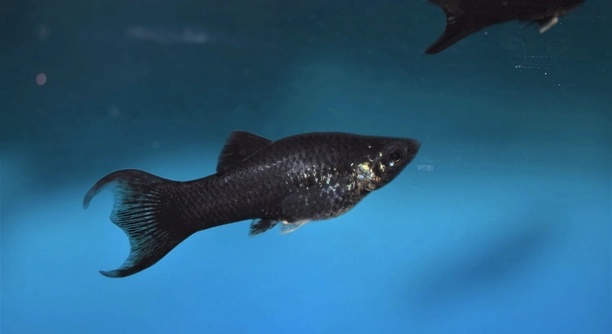
Black Mollies are a popular choice for home aquariums due to their striking color and peaceful nature. Many aquarists notice them hovering near the water surface more than swimming freely around the tank. Observing this behavior can be both puzzling and fascinating for fish enthusiasts.
Black Mollies often hover beneath the water surface to access higher oxygen levels and to feed more efficiently on floating particles. This behavior is influenced by water quality, tank conditions, and the species’ natural tendencies in shallow habitats.
Learning the reasons behind this behavior can help you maintain a healthier aquarium and better understand your fish’s natural instincts.
Understanding Oxygen Levels
Black Mollies are sensitive to the amount of oxygen in the water. In aquariums with low oxygen, they often stay near the surface where oxygen concentration is higher. This behavior is natural, as they come from shallow rivers and coastal waters with abundant surface oxygen. Warm water holds less oxygen, which can also cause Mollies to hover near the top. Tank decorations, plants, and overcrowding can reduce water movement, leading to lower oxygen levels. Observing your Mollies near the surface may indicate the tank needs more aeration. Simple adjustments like adding an air stone, increasing water circulation, or performing partial water changes can help. Mollies also take small gulps of air at the surface occasionally, a normal part of their behavior. By monitoring water quality and ensuring proper aeration, you can maintain a healthier environment for your Mollies and reduce stress. Proper oxygen levels improve activity, feeding, and overall well-being in your aquarium.
Poor oxygen can affect health, making Mollies less active and more prone to disease.
Providing consistent water circulation and aeration helps Mollies thrive. With proper care, they remain vibrant and active. Monitoring oxygen levels regularly ensures your tank supports long-term fish health. Adjusting temperature and aeration minimizes stress, helping them feed efficiently and display natural behaviors. Healthy oxygen conditions reduce surface hovering and encourage exploration of the tank. Observing their habits over time allows you to notice changes that may require attention. Even minor improvements to water movement can have a significant impact on their comfort and activity levels. Maintaining a balance of plants, decorations, and open swimming areas supports better oxygen distribution.
Feeding Habits and Surface Activity
Mollies are omnivores that often feed on floating particles or algae at the water surface.
Their surface hovering is partly linked to accessing food efficiently. In a tank, floating flakes or small insects provide easy meals at the top. This feeding behavior is natural and mirrors their activity in shallow, slow-moving waters. Mollies may spend long periods near the surface searching for food, especially if feeding times are inconsistent or if food sinks too quickly. Offering a mix of sinking and floating food ensures they receive proper nutrition. Overfeeding or underfeeding can also affect behavior, causing more surface activity or lethargy. Consistent feeding routines help Mollies feel secure and reduce stress. Observing how they interact with different types of food allows you to adjust portions and feeding methods. Surface activity can indicate both natural feeding instincts and tank conditions, giving insight into the overall health of your fish. Maintaining water quality, balanced diet, and proper tank layout ensures Mollies remain active and healthy, minimizing excessive surface hovering while supporting natural behaviors.
Water Temperature and Comfort
Mollies are sensitive to water temperature changes and prefer slightly warmer waters. Temperature affects their metabolism and oxygen needs, which influences where they spend most of their time in the tank.
When water is too cold, Mollies become less active and may hover near the surface where the water is slightly warmer. Warmer water increases their metabolism, encouraging more movement, but it also lowers oxygen levels, prompting them to seek areas with higher oxygen concentration. Maintaining a stable temperature within their preferred range helps Mollies stay healthy and reduces stress. Using a reliable heater and thermometer ensures consistent conditions. Even small fluctuations can affect feeding, activity, and immune function. Temperature stability, combined with proper tank aeration, allows Mollies to exhibit natural behaviors without excessive surface hovering or lethargy. Monitoring temperature carefully ensures a comfortable environment where your fish can thrive and display their normal activity levels.
Temperature also interacts with other tank factors, like oxygen and food availability. Warm water can accelerate decomposition, reducing water quality, so regular monitoring is essential.
Tank Size and Space
Small tanks can stress Mollies, making them hover near the surface for comfort. Adequate space allows natural swimming and exploration.
Overcrowded tanks limit movement and increase competition for oxygen and food. Mollies in cramped environments often remain near the top to avoid stress from other fish. Providing a tank that meets recommended size requirements helps maintain their well-being. Plants and decorations should be balanced with open swimming areas to allow freedom of movement while still offering hiding spots. Proper filtration and circulation in larger tanks improve water quality, supporting better oxygen levels and reducing surface hovering. Ensuring enough space and managing fish numbers contributes to healthier behavior, feeding, and activity. Observing tank dynamics and adjusting population or layout can significantly enhance Mollies’ comfort and reduce stress-related behaviors.
Water Quality Factors
Poor water quality can make Mollies hover near the surface. High nitrate or ammonia levels stress them and reduce oxygen, prompting surface activity.
Regular water changes and proper filtration keep water safe. Clean, balanced conditions help Mollies feel secure and remain active throughout the tank.
Natural Instincts
Mollies naturally swim near the surface in shallow waters. This instinct helps them find food and avoid predators. In an aquarium, this behavior continues as they mimic their wild environment, even without threats.
Breeding Behavior
During breeding, female Mollies often stay near the surface. Males may also hover nearby, showing courtship behaviors.
Light and Environment
Bright lights or sudden changes can influence Mollies’ position in the tank. They may move upward for comfort or visibility.
Continue the article with the following outline. Bold the questions. Do not write an intro for each header, get straight to the point. Do not use a greeting. Make it feel slightly personal. Write in a simplistic style.; Outline: ; FAQ (write at least 500 words); Note: Skip the intro, get straight to the point. The rest of the headers will be provided later, so do not write them yet. Skip the conclusion, and recap. Respect the given word count for every paragraph.
Final Thoughts
Observing Black Mollies hovering near the surface of your aquarium can seem unusual at first, but it is often a normal part of their behavior. This instinct comes from their natural habitats, where shallow waters provided them with both food and oxygen. In an aquarium setting, this behavior continues as they seek comfort, oxygen, and easy access to floating food. While it may worry some owners, surface hovering is usually not harmful if the tank is well-maintained and the fish are healthy. Paying attention to how long and how often they remain near the top can give you useful information about their environment and overall well-being.
Maintaining proper tank conditions is essential for reducing stress and supporting healthy behavior in Black Mollies. Oxygen levels, temperature, water quality, and tank size all influence how often they hover near the surface. Warm water, while stimulating activity, can lower oxygen, causing Mollies to stay near the top. Overcrowding or excessive decorations can limit swimming space, encouraging them to remain in one area. Regular water changes, consistent feeding routines, and careful monitoring of tank conditions help keep the environment stable. By creating a balanced and supportive tank, you can encourage Mollies to swim naturally at all levels, while still respecting their instinctive behavior near the surface.
Feeding and tank management also play a significant role in surface activity. Mollies naturally eat floating food in the wild, so flakes and small insects often encourage them to hover. Providing a combination of sinking and floating food ensures proper nutrition while reducing constant surface activity. Light levels, breeding cycles, and interactions with other fish can also influence where they spend their time. Understanding these factors allows you to respond appropriately, whether that means adjusting tank layout, monitoring water parameters, or improving feeding practices. By observing their behavior and making thoughtful adjustments, you can maintain a healthy, comfortable environment for Black Mollies that supports their natural instincts while keeping them active, vibrant, and well-nourished.

Hello,
If you enjoy the content that we create, please consider saying a "Thank You!" by leaving a tip.
Every little bit helps us continue crafting quality advice that supports the health, happiness, and well-being of pets around the world, for pets of all shapes, sizes, and species.
We really appreciate the kindness and support that you show us!