
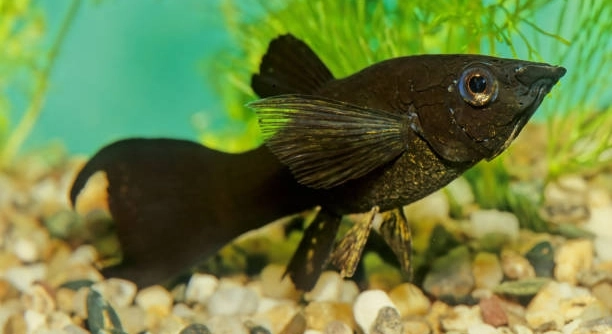
Are your Black Molly fish darting around the tank more than usual when you move nearby? These lively freshwater fish are known for their playful nature, but sudden movements can make them react quickly and unpredictably.
Black Mollies are generally sensitive to sudden movements in their environment, often displaying rapid swimming or hiding behaviors. This response is a natural survival instinct, helping them avoid potential threats while maintaining a sense of safety in their habitat.
Understanding their sensitivity will help you create a calmer tank environment and improve your Mollies’ overall comfort and well-being.
Understanding Black Molly Behavior
Black Mollies are naturally alert fish that rely on their senses to navigate their environment. They notice sudden changes in light, movement, and shadows, which can trigger quick bursts of swimming or hiding. Even small hand movements near the tank can startle them. Tank decorations, plants, and hiding spots help Mollies feel secure. They often explore slowly at first, observing new objects before swimming around them confidently. Over time, regular, gentle movements near the tank can reduce their stress response. Feeding times and routine care also shape their behavior. If they are consistently spooked, it may indicate an overly bright tank, strong water currents, or lack of shelter. Observing how your Black Mollies react daily helps you adjust their environment for comfort. They respond better to predictable, calm interactions rather than sudden or abrupt actions, which can otherwise increase anxiety and cause erratic swimming patterns.
Providing adequate hiding spots and maintaining steady tank conditions can significantly reduce stress in Black Mollies.
Keeping their environment stable is key. Adjust lighting gradually, avoid sudden hand movements, and add plants or decorations that offer secure hiding areas. These small steps help your fish feel safe and more confident, creating a calmer and healthier tank atmosphere over time.
Common Triggers for Spooking
Rapid movements near the tank often startle Black Mollies. Their instinct is to dart away or hide when they sense sudden activity. This is a natural survival behavior.
Bright lights, vibrations, and strong water currents are additional factors that can make Black Mollies anxious. Sudden shadows or reflections on the glass may also trigger quick swimming responses. Feeding schedules that vary daily can add to their stress if they anticipate sudden interactions. Observing your fish during different times of day helps identify patterns in their reactions. Consistent routines in lighting, feeding, and tank maintenance can help Mollies feel more secure and reduce startle responses. Adding plants, rocks, or ornaments gives them places to retreat, which encourages calmer behavior. Water quality and temperature are equally important; poor conditions can heighten sensitivity to movement. By understanding these triggers and adjusting the environment, you can ensure your Black Mollies stay healthy, relaxed, and responsive without being overly stressed by normal activity around the tank.
Minimizing Stress in Black Mollies
Gentle movements around the tank can help reduce stress in Black Mollies. Avoid tapping the glass or sudden hand gestures, and keep daily routines consistent. Calm, predictable interactions allow them to feel safer and swim more naturally.
Providing plenty of plants and hiding spaces gives Black Mollies options to retreat when they feel threatened. Floating plants, tall stems, and decorative rocks mimic their natural environment, making sudden movements less alarming. Keeping water temperature stable and maintaining proper filtration also reduces stress. Over time, these adjustments help Mollies become more comfortable with activity around the tank and encourage calmer behavior.
Feeding routines contribute to stress management as well. Offering food at regular times reduces anxiety and prevents frantic swimming during unexpected moments. Observing how they respond to your presence during feeding helps you gauge their comfort levels. Adding gentle current and soft lighting makes the environment predictable. The combination of secure hiding spots, stable conditions, and consistent care promotes healthier, less reactive Black Mollies.
Tank Setup Tips
Ensure the tank layout allows clear swimming space while offering secure hiding areas. Plants and decorations should balance openness and shelter.
Strategically placed decorations create natural barriers that reduce visual stress. Grouping taller plants in corners and leaving open zones in the center gives Mollies control over their environment. Soft substrate and low-flow filtration prevent sudden disturbances. Avoid overcrowding the tank, as too many fish increase tension and erratic movements. Positioning the tank away from heavy foot traffic or direct sunlight helps maintain calm conditions. Regular maintenance, including water changes and monitoring temperature, ensures a predictable environment that supports the fish’s natural instincts. By carefully planning the tank setup, you create a space that minimizes stress and encourages more relaxed, confident behavior.
Feeding and Movement
Feeding Black Mollies at consistent times reduces their stress. Sudden hand movements during feeding can startle them, so approach the tank calmly and drop food gently to avoid triggering frantic swimming.
Using slow, deliberate actions when adding food helps them anticipate meals. Over time, they associate your presence with safety, not sudden threats.
Observing Reactions
Monitoring how Black Mollies respond to movement helps identify their comfort zones. Note which areas of the tank they avoid and how quickly they return to normal swimming after being startled. Adjust tank setup and routines based on these observations for calmer behavior.
Handling and Interaction
Minimize direct handling, as it can stress Black Mollies. Use nets only when necessary, and move slowly to reduce sudden reactions.
FAQ
Do Black Mollies get scared easily?
Yes, Black Mollies are naturally alert fish. Sudden movements, loud noises, or changes in light can startle them. Their instinct is to swim quickly or hide when they sense a potential threat. This reaction is normal and helps them stay safe in their environment. Over time, they can become accustomed to calm, predictable activity around the tank, but abrupt or frequent disturbances will continue to trigger spooking behavior.
How can I make my Black Mollies feel safer?
Providing plenty of hiding spots and plants helps Black Mollies feel secure. Floating plants, tall stems, and rocks offer areas to retreat. Keeping the tank environment stable, including water temperature and lighting, reduces stress. Gentle, consistent interactions, such as slow hand movements during feeding or maintenance, also help them feel more comfortable. Avoid tapping the glass or sudden motions, which can trigger rapid swimming and anxiety.
Will Black Mollies get used to movement around the tank?
Yes, they can adapt to regular, calm activity. When hand movements are predictable and slow, Black Mollies begin associating your presence with safety rather than danger. Over weeks, they may swim closer to the front of the tank and show less erratic behavior. However, sudden or sharp movements will still startle them, as it triggers their natural flight instinct. Consistency in feeding and care routines supports this adjustment.
Can tank setup affect how easily Black Mollies are spooked?
Absolutely. Open spaces without plants or hiding areas make Mollies more exposed, increasing their sensitivity to movement. Strong water currents or overly bright lighting can also make them anxious. A well-structured tank with a mix of open swimming areas and shelters, soft substrate, and moderate filtration creates a calmer environment, allowing them to feel secure while still exploring.
Is handling Black Mollies stressful for them?
Yes, direct handling or netting can cause significant stress. They are sensitive to sudden changes in their surroundings and can panic easily. Use nets only when necessary, and move slowly to reduce sudden reactions. Limiting unnecessary interaction and focusing on environmental adjustments helps them stay relaxed and healthy.
Does feeding schedule affect their reaction to movement?
Yes, feeding routines influence their comfort levels. Black Mollies learn to anticipate meals, so unpredictable feeding can heighten anxiety and cause frantic swimming. Feeding at consistent times with gentle hand movements reduces stress and encourages more predictable, calm behavior during daily care.
Can they injure themselves when spooked?
Occasionally, rapid swimming in panic can lead to minor injuries if they collide with decorations, glass, or other fish. Maintaining a safe tank layout with rounded ornaments, soft plants, and enough open swimming space reduces the risk of injury while allowing natural flight responses. Observing their behavior helps you adjust the environment accordingly.
Do all Black Mollies react the same way to movement?
Not necessarily. Individual fish may vary in sensitivity depending on age, personality, and prior experiences. Younger or newly introduced Mollies may be more skittish. Long-term residents often become calmer with predictable conditions. Observing each fish individually helps tailor tank setup and care routines to reduce spooking incidents.
Can changing tank lighting help reduce stress?
Yes, sudden shifts in brightness can startle Mollies. Gradually adjusting lighting during the day and avoiding direct sunlight on the tank helps create a stable environment. Soft, even lighting reduces shadows and reflections, lowering anxiety and encouraging calm swimming patterns.
Are Black Mollies more sensitive to movement than other fish?
Generally, yes. Their natural alertness and flight instincts make them more prone to spooking compared to some less reactive species. Providing hiding spots, calm surroundings, and consistent routines helps them feel secure and reduces overreactions to normal movement around the tank.
How long does it take for Black Mollies to adjust to a new environment?
Adjustment can take several days to a few weeks. During this period, they may hide frequently or react strongly to movement. Consistent tank conditions, gentle interactions, and adequate shelters help them acclimate faster, reducing stress and erratic behavior over time.
Can tank mates influence how easily Mollies are spooked?
Yes, aggressive or fast-moving tank mates can increase stress for Black Mollies. Peaceful, similar-sized fish are preferable to avoid constant chasing or startling. Observing interactions and adjusting tank population ensures a calmer, less reactive environment for all inhabitants.
Is water quality linked to stress and spooking behavior?
Poor water conditions can heighten sensitivity to movement. High nitrate levels, fluctuating temperatures, or low oxygen make Mollies more reactive. Maintaining stable water parameters with regular testing, filtration, and partial water changes supports a calmer, healthier fish that is less easily spooked.
Do Black Mollies calm down naturally over time?
Yes, with a stable environment and consistent care, they can become noticeably calmer. Predictable routines, proper hiding places, gentle feeding, and minimal sudden movements help them feel safe. Over weeks or months, many Mollies display reduced startle responses and more confident swimming behavior.
Black Mollies are naturally alert and reactive fish, which means they can be easily spooked by sudden movements or changes in their environment. This behavior is not a sign of weakness but rather an instinct that helps them avoid potential dangers. In a home aquarium, it is common to notice them darting across the tank or retreating behind plants and decorations when someone moves too quickly nearby. Their sensitivity can sometimes make them seem jumpy, but understanding the reasons behind these reactions is the first step in helping them feel more secure. Providing a calm and predictable environment allows Black Mollies to exhibit more natural behaviors, explore the tank confidently, and reduce unnecessary stress. Observing how they react in different parts of the tank or at different times of day can offer valuable insight into their comfort level and overall well-being.
Maintaining proper tank conditions is one of the most effective ways to minimize stress in Black Mollies. Stable water temperature, consistent filtration, and regular partial water changes all contribute to a healthier environment. Additionally, thoughtful tank design, including open swimming areas balanced with hiding spots, allows them to choose where to go when they feel uneasy. Plants, rocks, and decorative items serve as retreats that can prevent panic during sudden movements. Slow and predictable interactions during feeding or maintenance further reinforce their sense of safety. Over time, Black Mollies begin to associate human presence with calm and routine rather than threats, which reduces their tendency to startle. Consistency is key, as frequent disruptions, rapid movements, or sudden changes in lighting can undo progress and keep them in a heightened state of alert.
Lastly, individual differences among Black Mollies mean that some fish may take longer to adjust to their surroundings or human activity than others. Younger or newly introduced Mollies may display more frequent startle responses, while long-term tank residents often show calmer behavior with consistent care. Monitoring their reactions and adjusting feeding routines, tank layout, and lighting can help create an environment where all the fish feel safe and comfortable. Avoiding unnecessary handling and providing peaceful tank mates also contribute to reducing stress. With patience and attention to their needs, Black Mollies can become confident swimmers who enjoy exploring their home without constant fear of movement. Ensuring a stable, well-thought-out environment not only reduces spooking but also promotes their long-term health, vitality, and natural behavior.

Hello,
If you enjoy the content that we create, please consider saying a "Thank You!" by leaving a tip.
Every little bit helps us continue crafting quality advice that supports the health, happiness, and well-being of pets around the world, for pets of all shapes, sizes, and species.
We really appreciate the kindness and support that you show us!