
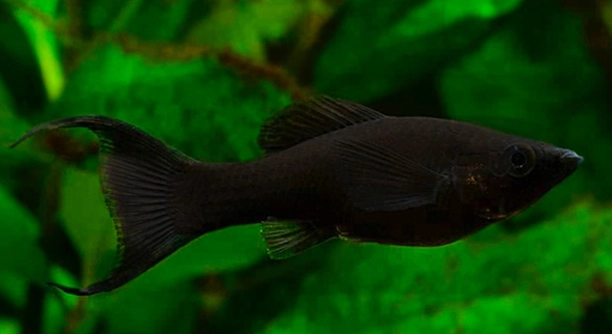
Do you ever find yourself watching your black molly group swimming together in gentle harmony, creating a calm and friendly scene within your tank that brings a sense of comfort and balance to your routine.
A well balanced Black Molly group displays consistent social stability, synchronized movement, healthy coloration, proportional size distribution, low aggression, steady feeding behavior, and responsive environmental adjustment, reflecting an ecosystem that supports sustained health and cooperative interactions among the fish present.
These traits shape a group that thrives with ease, offering insight into creating a peaceful aquarium environment that remains steady.
Consistent Social Stability
Consistent social stability is one of the clearest signs that your black mollies are living comfortably together. When the group maintains calm interactions, each fish feels secure and less stressed while swimming in shared spaces. You may notice them gliding near one another without sudden bursts of aggression or separation, which shows they recognize predictable roles within the group. This stability also helps reduce competition during feeding times, allowing every fish to receive proper nourishment without tense behavior. When the environment supports this balance, your mollies move with a relaxed confidence that reflects a well managed tank. The peaceful patterns that develop between them can make daily care easier, since stable groups respond more reliably to routine changes. With steady structure guiding their behavior, the fish adapt smoothly to moderate shifts in lighting, feeding, or minor rearrangements within the tank. This atmosphere keeps their behavior gentle to observe each day.
A stable group forms when each molly understands its place within the community, keeping interactions calm and predictable. This prevents unnecessary stress and supports healthier behavior during feeding and movement. When these patterns stay consistent, the fish maintain a peaceful rhythm that benefits the entire tank environment each passing day.
Maintaining social stability also depends on how well the tank conditions support your mollies. Clean water, steady temperature, and enough swimming room help the group stay calm. When space is limited or the water becomes unstable, their behavior can shift quickly, creating tension. Providing hiding spots and gentle plants gives them places to pause without feeling crowded. Regular monitoring lets you catch early signs of stress before conflict grows. Over time, these simple habits create a predictable environment the fish can rely on, making their interactions smoother and more balanced throughout daily routines and remain comfortable in their shared space.
Synchronized Movement
When black mollies swim in steady patterns that match one another, it shows strong group coordination. This behavior means they feel safe and supported within their environment. Smooth movement reduces tension, helping the group maintain healthier interactions and respond more calmly to small changes inside the tank as they adjust.
Synchronized movement reflects a group that has learned to respond collectively to its environment, creating a sense of order within the tank. When black mollies swim in similar directions or maintain a unified pace, it signals that their stress levels are low and their surroundings feel predictable. This type of coordination often develops when the tank layout is open enough for shared movement, allowing them to navigate without interruption. Adequate lighting, stable filtration, and dependable feeding schedules also support this behavior by reducing sudden disruptions. When mollies trust their environment, they watch one another’s cues and adjust their pace naturally, forming the steady patterns you observe. It also helps prevent territorial disputes, since synchronized movement keeps them focused on group behavior rather than defending particular areas. You may also notice smoother transitions between activity and rest, showing that the group recognizes safe rhythms throughout the day. Over time, these patterns can even help you understand how they respond to minor changes in décor, feeding amounts, or water clarity. When their movements remain unified, it becomes easier to determine whether the tank conditions continue to support their overall balance, allowing you to make small adjustments whenever needed in a steady way.
Healthy Coloration
Healthy coloration shows that your black mollies are receiving proper care and living in stable conditions. When their color remains rich and steady, it reflects balanced nutrition, low stress, and an environment that supports natural hormone regulation without sudden shifts that can dull their appearance.
Healthy coloration depends on clean water, steady temperature, and nutrient rich food that keeps their bodies functioning well. When the tank remains stable, pigments stay vibrant and even, showing that the fish feel secure enough to maintain their natural tones. Any fading or patchy color often signals environmental stress, overcrowding, or poor diet. Regular water changes, varied food, and calm surroundings help protect their skin and scales from dulling. When all these elements stay consistent, the group maintains a smooth, glossy shine that shows their overall well being. Over time, this steady color also helps you recognize early changes that may need attention.
Strong coloration also reflects how well each molly can cope with everyday activity. When food is balanced and tank conditions remain dependable, their bodies use nutrients efficiently. This helps prevent weak tones caused by nutritional gaps or sudden temperature swings. Maintaining enough space and gentle lighting supports their comfort while reducing stress related fading. If you notice slight darkening or brightening, it can be linked to mood or natural variation rather than illness. Watching these subtle changes helps you understand your group more clearly, letting you adjust feeding or water quality before issues grow.
Proportional Size Distribution
Proportional size distribution helps prevent tension within the group. When no single molly grows too large or stays too small compared to the others, interactions remain calm, and the group moves through the tank without intimidation or unequal access to food or space each day.
Balanced sizes often form when the group receives regular feeding, enough swimming room, and stable water conditions that allow each fish to grow at a steady pace. When the tank is overcrowded or food becomes inconsistent, smaller mollies can fall behind, creating stress during feeding and movement. Providing hiding spots helps younger or slower growing mollies feel safe enough to eat properly. Stable temperatures, varied food, and predictable routines help all fish develop at a natural pace. When growth stays even, the group avoids dominance issues that could lead to chasing or nipping. Maintaining these conditions supports a peaceful environment and keeps their behavior smooth, comfortable, and easier to manage over time.
Low Aggression
Low aggression keeps your black molly group calm and easier to care for. When the fish interact without frequent chasing or nipping, the tank stays peaceful and each molly can move confidently without feeling pressured or pushed away during feeding or swimming.
Stable conditions, enough space, and predictable routines support this behavior. When hiding spots are available and the group size feels balanced, the mollies avoid competition that could create tension. Providing steady water quality and regular feeding keeps them satisfied, preventing small disputes from turning into persistent patterns that could disturb the entire group.
Steady Feeding Behavior
Steady feeding behavior shows that your mollies feel safe during meals. When they approach food calmly and eat at a consistent pace, it reflects low stress and reliable tank conditions. Predictable feeding schedules, varied food, and enough room help prevent frantic behavior and keep the group comfortable at mealtime.
Responsive Environmental Adjustment
Responsive environmental adjustment reflects a group that adapts smoothly to small changes. When mollies respond without panic to shifts in lighting or gentle rearrangements, it shows they trust their environment and maintain steady comfort levels throughout daily routines in a calm and predictable way.
FAQ
How many black mollies should I keep together?
Keeping black mollies in small groups of at least three to five is ideal. Smaller numbers can lead to stress and boredom, while larger groups need a bigger tank to maintain harmony. Proper spacing helps prevent aggression and allows for natural social behavior. Watching how they interact can help you adjust numbers safely.
What tank size is best for a well-balanced group?
A tank of at least 20 gallons works for a small group. Larger groups require proportionally more space to allow free swimming and avoid overcrowding. Adequate room reduces stress, supports proportional size distribution, and allows hiding spots. Each molly should have enough personal space for feeding and resting.
What kind of diet helps maintain healthy coloration?
A varied diet including high-quality flake food, algae wafers, and occasional live or frozen food supports strong color and overall health. Including vegetables like spinach or zucchini provides essential nutrients. Avoid overfeeding, as leftover food can pollute the tank and cause stress. Balanced nutrition is essential for vibrant color and steady growth.
How can I reduce aggression in my black molly group?
Providing enough space, hiding spots, and consistent feeding schedules helps reduce aggression. Avoid overcrowding and ensure proportional size distribution to prevent larger fish from dominating. Maintaining clean water and stable temperatures also lowers stress, which directly impacts aggression levels. Small adjustments can prevent nipping and chasing from becoming habitual.
What are signs of stress in a molly group?
Stress often shows as faded coloration, erratic swimming, hiding, or excessive aggression. Reduced appetite or staying at the tank bottom can also indicate discomfort. Water quality, overcrowding, or sudden environmental changes are common causes. Early detection allows you to address the issue before it affects the group’s overall health.
How often should I clean the tank to support balance?
Regular water changes, about 25% weekly, help maintain cleanliness and stable conditions. Cleaning filters, removing uneaten food, and checking water parameters ensures the group stays healthy. Consistency in maintenance supports feeding behavior, coloration, and calm interactions, making the tank a stable and comfortable environment for all fish.
Do black mollies need live plants in the tank?
Live plants help create hiding spots, reduce stress, and improve water quality by absorbing excess nutrients. They also encourage natural behaviors and offer visual boundaries that support social stability. Hardy plants like Java moss or Anubias are good choices. Even a few well-placed plants can significantly enhance group balance.
Can I keep black mollies with other fish species?
Yes, but choose peaceful species of similar size to avoid bullying. Avoid overly aggressive or very small fish, as they may provoke stress or predation. Observing initial interactions carefully ensures compatibility and maintains a calm, well-balanced environment for your mollies. Adjust tank mates if signs of stress appear.
How do I know if the group is well-balanced?
A well-balanced group swims together calmly, shows vibrant color, displays low aggression, eats steadily, and adapts smoothly to minor changes. Consistent behavior over time, rather than isolated incidents, indicates a healthy social dynamic. Observing patterns daily allows you to maintain balance through small, proactive adjustments.
What is the best lighting schedule for black mollies?
A stable lighting schedule of about 8–10 hours per day supports natural rhythms. Too much light can increase algae growth and stress, while too little can dull color and reduce activity. Consistency in lighting helps the group feel secure and maintains their steady daily behaviors.
How can I help slow-growing mollies catch up?
Provide hiding spots, ensure regular feeding, and avoid competition with larger fish. Monitoring food intake and offering nutritious supplements helps smaller or slower-growing fish develop at a healthy pace. Maintaining stable water quality and temperature further supports their growth and reduces stress during the process.
Are black mollies sensitive to water temperature changes?
Yes, sudden changes can stress them, causing color fading or erratic behavior. Keep the temperature between 72–78°F and avoid rapid shifts. Using a reliable heater and monitoring daily helps the group adjust smoothly. Stable temperature supports feeding behavior, coloration, and social interactions consistently.
What is the best way to introduce new mollies to an established group?
Introduce new mollies gradually, using a quarantine period to prevent disease. Acclimate them slowly to the tank water and observe initial interactions. Adding plants or rearranging decorations during introduction can reduce territorial disputes. Close observation during the first week ensures the group adapts without excessive aggression.
How often should I monitor water parameters?
Check parameters like pH, ammonia, nitrite, and nitrate at least once a week. Consistent monitoring prevents sudden changes that can stress the group. Stable water quality supports coloration, feeding behavior, and social stability. Early detection of shifts allows timely corrective action before the group is affected.
Can stress affect reproduction in black mollies?
Yes, stressed mollies may eat less, lose color, or stop breeding altogether. Stable groups with proper nutrition, space, and calm environments are more likely to reproduce successfully. Ensuring low aggression, consistent feeding, and suitable hiding spots encourages healthy reproductive behavior naturally over time.
How do I handle minor disputes in the tank?
Minor disputes usually settle quickly if the group has enough space and hiding spots. Avoid interfering unless aggression persists. Observe interactions to determine if territory or dominance issues exist. Adjusting decor or separating overly aggressive individuals temporarily helps maintain calm without disrupting the group’s natural behavior.
What role do hiding spots play in group balance?
Hiding spots reduce stress, prevent bullying, and allow mollies to rest comfortably. Plants, rocks, or small decorations provide safe areas and improve social stability. Adequate hiding spaces ensure smaller or slower fish avoid intimidation and feed without pressure, supporting steady growth and calm interactions across the group.
How long does it take to establish a balanced group?
It can take several weeks for a new group to settle into stable social patterns. During this time, monitor feeding, aggression, and coloration closely. Providing consistent care, space, and nutrition accelerates the adjustment. Patience ensures the group develops predictable behaviors that reflect a well-balanced dynamic.
Can water changes alone improve group balance?
Regular water changes are essential but not sufficient alone. They support health by keeping parameters stable, but space, diet, and hiding spots are equally important. Combining clean water with proper tank management ensures low aggression, steady feeding, and healthy coloration, which together maintain a balanced group.
Is it normal for some mollies to be shy?
Yes, individual personalities vary. Shy mollies often stay near plants or the bottom temporarily. Providing gentle conditions, adequate hiding spots, and consistent feeding helps them gain confidence. Over time, even shy fish often become more active and integrate smoothly into the group’s social patterns.
How can I encourage synchronized swimming?
Synchronized swimming develops naturally when the group feels safe and the tank is spacious. Consistent feeding, calm conditions, and predictable routines encourage them to move together. Avoid sudden disturbances, and observe their cues to understand how small adjustments can maintain this smooth group behavior day by day.
Final Thoughts
Maintaining a well-balanced black molly group requires attention to both the environment and the fish themselves. Each trait, from social stability to steady feeding behavior, plays an important role in how the group interacts and thrives. Observing the mollies closely allows you to see small changes that indicate stress, aggression, or nutritional issues before they become serious problems. Simple actions like keeping water clean, maintaining a stable temperature, and providing enough swimming space go a long way in supporting calm behavior. It’s easy to overlook small details, but these details collectively make a big difference in the overall health of the group. Consistency is key.
Balanced nutrition and proper tank layout are also essential. Feeding a varied diet ensures that mollies maintain vibrant coloration and grow at a steady pace, which helps prevent dominance issues. Including high-quality flake food, occasional frozen or live food, and vegetables like zucchini or spinach provides necessary nutrients for overall health. Adequate hiding spots and gentle décor reduce tension among the group, allowing shy or smaller mollies to feed without stress. A balanced environment gives each fish a sense of safety and allows natural behavior to emerge. Over time, you will notice calmer movement, synchronized swimming, and healthier social interactions. This steady rhythm makes it easier to care for the group while also providing a visually pleasing and peaceful tank.
Regular monitoring and attention to details will ensure long-term success. Watching how the mollies respond to small environmental changes, observing feeding patterns, and noting subtle signs of aggression or stress can help you maintain balance. Even minor adjustments, like moving a plant, adjusting lighting, or changing the feeding schedule slightly, can have positive effects on the group. Keeping the tank conditions predictable and stable allows the mollies to thrive naturally, without constant intervention. A well-balanced black molly group is not just a reflection of proper care but also a result of patience and observation. Over time, their calm interactions, healthy coloration, and smooth movements create an environment that feels harmonious, easy to manage, and satisfying to maintain.

Hello,
If you enjoy the content that we create, please consider saying a "Thank You!" by leaving a tip.
Every little bit helps us continue crafting quality advice that supports the health, happiness, and well-being of pets around the world, for pets of all shapes, sizes, and species.
We really appreciate the kindness and support that you show us!