
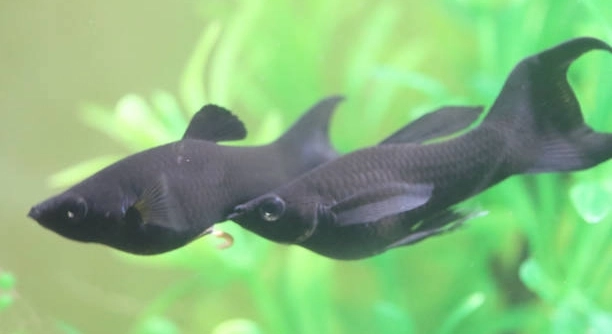
Do you enjoy keeping fish but feel unsure about which species will thrive in your home aquarium? Black Mollies are popular for their striking color and calm nature, yet there are several factors to consider before purchasing.
Before buying Black Mollies, it is important to understand their specific water requirements, diet preferences, compatibility with other fish, and susceptibility to diseases. Adequate preparation ensures their long-term health and helps maintain a balanced aquarium environment.
Knowing these details can prevent common mistakes and promote a healthier, more vibrant tank. The following guide outlines essential tips for Black Molly care.
Water Conditions Matter
Black Mollies thrive best in slightly brackish to freshwater aquariums with a stable temperature between 72°F and 82°F. They prefer a pH level around 7.5 to 8.5 and require consistent water changes to maintain quality. Sudden fluctuations in temperature or pH can stress them, making them more vulnerable to illness. Proper filtration is essential because Mollies are sensitive to high levels of ammonia and nitrites. Aeration also supports their need for oxygen-rich water. When setting up the tank, ensure it is fully cycled before introducing fish. Decorations like plants and hiding spots reduce stress by providing security. Avoid overcrowding as it can lead to aggression or poor water conditions. Monitoring water parameters regularly is a small effort that significantly impacts their health. Adjusting salinity slightly with aquarium salt can mimic their natural environment and support proper osmoregulation. Regular testing ensures the tank remains stable and safe for your Mollies.
Maintaining consistent water conditions is crucial for their health. Even minor changes can cause stress or disease.
Regular care includes weekly water tests, partial water changes, and ensuring filters function correctly. Observing fish behavior helps detect early signs of stress. Adding aquarium salt occasionally can improve immunity. A stable environment supports growth, reproduction, and coloration. Mollies respond quickly to clean, well-maintained water, and a small investment in routine care prevents costly health issues later.
Feeding and Nutrition
Black Mollies are omnivores that require a varied diet to stay healthy. High-quality flake or pellet food should form the base of their meals, supplemented with live or frozen options like brine shrimp, daphnia, and bloodworms. Vegetables such as blanched spinach or zucchini provide essential fiber. Feeding small amounts multiple times a day prevents overfeeding and water pollution. Observe how much they consume in a few minutes and remove leftovers to maintain water quality. Balanced nutrition promotes vibrant coloration, healthy growth, and strong immune function. Avoid feeding exclusively one type of food, as this can lead to deficiencies or digestive issues.
Feeding a mix of protein and vegetables ensures Mollies thrive. Variety strengthens their immune system and supports natural behavior.
Providing proper nutrition means monitoring portions carefully, alternating food types, and occasionally offering plant-based options. Black Mollies benefit from a diet that mirrors their natural tendencies, helping them stay active and healthy. Overfeeding can cause bloating, while underfeeding leads to stunted growth and weakened immunity. Fresh foods improve coloration, and live foods encourage natural hunting instincts. Combining flakes, pellets, and occasional live or frozen treats maintains a balanced diet and keeps your fish lively. Observing how they eat helps adjust portions and food types, ensuring all fish receive proper nutrition. A thoughtful feeding plan contributes to their longevity, overall health, and well-being in the aquarium environment.
Tank Size and Space
Black Mollies need space to swim freely. A tank of at least 20 gallons is recommended for a small group to prevent overcrowding and reduce stress.
Providing adequate space supports their active nature and social behavior. Overcrowded tanks can lead to aggression and poor water quality, which directly impacts their health. A larger tank allows stable water conditions and accommodates plants or decorations without limiting swimming space. Grouping Mollies in compatible numbers helps establish a social hierarchy, reducing stress and promoting natural behavior. Proper spacing also aids in breeding if desired, as females need room to escape persistent males.
Adding plants and hiding spots enhances security and reduces aggression. Mollies feel more comfortable when they can explore without feeling threatened. Proper tank design balances open swimming areas with shelters. Decorations should not overcrowd the tank but provide visual interest and enrichment. Observing fish interactions allows adjustments to layout, ensuring all individuals have access to resources and safe spaces. Maintaining appropriate stocking levels and tank size keeps the environment healthy and prevents common behavioral issues that arise from confinement.
Compatibility with Other Fish
Black Mollies coexist well with peaceful, similar-sized species. Avoid aggressive or fin-nipping fish that may stress them or cause injuries.
Careful selection of tankmates ensures a harmonious environment. Mollies are generally calm but can be stressed by larger or territorial species. Compatible companions include guppies, platies, and small tetras. Monitoring interactions during the first weeks helps detect conflicts early. Compatibility affects feeding, activity, and overall health, so it is important to plan stocking carefully.
Introducing new fish gradually prevents sudden changes in water parameters and social dynamics. Black Mollies may display mild territorial behavior, especially males, but generally adapt when given sufficient space. Avoid overcrowding to reduce stress and maintain water quality. Providing hiding places helps timid species feel secure while preventing aggression from dominant Mollies. Observing behavior after adding tankmates allows adjustments in group composition. Keeping compatible species together supports a balanced, healthy aquarium, promoting natural activity, feeding behavior, and social interactions among all fish.
Breeding Considerations
Black Mollies breed easily in home aquariums. Females give birth to live young, so be prepared for fry if males are present.
Providing hiding spots and plants helps protect fry from being eaten by adults. Separating pregnant females or using a breeding box can increase survival rates.
Disease Prevention
Maintaining clean water and stable conditions is key to preventing common diseases. Mollies are prone to fin rot, ich, and bacterial infections if stressed. Regular water testing, proper filtration, and avoiding overcrowding reduce risks. Quarantining new fish before adding them prevents introducing pathogens.
Tank Decorations and Hiding Spots
Plants, rocks, and other decorations give Mollies security. They need areas to hide and explore, which reduces stress.
Natural or artificial plants create shelter for fry and shy individuals. Decorations also break up open swimming space, keeping the tank interesting while providing safe retreats for all fish.
How often should I change the water in my Black Molly tank?
For a healthy aquarium, changing 25-30% of the water every week is recommended. Regular water changes remove accumulated waste, excess nutrients, and toxins like ammonia and nitrites that can harm Mollies. Skipping changes can lead to cloudy water, poor fish health, and stress, which makes them more susceptible to diseases. Consistent water replacement also helps maintain stable pH and mineral levels. Always use dechlorinated water and match its temperature to the tank to prevent shock. Monitoring water quality with test kits ensures that weekly changes are sufficient to maintain a clean and safe environment for your Mollies.
What should I feed my Black Mollies daily?
Black Mollies need a balanced diet with both plant and protein-based foods. High-quality flake or pellet food designed for tropical fish should be offered in small amounts two to three times a day. Supplement their diet with live or frozen foods like brine shrimp, daphnia, or bloodworms for protein. Vegetables such as blanched zucchini or spinach provide fiber and nutrients to aid digestion. Avoid overfeeding, as leftover food can decay and degrade water quality. Observe how much they consume in a few minutes and adjust portions accordingly. A varied diet improves coloration, supports growth, and keeps Mollies active and healthy.
Can Black Mollies live with other fish?
Yes, but compatibility is important. Black Mollies are peaceful but may become stressed if housed with aggressive or fin-nipping fish. Ideal tankmates include guppies, platies, and small tetras, which are similar in size and temperament. Overcrowding or poorly chosen companions can lead to fights, stress, and disease. Providing plants, hiding spots, and adequate swimming space helps maintain harmony. Introduce new fish gradually to allow the existing fish to adjust. Observing behavior during the first weeks ensures a compatible environment. Careful planning prevents conflicts and supports healthy social interactions among all species in the tank.
How can I tell if my Black Molly is sick?
Common signs of illness include faded color, clamped fins, lethargy, loss of appetite, rapid gill movement, or unusual spots and lesions. Fin rot appears as ragged edges on fins, while ich shows as white spots on the body and fins. Early detection is critical. Maintaining clean water and proper nutrition reduces disease risk. Quarantine new fish and treat any symptoms promptly using appropriate medications. Stress from overcrowding, poor water conditions, or sudden changes can weaken immunity, making Mollies more prone to illness. Observing daily behavior and physical appearance helps catch problems before they become severe.
Do Black Mollies need salt in their water?
Adding a small amount of aquarium salt can benefit Black Mollies by supporting osmoregulation and preventing stress-related health issues. Mollies are naturally tolerant of slightly brackish water, so salt can mimic their natural environment. Use salt sparingly and follow package instructions, as excessive amounts can harm plants and invertebrates in the tank. Salt should be dissolved thoroughly before adding to the aquarium. While not always necessary, occasional salt supplementation can enhance immunity, reduce disease risk, and improve overall vitality. Always monitor fish behavior after adding salt and adjust accordingly.
How do I breed Black Mollies successfully?
Black Mollies are livebearers, meaning females give birth to free-swimming fry. To encourage breeding, maintain stable water conditions, provide nutritious food, and keep a ratio of one male to two or three females to reduce stress on females. Dense plants or breeding boxes protect the fry from being eaten. Observing females for signs of pregnancy, such as a rounded belly or a dark gravid spot near the anal fin, allows timely separation if desired. Fry thrive in shallow, well-oxygenated water and require finely crushed flake food or baby brine shrimp. Proper preparation ensures higher survival rates and healthier offspring.
Why is my Black Molly not growing properly?
Poor growth often results from inadequate nutrition, suboptimal water conditions, or overcrowding. Ensure a balanced diet with protein and plant matter and maintain clean, well-filtered water. Overcrowding increases stress and limits access to food. Monitor water temperature and pH levels, as fluctuations can slow metabolism and growth. Providing enough space, hiding spots, and proper lighting supports natural behavior and development. Regular observation helps identify early signs of stunted growth. Adjusting diet, tank size, and water quality usually resolves the issue, leading to healthier and more vibrant Mollies.
How long do Black Mollies live?
With proper care, Black Mollies can live up to three to five years. Their lifespan depends on water quality, diet, tank conditions, and stress levels. Regular maintenance, balanced feeding, and avoiding aggressive tankmates extend their life. Monitoring health and promptly addressing illness contributes to longevity. Consistency in care is key to ensuring they reach their full lifespan. Providing stable conditions, adequate space, and environmental enrichment supports natural behavior and reduces the risk of premature death. Observing their activity, coloration, and growth helps assess well-being and maintain a healthy environment.
Are there special lighting needs for Black Mollies?
Black Mollies do not require intense lighting, but moderate, consistent lighting supports plant growth and highlights their coloration. A 10–12 hour day/night cycle is sufficient. Avoid sudden changes, as Mollies can become stressed. Lighting also helps maintain their natural circadian rhythm. Balancing light duration prevents algae overgrowth while keeping the tank visually appealing. Use timers for consistency and ensure shaded areas or decorations for hiding. Observing fish behavior ensures the lighting is comfortable. Proper lighting improves activity levels, coloration, and overall health without overexposing them to bright or harsh light.
Can Black Mollies tolerate different water temperatures?
Black Mollies prefer temperatures between 72°F and 82°F. Sudden fluctuations can stress them, weaken immunity, and increase susceptibility to disease. Maintaining stable temperature with a heater or thermometer ensures consistent conditions. Avoid placing the tank near drafts or direct sunlight. Gradual adjustments are safer than rapid changes. Temperature stability supports digestion, metabolism, and overall activity. Stress from improper temperatures can affect breeding and coloration. Regular monitoring and careful placement of equipment prevent fluctuations and maintain an ideal environment. Ensuring suitable warmth allows Mollies to remain active, healthy, and vibrant throughout their life.
Is it necessary to trim plants or decorations in the tank?
Yes, regular trimming prevents overcrowding and maintains water flow. Overgrown plants can reduce swimming space, trap debris, and impact water quality. Decorations should be cleaned periodically to remove algae and waste. Maintaining the tank layout ensures Black Mollies have adequate space and hiding spots. Trimming also promotes healthy plant growth and keeps the aquarium visually appealing. Regular maintenance prevents stress, supports activity, and reduces disease risk. Observing fish interactions helps decide where to trim or adjust decorations. Proper tank upkeep balances aesthetics with the fish’s needs, improving overall health and comfort in their environment.
Caring for Black Mollies requires attention to detail, but the effort pays off in a healthy and lively aquarium. Their striking black coloration and calm behavior make them a popular choice for both new and experienced fishkeepers. Understanding their needs is key, from water conditions and tank size to diet and compatibility with other fish. Maintaining stable water parameters, providing adequate space, and offering proper nutrition ensures they thrive. Neglecting these basics can lead to stress, disease, and even premature death. By establishing a routine that includes regular water changes, monitoring water quality, and observing fish behavior, you create an environment where Black Mollies can flourish.
Feeding plays a significant role in their health and longevity. A balanced diet that combines high-quality flakes or pellets with live or frozen foods supports growth, coloration, and immune function. Including vegetables like blanched spinach or zucchini promotes digestion and overall well-being. Overfeeding or providing a limited diet can cause digestive problems, water pollution, and stunted growth. Careful portion control and variety in their meals help prevent these issues. Additionally, breeding considerations are important if you want to expand your fish population. Providing hiding spots for fry and monitoring pregnant females can increase survival rates, while stable water conditions and proper tank management minimize stress for all fish.
Black Mollies also benefit from a well-planned aquarium layout. Plants, rocks, and other decorations provide shelter and reduce aggression among tankmates. Open swimming areas combined with hiding spots allow natural behaviors while preventing overcrowding. Choosing compatible fish ensures a peaceful environment, while avoiding aggressive or fin-nipping species prevents stress and injuries. Paying attention to lighting, temperature, and regular maintenance further supports their health. While caring for Black Mollies may require effort and observation, it creates a rewarding experience. With consistent care, attention to their needs, and an understanding of their behavior, Black Mollies can live long, healthy lives, providing beauty and activity to any freshwater aquarium.

Hello,
If you enjoy the content that we create, please consider saying a "Thank You!" by leaving a tip.
Every little bit helps us continue crafting quality advice that supports the health, happiness, and well-being of pets around the world, for pets of all shapes, sizes, and species.
We really appreciate the kindness and support that you show us!