
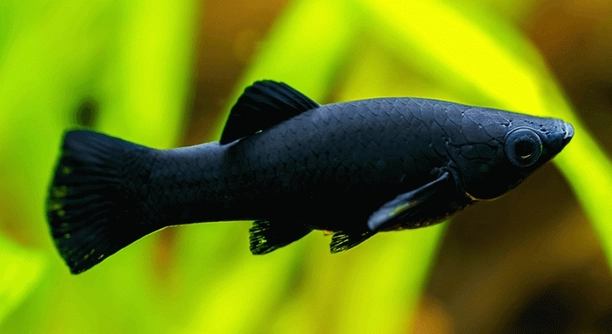
Have you ever kept black mollies and noticed how certain tank setups seem to make them more comfortable, leading you to consider whether a simple substrate can influence their behavior and overall sense of security.
Black mollies do not strictly require substrate, but a soft layer can reduce stress by offering visual comfort and natural foraging opportunities. Providing substrate supports their instinctive behaviors, contributing to a stable environment and promoting overall calmness in the aquarium.
As you explore their needs, you will discover how small adjustments can transform their habitat and support a healthier life.
Understanding How Substrate Affects Black Molly Behavior
A well chosen substrate can make a noticeable difference in how black mollies behave. When the bottom of the tank has a gentle, natural look, these fish often seem more at ease. The soft colors and textures help reduce harsh reflections that can confuse or stress them. I have found that even a thin layer of sand or fine gravel gives them a sense of comfort as they swim around the lower areas of the aquarium. Substrate also supports small patches of biofilm, which they may lightly graze on throughout the day. While it is not a requirement, adding it can create a calmer atmosphere that supports their daily habits without overwhelming them.
Keeping things simple can make their environment feel more balanced, especially when you want them to adjust without unnecessary stress.
A substrate provides a steady background that keeps light from bouncing around the tank, helping black mollies settle into a peaceful rhythm each day.
Choosing the Right Substrate for Black Mollies
Selecting a suitable substrate depends on the softness, color tone, and overall comfort it brings to the tank.
A fine, gentle substrate creates a stable base that supports visual comfort and natural behavior. Sand in neutral shades works well because it softens the appearance of the aquarium and keeps the environment from looking too bright. Black mollies tend to show their colors nicely against these tones, giving the tank a pleasing and calm look. A thin layer is usually enough, avoiding the need for deep beds that can trap debris. I find that rinsing the substrate well before adding it keeps the water clear and makes the setup smoother. Once settled, it supports healthy growth of beneficial bacteria, which helps maintain water quality. By choosing the right texture and shade, you create a space that feels safe for the mollies and easy to care for, keeping the overall environment steady and predictable.
Creating a Comfortable Environment With Substrate
A simple layer of substrate helps black mollies feel grounded by softening the tank’s appearance and reducing harsh reflections. It creates a calmer space that supports their natural movements and keeps their environment from feeling too empty or overwhelming.
Using sand or fine gravel gives the tank a steady and comfortable base that supports your mollies without complicating maintenance. These materials help beneficial bacteria grow, which keeps the water stable and healthier for the fish. I’ve noticed that mollies often explore the lower areas more when the bottom feels natural, making their behavior smoother and more relaxed. A thin substrate layer also helps prevent debris buildup and keeps cleaning simple, which makes tank care easier in the long run.
Once the substrate settles, it encourages consistent behavior and keeps the tank visually balanced. Black mollies respond well to environments that feel steady, and a good substrate choice supports that sense of stability each day.
Substrate Depth and Maintenance Tips
A shallow layer of substrate is usually best for black mollies since it keeps debris from getting trapped and makes cleaning easier while still offering comfort and security for the fish.
Keeping the depth between one half inch and one inch helps the tank stay clean without losing the benefits of a natural looking base. Deeper layers tend to collect waste, which can lead to unpleasant buildup, so keeping things simple makes maintenance smoother. Light vacuuming during water changes keeps the substrate fresh and prevents harmful pockets from forming. I’ve found that mollies respond well to a well maintained bottom because it supports steady behavior and reduces unnecessary stress. Regular cleaning also helps preserve water clarity, which makes the aquarium look brighter and healthier without adding extra work.
Benefits of Natural Colors in Substrate
Natural toned substrate creates a gentle backdrop that keeps the tank from feeling too bright. Black mollies seem more at ease when the bottom blends softly with their surroundings, helping them settle into calmer daily patterns without unnecessary visual distractions.
Soft colors also highlight their natural shades, making the tank look pleasant without feeling overwhelming. I’ve noticed that neutral hues help maintain a balanced atmosphere, giving the fish a sense of comfort as they explore the lower areas of the aquarium.
How Substrate Supports Stable Behavior
A well chosen substrate encourages predictable behavior by giving black mollies a stable surface that feels familiar and safe. When the bottom of the tank feels natural, they tend to swim with smoother patterns and show fewer signs of stress. This stability makes daily care easier and helps maintain a peaceful environment. Even a thin layer of gentle material can support their habits and keep the tank looking visually steady. This small detail can make a meaningful difference in how they interact with their space.
Substrate and Light Control
Substrate helps control reflected light, which can otherwise create sharp glares that make mollies uneasy. A soft, even base reduces this effect and keeps the aquarium comfortable for them throughout the day.
FAQ
Do black mollies feel stressed without substrate?
Black mollies can adapt to bare bottom tanks, but many appear calmer when the bottom has a soft, natural look. Without substrate, reflections can feel too sharp and the environment may seem empty. A simple layer of sand or fine gravel reduces harsh light and creates a more grounded feel. I’ve seen mollies swim with smoother patterns when the bottom looks steady, which makes daily movement easier for them. While they can live without it, the added comfort from substrate often supports better long term behavior.
Does the type of substrate matter for black mollies?
Yes, the type matters because certain materials create a softer and more stable atmosphere. Fine sand or smooth gravel works well since it avoids sharp edges and keeps the tank comfortable. Darker or neutral tones also help tone down reflections and keep the environment gentle. Rough or brightly colored options can distract the fish or make the tank feel too intense. Choosing a material that settles well and stays clean with simple maintenance can make a noticeable difference in how relaxed the mollies feel each day.
Can substrate affect water quality?
Substrate supports beneficial bacteria that help maintain stable water conditions. These bacteria settle around the grains and assist in breaking down waste. When the substrate is kept shallow and clean, it helps prevent harmful buildup and keeps the tank healthier. Problems usually happen only when the substrate is too deep or not cleaned regularly. I’ve found that a small amount of substrate, cleaned with light vacuuming during routine water changes, keeps water clear and predictable. This balance helps mollies stay healthier and more comfortable.
How deep should substrate be for black mollies?
A shallow layer between one half inch and one inch is usually enough. This depth gives the tank a natural look without trapping unnecessary debris. Deep beds often collect waste that can become difficult to remove. Keeping things simple helps avoid unpleasant buildup and makes maintenance easier. Mollies do not need deep substrate for digging or burying, so a thin layer suits them well. It offers comfort while allowing you to keep the tank clean with minimal effort. This depth also helps keep the bottom visually steady without adding extra complications.
Is sand better than gravel for black mollies?
Both sand and fine gravel can work well, but sand often creates a softer and more even surface. Sand limits gaps where waste can settle, making cleaning easier. It also gives the tank a calm, natural look that many mollies respond to positively. Fine gravel is also a good option as long as it is smooth and not too large. The choice often depends on your preference and the look you want. I’ve used both and found that mollies behave well with either as long as the colors are gentle and the material is easy to maintain.
Do black mollies forage in the substrate?
Black mollies may lightly pick at the substrate as they explore, but they are not strong diggers. Their foraging is usually gentle and focused on small particles or bits of biofilm. Substrate can support these small behaviors by giving them a familiar surface to investigate. Even though their grazing is not intense, having a natural base encourages steady daily activity. This can help keep them stimulated in a subtle and comfortable way.
Can substrate color change a molly’s appearance?
Substrate color can influence how their colors appear, especially darker tones. Neutral or dark shades make their natural patterns stand out more clearly. Bright or harsh colors may distract the eye or create an unbalanced look in the tank. Natural tones also feel calmer, which helps the mollies settle into a peaceful routine each day.
Final Thoughts
Black mollies respond well to tanks that feel steady, calm, and thoughtfully arranged, and substrate plays a quiet but meaningful part in creating that atmosphere. When the bottom of the tank has a soft, natural appearance, it helps reduce harsh reflections and softens the overall layout. This gives the fish a sense of comfort that supports their movement and daily habits. I have noticed that even small changes in the tank layout can influence how relaxed they seem, and substrate often acts as the subtle foundation that ties everything together. It does not have to be deep or complicated to be useful. A thin layer that blends well with the tank’s colors can make the environment feel more grounded. This gentle stability often encourages smoother swimming patterns and fewer signs of stress, which is important for fish that thrive in predictable surroundings.
Adding substrate also supports the practical side of fish care, making it easier to maintain water clarity and provide a healthier space. Beneficial bacteria form naturally around the substrate, assisting in breaking down waste and helping the tank stay balanced with less effort. This does not replace regular cleaning, but it can make upkeep feel more manageable. Keeping the substrate shallow helps prevent debris from getting trapped, especially when paired with simple vacuuming during water changes. These small routines keep the bottom fresh and prevent unpleasant buildup. When the tank stays clean and visually steady, it becomes easier for the mollies to settle into their space without reacting to sudden changes. This creates a calm setting that supports their long term well being. Good care often comes from consistency, and substrate can be part of that dependable routine.
The appearance of the tank also affects how connected you feel to your fish. A natural toned substrate brings a soft harmony to the aquarium, making the colors of the mollies stand out in a gentle and pleasant way. This can make the tank more enjoyable to watch and easier to maintain since the layout stays simple and predictable. Whether you prefer sand or fine gravel, choosing a material that feels calm and easy to clean helps both you and the fish. Over time, you may notice that the tank feels more balanced with even the smallest layer of substrate. It becomes part of the environment that supports behavior, comfort, and care all at once. Keeping the setup straightforward allows you to focus on the fish themselves while giving them a home that feels comfortable, natural, and stable.

Hello,
If you enjoy the content that we create, please consider saying a "Thank You!" by leaving a tip.
Every little bit helps us continue crafting quality advice that supports the health, happiness, and well-being of pets around the world, for pets of all shapes, sizes, and species.
We really appreciate the kindness and support that you show us!