
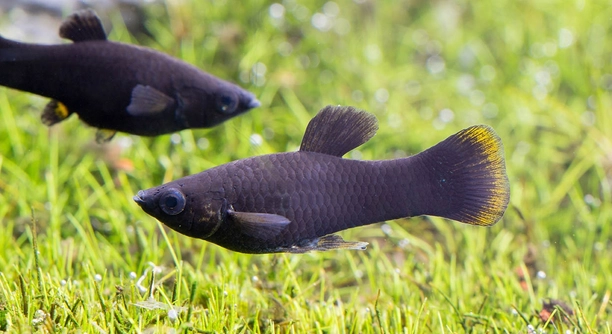
Black mollies are lively fish that often swim together in small groups. Watching them move around the tank can be entertaining, but sometimes their behavior looks more like chasing than casual swimming.
Black mollies chase each other primarily due to social hierarchy and mating instincts. This behavior helps establish dominance, reduces aggression, and encourages breeding activity within the tank. It is a normal and natural part of their social interactions.
Observing these interactions closely can help you understand your fish’s needs and maintain a peaceful aquarium environment. Learning their patterns will improve your care and the health of your mollies.
Understanding Social Hierarchy in Black Mollies
Black mollies live in groups where each fish has a place in the social order. When they chase each other, it often shows one fish asserting dominance over another. This behavior is common in aquariums with several males, as they try to establish who is the leader. Dominance chasing can look aggressive, but it rarely causes harm if the tank is spacious and well-planted. Female mollies may also participate, but they are usually less aggressive. Providing hiding spots and plants helps reduce stress and allows lower-ranking fish to escape. It is important to monitor the group to ensure no fish is constantly being chased, as this can lead to injury or stress. A balanced ratio of males to females can reduce constant chasing and create a healthier, calmer tank environment. Recognizing these patterns early can improve the wellbeing of all your fish and make your tank more peaceful and enjoyable.
Maintaining multiple hiding areas can limit conflicts, giving all mollies a chance to rest without constant harassment.
Watching how mollies interact over time shows subtle shifts in leadership, revealing which fish are dominant, which are submissive, and how they maintain balance. Tracking this behavior can help you adjust tank conditions, such as rearranging plants or adding new shelters, to reduce stress and prevent injuries. Understanding their hierarchy also gives insight into why some fish chase others repeatedly. By observing without interfering too much, you learn how mollies communicate and negotiate space, which can guide feeding schedules and tank maintenance to suit their natural behaviors. Over time, this approach helps create a more harmonious tank where all fish thrive and reduces the chances of injury caused by over-chasing.
Mating Behavior and Chasing
Chasing is often linked to mating activity among black mollies.
Male mollies frequently follow females closely to court them, which can look like aggressive chasing. This behavior is part of their natural breeding instinct and usually does not harm the female unless the tank is crowded. In a small tank, repeated chasing can cause stress and fatigue. Providing plenty of space and plants allows females to evade males when needed. Separating overly persistent males temporarily can prevent injuries and give females rest. Understanding these patterns helps keep breeding behavior under control while maintaining a healthy environment. Observing these interactions gives insight into their reproductive habits and ensures that the tank remains safe for all fish. Adjusting the male-to-female ratio, ideally with more females, also minimizes excessive chasing and creates a calmer atmosphere. Knowing the signs of stress and when to intervene is key to keeping both males and females healthy and comfortable.
Tank Size and Its Effect on Chasing
A small tank can increase chasing behavior among black mollies. Limited space forces fish to interact constantly, which can make dominance and mating chases more intense and stressful for weaker fish.
Providing a larger tank allows fish to spread out, reducing constant confrontations. When mollies have room to swim freely and hide among plants or decorations, chasing decreases naturally. A spacious tank helps lower stress, supports natural behavior, and improves overall health. Overcrowding not only causes chasing but can also lead to disease and aggression. Monitoring fish behavior in relation to tank size ensures a calmer, healthier environment. Regularly checking how much space each fish has can guide adjustments.
Adding plants, rocks, or caves creates safe zones. These areas allow lower-ranking fish to rest and escape persistent chases. Proper tank layout helps balance social interactions, reduces stress, and encourages natural swimming patterns. Observing fish responses to these changes can help fine-tune the environment and ensure all mollies feel secure.
Water Quality and Its Role
Poor water conditions can make black mollies more aggressive and prone to chasing. Ammonia, nitrite, or nitrate buildup stresses fish, leading to heightened activity and irritation. Maintaining proper filtration and regular water changes is essential.
Stable water temperature and pH support calmer behavior. Mollies are sensitive to sudden changes, which can trigger chasing and fighting. Consistent water quality reduces stress, making social interactions less aggressive. Testing water parameters frequently ensures a safe environment.
In addition, clear, clean water allows fish to see their surroundings better, which helps them navigate the tank without accidentally provoking others. Uneven conditions, like cloudy water or debris, can cause confusion, making fish feel insecure and prompting excessive chasing. Regular tank maintenance, proper aeration, and avoiding overfeeding help maintain water quality. Observing how fish respond to water changes can also indicate their comfort level, letting you adjust care routines. Healthy water directly supports both social harmony and overall vitality of black mollies, reducing stress-induced aggression.
Diet and Its Impact on Behavior
Improper feeding can increase chasing among black mollies. Hungry fish may become more aggressive, constantly pursuing others for food. A balanced diet with regular feeding times helps reduce stress and keeps interactions calmer.
Providing a variety of foods, including flakes, pellets, and occasional live treats, ensures all fish get enough nutrition. Consistent feeding routines prevent competition over limited resources, which is a common trigger for chasing. Overfeeding should also be avoided, as leftover food can pollute the tank and affect water quality, indirectly increasing agitation.
Recognizing Signs of Stress
Constant chasing can indicate stress in black mollies. Signs include rapid swimming, hiding, and fin damage.
Monitoring these behaviors helps prevent serious injury. Adjusting tank conditions, social ratios, and feeding practices can calm stressed fish. Early observation is key to maintaining a healthy, balanced aquarium.
Gender Ratios and Aggression
Male-heavy tanks tend to increase chasing and competition. Too many males in a confined space often leads to persistent dominance struggles.
Balancing the number of females and males reduces constant harassment, creating a calmer, healthier environment for all mollies. Proper planning of tank composition is essential for minimizing stress.
FAQ
Why are my black mollies chasing each other so much?
Black mollies chase each other mainly due to social hierarchy and mating instincts. Males often follow females as part of courtship, while dominant fish assert their position. This behavior is normal in most aquariums and rarely harms healthy fish, especially if there is enough space and hiding spots.
Is constant chasing harmful to my mollies?
Frequent chasing can become harmful if the tank is small or overcrowded. Fish may experience stress, fin damage, or fatigue. Providing adequate space, plants, and shelters allows lower-ranking or female fish to escape persistent chasing, reducing the risk of injury and maintaining overall tank health.
How can I reduce chasing behavior?
Chasing can be reduced by adjusting tank conditions. Increase tank size, add hiding spots, and maintain proper water quality. Ensuring a balanced male-to-female ratio also helps. Avoid overcrowding and overfeeding, as both can increase aggression. Observing fish interactions regularly allows you to intervene before issues escalate.
Does tank size really affect chasing?
Yes, small tanks force fish into close proximity, which increases aggressive or dominance-related chasing. Larger tanks give fish room to spread out, reducing stress and conflicts. Even moderate-sized aquariums benefit from well-placed plants, rocks, or caves that create personal space for each fish.
Can water quality influence aggressive behavior?
Poor water conditions make black mollies more irritable and prone to chasing. Ammonia, nitrites, or sudden changes in temperature or pH can stress fish. Consistent water maintenance, including filtration, regular water changes, and testing parameters, keeps fish healthy and calmer. Stable water encourages normal social behavior.
Does diet impact chasing behavior?
Yes, insufficient or irregular feeding can increase chasing, as fish compete for food. A balanced diet with flakes, pellets, and occasional live food reduces competition. Avoid overfeeding, as leftover food can spoil water quality, leading to stress-induced aggression and more chasing.
Are certain gender ratios better for reducing chasing?
Male-heavy tanks often experience more chasing and dominance struggles. Maintaining more females than males usually creates a calmer environment. Too many males in a confined space can lead to persistent harassment and stress, so adjusting the gender ratio is essential for harmony.
How do I know if chasing is normal or a problem?
Normal chasing is brief and part of courtship or dominance displays. Problematic chasing is constant, causes visible injury, or stresses certain fish. Monitoring behavior closely helps identify issues. Interventions like rearranging the tank, separating aggressive males, or adding shelters can restore balance.
Can hiding spots prevent aggressive chasing?
Yes, plants, rocks, or caves provide escape routes for stressed or lower-ranking fish. Hiding spots reduce the intensity of chasing by allowing fish to retreat. A well-decorated tank promotes natural behavior, lowers stress, and makes the aquarium safer for all mollies.
Should I separate aggressive fish?
Separation is sometimes necessary if a particular fish repeatedly harasses others. Temporary isolation or creating a divided tank area gives victims relief and reduces injuries. Always ensure separated fish have proper conditions to maintain health until they can rejoin the group safely.
Do black mollies chase less as they grow older?
Chasing tends to decrease once social hierarchies are established and fish mature. Young or newly introduced mollies may chase more as they find their place in the tank. Over time, dominance interactions usually settle, resulting in calmer social behavior.
Can adding more mollies reduce chasing?
Adding more fish doesn’t always reduce chasing and can sometimes increase it, especially if the tank is small. Adding females to balance males may help, but overcrowding intensifies stress and competition. The key is a proper number of fish relative to tank size and decorations.
How does stress influence chasing behavior?
Stress from overcrowding, poor water quality, or lack of hiding spaces can make black mollies more aggressive. Stressed fish chase more often, fight, and may develop health issues. Reducing stress by improving tank conditions and observing social dynamics minimizes harmful chasing and promotes harmony.
What signs indicate a fish is being stressed by chasing?
Stressed fish may hide constantly, swim rapidly, show torn fins, or eat less. Persistent harassment leads to fatigue or susceptibility to illness. Recognizing these signs early allows intervention through tank adjustments, improving both behavior and overall fish health.
How can I maintain a peaceful aquarium long-term?
Regular monitoring, proper tank size, balanced gender ratios, adequate hiding spaces, consistent feeding, and excellent water quality are key. Observing interactions and adjusting conditions when needed ensures mollies coexist with minimal aggression. Long-term care helps prevent chasing-related injuries and maintains a stable, healthy environment.
Final Thoughts
Black mollies are active and social fish, and their chasing behavior is a normal part of life in an aquarium. This activity often reflects social hierarchy, mating instincts, or responses to environmental conditions. Understanding why they chase each other can help you provide a safer and more comfortable environment. Observing their behavior regularly allows you to identify patterns and intervene if the chasing becomes excessive or stressful. Chasing is not always a sign of aggression, but consistent monitoring ensures that no fish is being harmed. By paying attention to how your mollies interact, you can maintain a peaceful aquarium and reduce unnecessary stress for your fish.
Creating the right environment is key to reducing harmful chasing. Tank size plays a major role, as overcrowded spaces force constant interactions, which can increase stress. Adding plants, rocks, and hiding spots allows fish to escape when needed, giving them control over their own space. Balanced male-to-female ratios also help, as too many males often lead to constant chasing. Feeding routines and diet quality affect behavior as well, since hungry or underfed fish are more likely to chase others. Maintaining stable water quality, temperature, and pH further contributes to calmer interactions, as fish are less likely to act out when they are healthy and comfortable. Small adjustments to the environment can make a noticeable difference in how peaceful the tank feels overall.
Chasing is a natural behavior, but it should not compromise the health or wellbeing of your mollies. Recognizing signs of stress, such as hiding, rapid swimming, or damaged fins, allows you to take action before problems worsen. Simple measures, like adjusting tank layout, increasing space, or temporarily separating aggressive fish, can improve the overall atmosphere. Over time, establishing a balanced environment encourages mollies to settle into their social structure, reducing constant chasing. Paying attention to these details helps ensure that your aquarium remains a healthy and harmonious space. By understanding their behavior and meeting their needs, you create a stable and safe home where black mollies can thrive.

Hello,
If you enjoy the content that we create, please consider saying a "Thank You!" by leaving a tip.
Every little bit helps us continue crafting quality advice that supports the health, happiness, and well-being of pets around the world, for pets of all shapes, sizes, and species.
We really appreciate the kindness and support that you show us!