
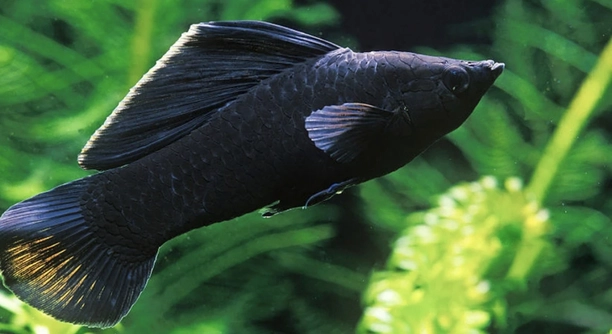
Have you ever noticed your black molly spending extra time near the glass, making you wonder if something in the tank feels a little different for your companion and needs a closer look from you?
A black molly remains near the glass primarily due to environmental stress, such as poor water quality, insufficient oxygen, or territorial pressure. This behavior reflects an adaptive response aimed at increasing survival, indicating that assessment of tank conditions is necessary.
Understanding this small habit can help you see how gentle changes may bring more comfort and balance to your aquarium.
Why Black Mollies Stay Near the Glass
When your black molly spends long periods near the glass, it often reflects how the tank conditions influence its comfort. Many fish rely on small cues to decide where they feel most secure, and the glass can seem like a safe area when something feels slightly off. Water quality, lighting, tank mates, and subtle shifts in temperature can all shape this behavior in ways that are easy to miss during a busy day. Paying attention to these moments helps you respond with simple adjustments that support healthier habits. As you observe these patterns, you may notice how your molly becomes more relaxed once the environment feels stable. Each small improvement you make helps reinforce a steady routine that your molly can rely on, creating a peaceful space that matches its needs. By keeping your care steady and gentle, you allow your molly to move confidently through the tank each day.
Small signs like quick pacing, hovering near a filter, or pausing close to the glass help you recognize when your molly needs steadier conditions. These details guide you toward simple changes that improve stability and create a calmer space for your fish, allowing it to feel more settled in place.
Understanding why your black molly behaves this way helps you adjust your care without stress. When you learn how water movement, tank layout, and daily upkeep influence its comfort, you develop a clearer sense of what supports steady behavior. Soft lighting, regular water changes, and gentle filtration often make a noticeable difference in how confidently your molly swims. Keeping a simple routine helps maintain stability that reduces the need for your molly to hover near the glass. With time, these small efforts come together and create an environment that feels balanced, predictable, and supportive for your molly each new day.
Creating Better Conditions
When you focus on the small elements that shape your molly’s comfort, you begin to understand how simple adjustments improve stability. Clear water, gentle flow, and calm surroundings reduce stress and lessen the need for your molly to linger near the glass each day in a more secure tank setting.
Improving the tank environment begins with consistent habits that support your molly’s well being. Start by checking the water parameters on a regular schedule, since stable levels help reduce stress that often leads to glass hugging behavior. A reliable filter, gentle water flow, and a steady temperature help your molly feel secure as it moves around the tank. Adding a few plants or decorations can also give your molly calming areas to retreat when it wants a quiet moment. When you keep the surroundings simple and tidy, the entire tank becomes easier to manage and your molly responds with steadier patterns. Regular partial water changes prevent buildup that may cause discomfort, allowing the space to stay fresh. Lighting should remain soft and consistent since harsh brightness can make your molly uneasy. If tank mates are present, make sure they are peaceful species that do not crowd or overwhelm the space. As these elements come together, your molly gains confidence and no longer relies on staying near the glass to feel safe. With steady care, your tank becomes a comfortable environment that encourages natural movement and calm behavior that continues to support its needs in a gentle and balanced way daily.
Common Stress Factors
Water quality issues often influence how your molly behaves, making it stay near the glass when levels shift too far from normal. Stable conditions help it move comfortably through the tank and reduce habits linked to uneasiness that interrupt its natural swimming patterns each day.
Maintaining proper ammonia, nitrite, and nitrate levels supports steadier behavior and reduces the need for your molly to linger near the glass. Regular testing helps you notice small changes before they grow more stressful. Keeping the filter clean, avoiding overfeeding, and performing consistent water changes help stabilize the environment so your molly feels secure. When the water remains clear and balanced, your molly responds with slower pacing and calmer movement. Each careful adjustment encourages better comfort, and the tank becomes a calmer place for your molly. These steps prevent disruptions that make your molly rely on the glass for reassurance in tense conditions.
Lighting, noise, and tank placement also influence how safe your molly feels. Bright lighting or loud surroundings may push it toward the glass as it searches for stability. Soft lighting and a quiet room make a noticeable difference. A tank positioned in a peaceful area allows your molly to settle without constant stimulation. Reducing sudden movements or vibrations helps it relax and explore more freely. When you shape the surroundings with care, your molly adapts with smoother patterns and spends less time pressed against the glass. These simple adjustments keep the space predictable, lowering stress that interferes with comfortable swimming.
How Tank Mates Influence Behavior
Tank mates with bold personalities sometimes create tension that leads your molly to hover near the glass. Peaceful species reduce this discomfort and help your molly use the entire tank instead of relying on one spot when it tries to avoid unwanted attention from others.
Choosing tank mates that match your molly’s gentle nature helps avoid pressure that influences its behavior. Species that chase, nip, or crowd the tank increase tension and make your molly feel exposed. Providing enough space for each fish and adding plants or simple decorations offers escape points that reduce conflict. When you maintain a calm group dynamic, your molly gains confidence and moves with ease. Balanced numbers prevent territorial habits that disturb its calm. Careful observation helps you notice when certain fish disrupt its routine, giving you the chance to rearrange or rehome as needed. These thoughtful choices protect your molly’s comfort and support smoother daily patterns in the tank.
Environmental Adjustments That Help
A few simple changes can reduce the need for your molly to stay near the glass. Stable temperature, clean water, and soft lighting give it enough comfort to move around the tank without relying on one area for reassurance.
Adding gentle water flow and a few calm hiding spots helps your molly feel more secure. These additions reduce tension by creating a predictable space. With steadier surroundings, your molly gains confidence and begins to explore the tank with smoother movement and less hesitation each day.
Feeding Habits That Influence Behavior
Feeding routines shape how comfortable your molly feels in its environment. Offering small, consistent portions prevents leftover food from clouding the water and creating discomfort. When the water stays clear, your molly interacts with the tank more freely. A balanced diet also supports steadier movement. Overfeeding increases waste that disrupts the tank’s stability, which may cause your molly to return to the glass more often. Keeping meals simple, regular, and moderate helps your molly stay calm, making it easier for you to spot shifts in behavior linked to stress or environmental changes.
When Behavior Signals a Bigger Issue
Sometimes glass hugging reflects deeper stress linked to tank conditions or surrounding activity. Observing any sudden change helps you address problems quickly. When patterns continue or grow stronger, a closer look helps protect your molly’s comfort and supports steadier behavior.
Why does my black molly stay near the glass all the time?
Your black molly often stays near the glass due to stress from environmental factors. Water quality, tank temperature, or bright lighting can make your fish feel unsafe in the middle of the tank. Observing its routine helps identify small issues before they become bigger problems. Often, the glass feels like a boundary, giving it a sense of stability while it adjusts to subtle changes. Calm surroundings, regular water maintenance, and gentle lighting reduce this behavior, allowing your molly to explore freely without relying on the glass for reassurance.
Is my tank too small for my molly?
A tank that is too small can limit swimming space, making your molly hover near the glass more often. Black mollies need room to swim and explore without constant crowding from tank mates. A larger tank with clear boundaries and decorations provides security and movement options. Even minor increases in space can reduce stress, encouraging the molly to venture into different areas instead of sticking to one spot. Adding plants or hiding spaces helps create zones, letting your molly feel safe while gradually expanding its territory.
Could poor water quality cause this behavior?
Yes, poor water quality is a common reason mollies stay near the glass. High ammonia, nitrite, or nitrate levels create discomfort and stress. Overfeeding or inconsistent water changes make the problem worse. Testing water weekly and performing regular partial changes maintains stable conditions, giving your molly a healthier environment. Clean water supports normal swimming patterns and reduces the need for it to linger near the glass as a coping behavior. A steady routine prevents sudden spikes that may trigger anxiety and helps your molly adapt confidently to the tank.
Do tank mates affect this behavior?
Aggressive or overly active tank mates can push your molly toward the glass to escape interaction. Even minor chasing or nipping creates tension, leading to repeated glass-hugging behavior. Choosing calm, compatible species reduces this pressure. Sufficient space and hiding spots allow each fish to have its own area. With peaceful tank mates, your molly moves freely without relying on the glass, showing calmer patterns and smoother swimming behavior throughout the day. Monitoring interactions helps you adjust the environment to reduce stress and support balanced relationships in the tank.
Can lighting influence where my molly swims?
Yes, bright or inconsistent lighting can make mollies feel exposed, causing them to stick near the glass for comfort. Soft, steady lighting creates a sense of security. Positioning the tank in a quieter, stable room also reduces stress. Adjusting lights gradually prevents sudden changes, helping your molly adapt. Adding shaded areas or plants provides hiding spots, allowing natural movement without feeling trapped. Proper lighting, combined with calm surroundings, encourages exploration and reduces glass-hugging tendencies. Mollies respond quickly to subtle environmental adjustments when their surroundings remain predictable and gentle.
Is this behavior normal for all black mollies?
Some black mollies may naturally spend time near the glass, especially if they are shy or new to a tank. However, extended periods can indicate discomfort or environmental issues. Observing patterns over days helps distinguish normal behavior from stress responses. Small adjustments in water, tank mates, and lighting often balance this behavior. Understanding your molly’s habits allows you to respond effectively, helping it feel secure and confident in the tank. With steady care, even shy mollies gradually explore more of their environment.
What should I do if my molly continues to stay near the glass?
Focus on improving water quality, adding gentle hiding spots, and maintaining consistent lighting. Check tank mate behavior and reduce disturbances. Regular partial water changes, stable temperatures, and calm surroundings help your molly feel secure. Observe daily for any signs of illness, stress, or aggression from other fish. Gradually, these small changes encourage more natural swimming patterns. Creating a predictable environment allows your molly to move with confidence and reduces the need to rely on the glass as a safe zone.
Could illness cause my molly to stay near the glass?
Yes, illness can lead to unusual behavior, including lingering near the glass. Look for signs such as clamped fins, lack of appetite, or sluggish movement. Prompt diagnosis and treatment are important. Separating sick fish or consulting a veterinarian ensures recovery. A healthy molly is more likely to swim confidently, explore freely, and reduce reliance on the glass. Early attention prevents minor health issues from becoming more serious problems that disrupt normal behavior. Monitoring behavior and health together helps maintain a balanced, comfortable tank for all your fish.
How long does it take for a molly to stop hovering near the glass?
Time depends on the cause of stress or discomfort. If the issue is minor, such as water quality or lighting, improvement can appear in days. Behavioral adjustment may take longer if tank mates or territorial pressure are factors. Consistent care and gradual changes support faster adaptation. Regular observation ensures that the molly responds positively. Patience is key, as each fish adapts at its own pace. Tracking improvements daily helps you notice progress, giving confidence that your adjustments are effective and the molly is learning to explore beyond the glass.
Can diet affect this behavior?
Overfeeding or an inconsistent feeding schedule can make mollies linger near the glass, waiting for food or avoiding leftover waste in the water. Providing moderate, regular meals keeps water quality stable and supports normal activity levels. A balanced diet improves energy and comfort, encouraging the molly to explore different areas of the tank. Avoiding excess food prevents stress caused by poor water conditions. Proper feeding routines combined with steady care foster calmer, more confident swimming patterns and help reduce repeated glass-hugging behavior.
Are there decorations that help reduce this behavior?
Plants, rocks, and hiding spots give mollies safe spaces, reducing reliance on the glass. These decorations create zones for resting, exploring, and avoiding interaction with more active fish. Simple setups with a few secure areas provide comfort while keeping swimming space open. Regularly checking and adjusting decorations ensures they remain effective. Proper placement encourages natural movement and prevents overcrowding. With the right environment, mollies feel secure, less stressed, and more likely to swim freely without clinging to the glass as a safety measure.
Black mollies are sensitive to changes in their environment, and their behavior often reflects how comfortable they feel in the tank. Spending time near the glass is usually a response to stress, whether it comes from water quality, lighting, temperature, or interactions with other fish. Observing your molly carefully gives insight into its needs, and noticing small shifts in behavior can help you make adjustments before problems grow. Even minor improvements, like stabilizing water conditions or adding a few hiding spots, make a noticeable difference. The glass may serve as a sense of security when your molly feels uncertain, and reducing the need for it to rely on that boundary supports healthier swimming patterns and overall well-being. Understanding these behaviors helps you create an environment where your fish feels safer and more confident moving through the entire tank.
Maintaining consistent care is key to encouraging calm, natural behavior in black mollies. Regular water testing, partial water changes, and keeping temperature and lighting steady prevent stress caused by sudden fluctuations. Tank mates play an important role as well, and choosing compatible, peaceful species reduces tension that might otherwise drive your molly toward the glass. Providing gentle water flow, a few plants, and areas to hide supports a sense of safety, allowing your fish to explore without hesitation. Feeding routines also impact behavior, and moderate, predictable meals keep water clean while supporting steady energy levels. Each of these factors works together to create an environment that fosters confidence, reduces anxiety, and helps your molly feel at ease.
Consistency and patience go a long way when addressing glass-hugging behavior. Changes in the tank should be gradual, as mollies adapt more successfully to predictable routines and stable surroundings. By paying attention to your fish’s habits, you can identify stress signals early and respond with practical solutions, from environmental adjustments to monitoring health and behavior. Over time, these small efforts result in a calmer, more balanced tank where your molly can swim freely and confidently. The goal is not to force behavior but to provide the conditions that naturally encourage comfort and security. With careful observation, gentle care, and steady maintenance, your black molly can feel safe, explore fully, and display normal activity patterns that reflect a healthy, supportive environment.

Hello,
If you enjoy the content that we create, please consider saying a "Thank You!" by leaving a tip.
Every little bit helps us continue crafting quality advice that supports the health, happiness, and well-being of pets around the world, for pets of all shapes, sizes, and species.
We really appreciate the kindness and support that you show us!