
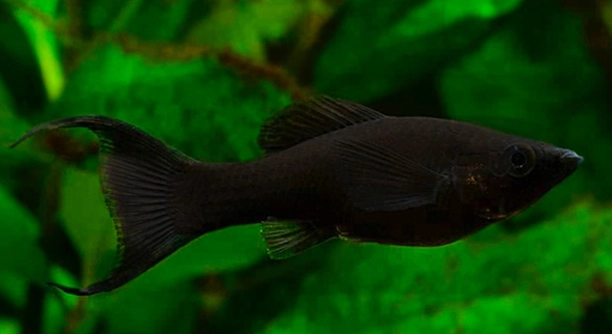
Black mollies are lively fish, but sometimes they spend most of the day hiding. Observing them in your tank may feel frustrating, especially when they seem shy or stressed. Understanding their behavior can help you create a better environment.
Black mollies often hide due to stress, poor water conditions, or lack of proper hiding spots. Ensuring stable water parameters, providing plants or decorations, and maintaining a consistent feeding schedule can reduce hiding behavior and encourage natural, healthy activity.
Learning why your mollies retreat can improve their well-being and make your aquarium a more enjoyable space for both you and your fish.
Common Reasons Black Mollies Hide
Black mollies often spend long hours hiding when their environment feels unsafe or uncomfortable. Sudden changes in water temperature or chemistry can stress them, making them seek shelter. Overcrowding or aggressive tank mates may also push them into hiding. Lack of plants, caves, or other decorations limits their ability to feel secure. Even noise or vibrations near the tank can make them retreat. Feeding habits can also affect their activity; if food is scarce or inconsistent, they may remain hidden to conserve energy. Observing their patterns carefully can help identify what triggers hiding. Black mollies naturally explore slowly, so not all hiding is problematic. However, consistent retreating often signals a need for attention. By adjusting water parameters, rearranging the tank, or adding cover, you can create a calmer environment. Gradual changes are better than sudden ones to prevent additional stress.
Stress in the tank usually resolves once their environment is stable and safe.
Monitoring tank conditions, behavior, and interactions can help reduce hiding and keep black mollies active and healthy for long-term care.
Improving Their Environment
Providing adequate hiding spots makes black mollies feel safer in their tank. Adding plants, rocks, or caves offers secure areas to retreat.
Maintaining stable water temperature and pH is essential for their comfort. Frequent changes or poor filtration can lead to stress and excessive hiding. Water quality directly influences their activity and appetite. A clean, well-oxygenated tank encourages exploration and reduces anxiety. Observing how mollies interact with each other helps identify aggressive behaviors or overcrowding. Adjusting decorations or rearranging the tank can give shy fish more confidence. Feeding them small, consistent meals helps them feel secure. Introducing new tank mates slowly reduces tension and promotes harmony. Avoid sudden disturbances, such as tapping the glass or loud noises, which can trigger hiding. By combining these steps, you create an environment where black mollies are more likely to swim openly, interact naturally, and show their full colors. Patience and observation are key to seeing steady improvements in their behavior.
Adjusting Tank Lighting
Too much bright light can make black mollies feel exposed and stressed, leading them to hide. Using dimmer lighting or providing shaded areas helps them feel more secure and encourages natural activity.
Adjusting the lighting schedule can improve their comfort. Black mollies prefer a balance between day and night cycles, mimicking natural conditions. Gradually increasing light intensity in the morning and lowering it in the evening allows them to adapt. Adding floating plants or decorations creates shaded areas where they can rest without feeling threatened. Proper lighting also supports plant growth and water quality, which indirectly benefits the fish. Observing their behavior during different lighting periods helps determine the ideal setup.
LED or aquarium lights with adjustable brightness give flexibility. Avoid sudden changes in light, as this can startle mollies. Maintaining a consistent schedule reduces stress and keeps them exploring the tank more frequently.
Feeding Habits and Diet
Black mollies may hide if food is inconsistent or insufficient. Providing small, frequent meals ensures they remain active and healthy.
A varied diet is essential for their overall well-being. Including flake food, frozen or live brine shrimp, and vegetable matter meets their nutritional needs. Overfeeding can lead to poor water quality, which increases stress and hiding behavior. Observing how each fish reacts to different foods helps identify preferences and ensures all receive adequate nutrition. Rotating food types also stimulates natural foraging behavior, reducing prolonged hiding. Feeding at consistent times creates a routine that mollies anticipate, increasing their confidence to explore the tank.
Some mollies may initially hide during feeding if they feel insecure. Offering food near their hiding spots encourages them to come out gradually, fostering more active and natural behavior over time.
Tank Mates Consideration
Aggressive or overly active tank mates can cause black mollies to hide frequently. Choosing peaceful companions helps reduce stress and encourages natural behavior.
Observing interactions between fish is essential. If mollies are constantly chased or intimidated, separating them or adjusting tank composition improves their comfort and activity levels.
Water Quality Maintenance
Regular water changes and monitoring ammonia, nitrite, and nitrate levels are critical for black mollies’ health. Poor water quality can stress fish, causing them to hide. Maintaining stable temperature, pH, and cleanliness ensures they remain active and display normal behavior consistently.
Encouraging Exploration
Adding new decorations or rearranging existing ones stimulates curiosity. Black mollies feel more confident exploring when the environment changes gradually, making hiding less frequent.
FAQ
Why does my black molly hide all day?
Black mollies hide primarily due to stress or discomfort. Changes in water temperature, poor water quality, overcrowding, or aggressive tank mates can make them feel unsafe. Providing plants, caves, and decorations gives them places to retreat, which reduces stress and encourages natural activity over time.
How do I know if hiding is a problem?
Occasional hiding is normal, but consistent retreating, loss of appetite, or faded coloration indicates a problem. Monitoring water parameters, observing tank dynamics, and checking for illness or aggression helps identify the underlying cause. Once corrected, mollies usually resume normal behavior.
Can lighting affect hiding behavior?
Yes, bright or inconsistent lighting can make black mollies feel exposed. Gradually adjusting light intensity, providing shaded areas, or using floating plants can help them feel secure. A stable day-night cycle mimics natural conditions, encouraging them to swim more freely.
Will tank mates influence hiding?
Aggressive or overly active fish can cause black mollies to retreat frequently. Peaceful companions reduce stress. Observing interactions allows you to separate incompatible fish or adjust tank composition, creating a more comfortable environment.
Does feeding routine matter?
Consistent feeding helps black mollies feel secure. Small, frequent meals prevent stress, while a varied diet of flake food, live or frozen shrimp, and vegetables ensures proper nutrition. Feeding near their hiding spots encourages shy fish to come out gradually.
How often should I clean the tank?
Regular maintenance is crucial. Weekly partial water changes, monitoring ammonia, nitrite, and nitrate levels, and keeping filters clean maintain water quality. Poor water conditions stress mollies, leading to hiding. Stable temperature and pH are equally important for their activity and health.
Can decorations reduce hiding?
Yes, adding plants, rocks, and caves provides secure areas for mollies to retreat. Rearranging decorations occasionally stimulates exploration and reduces prolonged hiding. Gradual environmental changes improve confidence and make fish feel more comfortable in the tank.
How long does it take for mollies to adjust?
Adjustment varies based on the individual fish and environment. Some mollies adapt in days, while others may take weeks. Consistent water quality, proper lighting, peaceful tank mates, and adequate hiding spaces speed up acclimation and reduce hiding behavior.
Is hiding linked to health issues?
Sometimes. Illness, parasites, or injury can cause black mollies to hide. Observing for unusual swimming, loss of appetite, or faded color helps identify health concerns. Prompt treatment and maintaining clean water conditions support recovery and normal activity.
What are common mistakes that increase hiding?
Sudden changes in water temperature, overfeeding, poor filtration, aggressive tank mates, or inadequate hiding spaces are frequent causes. Gradual changes, monitoring water quality, and creating a secure, stable environment help mollies feel confident and active.
Can molly behavior improve without medication?
Yes. Many hiding issues stem from environmental factors rather than illness. Adjusting water conditions, tank layout, lighting, and feeding routines usually reduces hiding. Only use medication if there are signs of disease confirmed by observation or testing.
Do black mollies hide more in certain seasons?
Seasonal temperature changes or lighting variations can influence activity. Keeping a stable indoor tank environment prevents unnecessary stress and excessive hiding, regardless of external weather or seasonal changes.
How can I encourage them to swim more?
Adding floating plants, rearranging decorations, and providing shaded areas encourages exploration. Feeding at consistent times and maintaining peaceful tank mates also motivates activity, reducing hiding and promoting natural behavior throughout the day.
What role does water temperature play?
Black mollies prefer stable temperatures around 75-80°F. Sudden drops or spikes can stress them, causing prolonged hiding. Using a reliable heater, monitoring the temperature, and avoiding drafts helps maintain consistent conditions for healthy behavior.
How important is pH stability?
Maintaining a stable pH between 7.0 and 8.0 is crucial. Fluctuations can cause stress and hiding. Regular testing and gradual adjustments, if needed, support comfort, activity, and overall well-being of black mollies.
Can I prevent hiding completely?
Complete elimination is unrealistic, as hiding is natural. However, creating a secure, clean, and well-structured environment minimizes excessive hiding and encourages regular exploration, feeding, and interaction within the tank.
How does tank size affect hiding?
Smaller tanks increase stress and hiding due to limited space. Providing adequate room, decorations, and hiding spots reduces retreating behavior. Properly sized tanks allow black mollies to swim freely while still feeling secure.
Is it normal for new mollies to hide a lot?
Yes. New fish often hide while acclimating to a new environment. Gradual introduction, stable water conditions, and hiding spaces help them adjust more quickly and start exploring the tank naturally.
Do black mollies prefer certain hiding spots?
They favor caves, dense plant areas, and shaded regions. Providing a variety of hiding spots ensures comfort and allows each fish to choose what feels safest, reducing stress and promoting natural behavior.
Can stress from other fish be permanent?
Prolonged aggression or harassment can cause long-term stress. Separating aggressive fish, adjusting tank layout, or providing additional hiding spaces helps mollies regain confidence and reduces chronic hiding behavior.
How do I track improvements?
Observe their activity, feeding behavior, and color over time. Less hiding, more swimming, and vibrant coloration indicate that environmental adjustments are working and mollies are becoming comfortable.
Will adding more mollies help shy fish?
Sometimes. Black mollies feel safer in groups, which can encourage shy individuals to explore. However, overcrowding can increase stress, so balance is important to maintain a harmonious tank.
How quickly should I see changes after adjustments?
Behavioral improvements may appear within days to a few weeks. Consistency in water quality, lighting, feeding, and tank layout is key. Gradual changes are more effective than sudden adjustments.
Are there signs that hiding is due to illness rather than stress?
Yes. Lethargy, faded colors, clamped fins, labored breathing, or unusual swimming patterns often indicate disease. Addressing health issues promptly prevents worsening behavior and promotes recovery alongside environmental improvements.
Can temperature fluctuations at night cause hiding?
Sudden nighttime drops may stress black mollies. Using a reliable heater and monitoring fluctuations ensures a stable environment, reducing nighttime hiding and keeping their behavior consistent.
How can I make hiding less frequent?
Combine stable water conditions, adequate hiding spots, peaceful tank mates, proper feeding, and gentle lighting adjustments. Observing fish behavior and making gradual improvements creates a secure, stimulating environment.
Is hiding more common in young or older mollies?
Both ages may hide, but younger mollies are often more cautious. Providing shelter and stable conditions helps juveniles gain confidence, while older fish may hide more due to past stress or health issues.
Does water hardness affect hiding?
Yes. Mollies prefer moderately hard water. Soft or fluctuating hardness can stress them. Regular testing and gradual adjustments ensure comfort, supporting natural behavior and reducing hiding tendencies.
How can I encourage timid mollies without forcing them?
Place food near hiding areas, add gradual environmental changes, and ensure gentle lighting. Avoid sudden disturbances, allowing fish to explore on their own timeline. Patience and consistency are key.
Can hiding affect feeding or growth?
Prolonged hiding can reduce food intake and slow growth. Ensuring access to hiding spots while feeding and maintaining water quality supports healthy growth and reduces stress-related inactivity.
What role do plants play in reducing hiding?
Plants provide cover and simulate a natural habitat. Dense or floating plants offer security, encourage exploration, and reduce anxiety, allowing black mollies to spend more time swimming openly rather than hiding.
Are there behavioral signs that hiding is improving?
Increased swimming, more active feeding, brighter colors, and exploration of open areas indicate mollies feel secure. Tracking these behaviors helps assess whether adjustments are effective.
Should I change the tank setup frequently?
Gradual changes can stimulate exploration, but frequent or sudden rearrangements may increase stress. Minor adjustments over time encourage confidence and reduce hiding without causing anxiety.
Does noise near the tank affect hiding?
Yes. Vibrations or loud sounds can trigger retreating. Placing the tank in a calm location with minimal disturbances reduces hiding and promotes normal, active behavior.
How do I balance hiding spots with open swimming areas?
Provide enough cover for security but leave open spaces for activity. A mix of dense plants, caves, and clear swimming areas encourages exploration while allowing safe retreat options.
Can seasonal changes in daylight affect hiding?
Black mollies are sensitive to light cycles. Mimicking consistent day-night periods with gradual transitions supports comfort, reducing hiding caused by abrupt daylight variations.
Are there long-term benefits to reducing hiding?
Yes. Active, confident mollies show better growth, brighter colors, and healthier behavior. Reducing stress through proper care supports longevity and enjoyment of your tank.
Is hiding linked to social hierarchy?
Occasionally. Dominant fish may intimidate others, causing some mollies to hide. Ensuring multiple hiding spots and observing social interactions helps maintain harmony in the tank.
How do I know when my mollies feel safe?
When they swim openly, feed consistently, explore decorations, and display vibrant colors, it indicates they feel secure. Reduced hiding is a reliable sign of comfort and well-being.
Can introducing new fish trigger hiding?
Yes. New additions can stress current mollies. Quarantining new fish, adding them gradually, and providing extra hiding spots minimizes retreating and helps everyone acclimate comfortably.
Are black mollies more prone to hiding than other species?
They are moderately shy compared to more outgoing fish. Environmental factors, tank mates, and care practices determine the extent of hiding, making proper management important for active behavior.
Does hiding ever indicate happiness?
Occasionally. Mollies may retreat to feel safe while resting or digesting. Short-term hiding in a secure spot can be normal, but prolonged hiding usually signals stress or discomfort.
Can tank size adjustments reduce hiding?
Yes. Providing adequate space, along with decorations and hiding spots, allows black mollies to swim freely while feeling secure. Overcrowding increases stress and hiding behavior.
How important is observation in reducing hiding?
Regular observation helps identify stressors, aggressive fish, or environmental issues. Adjusting conditions based on what you see ensures mollies feel comfortable and reduces prolonged hiding behavior.
Can hiding affect breeding behavior?
Yes. Excessive stress and lack of confidence may delay or prevent breeding. Providing secure hiding spots, stable conditions, and peaceful companions encourages natural reproductive behavior.
Are black mollies nocturnal hiders?
Not strictly. They may retreat at night or during periods of bright light, but most hiding is linked to stress, comfort, or environmental factors rather than natural nocturnal behavior.
Do water changes influence hiding?
Sudden or large water changes can stress mollies. Gradual, partial changes maintain water quality without causing unnecessary hiding, allowing fish to adjust comfortably to fresh water.
Is hiding behavior reversible?
Yes. With proper care, adjustments to environment, feeding, lighting, and social conditions, black mollies often reduce hiding and display more natural, active behavior over time.
Can hiding indicate poor nutrition?
Indirectly. If mollies are not eating enough due to stress or food access, they may hide. Ensuring a varied, consistent diet helps maintain health and encourages activity.
How do I track hiding improvement effectively?
Keep notes on swimming activity, feeding patterns, and color intensity. Comparing behavior over days or weeks shows whether environmental adjustments are successfully reducing hiding.
Are black mollies sensitive to vibration?
Yes. Tapping on the glass, moving furniture near the tank, or nearby machinery can cause retreating. Minimizing vibrations creates a calmer, more predictable environment for exploration.
Can adding more plants reduce stress?
Yes. Plants offer cover, shaded areas, and security, helping mollies feel safe. A well-planted tank reduces hiding and encourages confident, natural swimming behavior.
Do black mollies hide differently in groups?
In groups, timid individuals may follow others for security. Properly sized groups reduce individual stress and encourage exploration, though overcrowding can increase hiding if space is insufficient.
Can hiding affect lifespan?
Chronic stress from constant hiding can reduce health and resilience. Maintaining a stable, comfortable environment supports longevity, overall well-being, and active behavior.
How often should I monitor water parameters?
Weekly checks of ammonia, nitrite, nitrate, pH, and temperature are ideal. Frequent monitoring prevents conditions that lead to hiding and ensures long-term health of black mollies.
Are there signs hiding is improving naturally?
Yes. Increased swimming in open areas, confident feeding, and brighter coloration indicate mollies are adjusting, feeling safe, and reducing unnecessary hiding behavior.
Does tank decoration placement matter?
Yes. Strategic placement of plants, caves, and rocks provides security without overcrowding. Balanced layouts encourage exploration while offering reliable hiding spots for shy mollies.
How do I prevent relapse in hiding behavior?
Maintain consistent water quality, peaceful tank mates, secure decorations, regular feeding, and gentle lighting. Gradual changes and careful observation prevent stress that triggers hiding again.
Is hiding more common in newly purchased mollies?
Yes. New fish often hide while acclimating. Providing plants, caves, and stable water conditions helps them adjust and encourages exploration in their new environment.
Can molly personality affect hiding?
Individual temperament matters. Some mollies are naturally shy, while others are bolder. Creating a secure environment allows each fish to feel safe and reduces unnecessary hiding.
Does tank shape influence hiding?
Yes. Narrow or tall tanks may make some fish feel exposed. Wide, open swimming areas combined with decorations provide balance between security and exploration.
Are floating plants better than rooted plants for hiding?
Floating plants offer overhead cover and shaded areas, which help timid fish feel secure. Rooted plants provide dense cover at the bottom. A mix of both types creates a balanced environment that reduces hiding.
Can seasonal temperature changes indoors affect hiding?
Yes. Even indoor fluctuations due to heating or cooling systems can stress mollies. Monitoring temperature and keeping it stable reduces hiding caused by sudden shifts.
Do mollies hide more when breeding?
Females may hide more during or after mating, especially if males are persistent. Providing extra cover ensures they feel safe and reduces stress-related retreating.
Are black mollies more prone to hiding than other molly species?
They are moderately cautious compared to some other varieties. Environmental factors, tank mates, and care practices influence how often they hide, making proper management essential.
Can overfeeding lead to hiding?
Yes. Overfeeding reduces water quality and can create stress, causing black mollies to hide. Feeding moderate, controlled amounts supports health and encourages active behavior.
Does hiding indicate happiness or comfort?
Short-term hiding in secure areas can indicate comfort or resting. Prolonged or frequent hiding generally signals stress, poor water conditions, or social discomfort.
How do I encourage timid mollies to explore more?
Provide hiding spots near open areas, maintain consistent feeding, and ensure stable water parameters. Gradual adjustments and gentle observation help mollies gain confidence.
Can molly hiding behavior affect other fish?
Yes. Shy fish may influence tank dynamics, causing others to adjust their activity. Proper tank design, balanced groups, and adequate hiding spots ensure harmony and reduce stress for all fish.
Are there long-term strategies to prevent hiding?
Maintaining stable water quality, consistent feeding, adequate hiding spaces, peaceful companions, and gentle lighting promotes long-term comfort, reduces stress, and encourages active, confident behavior in black mollies.
Is hiding more common in certain tank locations?
Yes. Corners, near filters, or areas with poor water flow often attract hiding. Balancing tank layout ensures mollies feel secure without remaining isolated for long periods.
Do black mollies ever hide due to boredom?
Occasionally. Lack of stimulation can lead to inactivity. Adding decorations, plants, and varying feeding routines encourages exploration and reduces hiding caused by inactivity or boredom.
How important is gradual environmental change?
Gradual adjustments in water parameters, decorations, or lighting prevent stress and excessive hiding. Sudden changes can worsen behavior and reduce confidence in the tank.
Can hiding behavior return after improvement?
Yes. Stressors like new tank mates, poor water quality, or sudden changes can trigger hiding again. Consistent care and observation help maintain confident, active behavior.
Do black mollies hide more in planted tanks?
They may hide initially among plants, but over time, dense vegetation provides security and encourages exploration, reducing prolonged hiding behavior.
Is hiding linked to dominance in the tank?
Yes. Subordinate fish may retreat from dominant individuals. Providing multiple hiding spots ensures all fish feel safe and reduces stress-related hiding.
How do I know if hiding is temporary or chronic?
Temporary hiding occurs during acclimation or short-term stress. Chronic hiding persists despite stable conditions and may indicate environmental or health issues that need addressing.
Can hiding affect social behavior?
Yes. Excessive hiding reduces interaction with other fish, affecting natural schooling or group behavior. Improving comfort and security encourages normal social activity.
Is there a link between hiding and color intensity?
Yes. Stress from hiding can dull coloration. Reducing hiding through proper care often restores vibrant colors and overall health in black mollies.
Do black mollies hide more in groups or alone?
Groups can provide security, encouraging timid individuals to explore. Alone, they may feel exposed and retreat more frequently. Balance and adequate hiding spaces are important for both situations.
Can temperature control prevent hiding?
Stable temperatures reduce stress-induced hiding. Using reliable heaters, monitoring fluctuations, and avoiding drafts helps mollies remain active and comfortable.
How does water movement affect hiding?
Strong currents may stress mollies, causing retreating. Gentle flow and areas of calm water encourage exploration and reduce hiding behavior.
Are black mollies naturally shy?
They are moderately cautious. Proper care, tank setup, and stable conditions help them feel secure and reduce unnecessary hiding, allowing them to display natural behavior.
Does hiding behavior indicate intelligence or instinct?
Hiding is instinctive, providing safety and reducing risk. Understanding this natural behavior helps create an environment that balances security with opportunities for exploration.
Can tank rearrangement reduce hiding?
Yes, if done gradually. New decorations or rearranged hiding spots stimulate curiosity and exploration, helping mollies feel safe while encouraging activity.
Is hiding more common in certain lighting types?
Bright or harsh lighting can increase hiding. Using adjustable, soft lighting or shaded areas reduces stress and encourages confident swimming.
Do black mollies hide more when stressed by humans?
Frequent tapping or sudden movements near the tank can trigger retreating. Minimizing
Black mollies are naturally cautious fish, and occasional hiding is normal. Understanding the reasons behind prolonged hiding is important for ensuring their well-being. Many factors can influence their behavior, including water quality, tank setup, lighting, and interactions with other fish. When these factors are carefully managed, black mollies are more likely to feel secure and display natural activity. Providing a stable environment allows them to explore freely, swim confidently, and interact with tank mates without constant stress. Over time, even shy individuals may become more comfortable, reducing the amount of time they spend hidden. Observing your mollies regularly helps identify potential stressors before they become serious problems. This proactive approach ensures a healthier, more balanced tank environment for all inhabitants.
Water quality is one of the most critical aspects to monitor. Maintaining stable temperature, pH, and hardness levels prevents unnecessary stress, which is a common reason for prolonged hiding. Frequent partial water changes and proper filtration keep ammonia, nitrite, and nitrate levels in safe ranges. Poor water conditions not only affect behavior but also the overall health and lifespan of black mollies. Along with chemical stability, tank cleanliness is essential. Removing uneaten food and debris prevents toxins from building up and supports a more comfortable environment. Small adjustments, such as adding plants, decorations, or shaded areas, further enhance security and encourage fish to explore. Each mollie may have different preferences for hiding spots, so providing a variety of options is ideal. Gradual changes allow the fish to adapt without additional stress, promoting confidence and natural behavior.
Feeding routines, social dynamics, and lighting also play important roles in reducing hiding. Consistent feeding times and a varied diet help mollies feel secure and maintain healthy growth. Tank mates should be selected carefully to prevent aggressive interactions that can force shy fish into hiding. Lighting that mimics natural day-night cycles, along with shaded areas or floating plants, gives black mollies the ability to regulate their comfort. Patience is key, as changes in behavior may take days or weeks to become noticeable. Regular observation and adjustments based on what you see will encourage confident swimming, natural foraging, and overall well-being. Creating an environment that balances safety, stimulation, and comfort allows black mollies to thrive. When these elements are in place, hiding behavior decreases, and the fish show more active and healthy behavior. The goal is to provide a tank where black mollies can live comfortably, explore openly, and exhibit their full range of natural behaviors without stress or fear.

Hello,
If you enjoy the content that we create, please consider saying a "Thank You!" by leaving a tip.
Every little bit helps us continue crafting quality advice that supports the health, happiness, and well-being of pets around the world, for pets of all shapes, sizes, and species.
We really appreciate the kindness and support that you show us!