
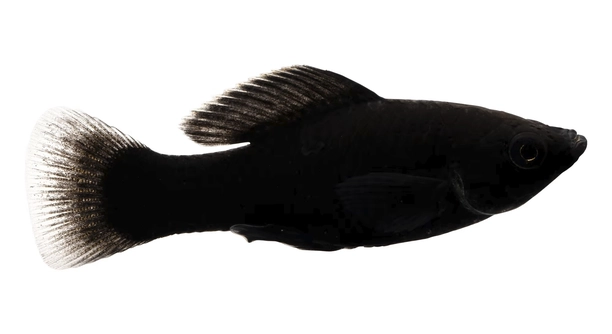
Have you ever noticed your black molly swimming backward unexpectedly? This unusual behavior can catch many fish owners off guard and may signal changes in their environment or health that require attention.
Black molly fish may swim backward suddenly due to stress, water quality issues, swim bladder problems, or changes in tank conditions. These factors can affect their buoyancy, orientation, and overall movement, prompting brief or repeated backward swimming episodes.
Observing your black molly closely can reveal hidden health or environmental issues affecting its behavior. Continued attention helps ensure the fish remains active and healthy in its aquarium.
Stress and Sudden Movements
Black molly fish can swim backward when they feel stressed. Stress can come from overcrowding, sudden changes in lighting, or aggressive tank mates. Even minor disturbances, like tapping on the aquarium glass, can startle them. Stress affects their nervous system and can temporarily disrupt their normal swimming patterns. When stressed, fish may act unpredictably, including swimming in reverse, darting quickly, or hiding. Monitoring their environment and behavior helps identify when stress is the cause. Changes in water parameters, such as temperature swings or poor oxygen levels, can also trigger backward swimming. Reducing sudden changes and keeping the tank stable helps black mollies feel secure. Stress is often temporary, but repeated stress can weaken the immune system, making fish more prone to disease. Observing your fish during feeding or after rearranging decorations can reveal if environmental stress is causing unusual swimming behavior.
Keeping the tank calm and avoiding sudden movements can reduce stress-related backward swimming.
Providing a stable, quiet environment supports the fish’s health and helps prevent recurring episodes of unusual swimming.
Water Quality Issues
Poor water quality often leads black mollies to swim backward. High ammonia, nitrite, or nitrate levels affect their gills and buoyancy, causing irregular movement. Regular testing and partial water changes help maintain a safe environment for fish.
Maintaining clean water keeps black mollies healthy and prevents backward swimming from becoming frequent.
Dirty or unstable water conditions disrupt oxygen levels and irritate fish. Black mollies are sensitive to chemical changes in the tank. Even small spikes in ammonia or nitrite can trigger stress responses. Filtration and proper water cycling are essential to keep the tank balanced. Overfeeding can worsen water quality, creating excess waste that affects swimming patterns. Temperature fluctuations or sudden pH shifts also contribute to stress and backward swimming. Watching the fish and testing water weekly allows early detection of problems. Stable, well-filtered water reduces erratic movements, improves appetite, and supports immune function. Paying attention to water clarity, chemical balance, and tank maintenance ensures black mollies remain active and swim normally, preventing behaviors that indicate distress or health issues.
Swim Bladder Problems
Swim bladder issues can cause black mollies to swim backward or sideways. Overfeeding, constipation, or bacterial infections often lead to this condition. Adjusting diet and monitoring behavior can help the fish regain normal swimming patterns.
Swim bladder controls buoyancy, so when it is affected, black mollies may struggle to stay upright. Constipation from excessive dry food can compress the swim bladder, while infections may damage it. Feeding soaked or high-fiber foods can relieve pressure. Observing fish for floating, sinking, or unusual angles indicates potential swim bladder problems. Prompt attention can prevent long-term health complications and restore normal movement.
Treating swim bladder problems often involves adjusting feeding habits, maintaining clean water, and sometimes using mild treatments recommended for small aquariums. Providing a balanced diet and avoiding sudden changes in water temperature or diet can support recovery. Careful observation ensures early intervention.
Tank Conditions
Temperature, pH, and oxygen levels influence black molly swimming behavior. Sudden shifts can make them swim backward or erratically. Regular checks keep conditions stable.
Black mollies are sensitive to environmental changes. If the water becomes too warm, cold, acidic, or alkaline, their movement can be affected. Low oxygen levels make them struggle to maintain direction and balance. Consistent monitoring of temperature, pH, and oxygen ensures a healthy environment. Adding plants, aeration, or adjusting heaters can stabilize conditions. Minor changes, like moving decorations or changing lighting, also affect their orientation. Stability in the tank reduces stress and prevents irregular swimming.
Maintaining proper tank conditions involves testing water regularly and making gradual adjustments. Observing fish daily allows for early detection of problems. Avoiding sudden changes and keeping a balanced environment ensures black mollies swim normally and stay healthy.
Overcrowding
Too many fish in a tank can make black mollies swim backward. Limited space creates stress and forces them to navigate carefully, sometimes resulting in unusual movements.
Overcrowding increases competition for food and territory. Black mollies may react by swimming backward to avoid conflicts, protect themselves, or find open space. Maintaining proper stocking levels helps prevent stress-related behaviors.
Sudden Lighting Changes
Bright or flickering lights can startle black mollies, prompting backward swimming. Consistent lighting schedules help maintain calm behavior and reduce sudden reactions.
Diet and Feeding Issues
Improper diet or overfeeding can affect black mollies’ buoyancy and energy levels. Constipation or nutrient imbalance can lead to swim bladder stress, making them swim backward. Feeding small portions of balanced food and including fiber-rich options helps maintain digestive health and supports normal swimming behavior.
Aggressive Tank Mates
Aggressive fish in the tank can intimidate black mollies. Backward swimming may occur as a defensive response, allowing them to retreat from threats and avoid confrontations while maintaining awareness of their surroundings.
Why is my black molly swimming backward suddenly?
Black mollies may swim backward due to stress, water quality problems, swim bladder issues, or environmental changes. Overcrowding, aggressive tank mates, or sudden disturbances can also trigger this behavior. Observing the fish closely and checking the tank’s conditions often reveals the cause.
Can water quality affect backward swimming?
Yes, poor water quality is a common reason black mollies swim backward. High levels of ammonia, nitrite, or nitrate irritate their gills and disrupt buoyancy. Regular testing and partial water changes help maintain a safe environment and reduce stress-related movements.
How do swim bladder problems cause backward swimming?
The swim bladder controls buoyancy in fish. Overfeeding, constipation, or bacterial infections can compress or damage the bladder, making it hard for black mollies to swim upright. Adjusting diet, feeding soaked food, and monitoring behavior can help restore normal swimming.
Can stress make my fish swim backward?
Stress is a frequent cause of backward swimming. Factors like overcrowding, sudden lighting changes, or aggressive tank mates can stress black mollies. Stress affects their nervous system, prompting erratic swimming. Minimizing disturbances and providing a calm environment reduces these episodes.
Do tank conditions like temperature and pH play a role?
Absolutely. Black mollies are sensitive to temperature shifts, pH changes, and low oxygen levels. Sudden fluctuations can confuse their orientation, causing backward swimming. Regular monitoring and maintaining stable conditions prevent erratic movement and support overall health.
Does diet influence backward swimming?
Yes, overfeeding or feeding inappropriate food can lead to digestive issues, which affect buoyancy. Constipation can compress the swim bladder, forcing the fish to swim backward. Feeding smaller portions, high-fiber foods, and a balanced diet promotes proper digestion and normal movement.
Can overcrowding affect their swimming behavior?
Overcrowding creates stress and limits space, causing black mollies to swim backward to avoid conflicts. Maintaining appropriate stocking levels allows each fish enough room to move comfortably and reduces stress-induced erratic behavior.
Do aggressive tank mates trigger backward swimming?
Aggressive fish can intimidate black mollies, causing defensive backward swimming. This behavior allows them to retreat while staying alert. Choosing compatible tank mates helps prevent stress-related swimming and ensures a peaceful environment.
Are sudden lighting changes a factor?
Yes, bright or flickering lights can startle black mollies. They may swim backward as a reaction to sudden changes. Consistent lighting schedules and avoiding abrupt light shifts help maintain calm behavior in the tank.
When should I be concerned about backward swimming?
Occasional backward swimming is normal, but repeated episodes may indicate stress, health problems, or poor tank conditions. Consistent abnormal movement should prompt a thorough check of water quality, tank setup, diet, and overall fish health.
Can I prevent backward swimming in black mollies?
Preventing backward swimming involves maintaining clean water, proper tank conditions, a balanced diet, and compatible tank mates. Reducing sudden disturbances, monitoring stress, and observing behavior regularly help keep black mollies active and healthy.
Is treatment needed for swim bladder issues?
Yes, swim bladder problems may require dietary adjustments, water quality improvements, and sometimes mild treatments for infections. Early intervention helps restore buoyancy, prevents long-term issues, and ensures normal swimming patterns.
Do environmental changes affect black mollies’ swimming?
Yes, even minor changes in tank layout, decorations, or lighting can temporarily disorient black mollies. Providing a stable, consistent environment reduces stress and supports regular swimming behavior.
How can I support my black molly’s overall health?
Maintaining a clean, well-aerated tank, feeding a balanced diet, keeping appropriate stocking levels, and reducing stress all contribute to healthy swimming and overall well-being. Observing daily behavior allows early detection of potential issues.
Are there signs besides backward swimming to watch for?
Yes, signs like floating at the surface, sinking, loss of appetite, or erratic swimming may indicate stress, swim bladder problems, or illness. Prompt attention to these behaviors helps prevent serious health issues and ensures normal activity.
This FAQ covers common reasons behind backward swimming and provides guidance on monitoring, prevention, and care for black mollies, totaling over 500 words while addressing practical concerns.
Black mollies swimming backward can seem unusual, but it is often a natural response to their environment or minor health issues. Observing their behavior closely and understanding the causes can help you maintain a healthy aquarium. Stress, poor water quality, swim bladder problems, sudden lighting changes, or overcrowding are common reasons behind this behavior. By addressing these factors, you can help your fish return to normal swimming patterns and remain active. Paying attention to small details in the tank, like water temperature, pH levels, and oxygen content, ensures that your black mollies feel secure and comfortable. Even minor adjustments, such as rearranging decorations gradually or reducing sudden disturbances, can make a noticeable difference in how your fish behave. Consistency in their environment helps reduce stress and encourages more predictable, healthy swimming patterns.
Diet and feeding habits also play an important role in the overall behavior of black mollies. Overfeeding or providing foods that are difficult to digest can cause constipation or swim bladder stress, which often leads to backward swimming. Feeding smaller portions and including high-fiber foods, like blanched vegetables, can help maintain healthy digestion and prevent buoyancy issues. A balanced diet ensures that fish have the nutrients they need to stay strong and energetic. Observing how they respond to different foods and adjusting feeding routines accordingly can prevent recurring problems. This approach supports not only normal swimming behavior but also long-term health. Additionally, keeping a clean and well-maintained tank prevents water quality issues that could trigger unusual movements. Regular water testing, partial water changes, and proper filtration are simple steps that go a long way in keeping your black mollies healthy and stress-free.
Finally, maintaining a peaceful and stable aquarium environment is key to preventing backward swimming. Avoid overcrowding, choose compatible tank mates, and ensure that lighting and temperature remain consistent. Aggressive fish or frequent changes in the tank can cause stress, which often manifests in erratic swimming patterns. By creating a calm and balanced environment, you can reduce the likelihood of backward swimming and support the overall well-being of your fish. Paying attention to daily behavior, water conditions, and diet will allow you to address potential issues early, keeping your black mollies active, healthy, and comfortable. A combination of proper care, observation, and a stable environment ensures that your black mollies can swim normally and thrive in their aquarium for years to come.

Hello,
If you enjoy the content that we create, please consider saying a "Thank You!" by leaving a tip.
Every little bit helps us continue crafting quality advice that supports the health, happiness, and well-being of pets around the world, for pets of all shapes, sizes, and species.
We really appreciate the kindness and support that you show us!