
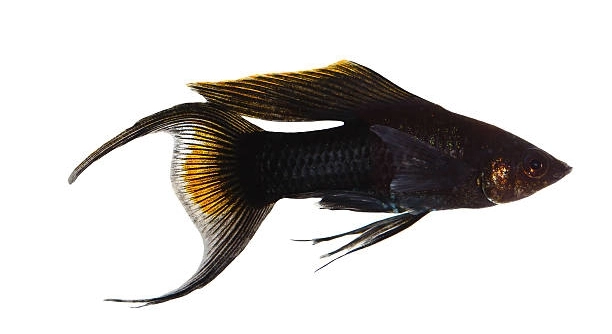
Black mollies are popular freshwater fish known for their striking black coloration and peaceful nature. They are easy to care for, but understanding their dietary needs is essential for keeping them healthy and active in your aquarium.
Black mollies should be fed small amounts two to three times daily, ensuring they consume all food within a few minutes. Overfeeding can lead to water quality issues, obesity, and digestive problems, so portion control is crucial.
Proper feeding habits support your black molly’s overall health, growth, and vibrant appearance in the aquarium environment. Maintaining a routine ensures their long-term well-being and happiness.
Understanding Black Molly Nutrition
Black mollies require a balanced diet to thrive, including protein, plant matter, and occasional live or frozen foods. High-quality flake or pellet foods designed for tropical fish provide essential nutrients. Supplementing with vegetables like spinach, zucchini, or peas helps maintain digestive health. Small portions fed consistently prevent overfeeding, which can cause water contamination and health problems. Feeding at regular times also helps mollies develop a predictable routine, reducing stress and aggression in the tank. Live or frozen foods such as brine shrimp, daphnia, or bloodworms can be offered once or twice a week to provide variety and support growth. Rotating foods keeps mollies interested and encourages natural foraging behavior. Avoid giving fatty or processed human foods, as these can harm their digestion and overall health. Observing your mollies during feeding helps ensure all fish receive enough nutrition without leftovers accumulating in the tank. Consistent feeding supports vibrant colors, active behavior, and long-term well-being for black mollies.
Monitoring portions is essential to prevent waste and water issues, keeping the tank healthy.
Even with a proper diet, it’s important to adjust feeding based on tank conditions. Young mollies may require more frequent meals, while adults thrive on smaller, measured portions. Tank size, water temperature, and the presence of other fish also influence dietary needs. Keeping a feeding schedule and noting how quickly food disappears ensures that each fish receives adequate nutrition. Overfeeding not only affects water quality but can lead to obesity and swim bladder problems. Rotating different types of food promotes better health and stimulates natural feeding behavior. Maintaining variety, while keeping portion sizes controlled, encourages optimal growth and color development. With attention to these details, your black mollies will remain active, healthy, and visually striking, enhancing the overall environment of your aquarium.
Signs of Overfeeding
Excess food in the tank can create cloudy water and promote algae growth.
Overfeeding can lead to bloating, sluggish behavior, and increased waste production. Observing your black mollies for these signs allows quick adjustments to feeding habits. Maintaining proper portions supports clean water and healthy fish.
If you notice leftover food accumulating at the bottom, reduce the amount offered at each feeding. Bloating and slow swimming indicate too much intake, requiring immediate portion control. Overfeeding can also stress your mollies’ digestive system, causing long-term health issues. Using feeding tongs or a small scoop helps measure food accurately, preventing excess. Adjust feeding frequency according to their appetite and activity levels. Removing uneaten food promptly keeps the tank environment clean and reduces the risk of harmful bacteria or ammonia buildup. Establishing a consistent feeding routine benefits both water quality and fish health. Observing behavior and tank conditions ensures your black mollies remain healthy, active, and free from diet-related problems. Proper care maintains their vibrant color and encourages natural swimming behavior, keeping the aquarium balanced and enjoyable to watch.
Best Feeding Practices
Feed black mollies small amounts that they can finish within two to three minutes. This prevents overfeeding and helps keep the water clean. Consistent timing each day supports healthy digestion and reduces stress in the tank.
Using a variety of foods ensures balanced nutrition. High-quality flakes or pellets should form the base of their diet. Supplement with blanched vegetables like peas, spinach, or zucchini a few times a week to aid digestion. Once or twice weekly, offer live or frozen foods such as brine shrimp or daphnia for protein and stimulation. Rotate the types of food to maintain interest and encourage natural foraging behavior. Always remove any uneaten food promptly to prevent decay and water contamination. Careful monitoring of portions and feeding frequency allows mollies to grow healthily and maintain vibrant coloration.
Observe your mollies during feeding sessions to identify if all fish are eating properly. If some fish are slower or less active, adjust portions to ensure everyone gets enough food. Avoid feeding more than they can consume within a few minutes. Overfeeding not only risks water quality but can cause obesity, digestive issues, and reduced activity. Regular monitoring and consistent routines help maintain a healthy, stress-free environment, promoting long-term health and natural behavior in black mollies.
Feeding Frequency by Age
Young black mollies should be fed more often than adults, typically three to four times daily in small amounts. Adults usually do well with two to three feedings each day. Consistency is important for maintaining health.
Feeding frequency depends on growth stage and activity level. Fry and juvenile mollies require frequent, small meals to support rapid development. Adult fish are less demanding but still benefit from scheduled feedings. Keeping a predictable feeding schedule reduces stress and encourages natural behavior. Adjust frequency based on appetite, water temperature, and tank conditions. Observation is key to ensuring fish remain healthy and active. Meal sizes should be controlled to avoid leftover food, which can lead to poor water quality and health problems. Proper frequency and portioning maintain optimal growth and vitality.
Even with a consistent diet, environmental factors affect feeding needs. Warmer water increases metabolism, requiring slightly more food, while cooler temperatures slow digestion. Monitor tank conditions and fish behavior to fine-tune feeding schedules. Rotate food types to provide variety and prevent nutritional deficiencies. Measuring portions carefully ensures each fish gets adequate nutrition without excess. Avoid sudden changes in feeding patterns, as mollies are sensitive to inconsistencies. Maintaining a balanced approach supports healthy digestion, vibrant colors, and overall activity, keeping black mollies thriving in their aquatic environment.
Signs Your Black Molly Is Hungry
Active swimming near the surface often indicates hunger. They may also follow your movements or gather where food is usually offered. Consistent observation helps you recognize normal versus hungry behavior.
Rapid pecking at the tank decorations or substrate is another sign. They are naturally curious and may explore for food. Watching these cues ensures feeding amounts are adequate.
Adjusting Portions
If food remains after feeding, reduce the amount next time. Conversely, if fish finish quickly and appear eager, slightly increase portions. Proper adjustment prevents overfeeding and maintains water quality.
Feeding in Community Tanks
In a mixed-species tank, ensure black mollies receive enough food. Other fish may outcompete them, so place food in multiple spots. This ensures all mollies eat without stress and reduces aggression or territorial behavior during meals.
Avoiding Overfeeding
Overfeeding leads to cloudy water, increased waste, and obesity. Stick to small, measured portions and remove uneaten food promptly to maintain a healthy environment.
FAQ
How often should I feed my black molly?
Black mollies should be fed two to three times a day in small portions. Young or juvenile fish may need three to four feedings, while adults do well with two or three. Each feeding should last only a few minutes, ensuring they consume all the food without leftovers. Monitoring their behavior during feeding helps determine if adjustments are needed.
What is the best type of food for black mollies?
High-quality flake or pellet food designed for tropical fish should be the base of their diet. Supplementing with vegetables like peas, zucchini, or spinach supports digestion and provides essential nutrients. Once or twice weekly, offering live or frozen foods such as brine shrimp or daphnia ensures protein intake and stimulates natural foraging behavior. Rotating foods keeps mollies interested and prevents dietary deficiencies.
Can black mollies eat human food?
Black mollies should not be fed processed or fatty human foods. Bread, chips, or cooked meats can harm their digestion and cause health issues. Only provide foods formulated for fish or fresh vegetables prepared safely, such as blanched peas or zucchini. Sticking to appropriate foods maintains healthy growth and water quality in the tank.
What are the signs of overfeeding?
Leftover food settling at the bottom, cloudy water, and increased algae growth are common indicators. Overfed black mollies may also become bloated, swim sluggishly, or show reduced activity. Consistently monitoring feeding amounts and removing uneaten food promptly prevents these issues and maintains a clean, healthy tank environment.
How do I adjust feeding for multiple fish?
In a community tank, other fish may compete for food, leaving black mollies without enough to eat. Place food in multiple areas of the tank to ensure all mollies get their share. Observe how quickly food disappears and adjust portions or feeding spots to prevent aggression and ensure everyone receives adequate nutrition.
Should I feed black mollies on weekends or skip days?
Consistency is key. Avoid skipping days, as irregular feeding can stress the fish. Stick to a regular routine, even on weekends, adjusting the portion size if necessary. Young mollies need frequent meals, while adults can manage with two to three daily feedings. Maintaining a schedule supports digestion and predictable behavior.
How do water conditions affect feeding?
Water temperature and quality influence appetite. Warmer water increases metabolism, requiring slightly more food, while cooler temperatures slow digestion. Poor water conditions can reduce appetite and stress the fish. Regular monitoring of temperature, pH, and cleanliness ensures black mollies feed properly and remain healthy.
Can I feed black mollies too much protein?
Excess protein can lead to bloating, digestive issues, and ammonia buildup in the tank. Provide protein in moderation through live or frozen foods once or twice a week. The main diet should focus on flake or pellet food with added vegetables to maintain balanced nutrition.
How do I know if my black molly is eating enough?
Healthy black mollies are active, swim consistently, and show bright coloration. During feeding, all fish should eat within a few minutes. If some appear sluggish or miss meals, adjust portion sizes or placement of food. Monitoring behavior ensures each fish receives adequate nutrition.
What is the best way to remove uneaten food?
Use a small net or siphon to remove leftovers promptly. Avoid letting food sit for long periods, as it can decompose and affect water quality. Quick removal prevents algae growth, keeps the tank clean, and reduces the risk of digestive problems in black mollies.
Can feeding habits affect breeding?
Yes. Proper nutrition supports reproductive health. Well-fed black mollies are more likely to breed successfully. Maintain a balanced diet, avoid overfeeding, and provide protein occasionally to encourage spawning behavior. Consistency in feeding helps maintain healthy energy levels and overall vitality.
How can I rotate foods effectively?
Offer a mix of flakes, pellets, vegetables, and live or frozen foods throughout the week. Rotating food types prevents boredom, ensures balanced nutrition, and encourages natural foraging. Track which foods your mollies prefer and adjust portions accordingly, maintaining variety without overfeeding.
Is fasting ever necessary?
Occasional fasting, such as one day a week, can help prevent digestive issues and reduce the risk of overfeeding. Ensure the fasting period is short and infrequent. Observation of the fish’s overall health and behavior determines if occasional fasting is beneficial without causing stress.
What if my black molly refuses food?
Refusal can indicate stress, illness, or poor water quality. Check water parameters, ensure the tank is clean, and offer a variety of foods, including live or frozen options. Monitor closely and make gradual changes to feeding until appetite returns. Early detection helps prevent long-term health issues.
How do I handle feeding when away from home?
Automatic feeders can provide small, measured portions while you are away. Avoid overloading feeders, and ensure the device dispenses food that mollies can consume within a few minutes. Regular observation before and after trips ensures fish maintain proper nutrition and water quality.
Can overfeeding affect tank mates?
Yes. Excess food can increase waste and ammonia levels, impacting all fish in the tank. Aggressive or faster-eating species may dominate, leaving black mollies underfed. Adjust portions, monitor behavior, and remove uneaten food to maintain harmony and water quality.
What is the ideal portion size?
Feed only what mollies can consume within two to three minutes. Small pinches or measured scoops prevent overfeeding. Observing how quickly food disappears helps fine-tune portion sizes and ensures consistent nutrition without water contamination.
How do feeding times affect behavior?
Regular feeding times create predictable routines, reducing stress and promoting natural swimming patterns. Irregular feeding can cause anxiety or aggression. Keeping consistent schedules helps black mollies remain active, healthy, and visually vibrant.
Are frozen foods better than live foods?
Both provide benefits. Live foods stimulate natural hunting behavior, while frozen foods offer convenience and safety from parasites. Combining the two ensures variety, adequate protein, and enrichment, supporting overall health and vitality.
Can black mollies eat algae?
Yes, black mollies will graze on algae, which provides fiber and some nutrients. Supplement with vegetables and high-quality flake or pellet food to ensure complete nutrition. Algae grazing can also help maintain a cleaner tank.
How long can black mollies go without food?
Adult mollies can survive one to two days without food, but regular feeding is better for health and growth. Extended periods without feeding can stress the fish and reduce activity, so consistency is always preferred.
How do I know if my feeding routine is working?
Fish should appear active, healthy, and maintain vibrant colors. Water quality remains stable, and leftovers are minimal. If these conditions are met, your feeding routine is effective. Adjust as necessary based on growth, behavior, and tank conditions.
What common mistakes should I avoid?
Overfeeding, inconsistent schedules, and offering inappropriate foods are common mistakes. Monitor portions, maintain routine, and provide balanced nutrition. Remove uneaten food promptly and observe behavior to prevent health issues and maintain water quality.
How does tank size affect feeding?
Smaller tanks may require smaller, more frequent meals to prevent water contamination. Larger tanks allow slightly larger portions but still need careful monitoring. Adjust feeding amounts according to tank size and the number of fish present to maintain balance.
Can black mollies eat shrimp flakes?
Yes, shrimp flakes provide protein and support coloration, but should not replace a balanced diet. Use as a supplement alongside regular flake or pellet food and vegetables to maintain overall nutrition.
How do seasonal changes affect feeding?
Temperature fluctuations influence metabolism. Warmer months increase appetite, requiring slightly more food, while cooler months slow digestion. Monitor behavior and adjust portions to match seasonal needs, ensuring consistent nutrition and activity levels.
What if I notice sudden changes in appetite?
Sudden changes can indicate stress, illness, or water issues. Check water quality, tank temperature, and other environmental factors. Offer different foods and observe closely. Quick action helps prevent long-term health problems and maintains consistent feeding habits.
How do I make feeding more efficient?
Feed small, measured portions, use multiple feeding spots in community tanks, and remove uneaten food promptly. Consistency, variety, and monitoring behavior make feeding more effective and maintain a healthy, clean environment.
Can black mollies survive on flake food alone?
While flake food provides basic nutrition, supplementing with vegetables and occasional live or frozen food ensures a more complete diet. Variety supports digestive health, color, and activity, keeping mollies thriving in the aquarium.
How often should I clean the tank during feeding routines?
Remove uneaten food after each feeding and perform regular water changes weekly. Consistent maintenance prevents waste buildup, maintains water quality, and supports the health of black mollies, allowing them to feed and grow without issues.
Is it okay to feed black mollies at night?
Feeding at night is possible, but ensure it aligns with their natural activity patterns. Most black mollies are active during daylight, so feeding in the morning and afternoon is generally more effective for digestion and observation.
How do I prevent overeating during feeding?
Offer small portions that can be consumed in a few minutes. Observe their behavior and remove leftovers. Avoid sudden increases in food and maintain a predictable schedule to prevent overfeeding and related health problems.
Can feeding habits affect coloration?
Yes. A balanced diet with proper protein, vegetables, and occasional live or frozen food supports vibrant coloration. Poor feeding or lack of variety can dull colors and reduce overall vitality, making proper feeding essential for appearance.
What is the best way to introduce new foods?
Introduce new foods gradually, mixing with familiar options. Observe how mollies respond and adjust portion sizes. Gradual introduction prevents stress and ensures acceptance while maintaining a balanced diet.
How do I feed a single black molly versus a group?
Single mollies are easy to monitor and may require slightly less food. Groups need careful observation to ensure all fish eat adequately. Distribute food in multiple spots to reduce competition and ensure even intake.
Are there any foods to avoid completely?
Avoid processed human foods, fatty or sugary items, and raw meat. These can harm digestion and water quality. Stick to high-quality flakes, pellets, vegetables, and occasional live or frozen protein.
Can black mollies get constipated from feeding?
Yes. Feeding too much dry food or insufficient vegetables can cause constipation. Supplementing with peas or other fibrous vegetables and avoiding overfeeding helps prevent digestive problems and maintains normal activity.
How do I handle feeding during illness?
Offer easily digestible foods in smaller portions. Remove uneaten food promptly. Monitor closely and maintain water quality. Adjust feeding frequency and amount according to appetite, ensuring recovery without stress.
What is the role of fasting in preventing bloating?
Short fasting periods, such as one day per week, help prevent bloating and digestive issues. Avoid prolonged fasting. Observing fish behavior ensures fasting benefits digestion without causing stress.
How does aquarium lighting affect feeding?
Proper lighting encourages activity and feeding. Dim or inconsistent lighting may reduce appetite. Maintain a consistent light schedule to support natural behavior and feeding patterns.
Can feeding frequency impact growth rate?
Yes. Young mollies fed more frequently with balanced portions grow faster. Adults require fewer meals but still benefit from consistent feeding. Proper frequency ensures optimal growth and overall health.
How do I balance protein and plant-based foods?
Provide flake or pellet food as the base, supplement with vegetables, and offer live or frozen protein occasionally. Balanced meals prevent nutritional deficiencies and promote healthy digestion and activity.
Is it necessary to measure food each time?
Measuring helps prevent overfeeding and ensures consistent nutrition. Use small scoops or feeding tools to control portions. Observation over time helps fine-tune amounts for each tank and fish size.
How can I tell if my feeding schedule is too strict?
If fish appear stressed, overly aggressive during meals, or show reduced activity, the schedule may be too rigid. Adjust timing slightly while maintaining overall consistency to balance routine with natural behavior.
How do I feed black mollies in a newly established tank?
Wait until water parameters stabilize. Feed small portions to avoid polluting water. Monitor fish closely, ensuring they eat and remain healthy. Gradually increase feeding as the tank matures and fish adapt.
Can black mollies eat frozen vegetables?
Yes. Frozen vegetables like peas or zucchini should be thawed and blanched before feeding. They provide fiber and nutrients, supporting digestion and overall health.
Should I separate black mollies for feeding in some cases?
In aggressive or crowded tanks, temporarily separating slower or weaker mollies ensures they receive enough food. Use a divider or small container, then return them to the main tank after feeding.
How long does it take for black mollies to digest food?
Digestion usually takes a few hours, depending on water temperature and type of food. Protein-rich foods digest faster, while fibrous vegetables take longer. Avoid overfeeding during this time to prevent bloating and water contamination.
How do I prevent picky eating?
Offer a variety of foods and rotate regularly. Introduce new items gradually, mixing with familiar options. Observing preferences helps maintain balanced nutrition while keeping mollies interested in their meals.
What feeding frequency is best for breeding black mollies?
Increase feedings slightly and offer higher protein foods to support reproductive health. Small, frequent meals encourage energy, vitality, and successful spawning while maintaining balanced nutrition.
Can black mollies survive on live foods alone?
Relying solely on live foods can lead to nutritional imbalance. Combine live foods with flakes, pellets, and vegetables for complete nutrition, supporting growth, digestion, and color development.
What is the safest way to store fish food?
Keep flakes, pellets, and frozen foods in airtight containers or sealed packaging. Store in a cool, dry place for flakes and pellets, and freezer for frozen options. Proper storage prevents spoilage and maintains nutritional value.
How do I know if frozen foods are safe?
Check expiration dates and packaging integrity. Thaw thoroughly before feeding and rinse if necessary. Using trusted brands reduces the risk of parasites or contamination.
Can black mollies eat algae wafers?
Yes, algae wafers provide fiber and nutrients. Use sparingly and combine with other foods for a balanced diet. Overreliance can cause nutritional deficiencies.
How do I feed black mollies during illness or stress?
Offer easily digestible, small portions, removing leftovers promptly. Observe closely and maintain clean water. Reduce frequency if appetite decreases, gradually returning to normal as the fish recover.
How does tank population affect feeding amounts?
More fish require more food, but monitor portions carefully to prevent overfeeding. Uneaten food can harm water quality and fish health, so adjust amounts according to total biomass.
Can black mollies eat spirulina flakes?
Yes. Spirulina flakes support color enhancement and provide protein. Use alongside other flakes, pellets, and vegetables to maintain a balanced diet.
What happens if I feed too little?
Underfeeding can stunt growth, reduce energy, and cause color fading. Observe fish behavior and adjust portions to ensure each mollie receives adequate nutrition.
How do I balance feeding multiple types of fish in the same tank?
Feed species-specific foods separately or in multiple locations. Ensure slower or smaller fish get enough without leaving excess food for others. Monitor behavior and adjust portions to maintain health for all tank inhabitants.
Can black mollies eat lettuce?
Yes, but lettuce should be blanched and offered occasionally. It provides fiber but limited nutrients, so combine with flakes, pellets, or other vegetables for balanced nutrition.
Is it necessary to vary feeding times each day?
No. Consistency in timing helps reduce stress, supports digestion, and encourages predictable behavior. Minor variations are acceptable, but regular meals are best for overall health.
How long should a feeding session last?
Feed only enough food that mollies can consume in two to three minutes. Prolonged feeding can lead to leftover food, water issues, and digestive problems.
Can black mollies eat cucumber?
Yes, blanched cucumber provides fiber and hydration. Feed in small amounts alongside a balanced diet of flakes, pellets, and other vegetables.
What is the impact of overfeeding on water quality?
Excess food decomposes, increasing ammonia and nitrate levels. This harms fish health, promotes algae growth, and requires more frequent water changes to maintain a safe environment.
How do I know if my mollies are overfed?
Look for bloating, sluggish swimming, leftover food, and cloudy water. Adjust portions and feeding frequency to prevent health problems and maintain water quality.
Can feeding affect aggression?
Yes. Competition for food can increase aggression in crowded tanks. Spread food across multiple areas and ensure slow or smaller fish get access to prevent stress and territorial behavior.
Are live brine shrimp safe for daily feeding?
Offer live brine shrimp once or twice weekly. Daily feeding is unnecessary and can lead to overfeeding or nutritional imbalance. Use them as a supplement to a balanced diet.
How often should I rotate vegetable types?
Offer different vegetables two to three times weekly, rotating between peas, spinach, zucchini, and cucumber. Variety supports digestion, nutrition, and prevents boredom.
What is the ideal combination of flake, pellet, and vegetables?
Flakes or pellets should form the majority of the diet. Vegetables provide fiber and nutrients, while occasional live or frozen foods supply protein. Balanced proportions prevent deficiencies and support growth, color, and activity.
Can black mollies survive on pellets alone?
Pellets provide basic nutrition but should be supplemented with vegetables and occasional live or frozen foods for complete health, digestion, and color maintenance.
How do I prevent food from sinking too quickly?
Use floating flakes or small portions. Feed slowly and observe how mollies consume food. Adjust size and type to match their feeding behavior and prevent waste accumulation.
What role does feeding play in overall health?
Proper feeding supports digestion, growth, coloration, and activity. Balanced nutrition and consistent routines reduce stress, prevent disease, and promote longevity in black mollies.
How do I monitor feeding efficiency?
Observe consumption rates, leftover food, fish behavior, and water clarity. Efficient feeding means all fish eat without excess food remaining, maintaining a clean and healthy tank.
Can black mollies eat frozen bloodworms?
Yes, frozen bloodworms provide protein but should be offered occasionally as a supplement, not the main diet. Combine with flakes, pellets, and vegetables for balanced nutrition.
What is the best way to introduce frozen foods?
Thaw and rinse frozen foods before offering. Mix with regular diet initially to encourage acceptance. Monitor consumption and adjust portions as mollies adapt.
How do I know if my feeding routine is balanced?
Fish remain active, maintain vibrant colors, and water quality stays stable. Minimal leftover food indicates a well-balanced routine. Adjust portions or frequency if growth or behavior changes.
**Can black
Black mollies are lively and visually striking fish that thrive when given consistent care and proper nutrition. Feeding them appropriately is one of the most important aspects of maintaining their health. Small, measured portions offered two to three times daily for adults, or slightly more frequently for younger fish, help prevent overfeeding and maintain clean water. A balanced diet combining high-quality flakes or pellets with vegetables like peas, zucchini, and occasional live or frozen foods supports growth, digestion, and vibrant coloration. Observing their behavior during feeding ensures each fish receives enough nutrition without leaving uneaten food to decompose in the tank. Consistency in feeding schedules and portions helps black mollies develop predictable routines, reducing stress and encouraging natural activity in their environment.
Maintaining a proper feeding routine goes hand-in-hand with monitoring water quality and tank conditions. Overfeeding can lead to cloudy water, algae growth, and increased waste, which can compromise the health of the fish. Even minor adjustments, such as spreading food in multiple spots in a community tank or slightly reducing portions when leftovers remain, can make a significant difference in preventing water problems and maintaining a healthy environment. Likewise, seasonal changes or tank temperature fluctuations may influence appetite and digestion, requiring careful observation and minor adjustments to feeding frequency or portion size. Paying attention to these factors ensures that black mollies remain active, healthy, and display their characteristic bright coloration.
Feeding black mollies is not only about nutrition but also about supporting overall well-being and longevity. A varied diet that combines flakes, pellets, vegetables, and occasional live or frozen foods promotes proper growth and energy levels, while preventing common issues like constipation or bloating. Observing their behavior, appetite, and how quickly food is consumed allows you to fine-tune portions and feeding times for optimal results. Proper feeding, paired with regular water maintenance and attention to tank conditions, creates a stable environment where black mollies can thrive. Taking these steps ensures your fish remain healthy, active, and vibrant, allowing you to enjoy a balanced and visually pleasing aquarium for years to come.

Hello,
If you enjoy the content that we create, please consider saying a "Thank You!" by leaving a tip.
Every little bit helps us continue crafting quality advice that supports the health, happiness, and well-being of pets around the world, for pets of all shapes, sizes, and species.
We really appreciate the kindness and support that you show us!