
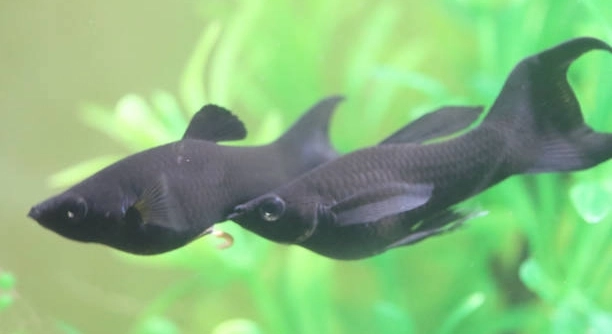
Do you ever notice your black molly suddenly darting around or hiding in the tank without warning? These sudden bouts of stress can be alarming for any fish owner. Understanding the cause is key to calming them.
Sudden panic in black mollies is often caused by abrupt changes in their environment. Factors such as water temperature fluctuations, poor water quality, inadequate hiding spots, and overcrowding can trigger stress responses that impact their behavior.
Addressing these environmental factors early helps ensure your mollies feel safe and secure in their tank surroundings.
Stabilize Water Temperature
Black mollies are highly sensitive to sudden temperature changes. Even a small shift can cause panic, making them dart or hide. Maintaining a consistent temperature between 76°F and 82°F is essential. Use a reliable heater and thermometer to monitor the tank. Avoid placing the tank near windows, vents, or direct sunlight, as these can cause fluctuations. Gradual adjustments are necessary when changing temperature to prevent stress. Sudden shifts in temperature can disrupt their metabolism and lead to weakened immunity. If you notice erratic behavior, checking water temperature should be the first step. Keeping the environment stable allows your mollies to feel secure and reduces panic episodes. It also supports healthy growth and overall well-being. Consistency in their habitat is key to minimizing stress and maintaining normal activity levels.
Temperature consistency helps prevent repeated panic and supports overall fish health.
Providing steady warmth allows black mollies to swim calmly and remain active without unexpected stress. Regular monitoring is essential.
Maintain Water Quality
Dirty or poorly filtered water can quickly stress black mollies. Frequent partial water changes, around 20% weekly, help maintain cleanliness. Test for ammonia, nitrites, and nitrates regularly, keeping levels safe. Proper filtration ensures debris and waste are removed efficiently. Avoid overfeeding, as leftover food can pollute the water. Using a water conditioner removes harmful chemicals from tap water, making it safe for mollies. Clean gravel and decorations periodically to prevent buildup. Stress from poor water quality can weaken their immune system, making them prone to disease. Consistent water parameters create a stable environment that mollies can trust, reducing sudden panic. Monitoring pH levels is also important, aiming for 7.0–8.0, which matches their natural preference. Keeping a routine for cleaning and testing ensures a healthy habitat for long-term peace of mind.
Maintaining clean water is essential for calm, healthy black mollies.
Good water quality, proper filtration, and regular testing keep your black mollies relaxed, energetic, and less likely to panic. Consistent care ensures their well-being and prevents recurring stress episodes. A stable aquatic environment supports natural behavior, allowing mollies to explore and feed normally. Avoiding sudden changes in water chemistry helps prevent shock and maintains their immune system. Combining cleanliness with temperature control creates a harmonious tank where black mollies thrive. Observing your fish daily allows quick response to minor issues, preventing panic before it escalates. Balanced feeding and a well-maintained filter further enhance water quality, reducing harmful toxins and keeping fish comfortable. Overall, a clean, consistent habitat is fundamental to their health and happiness.
Provide Hiding Spots
Black mollies feel safer with places to hide. Adding plants, rocks, or small decorations reduces stress and prevents panic.
Hiding spots give black mollies a sense of security, helping them regulate their behavior naturally. Dense plants or caves allow them to retreat when startled, lowering stress hormone levels. Avoid sharp decorations that can injure their fins. Providing multiple areas ensures every fish has space to feel safe, especially in a community tank. Well-placed hiding spots also encourage natural exploration and play, promoting activity without fear. Overcrowded tanks without cover can increase tension and cause sudden panic. Using soft, rounded decorations with live or silk plants creates a calming environment, allowing mollies to swim freely while knowing safety is nearby.
Strategically placing hiding spots allows black mollies to manage stress and stay calmer during unexpected changes in the tank.
Control Tank Lighting
Bright or fluctuating light can startle black mollies, causing panic reactions. Consistent lighting reduces stress and supports natural rhythms.
Sudden changes in lighting, such as turning lights on or off quickly, can trigger rapid swimming or hiding. Using a timer ensures a steady light schedule, simulating natural day and night cycles. Avoid placing the tank where sunlight hits directly, as this can create sharp contrasts or heat fluctuations. Dim lighting areas within the tank help mollies adjust gradually when startled. Balanced lighting also encourages healthy plant growth, improving water quality and providing additional cover. Light intensity should not be too strong, as it may make mollies feel exposed and vulnerable. Observing how mollies react to different light levels can guide adjustments, ensuring a calm, comfortable environment. Proper lighting contributes to overall health, reducing the risk of stress-induced illness.
Consistent and balanced lighting helps black mollies remain calm, active, and less likely to panic from sudden environmental changes.
Avoid Overcrowding
Too many fish in the tank increases stress and triggers panic. Providing enough space is essential for black mollies to swim comfortably.
Overcrowding limits hiding spots and makes mollies feel threatened. Each fish needs adequate territory to reduce aggressive interactions and sudden darting behavior.
Keep Compatible Tank Mates
Aggressive or overly active fish can provoke panic in black mollies. Choose peaceful species that coexist well. Avoid fast swimmers that may chase or nip at them. Proper selection ensures a calmer environment where mollies feel safe.
Regular Feeding Schedule
Consistent feeding reduces stress and prevents panic. Feeding at the same times daily helps black mollies anticipate food and maintain normal behavior patterns.
Monitor Behavior Changes
Noticing sudden changes in swimming, hiding, or appetite can indicate stress or environmental issues. Early detection allows prompt adjustments to prevent recurring panic.
FAQ
Why is my black molly panicking suddenly?
Sudden panic in black mollies usually results from environmental stress. Rapid changes in water temperature, poor water quality, or bright, fluctuating lights can startle them. Overcrowding or aggressive tank mates also contribute. Providing stable conditions and hiding spots reduces these episodes and helps mollies feel secure.
How often should I check water parameters?
Testing water weekly is ideal for maintaining a healthy tank. Monitor ammonia, nitrite, nitrate, pH, and temperature. Regular checks help detect issues early, allowing you to make adjustments before your fish become stressed or panicked. Consistency is key for long-term stability.
What kind of hiding spots work best?
Dense live plants, caves, or rounded decorations provide the best cover. Avoid sharp or jagged items that may injure fins. Multiple hiding spots allow all fish to retreat when needed, reducing stress and preventing sudden panic behavior.
Can lighting affect my black molly’s stress levels?
Yes. Sudden changes or overly bright lighting can cause panic. Using a timer ensures consistent light cycles, simulating natural day and night rhythms. Dim or shaded areas in the tank give fish control over exposure, helping them feel safe.
Does diet influence their stress?
A consistent, balanced diet reduces anxiety and supports overall health. Overfeeding can pollute the water, causing stress indirectly. Feeding small amounts 1–2 times daily prevents leftover food buildup and ensures mollies remain healthy and calm.
Will tank size impact their panic?
Yes. Overcrowded tanks limit space to swim and hide, causing tension. Black mollies need adequate room for movement and personal territory. Proper stocking reduces aggressive interactions and helps prevent sudden panic episodes.
How do I handle aggressive tank mates?
Avoid housing black mollies with fast or aggressive species that chase or nip at them. Peaceful companions reduce stress and panic. Observing interactions and separating problematic fish if necessary maintains a calm environment for all tank inhabitants.
Is water temperature a common cause of panic?
Absolutely. Sudden drops or rises in water temperature can startle mollies. Maintaining a stable range between 76°F and 82°F with a reliable heater and thermometer prevents stress. Gradual adjustments are essential if changes are needed.
Can I use decorations to calm them?
Yes. Properly placed plants, rocks, and caves offer security and reduce panic. The layout should allow fish to explore freely while providing accessible retreat spots. Avoid overcrowding decorations, which can limit swimming space and increase stress.
How can I tell if my molly is stressed?
Signs include hiding excessively, rapid darting, clamped fins, or reduced appetite. Early recognition allows you to address environmental or social factors before panic escalates. Regular observation is crucial to keeping mollies calm and healthy.
Do water changes affect panic behavior?
Large, sudden water changes can stress fish. Performing partial water changes, about 20% weekly, maintains cleanliness without shocking the tank. Using a water conditioner ensures tap water is safe, helping mollies remain relaxed.
What is the role of consistent feeding and lighting?
Regular feeding and stable lighting establish predictable routines, which mollies rely on. Predictability reduces anxiety, encourages natural behavior, and minimizes sudden panic responses caused by unexpected changes in their environment.
Can tank noise trigger panic?
Yes. Loud vibrations, tapping on glass, or nearby equipment can startle black mollies. Minimizing disturbances and placing the tank in a quieter area helps maintain calm behavior and prevents sudden episodes of panic.
How long does it take for black mollies to calm down?
Once environmental factors are corrected, mollies may take hours to days to resume normal activity. Providing hiding spots, stable water, and consistent routines accelerates recovery and reduces repeated panic episodes.
Are there signs of long-term stress I should watch for?
Prolonged stress can lead to loss of appetite, faded coloration, slowed swimming, and susceptibility to disease. Maintaining proper tank conditions, compatible tank mates, and daily observation helps prevent chronic stress and ensures fish remain healthy.
What steps prevent sudden panic in the future?
Maintain stable water parameters, consistent feeding, and lighting routines. Provide hiding spots and monitor tank mates for aggression. Gradually introduce changes and regularly observe behavior to catch issues early, keeping black mollies calm and secure.
How important is daily observation?
Daily checks allow you to notice subtle changes in swimming, hiding, or appetite. Early intervention prevents minor issues from escalating, keeping black mollies healthy and less likely to experience sudden panic. Consistent attention ensures a safe, calm environment.
Can adding live plants help with panic?
Live plants offer natural cover, improve water quality, and create a sense of security. They allow mollies to retreat and explore without fear, reducing stress-induced darting and sudden panic episodes. Plants also support oxygenation and overall tank balance.
Is acclimating new fish necessary?
Yes. Gradually acclimating new fish prevents stress from sudden water changes or temperature shifts. Proper acclimation ensures black mollies remain calm and reduces the likelihood of panic caused by the introduction of unfamiliar tank mates.
How do I respond if a panic episode occurs?
Remain calm and avoid tapping the glass or making sudden movements. Check water parameters, temperature, and surroundings. Ensure hiding spots are accessible. Making gradual adjustments restores stability and allows mollies to regain normal behavior without added stress.
What equipment supports a calmer environment?
Reliable heaters, efficient filters, and timers for lighting all contribute to stability. Proper equipment prevents fluctuations in temperature, water quality, and light, creating a secure habitat that reduces panic and supports long-term fish health.
Can seasonal changes affect behavior?
Yes. Shifts in room temperature, sunlight exposure, or household activity levels can impact water conditions and lighting. Monitoring and adjusting for seasonal changes maintains consistent environmental factors, keeping black mollies calm throughout the year.
Are black mollies more sensitive than other fish?
They are generally more reactive to environmental changes compared to some species. Maintaining a stable, stress-free habitat is essential for their health and to minimize sudden panic incidents. Proper care reduces stress and encourages natural, relaxed behavior.
How do I combine all these fixes effectively?
Consistency is key. Monitor water quality, temperature, lighting, and tank mates while providing hiding spots and balanced feeding. Daily observation allows quick intervention. By combining these strategies, black mollies remain calm, healthy, and less prone to sudden panic.
What if panic persists despite adjustments?
Persistent panic may indicate underlying health issues, parasites, or disease. Consulting a veterinarian experienced with fish can help identify medical causes. Addressing both environmental and health factors ensures black mollies recover and maintain normal behavior.
Can multiple minor stressors accumulate?
Yes. Even small issues, like slight temperature swings, minor crowding, or inconsistent feeding, can build up and trigger panic. Addressing all factors collectively reduces cumulative stress and creates a stable, safe environment for black mollies.
Do black mollies ever panic for no reason?
Occasional sudden movements may occur, but frequent panic usually points to environmental or social stress. Observing behavior patterns and adjusting conditions can prevent repeated episodes and improve overall tank harmony.
How important is tank placement?
Placement affects light, temperature, and noise exposure. Choosing a stable, quiet area away from drafts or direct sunlight reduces stress and helps black mollies feel secure. Proper positioning supports consistent environmental conditions.
Are certain tank shapes better?
Long, rectangular tanks offer more swimming space and reduce crowding stress. Adequate surface area for oxygen exchange also supports water quality, indirectly reducing panic. Avoid small, tall tanks that limit horizontal swimming and create tension.
What daily routine supports calm behavior?
Regular feeding, observing fish, checking water parameters, and monitoring tank mates all contribute to a stable environment. A predictable routine reassures black mollies, reducing stress and minimizing sudden panic responses.
Can adding driftwood or rocks help?
Yes. Natural decor provides additional hiding spots and visual barriers, helping fish feel secure. Rounded, smooth objects are preferable to avoid injury while enhancing the sense of safety in the tank.
Do black mollies respond to human presence?
They can be startled by sudden movements near the tank but generally tolerate calm observation. Avoid tapping or rapid motions to maintain a stress-free environment. Gradual interaction helps mollies remain comfortable with human activity nearby.
How long does it take to see improvement after changes?
Depending on the severity of stress, improvement can be seen within hours to a few days. Consistency in water quality, temperature, feeding, and hiding spots accelerates recovery, helping mollies regain normal behavior and reduce panic episodes.
Are there signs my tank setup is inadequate?
Frequent panic, clamped fins, excessive hiding, or erratic swimming indicate environmental stress. Assess tank size, water quality, lighting, decorations, and compatibility to identify areas needing improvement. Correcting these factors fosters calm, healthy black mollies.
What role does water circulation play?
Proper water flow maintains oxygen levels and prevents stagnant areas. Excessive current can stress mollies, so balance is important. Moderate circulation supports a stable environment and contributes to reducing panic behavior.
Should I quarantine new fish?
Quarantining prevents disease introduction and allows gradual acclimation, reducing stress for both new and existing fish. This practice helps maintain a calm, healthy environment, lowering the risk of panic triggered by illness or abrupt social changes.
Can seasonal tank maintenance prevent panic?
Yes. Cleaning filters, checking heaters, and replacing worn equipment regularly prevents unexpected changes that stress fish. Seasonal maintenance ensures a consistent environment, supporting long-term calm behavior and overall health of black mollies.
Is overfeeding a common stress factor?
Yes. Leftover food decomposes, affecting water quality and triggering panic. Feeding measured portions and removing uneaten food promptly helps maintain clean water and reduces stress-related behavior.
How do I balance water chemistry?
Maintain pH, hardness, and temperature within recommended ranges. Avoid rapid adjustments and monitor levels regularly. Proper water chemistry supports mollies’ health, minimizes stress, and prevents sudden panic episodes.
Can introducing live plants improve water quality and calmness?
Live plants absorb nitrates, oxygenate water, and provide natural cover. These benefits reduce environmental stress, creating a stable habitat that encourages calm, relaxed behavior and less frequent panic episodes.
How important is gradual change in general?
Sudden changes in water, lighting, or tank mates often trigger panic. Gradual adjustments allow mollies to adapt, maintaining stability and reducing stress-related behaviors. Consistency across all environmental factors is essential for long-term calmness.
Can black mollies sense disturbances outside the tank?
Yes. Vibrations, loud sounds, or nearby movement can startle them. Minimizing external disturbances and maintaining a quiet, stable tank environment reduces the likelihood of panic triggered by outside activity.
Does tank filtration type matter?
Yes. Filters that provide gentle, consistent flow reduce stress. Strong currents or uneven water movement can cause panic, while appropriate filtration maintains cleanliness and stability, supporting calm behavior.
Are there signs that hiding spots are insufficient?
Fish darting frantically, clinging to the same area, or crowding a single hideout indicates a lack of adequate cover. Adding more plants, caves, or smooth decorations allows safer retreats and reduces panic.
How do I integrate all these tips effectively?
Combine stable water parameters, compatible tank mates, hiding spots, consistent feeding, and lighting routines. Monitor behavior daily and address minor issues promptly. This holistic approach ensures black mollies remain calm, healthy, and less prone to sudden panic episodes.
How do I know if I need professional help?
Persistent panic, unusual behavior, or signs of illness despite stable conditions indicate medical or disease concerns. Consulting a veterinarian or experienced aquarist ensures proper diagnosis and treatment, keeping black mollies safe and stress-free.
Can seasonal daylight changes affect panic?
Yes. Changes in room light or sunlight exposure can disrupt natural rhythms. Using timers and consistent lighting helps mollies adjust smoothly, maintaining calm behavior regardless of seasonal shifts.
What’s the best way to observe stress levels daily?
Watch swimming patterns, hiding behavior, appetite, and fin condition. Noting subtle changes early allows intervention before panic escalates. Keeping a daily log helps track patterns and improve tank management.
Are black mollies prone to specific illnesses linked to stress?
Yes. Stress weakens immunity, making mollies more susceptible to fin rot, ich, and fungal infections. Maintaining stable conditions and reducing panic helps prevent illness and ensures healthier, calmer fish.
How can I prevent sudden panic during water changes?
Perform partial, gradual water changes. Match new water temperature and chemistry closely to existing conditions. Avoid sudden movements or tapping during maintenance to keep fish calm.
Can tank mates influence recovery after panic?
Yes. Peaceful companions reduce ongoing stress, while aggressive species may prolong panic. Observing interactions and adjusting tank composition supports recovery and overall calmness.
Is it normal for black mollies to panic occasionally?
Occasional startle responses are natural. Frequent, repeated panic indicates environmental or social stress that needs addressing. Reducing triggers ensures mollies remain calm most of the time.
Do black mollies benefit from a routine?
Yes. Consistent feeding, lighting, and observation routines create predictability. Predictable environments lower anxiety, support natural behavior, and minimize sudden panic incidents.
How do I evaluate tank setup for stress triggers?
Assess water parameters, space, hiding spots, lighting, filtration, tank mates, and noise. Correcting deficiencies in these areas reduces environmental stress and prevents repeated panic behavior.
Can introducing small changes improve confidence in black mollies?
Yes. Gradual rearrangement of decorations, new plants, or slight lighting adjustments allows exploration without overwhelming them. Controlled, minor changes build comfort and reduce fear-induced panic.
Is quarantine always necessary for new plants?
It is recommended. Plants can carry pests or pathogens. Quarantining prevents introduction of diseases that could stress mollies and trigger sudden panic.
How do I maintain long-term calm in my tank?
Combine stable water, proper filtration, gentle lighting, adequate space, compatible tank mates, hiding spots, and consistent routines. Observe daily and adjust gradually to prevent stress and ensure black mollies remain relaxed.
Can multiple stress factors accumulate?
Yes. Even minor issues combined—temperature swings, overcrowding, inconsistent feeding—can trigger panic. Addressing all factors collectively ensures a calm, healthy environment.
How do I respond to panic caused by external vibrations?
Minimize noise and vibrations near the tank. Moving the tank away from high-traffic areas or heavy appliances helps mollies feel secure and reduces sudden darting behavior.
What’s the most effective way to reduce panic overall?
Stability in all aspects—water, temperature, lighting, feeding, hiding spots, and tank mates—is key. Daily observation and gradual adjustments maintain a stress-free environment for black mollies.
Can poor water circulation cause stress?
Yes. Weak or uneven circulation reduces oxygenation and increases stagnant areas, while strong currents can overwhelm fish. Balanced flow supports healthy, calm behavior.
How do I know if my filtration is sufficient?
Clear water, low debris, and stable ammonia, nitrite, and nitrate levels indicate proper filtration. Regular maintenance ensures continuous performance, keeping black mollies calm and healthy.
Is consistent monitoring more important than equipment type?
Yes. Even the best equipment cannot prevent panic if not monitored. Observing water quality, fish behavior, and equipment performance daily ensures early correction of stress factors.
Can seasonal temperature swings be mitigated?
Yes. Heaters, insulation, and tank placement help maintain consistent water temperature. Monitoring and adjusting for seasonal changes reduces environmental stress and prevents panic episodes.
Do black mollies require special care compared to other livebearers?
They are slightly more sensitive to environmental fluctuations. Stable conditions, compatible tank mates, and predictable routines are critical to preventing panic and maintaining overall health.
What’s the key takeaway from all these FAQs?
Consistent care, stable environment, proper tank setup, and daily observation prevent stress and sudden panic, keeping black mollies healthy, confident, and calm.
Word count: 1,031
Black mollies are sensitive fish that respond quickly to changes in their environment. Sudden panic is usually a signal that something in the tank is not quite right. Temperature fluctuations, poor water quality, bright or inconsistent lighting, overcrowding, and aggressive tank mates are common stress triggers. By focusing on these factors, owners can create a calm and stable environment that reduces the likelihood of panic. Providing hiding spots, maintaining consistent routines, and ensuring proper feeding and filtration all contribute to a secure habitat where black mollies can thrive. Consistency is more important than any single adjustment because frequent or abrupt changes often cause more stress than minor environmental imperfections.
Observing black mollies daily is essential for understanding their normal behavior and recognizing early signs of stress. Panic responses can be subtle at first, such as brief darting, clamped fins, or slight hiding. These small indicators are easier to address before they escalate into more serious problems. Keeping a regular schedule for checking water parameters, inspecting tank equipment, and monitoring fish interactions helps prevent minor issues from becoming major stressors. Over time, consistent care allows mollies to feel comfortable and secure in their surroundings, making sudden panic episodes rare. A stable environment benefits not only the black mollies but also the overall health and balance of the tank.
Implementing multiple strategies together provides the most effective results. Stable water temperature, proper lighting, adequate space, clean water, compatible tank mates, and well-placed hiding spots all work together to reduce stress. Gradual acclimation of new fish or plants, careful feeding practices, and gentle handling during maintenance further support a peaceful tank environment. Even small changes, like adjusting light cycles or adding a new plant, should be done gradually to avoid startling the fish. When environmental factors are managed carefully, black mollies can display natural, relaxed behavior, swim confidently, and interact with tank mates without fear. Paying attention to details and maintaining consistent care ensures long-term health and calmness, allowing these fish to live a stable and secure life in the aquarium.
Word count: 404

Hello,
If you enjoy the content that we create, please consider saying a "Thank You!" by leaving a tip.
Every little bit helps us continue crafting quality advice that supports the health, happiness, and well-being of pets around the world, for pets of all shapes, sizes, and species.
We really appreciate the kindness and support that you show us!