
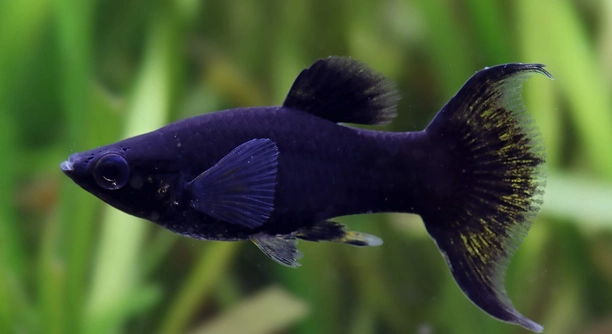
Do you ever notice your black molly fish spending most of their time at the water’s surface, almost as if they are avoiding the bottom? Many aquarists see this behavior and wonder what it might mean.
Black molly fish staying at the top is often linked to oxygen levels, water quality, temperature, or stress. Ensuring proper aeration, maintaining clean water, and monitoring tank conditions can help correct this common behavior effectively.
Knowing why they linger at the surface can improve their health and comfort in your aquarium. Simple adjustments can make a big difference for happy, active fish.
Low Oxygen Levels
Black molly fish rely heavily on dissolved oxygen in the water. When oxygen levels drop, they naturally swim near the surface where oxygen is more available. Low oxygen can occur due to overcrowding, lack of plants, or poor water circulation. Tank decorations that block water movement or a malfunctioning filter can also contribute. Observing your fish gasping at the surface is a strong sign that oxygen is insufficient. Adding an air stone, adjusting the filter flow, or including more live plants can help balance oxygen levels. Regular water testing with an oxygen meter is important. Even a healthy tank can develop low oxygen during hot weather, as warm water holds less oxygen. Black molly fish are sensitive to these changes, so small adjustments make a big difference. Maintaining proper oxygen levels keeps your fish active and prevents them from staying at the surface for long periods.
Proper aeration often resolves surface swimming in black molly fish quickly and improves overall tank health.
Monitoring oxygen levels involves regular testing, adjusting temperature, and ensuring water movement. Consistent care creates a stable environment, reducing stress and encouraging natural swimming behavior. Maintaining circulation and aeration supports healthy gill function and promotes balanced activity throughout the tank. Observing behavior while making these adjustments ensures your fish stay comfortable and active.
Water Quality Issues
Dirty or unbalanced water can make black molly fish stay at the top.
Poor water quality, including high ammonia, nitrite, or nitrate levels, stresses fish and forces them to seek cleaner water near the surface. Uneaten food, waste, and decaying plants contribute to these problems. Performing regular partial water changes helps maintain stable conditions. Testing kits for ammonia, nitrites, and nitrates allow you to track water health and catch issues early. Keeping the tank clean prevents sudden spikes in harmful chemicals that could harm your fish. Overfeeding is a common mistake that worsens water quality. Feeding smaller portions and removing leftover food can reduce waste buildup. Additionally, using a proper filtration system ensures debris and chemicals are filtered effectively. Introducing live plants can help absorb nitrates and improve oxygenation. Consistently maintaining water quality creates a healthier environment for black molly fish, encouraging them to swim throughout the tank rather than staying at the surface. Regular observation and maintenance prevent long-term health issues.
Overcrowding
Too many fish in one tank can stress black molly fish, making them stay near the surface. Overcrowding limits oxygen and increases waste, which impacts overall tank health. Reducing fish numbers or upgrading tank size helps restore balance.
Overcrowding creates competition for food, space, and oxygen, causing black molly fish to avoid lower areas. Crowded conditions increase stress, making fish more susceptible to disease. Fish may also show erratic swimming, clamped fins, or aggression toward tank mates. Spacing them properly reduces stress and allows each fish to access resources comfortably. Monitoring the number of fish and ensuring the tank size matches their needs keeps black molly fish healthy. Adjusting stocking levels improves water quality and reduces the risk of ammonia or nitrate spikes caused by excess waste.
When fish are overcrowded, it’s easy to notice behavioral changes. They may hover near the surface, gasp for air, or avoid certain areas entirely. Overcrowding impacts both adult fish and fry, slowing growth and weakening immune systems. Maintaining an appropriate stocking density ensures all fish have enough space, oxygen, and food. This reduces surface swimming and encourages a more natural, relaxed activity pattern in the tank. Observing behavior alongside water testing ensures overcrowding is addressed effectively.
Water Temperature
Black molly fish often swim at the top when water is too warm or too cold. Temperature affects metabolism and oxygen availability. Maintaining a steady, appropriate range prevents stress and promotes normal behavior.
Rapid temperature changes can shock black molly fish, forcing them to stay near the surface. Warm water holds less oxygen, while cold water slows metabolism, making them lethargic. Using a reliable heater and thermometer ensures stable temperatures. Sudden drafts or room temperature shifts can impact water too, so tank placement matters. Gradual adjustments prevent shock and encourage fish to explore all tank levels. Fish acclimation is important when introducing new water or making changes. Stability allows black molly fish to swim naturally without lingering at the top.
Proper water temperature supports healthy digestion, immune function, and activity in black molly fish. Extreme temperatures increase stress and susceptibility to illness. Maintaining 72–78°F for most mollies keeps them comfortable. Avoid placing tanks near windows, vents, or heaters that cause fluctuations. Regularly monitoring the temperature with a thermometer helps catch problems early. Adjusting water slowly when changes are necessary minimizes shock. Consistent temperature management ensures fish stay active throughout the tank and reduces prolonged surface swimming caused by stress or oxygen deprivation. Stable water temperature improves overall health and longevity.
Stress from Tank Mates
Aggressive or overly active tank mates can stress black molly fish, causing them to stay at the surface. Ensuring compatible species reduces tension and encourages calmer behavior.
Stress from constant chasing or nipping can make black molly fish avoid lower areas. Observing interactions helps identify problem fish.
Poor Diet
A diet lacking essential nutrients can weaken black molly fish, making them more likely to linger near the surface. Feeding a balanced mix of flakes, pellets, and occasional live or frozen food supports energy levels and overall health. Proper feeding routines prevent malnutrition and promote active swimming throughout the tank.
Disease or Parasites
Black molly fish showing abnormal surface swimming may be sick or infested. Monitoring for spots, fin damage, or unusual behavior helps detect illness early. Prompt treatment prevents the condition from worsening and protects other tank inhabitants.
FAQ
Why do black molly fish stay at the top of the tank?
Black molly fish often stay near the surface due to low oxygen, poor water quality, stress, or improper temperature. They instinctively seek areas with more oxygen and comfort. Regular testing, proper aeration, and consistent tank conditions help prevent this behavior. Observing the fish carefully can indicate which factor is affecting them.
Can poor water quality make black molly fish stay at the top?
Yes. High ammonia, nitrite, or nitrate levels can stress fish, making them avoid lower tank areas. Uneaten food, decaying plants, or inadequate filtration worsen water quality. Performing regular partial water changes, monitoring chemical levels, and cleaning the tank are essential steps to keep black molly fish healthy.
Does temperature affect their swimming behavior?
Absolutely. Black molly fish are sensitive to temperature changes. Water that is too warm reduces oxygen levels, while water that is too cold slows metabolism. Using a reliable heater, thermometer, and gradual adjustments ensures stable temperatures, allowing fish to swim normally throughout the tank.
Can overcrowding cause black molly fish to stay at the surface?
Yes, overcrowded tanks increase stress, limit space, and reduce oxygen availability. Fish compete for food and territory, which can cause them to stay at the top. Reducing the number of fish or upgrading to a larger tank helps restore balance and improves overall tank health.
Do aggressive tank mates influence their behavior?
They can. Aggressive or overly active fish can chase or nip at black molly fish, causing stress. Stressed fish tend to stay near the surface to avoid interactions. Observing tank dynamics and choosing compatible species reduces stress and encourages natural swimming behavior.
Can diet affect their tendency to stay at the top?
Yes. A poor or unbalanced diet weakens black molly fish, making them less energetic and more likely to linger near the surface. Feeding a variety of flakes, pellets, and occasional live or frozen food ensures proper nutrition and supports active swimming throughout the tank.
Are diseases or parasites responsible for surface swimming?
Sometimes. Black molly fish with spots, fin damage, or unusual swimming patterns may have infections or parasites. Surface swimming can be an early sign of illness. Promptly identifying and treating health issues prevents worsening and protects other fish in the tank.
How can I fix black molly fish staying at the top?
Focus on improving oxygen levels, water quality, temperature stability, and diet. Reduce overcrowding and remove aggressive tank mates. Regular observation and maintenance, along with timely treatment for any disease, help restore normal behavior. Simple, consistent care makes a big difference in overall fish health and activity.
How often should I check my tank conditions?
Weekly testing for ammonia, nitrites, nitrates, and temperature is recommended. Daily observation of fish behavior helps spot early signs of stress or illness. Maintaining a routine prevents problems from escalating and keeps black molly fish comfortable and active.
Can adding plants help?
Yes. Live plants improve oxygen levels, absorb nitrates, and create natural hiding spots, reducing stress. This encourages black molly fish to explore different tank levels and reduces the time they spend at the surface. Selecting appropriate plants that thrive in your tank conditions is important.
Will black molly fish eventually return to normal behavior on their own?
Sometimes they adjust, but often underlying issues like low oxygen, poor water quality, or stress persist. Taking corrective measures ensures they return to normal swimming behavior and remain healthy. Observing changes after adjustments helps track improvements and prevents recurring problems.
Is surface swimming always a sign of a serious problem?
Not always. Occasional surface swimming can be normal, especially during feeding. However, prolonged or frequent surface staying usually indicates stress, poor water quality, or health issues. Monitoring behavior alongside tank conditions helps determine if action is needed.
Can aeration alone fix the problem?
Aeration helps but is not always enough. While oxygen levels are crucial, other factors like temperature, diet, overcrowding, and disease also affect behavior. Addressing multiple aspects of tank care provides the best results and keeps black molly fish active and healthy.
Does tank size matter?
Yes. Small tanks can contribute to low oxygen, waste buildup, and overcrowding. Ensuring adequate tank size for your black molly fish reduces stress and encourages natural swimming patterns. A properly sized tank supports overall health and longevity.
How long does it take for black molly fish to stop staying at the top after fixing issues?
It depends on the severity of the problem. Some fish adjust within hours if oxygen or temperature is corrected. Others may take several days to recover from stress, illness, or poor water conditions. Consistent care and monitoring help speed up recovery.
Can I prevent this behavior entirely?
Yes, by maintaining stable water conditions, proper diet, compatible tank mates, and appropriate stocking levels. Regular monitoring and prompt action against stress or disease significantly reduce the chances of black molly fish staying at the surface. Consistency is key for long-term prevention.
Black molly fish staying at the top of the tank is a common behavior that can have several underlying causes. Many factors in the aquarium environment influence their swimming patterns, including oxygen levels, water quality, temperature, tank size, and diet. Observing their behavior carefully often provides clear clues about what may be wrong. Fish that linger at the surface frequently are usually responding to stress or discomfort, rather than simply preferring the top of the tank. Understanding why they exhibit this behavior is the first step toward ensuring they remain healthy and active. Simple adjustments in tank care, like adding aeration or monitoring water chemistry, can make a noticeable difference in their behavior and overall well-being.
Addressing these issues often requires a combination of strategies rather than a single solution. For example, improving oxygen levels through an air stone may help, but if the tank is overcrowded or water quality is poor, the fish may still stay at the surface. Regular water testing, partial water changes, and careful attention to temperature stability are all essential steps. Diet also plays a role in their energy levels and activity. Feeding a variety of foods in appropriate amounts ensures that black molly fish get the nutrients they need without contributing to waste buildup. Choosing compatible tank mates and maintaining a peaceful environment also reduces stress, which encourages them to swim more naturally throughout the tank. Consistency in maintenance is critical. Black molly fish thrive in stable conditions, and sudden changes in water parameters, temperature, or tank layout can create stress that encourages surface swimming.
Ultimately, maintaining a balanced and healthy environment benefits both the fish and the overall tank ecosystem. By monitoring water conditions, maintaining proper tank size, and providing a balanced diet, you can minimize the likelihood of black molly fish staying at the surface. Regular observation is equally important because it allows you to catch small problems before they escalate into serious health issues. Small, steady improvements often produce better results than drastic changes. Over time, these practices create a stable environment that encourages natural swimming behavior and supports long-term health. Black molly fish that feel comfortable in their habitat will spend time exploring all areas of the tank rather than lingering at the top. Keeping the tank clean, well-oxygenated, and stress-free ensures your fish remain active, healthy, and vibrant for years to come.

Hello,
If you enjoy the content that we create, please consider saying a "Thank You!" by leaving a tip.
Every little bit helps us continue crafting quality advice that supports the health, happiness, and well-being of pets around the world, for pets of all shapes, sizes, and species.
We really appreciate the kindness and support that you show us!