
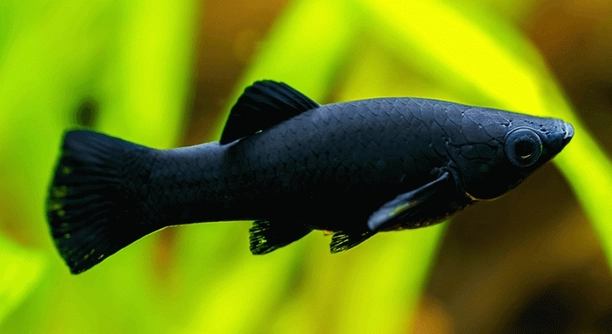
Black Mollies are a popular choice for home aquariums because of their striking color and lively nature. Many fish keepers enjoy watching them swim gracefully while maintaining a healthy tank environment. Proper temperature is key to their wellbeing.
Maintaining a stable tank temperature is essential for Black Mollies. Sudden fluctuations can cause stress, reduce immunity, and hinder growth. Using reliable heaters and thermometers helps create a consistent aquatic environment, promoting optimal health and longevity for these fish.
Managing water temperature correctly ensures your fish remain active and healthy. These tips will guide you in creating a stable environment for your Black Molly tank.
Understanding Ideal Temperature Ranges
Black Mollies thrive in water temperatures between 72°F and 78°F. Keeping the tank within this range supports their metabolism, immune system, and overall activity. Temperatures outside this range can lead to stress, slow growth, and susceptibility to diseases. Monitoring your tank’s temperature regularly ensures your fish remain healthy and active. Heaters and reliable thermometers are essential tools for maintaining consistency. Sudden changes in temperature, such as cold drafts or overheating from direct sunlight, can be harmful. Ensuring the tank is not placed near windows or vents reduces the risk of fluctuations. Regular checks help spot issues early, keeping the environment stable. Adjusting the heater gradually prevents shocks that may weaken the fish. Using a thermometer allows precise readings and helps maintain the correct temperature. Black Mollies adapt better when changes are slow and measured. Tank size and water volume also affect temperature stability, so larger tanks are usually easier to maintain consistently.
Maintaining a consistent temperature keeps Black Mollies healthy, reduces stress, and promotes vibrant behavior in your aquarium.
Temperature control involves monitoring heaters, placement, and external conditions to maintain a stable aquatic environment for long-term fish health.
Using Heaters and Thermometers Correctly
Reliable equipment ensures consistent water temperature. Using a good-quality heater suited for your tank size is important.
A heater maintains a steady temperature, while a thermometer provides accurate readings. Always place the thermometer away from the heater to avoid false measurements. Test it daily, and adjust gradually if needed. Some heaters come with built-in thermostats, but having a separate thermometer allows double-checking. Heaters with adjustable settings let you fine-tune temperature slowly, avoiding sudden spikes or drops. Submersible heaters work well for deeper tanks, while hang-on-back models suit smaller setups. Avoid cheap heaters that can fail unexpectedly, putting fish at risk. Thermometers should be positioned at mid-tank, where water circulates evenly. Digital thermometers offer precise readings and can alert you to changes immediately. Keeping backup equipment is wise in case of malfunctions. Maintaining this routine ensures Black Mollies experience minimal stress and better overall health. Regular maintenance and calibration of both devices are essential to avoid unnoticed temperature shifts.
Proper heater and thermometer use prevents fluctuations, helping Black Mollies thrive with consistent warmth.
Gradual Temperature Changes
Sudden changes in water temperature can stress Black Mollies and make them more prone to illness. Adjust temperatures slowly to allow your fish to acclimate safely.
When introducing new equipment or changing room temperature, move the heater in small increments. Avoid turning heaters off or on repeatedly. Even a shift of a few degrees in a short time can shock the fish. Gradual adjustments give their bodies time to adapt and maintain normal behavior. Observe your Mollies during changes to ensure they remain active and healthy. Using timers or controllers can help maintain a steady increase or decrease over several hours.
Acclimating new fish to your tank also requires gradual temperature adjustment. Float the bag in the tank for 15–20 minutes, then slowly mix tank water with the bag water. This reduces stress and helps Mollies adapt to their new environment without sudden shocks, promoting long-term health and stability.
Monitoring Room and Tank Conditions
Room temperature can influence the aquarium, especially in smaller tanks. Keep the environment stable to avoid fluctuations.
External factors like sunlight, air conditioning, and heaters can alter tank temperature quickly. Place the aquarium away from windows, vents, or direct sunlight to minimize swings. Covering part of the tank can reduce heat loss during cold nights. Regularly check both room and water temperatures to detect patterns of fluctuation. Using insulated tank materials or background panels can also help maintain stability. Even small temperature swings over the day can stress your Black Mollies. Maintaining a consistent room environment supports their natural behavior and feeding habits.
Monitoring both water and room conditions is critical for long-term stability. Small tanks are especially vulnerable to environmental changes, while larger tanks buffer fluctuations better. Track temperatures at different times of day, noting any trends caused by heating or cooling systems. Adjust your setup if sudden shifts occur regularly. Proper insulation, careful placement, and consistent observation prevent unnecessary stress, helping Black Mollies remain active, feed properly, and resist diseases. Consistent conditions also make maintenance easier and reduce unexpected equipment adjustments.
Avoid Drafts and Sudden Airflow
Drafts from windows or fans can quickly change tank temperature, stressing Black Mollies. Keep the aquarium away from direct airflow to maintain stability.
Even brief exposure to cold air can shock your fish. Position the tank carefully and use a cover when necessary to reduce temperature swings.
Regular Water Testing
Consistently testing water temperature ensures your Black Mollies remain in a safe range. Daily checks help identify early problems before they become serious. Using a reliable thermometer and recording readings keeps conditions stable and predictable for the fish.
Seasonal Adjustments
During seasonal changes, tanks may require slight temperature corrections. Adjust heaters gradually to match environmental shifts.
FAQ
How often should I check the temperature of my Black Molly tank?
Checking your tank temperature daily is ideal, especially in small tanks. Small fluctuations can happen quickly and affect your fish’s health. Recording the temperature at the same time each day helps track changes. This allows you to make adjustments before any serious issues arise. Using a reliable thermometer ensures accuracy, and having a backup thermometer can prevent surprises. Consistent observation also helps you notice unusual fish behavior linked to temperature stress, making daily checks an important routine for maintaining a stable environment.
What is the best type of heater for a Black Molly tank?
Submersible heaters are typically the most reliable for maintaining even water temperature. They distribute heat evenly throughout the tank, preventing hot or cold spots. Adjustable heaters with built-in thermostats allow precise control, which is important for avoiding sudden fluctuations. Hang-on-back heaters can work for smaller tanks, but they may not heat water as evenly. Always choose a heater rated slightly above your tank’s size to ensure it can maintain consistent warmth, even in cooler room conditions. Using a separate thermometer alongside the heater ensures accuracy and safety.
Can I use a digital thermometer instead of a regular glass one?
Yes, digital thermometers offer precise readings and are often easier to read. Some even include alarms for sudden temperature changes, giving you immediate alerts. While glass thermometers are accurate, they require careful reading and placement in the tank. Digital options can provide ongoing monitoring without disturbing the fish. Make sure the probe is positioned away from the heater to avoid false readings. Checking the calibration periodically ensures consistent accuracy. Using both a heater and thermometer together gives better control over the tank environment.
What should I do if the temperature drops suddenly?
If the tank temperature drops unexpectedly, raise it gradually using your heater. Sudden increases can shock Black Mollies, causing stress or illness. Avoid using external heat sources like lamps directly on the tank, as this can create uneven warming. Observe your fish for signs of stress such as lethargy or clamped fins. Ensure the heater is working properly and consider insulating the tank or adjusting its placement to prevent future drops. Gradual correction and careful observation are key to keeping fish healthy during unexpected temperature changes.
How do seasonal changes affect my tank temperature?
Seasonal changes can cause slow shifts in room temperature, which in turn affect your aquarium. In colder months, heaters may need small adjustments to maintain stability. During warmer months, excess heat can be countered by positioning the tank away from sunlight or using fans. Monitoring both the tank and the surrounding environment helps maintain consistent conditions. Gradual adjustments prevent stress, while consistent checks allow you to respond before changes harm your Black Mollies. Seasonal awareness is crucial for long-term fish health.
Is it safe to add new fish when the temperature fluctuates?
Introducing new fish during temperature fluctuations is risky. Sudden changes can increase stress for both new and existing fish, making them more susceptible to disease. Wait until the tank temperature is stable before adding new Black Mollies. Acclimate the new fish slowly by floating the transport bag in the tank and gradually mixing tank water over 15–20 minutes. Stable temperatures during introduction help reduce shock and improve the chances of a smooth transition for all fish in the aquarium.
Can small tanks maintain stable temperatures easily?
Smaller tanks are more prone to temperature swings because less water volume changes temperature quickly. Careful monitoring and reliable heaters are essential. Placing the tank away from drafts, windows, or vents reduces sudden changes. Using a thermometer daily ensures any shifts are detected early. Insulating the tank with covers or panels can also help. Although small tanks require more attention, consistent care can keep Black Mollies healthy and active, even with limited water volume.
What are the signs my Black Mollies are stressed from temperature issues?
Signs of stress include clamped fins, erratic swimming, loss of appetite, or hiding frequently. Sudden lethargy or unusual behavior may also indicate temperature problems. Observing your fish daily helps detect early warning signs. Adjusting heaters, checking thermometers, and stabilizing the environment quickly can prevent long-term health problems. Stress reduction through proper temperature control keeps your Black Mollies active, feeding well, and less prone to disease.
Are tank covers necessary for temperature control?
Covers help maintain stable water temperature by reducing heat loss and preventing drafts. They also reduce evaporation and keep fish from jumping out. For Black Mollies, a well-fitted cover supports consistent warmth and reduces stress caused by sudden temperature drops. Regular checks ensure the cover doesn’t block equipment or airflow needed for proper oxygen levels. Using a cover alongside a heater and thermometer creates a controlled environment that keeps your fish comfortable and healthy year-round.
How long can Black Mollies tolerate temperatures outside their ideal range?
Black Mollies can survive short periods outside the ideal 72°F–78°F range, but prolonged exposure can be harmful. Extended periods in cold or hot water can reduce immunity, slow growth, and increase disease risk. Immediate action to stabilize the tank is essential if temperatures stray. Monitoring and maintaining gradual changes prevent long-term stress. Ensuring a consistent, safe range supports healthy behavior, proper feeding, and longevity for Black Mollies in your aquarium.
Word count: 505
Final Thoughts
Maintaining the correct temperature in a Black Molly tank is one of the most important factors for keeping these fish healthy. Black Mollies are sensitive to sudden changes in water temperature, which can lead to stress, illness, and even death if not addressed properly. Consistent warmth helps them maintain normal metabolic functions, stay active, and develop properly. Using a reliable heater and thermometer ensures that the water remains in the recommended 72°F to 78°F range. Small adjustments over time are far better than rapid changes, as Mollies can adapt more easily to gradual shifts. Paying attention to temperature stability is not just about comfort—it directly impacts their lifespan and overall wellbeing.
It is equally important to consider the environment around the aquarium. External factors such as sunlight, drafts, air conditioning, and room heating can all affect tank temperature, sometimes without being noticed. Positioning the tank away from windows, vents, or areas with fluctuating temperatures reduces stress on the fish. Seasonal changes should also be considered, as cooler winters or hot summers can gradually affect water temperature. Monitoring the tank daily allows for early detection of temperature issues, preventing prolonged exposure to unsuitable conditions. Small tanks are particularly vulnerable to temperature swings due to lower water volume, so extra care is needed in those cases. Simple practices, such as using tank covers or insulating panels, can make a significant difference in maintaining consistent conditions.
Regular observation and maintenance routines make temperature management easier and more effective. Checking heaters and thermometers, monitoring fish behavior, and performing gradual adjustments help maintain a stable environment. Acclimating new fish slowly and ensuring they enter a stable tank reduces stress and supports healthy integration. Even minor fluctuations over time can accumulate stress for Black Mollies, so careful monitoring remains important. By staying attentive and consistent, you can provide a healthy and comfortable environment that allows your fish to thrive. Overall, understanding the role of temperature in a Black Molly tank and taking proactive measures ensures that your fish remain lively, healthy, and active, providing a long-lasting and enjoyable aquarium experience.
Word count: 404

Hello,
If you enjoy the content that we create, please consider saying a "Thank You!" by leaving a tip.
Every little bit helps us continue crafting quality advice that supports the health, happiness, and well-being of pets around the world, for pets of all shapes, sizes, and species.
We really appreciate the kindness and support that you show us!