
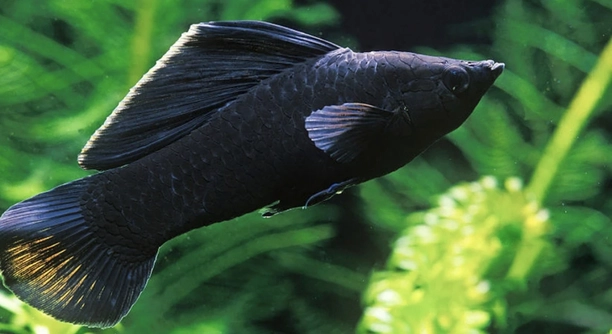
Keeping Black Molly fish can be a rewarding experience for any aquarium enthusiast. Their striking dark coloration adds elegance to a tank, and their peaceful nature makes them compatible with many other freshwater species.
Black Molly can survive in tall, narrow tanks, but limited horizontal swimming space can stress them over time. Adequate filtration, stable water conditions, and occasional tank rearrangements are essential to maintain their health and well-being.
Understanding the ideal environment for Black Mollies will help you make informed decisions and ensure your fish thrive in their aquatic home.
Tank Dimensions and Space Requirements
When setting up a tank for Black Molly, the height and width both matter. While tall tanks allow vertical swimming, narrow tanks limit horizontal movement, which these fish prefer. A tank at least 20 gallons wide helps them swim freely. Adding plants and decorations can provide hiding spaces, but they should not obstruct movement. Black Mollies are active swimmers, so cramped spaces may cause stress, reduce activity, and impact their overall health. Regular monitoring of water quality is essential, as small, narrow tanks can accumulate waste more quickly. Consistent water changes and a reliable filtration system help maintain stable conditions, which Black Mollies need to thrive. Observing their behavior in the tank can indicate whether they are comfortable or stressed, and minor adjustments like rearranging plants or reducing tank crowding can improve their environment. These simple steps make a noticeable difference in their well-being and longevity.
Tall, narrow tanks require careful monitoring to prevent stress and ensure the fish remain active and healthy.
Providing ample swimming space and adding strategic hiding spots allows Black Mollies to exhibit natural behaviors, improving their overall quality of life in the aquarium.
Water Conditions and Maintenance
Maintaining proper water conditions is critical for Black Mollies in any tank.
Black Mollies thrive in slightly alkaline water with stable temperatures between 75 and 82°F. Regular testing for pH, hardness, and ammonia levels is necessary, especially in narrow tanks where waste can build up faster.
Keeping water clean and stable involves routine water changes and a filtration system that supports biological, mechanical, and chemical filtration. Black Mollies are sensitive to sudden changes, so gradual adjustments are best. Feeding should be balanced, including flake foods, live or frozen options, and occasional vegetables. Overfeeding can pollute the water, creating stress and illness risks. Observing fish behavior daily helps catch potential problems early. Algae control and tank cleaning are also important, as overgrowth can reduce oxygen levels and limit swimming areas. By maintaining these conditions, even a tall, narrow tank can support a healthy, thriving community of Black Mollies for years.
Feeding and Nutrition
Black Mollies need a balanced diet to stay healthy. A mix of high-quality flakes, frozen foods, and occasional vegetables works best. Overfeeding can lead to water issues and health problems.
Feeding should occur once or twice daily, offering only what they can consume in a few minutes. Including plant matter, like blanched spinach or zucchini, helps meet their dietary needs. Protein-rich options, such as brine shrimp or daphnia, support growth and activity. Avoid leaving uneaten food in the tank, as it can decompose and affect water quality. Observing their eating habits ensures all fish are receiving adequate nutrition and allows you to adjust portions as needed.
Consistency in feeding routines helps Black Mollies maintain energy levels and reduces stress. They respond well to varied diets, which can enhance coloration and vitality. Careful portioning combined with regular monitoring of water conditions ensures they thrive in a tall, narrow tank environment.
Tank Mates and Compatibility
Black Mollies can coexist with other peaceful fish that share similar water requirements. Aggressive or overly active species may stress them.
When selecting tank mates, consider size, temperament, and swimming patterns. Avoid small fish that could be eaten or large fish that may bully them. Good companions include platies, guppies, and certain tetras. Planting the tank and adding hiding spaces reduce territorial disputes. Monitoring interactions is key, as even compatible fish may show temporary aggression during feeding or breeding periods. Proper tank stocking levels prevent overcrowding and maintain harmony.
Keeping a peaceful community supports Black Mollies’ natural behavior, allowing them to swim freely and interact without stress. Observation of their interactions helps ensure the environment remains balanced and suitable for all species. Strategically placed decorations and open swimming areas can prevent conflict while enriching the tank. Selecting appropriate companions and maintaining adequate space ensures a healthy, harmonious aquarium.
Breeding Considerations
Black Mollies can breed in tall, narrow tanks if conditions are right. Females give live birth, and fry need hiding spots to survive.
Providing plants or breeding mops helps fry avoid being eaten. Regular water changes and stable conditions support healthy reproduction and reduce stress for both adults and young.
Lighting and Plant Setup
Moderate lighting works best for Black Mollies. Strong lights can encourage algae growth, while dim lighting may reduce activity. Live plants provide shelter, improve water quality, and create natural swimming areas. A mix of tall and short plants balances aesthetics with functionality, allowing free movement.
Observing Health
Regular observation is essential. Watch for signs of stress, illness, or unusual behavior, and act promptly to maintain a healthy environment.
FAQ
Can Black Mollies live in tall, narrow tanks long-term?
Black Mollies can survive in tall, narrow tanks, but long-term health depends on adequate swimming space, clean water, and proper tank enrichment. Narrow tanks limit horizontal movement, which can stress the fish, so providing plants and open areas is essential. Observing their activity levels helps determine if adjustments are needed.
How often should I clean a narrow tank for Black Mollies?
Regular maintenance is critical. Weekly partial water changes of 20–30% help maintain water quality. Remove uneaten food and debris daily to prevent ammonia buildup. A reliable filtration system reduces waste accumulation, especially in smaller, narrow tanks where water conditions can deteriorate faster.
What is the ideal water temperature and pH?
Black Mollies prefer temperatures between 75 and 82°F and slightly alkaline water, around pH 7.5 to 8.0. Sudden fluctuations can stress them, so use a heater if needed and test water regularly. Consistent conditions reduce disease risk and support natural behavior.
Can I keep other fish with Black Mollies in a narrow tank?
Yes, but only peaceful species with similar water needs. Avoid aggressive or very active fish that may bully Mollies. Good companions include platies, guppies, and some tetras. Adding plants and open swimming areas prevents stress and reduces potential conflicts.
How often should I feed Black Mollies?
Feed once or twice daily, offering only what they can consume in a few minutes. A varied diet including flakes, frozen foods, and vegetables supports health. Avoid overfeeding, as leftover food can pollute the tank and harm water quality.
Do Black Mollies need live plants?
Live plants are not strictly necessary but highly recommended. They provide hiding spots, reduce stress, improve water quality, and create natural swimming areas. A combination of tall and short plants works best for narrow tanks.
How can I tell if my Black Mollies are stressed?
Signs of stress include lethargy, reduced appetite, hiding, or erratic swimming. In narrow tanks, lack of horizontal space may cause these behaviors. Regular observation and minor adjustments, such as rearranging decorations or increasing open areas, help reduce stress.
Can Black Mollies breed in a narrow tank?
Yes, they can breed if conditions are stable. Females give live birth, and fry need hiding spots to avoid being eaten. Adding plants or breeding mops supports survival. Regular water changes maintain a healthy environment for both adults and young.
How important is lighting for Black Mollies?
Moderate lighting is best. Strong lights can trigger excessive algae growth, while dim lighting may reduce activity. A balance of lighting and plant coverage ensures they can swim comfortably and maintain natural behaviors.
What should I do if a fish becomes sick?
Isolate sick fish if possible and treat according to symptoms. Maintain clean water and stable conditions to prevent disease spread. Early detection and prompt action improve recovery chances and protect the rest of the tank.
How do I prevent algae growth in a narrow tank?
Control lighting duration and intensity, avoid overfeeding, and perform regular water changes. Live plants compete with algae for nutrients, reducing growth. A balanced approach ensures both plants and fish thrive while keeping the tank clean.
Can I use decorations in a tall, narrow tank?
Yes, but avoid overcrowding. Decorations should provide hiding spots and visual interest without limiting swimming space. Proper placement maintains open areas, supports natural behavior, and reduces stress in a confined tank environment.
How do I monitor water quality effectively?
Use test kits to check pH, ammonia, nitrite, and nitrate levels regularly. Smaller tanks require more frequent monitoring, especially narrow ones where waste builds up quickly. Keeping records helps identify trends and maintain stable conditions for healthy fish.
Are Black Mollies sensitive to temperature changes?
Yes, they are sensitive. Rapid fluctuations can weaken their immune system, making them prone to disease. Using a heater and monitoring water temperature regularly ensures stability, particularly in smaller, narrow tanks where temperature swings occur faster.
How can I encourage natural behavior in a narrow tank?
Provide plants, open swimming areas, and occasional enrichment like floating leaves or slow water currents. Observing their behavior helps identify if adjustments are needed. Even a narrow tank can support healthy, active Black Mollies with careful planning and attention.
Keeping Black Mollies in tall, narrow tanks is possible, but it requires attention to detail and commitment to proper care. These fish are active swimmers, and they need enough space to move freely to stay healthy and stress-free. While a narrow tank may seem convenient, it can limit horizontal swimming, which is important for their natural behavior. Providing a balance of open swimming areas and hiding spots, such as plants or decorations, helps them feel secure while allowing activity. Regular observation of their behavior can indicate whether the tank environment is suitable or if adjustments are necessary. A well-maintained tank ensures that even in a narrow space, Black Mollies can live comfortably and display their characteristic energy and social behavior.
Water quality and consistency play a significant role in the well-being of Black Mollies. They thrive in slightly alkaline water with stable temperatures between 75 and 82°F. Sudden changes in temperature, pH, or water quality can stress them and make them more susceptible to disease. Narrow tanks tend to accumulate waste faster, so frequent monitoring, regular water changes, and a reliable filtration system are essential. Feeding practices also impact water conditions, so providing the right amount of food and removing leftovers promptly helps maintain balance. By carefully managing water quality, even a compact tank can support healthy and vibrant Black Mollies for years, allowing them to thrive in a controlled environment.
Compatibility and enrichment are equally important for long-term success in narrow tanks. Black Mollies coexist best with peaceful fish that share similar water requirements, such as guppies or platies. Overcrowding should be avoided to prevent stress and aggression. Adding live plants not only provides hiding spots but also improves water quality and creates natural boundaries that encourage positive social interactions. Lighting should be moderate to support plants while avoiding excessive algae growth, which can reduce swimming areas and water quality. Observing their interactions and behavior regularly helps identify any issues before they escalate. By considering space, water conditions, and environmental enrichment, keeping Black Mollies in tall, narrow tanks can be a rewarding experience, allowing these elegant fish to live healthy, active, and fulfilling lives.

Hello,
If you enjoy the content that we create, please consider saying a "Thank You!" by leaving a tip.
Every little bit helps us continue crafting quality advice that supports the health, happiness, and well-being of pets around the world, for pets of all shapes, sizes, and species.
We really appreciate the kindness and support that you show us!