
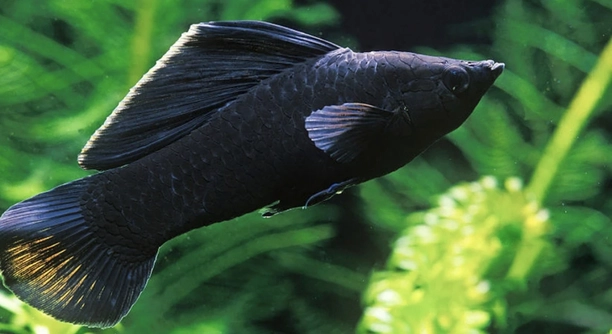
Have you ever noticed your black molly lingering in one spot for longer than usual, making you wonder what might be influencing its quiet behavior in the tank around your other fish friends in there.
Persistent corner standing in black mollies is most often linked to stress, water quality imbalances, or territorial pressure. These factors disrupt normal swimming patterns, prompting the fish to isolate itself as a protective response within its immediate aquatic environment today.
Exploring these factors can guide you toward understanding your mollys behavior more clearly while encouraging a calmer and healthier aquarium.
Common Reasons for Corner Behavior
Many black mollies settle in a corner when something in their environment feels off, and understanding these influences can help you respond with more confidence. Stress often develops from sudden changes in temperature, lighting, or tank layout, and sensitive fish can react quickly to these shifts. Poor water conditions can also lead to discomfort, especially when ammonia or nitrate levels begin to rise without warning. Territorial tension may appear in crowded aquariums or when a stronger fish pushes your molly away from shared swimming spaces. Illness is another factor, and a molly experiencing weakness or internal discomfort might choose a quiet corner for stability. Even simple household noise near the tank can influence behavior, especially in smaller rooms. When these factors come together, your molly may retreat to the same spot repeatedly. Paying attention to these patterns gives you early clues and keeps your fish safe through small, steady adjustments.
These influences become easier to recognize once you observe your mollys routine with patience. Small changes in movement, posture, or feeding responses often reveal what your fish needs, allowing you to respond with calm and steady adjustments that support a healthier and more comfortable environment for your molly each day.
Once you understand these patterns, you can start making gentle improvements that support better behavior. Begin by checking temperature, filtration, and lighting to ensure stability throughout the day. Give your molly enough room to move and provide hiding spots that reduce tension in shared spaces. Consistent water changes help keep conditions steady, and observing your molly can reveal subtle changes in appetite or comfort. If you notice lingering issues, testing the water offers guidance before making any adjustments. These steps work together to create a calmer setting that encourages your molly to swim confidently rather than linger in a corner.
How to Help Your Black Molly
Supporting your molly begins with clear, steady maintenance that keeps the tank balanced. Clean water, stable temperature, and calm surroundings help reduce tension quickly. When these elements stay consistent, your molly feels more secure and less inclined to retreat into a corner for long periods within its daily routine too.
Creating a supportive environment for your black molly starts with keeping the tank conditions steady. Regular water testing helps you catch small issues before they affect your fish, and routine partial water changes prevent waste from building up in the tank. Balanced filtration keeps the environment clean without producing strong currents that might overwhelm a sensitive molly. Adding live plants or decorations offers calming places to rest, which helps reduce tension between fish in shared spaces. It is also helpful to watch how tank mates interact, since crowded or aggressive setups can cause your molly to hide. Feeding a consistent, nutritious diet supports health and energy, making it easier for your molly to explore the tank. When you notice changes in swimming patterns, posture, or appetite, responding early keeps small problems from becoming harder to manage. A stable routine creates comfort, and your molly benefits from predictable lighting, quiet surroundings, and enough room to move freely. Taking time to observe these details strengthens your ability to keep your aquarium healthy, and it allows you to support your molly with steady care that encourages confident behavior rather than corner hiding.
Signs Your Molly May Be Stressed
Corner hiding often appears alongside subtle changes in posture or movement. A stressed molly might hold its fins closer to its body, show slower reactions during feeding, or avoid other fish entirely. These small shifts help you notice discomfort before it becomes a larger concern.
Behavioral signs usually develop gradually, and keeping an eye on these changes helps you respond with care. Rapid gill movement can signal that the water quality is irritating your molly, while unusual stillness may point toward rising tension in the tank. Some mollies also begin to hover near the surface or bottom when they feel unwell. Watching how your fish interacts with its surroundings gives you a simple way to understand what might be influencing its behavior. When these signs appear together, they often reflect a mix of stress and environmental imbalance that needs quick attention.
Physical signs can also appear when your molly is stressed. Pale coloration may develop when the fish struggles with poor water conditions or sudden changes in temperature. If your molly shows clamped fins, small white spots, or patches of unusual texture on the skin, it may be experiencing illness or irritation. Even slight weight changes can help you identify rising problems in the tank. Paying close attention to these visual cues helps you spot issues early, giving you time to make steady improvements before your molly feels overwhelmed.
Preventing Corner Hiding Long Term
Long term comfort depends on a stable environment that supports natural movement and reduces tension from tank mates. Consistent maintenance, gentle lighting, and balanced stocking give your molly space to feel secure. Small routine checks help you notice changes so you can adjust the environment before stress appears.
Supporting long term stability involves focusing on predictable care that keeps your tank running smoothly. Regular partial water changes reduce waste buildup, while reliable filtration helps maintain a clean and gentle flow. It is helpful to keep the temperature steady and avoid sudden shifts caused by open windows or heating systems. Giving your molly enough room and adding resting areas like plants or small caves can reduce pressure from other fish. Choosing peaceful tank mates prevents constant chasing that leads to hiding. A steady feeding routine with balanced food keeps your molly energized and comfortable. When you watch your fish daily, you gain a better sense of what feels normal, and this makes it easier to respond when small changes appear.
When Illness May Be the Cause
Illness can lead your molly to seek a quiet corner as it tries to stay steady while feeling unwell. Symptoms like clamped fins, faded color, or unusual floating patterns often appear early, giving you a chance to act before the condition becomes more serious.
Some illnesses progress quickly, so paying attention to daily behavior helps you respond in time. If your molly shows white patches, rapid breathing, or signs of external parasites, isolation and treatment can prevent the issue from spreading. Quick action supports recovery and keeps the rest of the tank safe.
Understanding Territorial Pressure
Territorial behavior can influence where your molly chooses to stay, especially in smaller tanks with dominant fish. When space feels limited, conflicts develop, and a softer tempered molly may retreat to the corner. Giving your aquarium more structure with plants or hiding spots reduces tension and encourages more balanced swimming patterns.
When Lighting Affects Behavior
Lighting that is too bright or inconsistent can overwhelm a sensitive molly. Soft, steady lighting helps create a calmer environment and encourages your fish to move more comfortably throughout the tank.
FAQ
Why is my black molly always in the corner?
Black mollies often retreat to corners due to stress, water quality issues, territorial pressure, or mild illness. This behavior is usually a protective response. Sensitive fish may prefer stable areas of the tank when they feel insecure, avoiding areas where currents, lighting, or other fish create tension.
Could poor water quality be causing this behavior?
Yes. High ammonia, nitrite, or nitrate levels can irritate your molly and make it seek a safe spot. Temperature fluctuations or insufficient oxygenation also contribute. Regular water testing and partial water changes are essential for maintaining a stable, healthy environment.
Can stress from other fish make my molly hide?
Absolutely. Dominant or aggressive tank mates can push a molly into corners. Overcrowding increases competition for space and food, making timid mollies retreat. Adding hiding spots or rearranging decorations can reduce tension and give all fish more territory to explore.
Is my molly sick if it stays in one corner?
It’s possible. Illnesses like parasites, fin rot, or internal infections can make mollies less active. Look for additional signs: faded color, clamped fins, unusual swimming patterns, or reduced appetite. Early observation helps prevent complications and keeps the rest of the tank safe.
Does lighting affect my black molly’s behavior?
Yes, lighting plays a significant role. Bright or inconsistent lighting can stress fish. Soft, steady lighting provides a calmer environment, encouraging your molly to swim more freely. Adjust light duration and intensity to match natural day-night cycles for better comfort.
Will rearranging the tank help my molly swim normally?
Rearranging plants, rocks, or decorations can break up territorial zones and reduce conflict. Providing hiding spots and open swimming areas allows mollies to explore safely. Gradual changes are best to avoid additional stress from sudden alterations.
Is temperature a factor in corner hiding?
Temperature is critical. Black mollies prefer stable, moderate temperatures. Sudden drops or rises can cause stress, prompting the fish to stay in one spot. Use a reliable heater and thermometer to maintain consistent warmth suited to tropical freshwater species.
How do I encourage my molly to leave the corner?
Start by ensuring water quality, temperature, and lighting are optimal. Add plants or structures for comfort and reduce aggressive tank mates if needed. Offer regular feeding in different tank areas to gradually draw your molly out of its corner. Observation and patience are key.
Can diet influence hiding behavior?
Yes. Poor nutrition or irregular feeding can weaken mollies, reducing energy and activity. Providing a balanced diet with high-quality flake, frozen, or live foods supports energy levels, helping mollies explore their tank rather than stay isolated.
Is corner hiding permanent?
Usually not. Most black mollies return to normal behavior once environmental issues, stress, or mild illness are addressed. Consistent tank care, gentle observation, and small adjustments help mollies feel secure, gradually reducing corner-hiding tendencies over time.
How long should I observe before taking action?
Observe your molly daily for subtle changes in swimming, color, or appetite. Minor hiding episodes may resolve quickly with stable conditions. If behavior persists beyond several days, investigate water quality, tank mates, and possible illness to prevent long-term stress.
Are corners harmful for black mollies?
Corners themselves aren’t harmful, but persistent corner hiding may indicate discomfort or stress. Early intervention with water testing, tank adjustments, and monitoring reduces risk and promotes healthier behavior. Encouraging exploration through environmental enrichment improves overall well-being.
Can frequent water changes reduce corner-hiding behavior?
Yes. Consistent partial water changes maintain stable chemistry, remove toxins, and reduce stress. Clean, well-oxygenated water makes the tank more comfortable, encouraging your molly to move freely and interact more with the environment.
Does tank size matter for corner hiding?
Tank size plays a role. Small or crowded tanks limit movement and increase territorial disputes, prompting mollies to retreat. Providing sufficient space for all fish to swim freely and adding hiding spots reduces corner-hiding behavior significantly.
What role do decorations play in this behavior?
Decorations create hiding spots and break up territories. Too few or too many can stress fish—either by limiting open swimming areas or crowding spaces. Properly balanced decorations help mollies feel safe without isolating themselves in corners.
How can I tell if my molly is adjusting to the tank?
Signs of adjustment include regular swimming, eating well, interacting with other fish calmly, and exploring different tank areas. Gradual improvement in color, fin posture, and activity level shows the molly is becoming comfortable and less likely to hide.
Is quarantine necessary if my molly hides a lot?
Quarantine may help if illness is suspected, especially for new fish or visible symptoms like spots or abnormal swimming. Isolating your molly allows treatment without risking other tank inhabitants and supports recovery in a controlled environment.
Are there behavioral differences in male and female mollies?
Yes. Males may display more territorial tendencies, while females might be more timid. Both genders can hide in corners if stressed, but knowing their natural tendencies helps you manage interactions and tank layout effectively.
How often should I monitor my molly’s behavior?
Daily observation is recommended. Noticing small changes early, like slower swimming, clamped fins, or unusual hiding, allows you to address potential issues before they become serious. A steady routine of checks ensures a healthier, more comfortable environment.
Does noise or activity outside the tank affect corner hiding?
Yes. Sudden movements, loud sounds, or high household activity can stress sensitive mollies. Placing the tank in a quieter area or reducing sudden disturbances helps mollies feel secure and encourages more natural movement.
Can adding more mollies reduce hiding behavior?
Adding tank mates only helps if the population is balanced and peaceful. Overcrowding increases stress. Carefully introducing compatible mollies in a well-structured tank can encourage social interaction without pushing timid fish into corners.
How do I balance hiding with natural behavior?
Mollies naturally explore, rest, and hide. Providing plants, caves, and open swimming areas balances safety and activity. Occasional corner hiding is normal, but extended or repeated hiding usually signals an environmental or health issue that should be addressed promptly.
What is the best way to document behavior for monitoring?
Keep a small journal noting activity, feeding, color, and interaction daily. Photos or short videos help track subtle changes over time. Consistent records make it easier to identify trends and take timely action for better fish health and comfort.
Can lighting schedules reduce hiding?
Consistent light-dark cycles support natural rhythms and reduce stress. Sudden changes or prolonged bright lighting can make mollies feel unsafe. Using timers or gradual lighting adjustments helps mollies remain active and minimizes corner-hiding tendencies.
Are there specific signs that indicate recovery from hiding behavior?
Improved swimming throughout the tank, brighter coloration, regular feeding, and calmer interactions with other fish all suggest recovery. Gradual reintroduction to open areas shows your molly is feeling comfortable, and continued observation ensures long-term well-being.
How do I know if stress is environmental or health-related?
Environmental stress usually improves with water quality, tank adjustments, and calm surroundings. Health-related stress shows additional signs like clamped fins, spots, unusual swimming, or loss of appetite. Careful observation helps distinguish causes and guides effective intervention.
Should I adjust feeding locations to reduce corner hiding?
Yes. Offering food in various areas encourages exploration and movement. Gradually shifting feeding spots helps your molly associate different parts of the tank with safety and nourishment, reducing prolonged corner hiding over time.
Can corners be made more comfortable without encouraging hiding?
Providing soft plants, smooth rocks, and moderate cover offers a safe retreat without creating a permanent hiding zone. Balance is key: enough shelter to reduce stress, but open areas to promote natural swimming and exploration.
Do black mollies need companions to feel secure?
They are social but need compatible tank mates. Peaceful companions can encourage movement and confidence, but overcrowding or aggressive fish increases stress. Observing interactions ensures your molly feels safe while remaining active.
How long does it take for a stressed molly to feel normal again?
Recovery depends on stress cause, water quality, and tank setup. Minor stress may resolve in a few days with stable conditions, while illness or environmental issues can take weeks. Consistent monitoring, gentle adjustments, and proper care support a gradual return to normal activity.
Are there signs hiding may be permanent?
Persistent hiding combined with illness, poor appetite, or weakened movement signals serious issues. Early intervention, proper tank care, and possible veterinary guidance prevent permanent stress and help mollies regain confidence over time.
Can water flow influence corner hiding?
Yes. Strong currents or uneven filtration can stress mollies, causing them to retreat to calmer areas. Adjusting flow and creating gentle zones improves comfort, encouraging swimming across the tank instead of staying isolated.
Does the type of substrate affect behavior?
Substrate that is rough or unstable may discourage movement. Smooth gravel or sand provides comfort for resting and swimming. Proper substrate enhances security and reduces hiding behavior, supporting overall tank harmony.
How can I tell if my molly is bored or stressed?
Stress often shows as clamped fins, color fading, or prolonged corner hiding. Boredom may involve repetitive swimming or chasing. Enrichment through plants, hiding spots, and gentle interaction supports mental stimulation while reducing unnecessary stress.
Should I seek professional advice for prolonged hiding?
Yes. If corner hiding persists despite stable conditions, professional guidance can identify subtle illnesses or environmental adjustments needed. A trained aquarium specialist or veterinarian can provide targeted solutions to improve your molly’s health and behavior.
Are black mollies sensitive to sudden changes?
Highly. Sudden changes in temperature, lighting, water chemistry, or tank layout can trigger corner hiding. Gradual adjustments help mollies adapt without unnecessary stress, maintaining a healthier, calmer environment for daily activity.
Does tank shape matter for hiding?
Rectangular or narrow tanks may concentrate mollies into corners more than larger, square setups. Providing plants, rocks, and open swimming space distributes activity evenly, reducing stress and the need to isolate.
Can seasonal changes influence hiding?
Seasonal shifts in temperature, light, and household activity may affect behavior. Maintaining consistent water conditions and lighting schedules minimizes seasonal stress, helping your molly remain active and less likely to stay in corners.
Are black mollies naturally shy?
Some are naturally more timid, but persistent corner hiding usually signals stress rather than pure temperament. Observing behavior, tank conditions, and interactions helps distinguish natural shyness from environmental or health concerns.
How do I balance social interaction with safety?
Provide gentle, compatible companions and plenty of hiding spots. Allow mollies to choose when to interact or rest, promoting confidence while preventing prolonged stress from dominant or aggressive tank mates.
Can water hardness affect behavior?
Yes. Mollies prefer moderately hard water. Too soft or too hard water can stress them, influencing corner hiding. Testing and adjusting hardness to match species needs improves comfort and encourages natural swimming patterns.
Is hiding in corners harmful long term?
Occasional hiding is harmless, but prolonged corner use may indicate ongoing stress or illness. Addressing environmental, social, and health factors prevents long-term effects and promotes active, healthy behavior throughout the tank.
Can seasonal temperature drops cause hiding?
Yes. Even small drops can make mollies sluggish and seek shelter. Using a reliable heater and monitoring tank temperature keeps water stable and reduces stress-induced corner hiding.
Does water pH influence hiding behavior?
Mollies prefer slightly alkaline water. Low or fluctuating pH levels can cause stress, prompting corner retreat. Regular testing and adjustments maintain stable pH, supporting comfort and active swimming throughout the tank.
What is the best way to introduce new mollies?
Quarantine new fish, gradually acclimate them to water conditions, and observe interactions. Proper introduction prevents stress, territorial disputes, and prolonged corner hiding, ensuring a smoother adjustment for all tank inhabitants.
Can seasonal light changes influence hiding?
Yes. Shorter daylight or inconsistent lighting can increase stress. Using timers or maintaining a stable day-night cycle helps mollies feel secure and reduces tendencies to retreat into corners.
How do I prevent recurring corner hiding?
Maintain stable water conditions, a balanced tank layout, compatible companions, and consistent feeding. Observation, small environmental adjustments, and enrichment promote confidence and natural activity, reducing the likelihood of repeated corner-hiding episodes.
Is there a link between molly age and corner hiding?
Younger or newly introduced mollies may hide more due to inexperience or adjustment. Older mollies may show hiding if stressed or unwell. Understanding age-related tendencies helps tailor care and support natural behavior.
Do black mollies respond well to environmental enrichment?
Yes. Plants, caves, and varied structures encourage exploration, reduce stress, and provide safe spaces. Enrichment keeps mollies active, improving confidence and reducing the need for prolonged corner hiding.
Can frequent water testing reduce stress?
Yes. Testing helps detect early imbalances in ammonia, nitrites, nitrates, pH, and hardness. Early correction prevents prolonged stress, improves comfort, and supports healthier, more active black mollies.
Does tank cleanliness affect hiding?
Absolutely. Excess waste, algae, or decaying matter can increase stress, leading mollies to retreat. Regular cleaning, gentle water changes, and proper filtration promote a healthier, calmer environment.
Can temperature spikes from sunlight cause hiding?
Yes. Direct sunlight can raise water temperature quickly, causing stress. Using a shaded tank location or monitoring temperature fluctuations prevents sudden stress-induced corner hiding.
How long should I observe behavior changes before acting?
Minor variations may resolve in a day or two, but persistent corner hiding or additional symptoms require prompt intervention. Regular monitoring ensures early action for water quality, tank setup, or health issues.
Does feeding frequency influence hiding?
Yes. Inconsistent or insufficient feeding can weaken mollies and reduce activity. A predictable schedule with high-quality food encourages swimming and interaction, reducing the need to stay isolated in corners.
Can tank water flow patterns be adjusted to reduce hiding?
Yes. Uneven currents or strong jets can stress mollies. Adjusting filter output, redirecting flow, or adding plants to create calm zones encourages natural movement and reduces corner-hiding behavior.
How important is daily observation?
Daily checks let you notice subtle shifts in behavior, color, or appetite. Early detection of stress or illness allows timely intervention, preventing prolonged corner hiding and supporting overall fish health.
Does introducing live plants help?
Live plants provide shelter, reduce territorial stress, and encourage exploration. They create comfortable spaces for mollies to feel safe while minimizing prolonged hiding in corners.
Can black mollies get used to tank layout changes?
Yes, but changes should be gradual. Sudden rearrangements can cause temporary hiding. Slowly adjusting decorations or adding structures helps mollies adapt without stress.
Do black mollies need constant hiding spots?
They benefit from safe spaces but shouldn’t rely solely on corners. Balanced tank structures support exploration, activity, and social interactions while reducing unnecessary isolation.
Can feeding near the corners encourage hiding?
Yes, repeatedly offering food in corners may reinforce hiding behavior. Feeding in multiple locations promotes movement and encourages your molly to explore more of the tank.
Does water oxygenation affect hiding behavior?
Low oxygen levels can stress mollies, causing them to stay still in corners. Proper aeration and water circulation help maintain comfort and promote natural activity.
How do I know if tank decorations are causing stress?
Watch interactions with plants, rocks, or caves. If your molly avoids certain areas or hides more than usual, decorations may limit swimming space or create territorial pressure. Rearranging thoughtfully can alleviate stress.
Is corner hiding more common in new tanks?
Yes. New tanks may have unstable water chemistry, limited structure, or unfamiliar surroundings. Monitoring, consistent maintenance, and gradual introduction of fish reduce stress and corner-hiding behavior.
Can black mollies adjust to larger groups?
Yes, if the tank is sufficiently spacious and fish are compatible. Adequate hiding spots, open swimming areas, and peaceful interactions help mollies feel secure and reduce prolonged corner hiding.
Does tank location in the room matter?
Yes. High-traffic areas, sudden noises, or strong vibrations increase stress. Placing the tank in a quieter, stable spot encourages exploration and reduces corner-hiding tendencies.
Can frequent partial water changes reduce hiding?
Yes. They maintain water quality, remove toxins, and stabilize conditions, reducing stress. Clean, well-oxygenated water helps mollies move confidently throughout the tank rather than staying isolated.
Are black mollies sensitive to chemical additives?
Yes. Certain medications, water conditioners, or tap water treatments can stress fish. Always follow instructions and observe behavior after use to prevent corner-hiding or other stress responses.
How do I distinguish normal resting from hiding?
Normal resting may occur in corners for short periods, but prolonged inactivity, clamped fins, color changes, or reduced feeding indicates stress or illness rather than normal behavior.
Is it safe to leave my molly in the corner temporarily?
Short-term corner resting is generally safe. Persistent or repeated hiding signals a need for environmental adjustments, water testing, or health checks to prevent long-term stress.
Does seasonal feeding affect hiding?
Seasonal changes in metabolism may alter activity. Maintaining a balanced diet and consistent feeding schedule supports energy levels and encourages movement throughout the tank.
Can a shy molly be encouraged to explore?
Yes. Gentle interaction, balanced companions, hiding spots, and varied feeding locations gradually build confidence, encouraging timid mollies to leave corners and explore the tank safely.
Do water hardness and pH work together?
Yes. Both influence comfort. Mollies prefer slightly alkaline, moderately hard water. Stable readings reduce stress, promote health, and prevent prolonged corner hiding.
How long should a new molly be observed for corner hiding?
Observation during the first week is critical. Minor hiding is normal while adjusting, but extended isolation requires checking water quality, tank setup, and social dynamics to ensure comfort.
Are black mollies more sensitive than other fish?
They can be. Mollies react quickly to water changes, stress, or tankmate aggression. Awareness of their sensitivity helps prevent prolonged corner-hiding behavior and supports overall well-being.
Do tank mates influence hiding long term?
Yes. Aggressive or territorial fish push timid mollies into corners. Balanced, peaceful tank mates reduce stress, encourage movement, and help mollies regain confidence over time.
Can changes in feeding types affect hiding?
Yes. Introducing variety gradually keeps mollies engaged and nourished. Lack of stimulation or inadequate nutrition can increase inactivity and corner hiding.
Is corner hiding more common in younger fish?
Younger or new mollies often hide while adjusting to a new environment. They gain confidence over time with stable water, gentle companions, and consistent feeding, reducing corner-h
Corner hiding is a common behavior in black mollies, and it usually signals that something in their environment or health is causing discomfort. While some fish may naturally be more timid, extended time spent in a corner often points to stress, water quality issues, or interactions with other fish in the tank. Observing your molly daily can help you notice subtle signs, such as clamped fins, faded color, or slower movement. These signals provide important clues about the fish’s well-being and give you the opportunity to take action before minor issues become serious. Understanding the reasons behind corner hiding is the first step in creating a comfortable and safe environment for your molly.
Maintaining stable water conditions is one of the most effective ways to reduce stress and encourage normal behavior. Regular testing of ammonia, nitrite, nitrate, pH, and temperature ensures the tank environment stays within safe limits. Partial water changes help remove waste and toxins, while proper filtration supports clean, well-oxygenated water. Consistent lighting and avoiding sudden changes in temperature or tank setup also help mollies feel secure. Tank layout plays a role as well; providing hiding spots, open swimming areas, and gentle currents can reduce territorial tension and give your molly safe spaces without isolating it entirely. Paying attention to tank mates is equally important. Peaceful, compatible fish allow your molly to move freely without being chased or stressed, while overcrowding or aggressive companions often push mollies into corners repeatedly.
Behavioral changes can also be influenced by diet, enrichment, and observation routines. Feeding your molly a balanced diet and providing food in different areas encourages movement and exploration. Introducing live plants, decorations, and hiding structures can create a sense of safety while still promoting activity in the tank. Daily observation helps you notice changes in appetite, swimming patterns, or interactions with other fish, allowing early intervention when something seems off. Minor adjustments over time, such as improving water quality, rearranging the tank, or adjusting light and flow, can make a significant difference in reducing corner-hiding behavior. With patience and consistent care, your molly can regain confidence, swim more freely, and display natural, healthy behavior throughout the tank. Creating a stable, enriched environment ensures your black molly remains comfortable, active, and healthy in its aquatic home.

Hello,
If you enjoy the content that we create, please consider saying a "Thank You!" by leaving a tip.
Every little bit helps us continue crafting quality advice that supports the health, happiness, and well-being of pets around the world, for pets of all shapes, sizes, and species.
We really appreciate the kindness and support that you show us!