
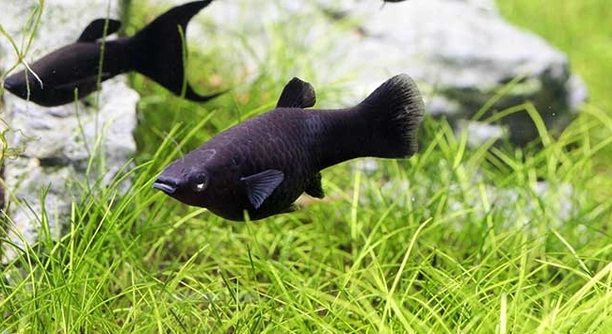
Are your black mollies often floating in the middle of the tank instead of swimming near the top or bottom? Many fish owners notice this behavior and wonder what it might mean for their aquarium setup. Observing these patterns can reveal important details.
The primary reason black mollies hover mid-tank is related to water conditions and stress. Poor water quality, improper temperature, or insufficient oxygen levels can cause discomfort, leading mollies to maintain a mid-level position where conditions feel slightly more stable.
Learning how water quality, diet, and tank setup affect behavior will help you improve your fish’s comfort and overall well-being in the aquarium.
Water Quality and Its Effects
Poor water quality is a major factor in why black mollies hover in the middle of the tank. When ammonia, nitrite, or nitrate levels are too high, fish can become stressed and uncomfortable. Mollies may avoid the bottom where waste accumulates and the surface if oxygen is low, finding a middle zone more tolerable. pH fluctuations can also cause unease. Black mollies thrive in slightly alkaline water, and sudden changes can lead to unusual swimming behavior. Regular water testing and partial water changes are essential. Keeping the tank clean helps maintain stable conditions and encourages normal movement. Temperature consistency is equally important. Mollies are tropical fish that prefer temperatures between 75 and 82°F. Water that is too cold or too warm can make them lethargic or force them to hover mid-water. Aeration and circulation also support healthy swimming patterns. Observing these elements can explain why your mollies behave unusually and guide improvements in care.
Keeping water consistently clean and maintaining proper pH and temperature helps mollies swim comfortably throughout the tank.
Monitoring water parameters regularly ensures mollies remain active and healthy. Aerators or filters can help maintain oxygen levels, preventing mid-tank hovering. These adjustments make their environment more stable. Consistent feeding and avoiding overfeeding also support water quality. If water is clean but mollies still hover, consider examining decorations or hiding spots, as excessive light or lack of cover may stress them.
Diet and Feeding Habits
Overfeeding or improper nutrition can affect swimming behavior in black mollies.
Black mollies need a balanced diet that includes high-quality flakes, frozen or live foods, and occasional plant matter. Feeding too much at once can cause bloating, swim bladder issues, or sluggishness, making them linger in mid-water. Uneaten food decomposes, further affecting water quality and causing additional stress. Smaller, more frequent feedings are better. Ensure variety to prevent nutrient deficiencies, which can impact energy levels and buoyancy. Observing how mollies react after feeding can indicate whether diet adjustments are necessary. They may also hover if they are searching for food or competing for meals. Introducing vegetables like blanched spinach or zucchini can improve digestion and reduce bloating. Keeping a consistent feeding schedule helps maintain stable behavior patterns. Diet management is closely linked to water conditions and activity, and addressing both ensures mollies remain lively, swim freely, and avoid hovering unnecessarily in the tank’s mid-level.
Tank Size and Environment
Black mollies need enough space to swim freely. Crowded tanks can make them hover mid-level to avoid competition or stress from other fish. A small tank limits natural movement and encourages unusual behavior. Decorations, plants, and hiding spots also influence swimming patterns.
Ensuring proper tank size is key for mollies’ comfort. A minimum of 20 gallons for a small group provides adequate space. Overcrowding increases stress, which can lead to health issues like weakened immunity or reduced activity. Mollies prefer areas with both open swimming space and spots to retreat. Plants, rocks, and driftwood can create a natural feel while preventing dominance struggles. Regular monitoring of fish numbers and behavior helps maintain a healthy environment. Adjusting layout and stocking levels can reduce mid-tank hovering and promote normal swimming patterns.
Water flow and current also affect their positioning. Mollies may hover mid-tank if currents are too strong or uneven. Proper filtration and circulation help maintain balance. Observing where they spend most time informs adjustments. Adding gentle flow and removing sharp decorations can encourage exploration of the entire tank, keeping mollies active and evenly distributed.
Stress and Social Behavior
Mollies are sensitive to stress from other fish or sudden changes in the tank.
Aggressive tank mates or frequent disturbances can make mollies retreat to the middle zone. Stress can result from loud noises, sudden lighting changes, or excessive handling. Black mollies are social but need a balanced community. Keeping them with compatible species and avoiding overcrowding helps maintain stability. They may also hover if establishing pecking order within the group, which is normal for social hierarchy.
Providing a stable, calm environment reduces mid-tank hovering. Introducing mollies gradually, maintaining consistent lighting, and minimizing sudden changes helps them feel secure. Observing their interactions can reveal dominance or territorial disputes. Adjusting tank decor to provide hiding spaces reduces stress. Social enrichment, such as plants and gentle water movement, encourages natural schooling behavior and more even swimming. Consistency in feeding, cleaning, and interaction also supports overall well-being. Monitoring stress signs early prevents long-term health problems and improves swimming activity.
Temperature and Oxygen Levels
Black mollies are sensitive to water temperature and oxygen content. Water that is too cold or too warm can make them hover mid-tank. Low oxygen levels also push them to areas where conditions feel slightly better. Regular monitoring is essential.
Maintaining consistent temperature between 75 and 82°F is ideal. Sudden drops or spikes stress mollies, causing unusual swimming patterns. Using a reliable heater and thermometer ensures stability. Oxygenation through surface agitation or air stones helps mollies remain active and comfortable. Observing their position in the tank can indicate if adjustments are needed. Proper circulation prevents stagnant areas where oxygen is low, encouraging natural movement.
Illness and Health
Swimming mid-tank can indicate health problems. Swim bladder issues, parasites, or infections may alter buoyancy. Observing other symptoms like clamped fins or lack of appetite helps identify illness. Early intervention improves recovery chances.
Light and Day-Night Cycle
Excessive or irregular lighting can stress mollies. A consistent day-night cycle supports natural behavior and reduces mid-tank hovering.
FAQ
Why is my black molly hovering in the middle of the tank all the time?
Constant mid-tank hovering usually points to stress, water quality issues, or temperature fluctuations. Mollies seek a position where conditions feel more stable. Check for high ammonia or nitrite levels, uneven temperature, low oxygen, or overcrowding. Observing other behavior, such as reduced appetite or lethargy, can help pinpoint the cause. Adjusting water parameters, ensuring proper tank size, and maintaining consistent feeding routines often resolve this behavior.
Can poor water quality make mollies hover mid-tank?
Yes, poor water quality is a leading factor. High ammonia, nitrite, or nitrate levels irritate fish and can affect buoyancy. Uneaten food and decaying plant matter worsen the problem. Regular water testing and partial water changes maintain stability. Proper filtration and aeration also help mollies feel comfortable throughout the tank.
Does diet affect swimming behavior?
Improper feeding can cause bloating or swim bladder issues, forcing mollies to hover mid-water. Overfeeding is common, as uneaten food decays and affects water quality. A balanced diet with occasional live or frozen foods, supplemented with vegetables, supports digestion and normal buoyancy. Feeding smaller portions multiple times a day reduces stress.
Can tank size or environment cause this behavior?
Yes, insufficient space or overcrowding can make mollies hover in mid-tank to avoid competition. Decorations, plants, and hiding spots also influence movement. Black mollies need a minimum of 20 gallons for a small group. Open swimming areas with some cover encourage normal activity and reduce stress-induced hovering.
How do temperature and oxygen levels play a role?
Mollies are tropical fish requiring 75–82°F water. Temperatures outside this range can stress them and alter swimming patterns. Low oxygen forces fish to seek mid-water levels where it is slightly more comfortable. Surface agitation, air stones, and proper circulation ensure adequate oxygen and reduce mid-tank hovering.
Can stress from other fish affect them?
Yes, aggressive tank mates or frequent disturbances can make mollies hover to avoid conflict. Stress may also arise from sudden lighting changes or loud noises. Maintaining a calm, stable environment with compatible species helps mollies feel secure and swim normally. Hiding spots and plant cover can further reduce stress.
Is mid-tank hovering a sign of illness?
It can be. Swim bladder problems, infections, or parasites may alter buoyancy. Watch for clamped fins, lack of appetite, or lethargy. Promptly isolating affected fish and seeking treatment improves recovery chances and prevents spreading illness to others.
Does lighting influence this behavior?
Irregular or intense lighting can stress mollies, causing them to hover mid-level. A consistent day-night cycle with moderate light levels promotes natural swimming patterns. Gradually adjusting brightness and using plants or decorations for shaded areas helps mollies feel safe.
Can water flow impact mid-tank hovering?
Yes, strong or uneven currents may make mollies avoid certain areas, leaving mid-tank as a compromise. Gentle, uniform water flow encourages exploration and even distribution. Adjusting filter output or rearranging decorations can create a calmer environment, reducing hovering behavior.
How can I encourage my mollies to swim normally?
Maintain stable water parameters, proper temperature, and oxygenation. Provide a balanced diet, adequate tank size, and hiding spots. Avoid overcrowding and aggressive species. Observing behavior and making gradual environmental adjustments will encourage natural movement and reduce mid-tank hovering over time.
Black mollies hovering in the middle of the tank can feel worrying at first, but it is usually a sign that they are adjusting to their environment or reacting to certain conditions. Their position in the tank often reflects their comfort level, water quality, temperature, or social interactions. Observing their behavior carefully can give clear hints about what needs attention. Consistently hovering mid-level is rarely random and is typically linked to stress, improper tank conditions, or dietary issues. Understanding this behavior helps ensure your mollies remain healthy and active. Small changes in the tank setup or routine can make a noticeable difference.
Water quality plays a major role in how black mollies behave. High levels of ammonia, nitrites, or nitrates create stress, while sudden pH changes or temperature fluctuations can also disturb them. Proper filtration, regular partial water changes, and consistent monitoring of water parameters support a stable environment. Aeration and gentle circulation increase oxygen levels, which allows fish to move more naturally throughout the tank. Diet is another important factor. Overfeeding, feeding only one type of food, or including food that is difficult to digest can lead to bloating or swim bladder problems. Providing a varied diet with high-quality flakes, occasional live or frozen foods, and some vegetable matter can prevent these issues and encourage normal swimming behavior.
Tank size, social structure, and environmental setup also influence how black mollies swim. Crowded tanks or aggressive tank mates may push them to hover in mid-water to avoid confrontation. Plants, decorations, and hiding spots give them security while maintaining open areas allows natural movement. Lighting and daily cycles are equally important, as irregular or intense light can add stress. Attention to these details helps mollies feel secure and confident, reducing mid-tank hovering. Overall, consistent care, careful observation, and timely adjustments create a healthier, more comfortable environment. Addressing the factors that affect their behavior ensures that black mollies remain lively, well-adjusted, and enjoy balanced movement throughout the tank.

Hello,
If you enjoy the content that we create, please consider saying a "Thank You!" by leaving a tip.
Every little bit helps us continue crafting quality advice that supports the health, happiness, and well-being of pets around the world, for pets of all shapes, sizes, and species.
We really appreciate the kindness and support that you show us!