
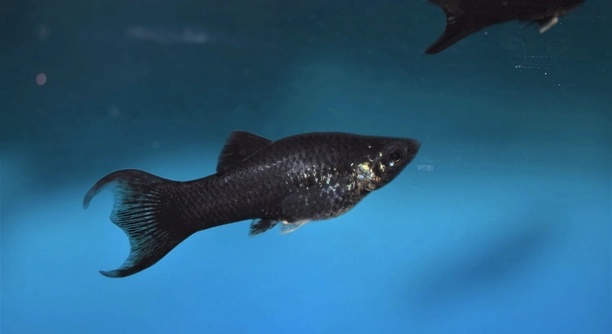
Is your black molly acting differently than usual or spending more time hiding in the corners of the tank? Observing small changes in behavior can help you identify signs of stress before they escalate into serious health issues.
Black mollies can experience stress due to water quality, overcrowding, sudden changes in environment, or illness. Signs include rapid gill movement, clamped fins, reduced activity, loss of appetite, and hiding. Monitoring these behaviors is essential for maintaining their overall well-being and health.
Recognizing these signals early allows you to create a calmer environment and support your molly’s long-term health effectively.
Common Signs of Stress in Black Mollies
Black mollies may show stress in ways that are easy to notice if you pay attention. One of the first signs is hiding more than usual, staying at the bottom of the tank, or avoiding swimming in open areas. Another common behavior is clamped fins, where their fins stay close to their body instead of fanning out naturally. Rapid gill movement or irregular breathing is also an indicator, as it shows they may be struggling to get enough oxygen or reacting to poor water conditions. Changes in appetite are another clear sign; a stressed molly may eat less or refuse food entirely. Additionally, sudden aggression toward other fish or frequent darting around the tank are signals that something is off. Recognizing these behaviors early can help you take action to reduce stress and prevent health problems from developing in your fish.
Watching your molly carefully can make it easier to catch problems before they worsen.
Creating a stable environment for your black molly is essential. Stress can stem from sudden changes in temperature, water chemistry, or the addition of new fish. Maintaining clean water with regular testing and partial water changes keeps the tank healthy. Avoid overcrowding by giving each fish enough space to swim freely. Providing plants or hiding spots helps mollies feel secure. Consistent feeding schedules and high-quality food reduce stress related to nutrition. Even small adjustments, like gentle lighting or controlling noise near the tank, can make a noticeable difference. Observing your molly’s behavior daily allows you to respond quickly if signs of stress appear. Over time, these consistent care practices create a calmer, healthier environment. Your black molly will be more active, show natural behaviors, and have better resistance to illness.
Managing Stress Through Diet
Feeding your black molly a balanced diet is one of the easiest ways to reduce stress.
A varied diet supports overall health and helps mollies maintain vibrant colors and energy. Incorporating high-quality flakes, pellets, and occasional live or frozen foods provides essential nutrients. Avoid overfeeding, as leftover food can pollute the water and increase stress. Observing your molly’s eating habits can reveal early signs of stress or illness. Supplementing with vegetables like blanched spinach or zucchini can add fiber and variety. Treats should be given sparingly to maintain balance. Feeding in small portions multiple times a day mimics natural grazing and prevents aggressive competition at feeding times. By managing diet carefully, you directly improve your molly’s resilience to environmental changes, supporting both physical and mental health. Over time, a proper diet reduces common stress behaviors like hiding, rapid swimming, or clamped fins, helping your molly thrive in a stable and nurturing tank environment.
Maintaining Proper Water Conditions
Regular water changes are essential for a healthy black molly. Testing for ammonia, nitrite, nitrate, and pH ensures the tank stays within safe levels. Stable temperatures and clean water reduce stress and support natural behavior.
Keeping water conditions consistent prevents stress-related illnesses. Black mollies are sensitive to sudden changes in pH or temperature, which can make them lethargic or cause rapid gill movement. Using a reliable water heater and thermometer helps maintain stability. Filtration must be appropriate for tank size to avoid buildup of waste. Regular partial water changes, about 20–30 percent weekly, keep toxins low. Avoid harsh chemicals and ensure new water is dechlorinated before adding it to the tank. Observing your fish after changes allows you to notice stress quickly.
Introducing live plants and hiding spots can further improve water quality and create a sense of security. Plants absorb nitrates, reduce algae growth, and provide areas where black mollies can retreat. A well-planted tank encourages natural swimming patterns and reduces aggressive encounters among fish. Even simple decorations or small caves can offer comfort. Combining proper filtration, regular water changes, and strategic tank decor keeps the environment stable, lowering stress levels. Maintaining these conditions consistently allows your mollies to thrive with better color, appetite, and overall activity.
Avoiding Overcrowding
Overcrowding increases competition for space and resources, leading to stress. Limiting the number of fish per tank size ensures a calmer environment.
Each black molly needs enough space to swim freely without constant contact with others. Overcrowding can lead to aggression, clamped fins, and hiding. A general guideline is one inch of fish per gallon of water, though larger tanks allow more flexibility. Separate aggressive individuals if conflicts arise, and provide plants or dividers to create territories. Regular monitoring helps you notice signs of stress caused by crowding. Avoid adding too many new fish at once. Maintaining proper stocking levels ensures a healthier, more relaxed tank where your black mollies can display natural behaviors without constant stress or injury.
Reducing Sudden Changes
Sudden changes in temperature, lighting, or water chemistry can stress black mollies. Introducing adjustments slowly helps them adapt. Gradual acclimation prevents shock and promotes stable behavior, keeping your fish active and healthy.
Consistent routines for feeding and cleaning reduce anxiety. Avoid rearranging decorations or adding new fish abruptly. Minor, predictable changes allow mollies to feel secure, lowering stress levels.
Monitoring Behavior Daily
Observing your black molly every day helps detect early stress signs. Watch for clamped fins, hiding, or unusual swimming patterns. Immediate attention prevents small problems from becoming serious health issues.
Proper Tank Lighting
Balanced lighting supports molly health and reduces stress. Too bright or too dim lighting can cause hiding or inactivity. Natural day-night cycles improve comfort and regulate activity patterns, helping mollies feel secure in their environment.
Gentle Interaction
Handle tank maintenance calmly. Sudden movements or tapping can startle black mollies. Calm behavior during feeding and cleaning supports a stress-free environment.
FAQ
How can I tell if my black molly is stressed?
Signs of stress in black mollies include hiding frequently, clamped fins, rapid gill movement, and reduced appetite. They may also dart around the tank or show aggression toward other fish. Monitoring these behaviors daily helps you detect problems early and respond appropriately.
What causes stress in black mollies?
Stress can result from poor water quality, sudden temperature or pH changes, overcrowding, illness, or aggressive tank mates. Even minor changes in lighting or decoration can affect their comfort. Maintaining a stable environment and observing their behavior reduces stress significantly.
How often should I check water parameters?
Testing water at least once a week is ideal. Monitor ammonia, nitrite, nitrate, and pH to ensure levels remain safe. Frequent checks help you identify issues early before they impact your molly’s health, preventing stress-related problems.
Can diet affect stress levels?
Yes, a balanced diet is crucial. Overfeeding or underfeeding can lead to water pollution or nutritional deficiencies. Feed high-quality flakes or pellets with occasional vegetables or frozen foods. Consistent feeding schedules help mollies feel secure and maintain energy levels.
Is tank size important for reducing stress?
Absolutely. Black mollies need enough space to swim freely. Overcrowding increases aggression and hiding. A general rule is one inch of fish per gallon of water, though larger tanks allow more flexibility. Proper spacing promotes natural behavior and lowers stress.
Do black mollies need hiding spots?
Yes, plants, caves, and decorations create safe spaces. Hiding spots reduce anxiety, give them a sense of security, and prevent conflicts with other fish. Well-planned decor supports a calm and balanced tank environment.
Can sudden changes in temperature harm black mollies?
Yes, abrupt temperature shifts can stress them quickly. Gradual adjustments during water changes or heating help mollies acclimate safely. Using a reliable thermometer and heater ensures stability, which is critical for preventing illness.
How do I introduce new fish without causing stress?
Quarantine new fish first to prevent disease. Introduce them slowly, giving existing mollies time to adjust. Avoid adding multiple fish at once, as sudden population changes can increase aggression and hiding behaviors.
How can I reduce stress during tank maintenance?
Move slowly and calmly when cleaning or feeding. Avoid tapping on the glass or sudden movements. Gentle handling and predictable routines help mollies feel safe and less anxious in their environment.
What should I do if my black molly shows signs of illness?
Isolate the affected fish in a quarantine tank if possible. Check water quality and maintain optimal conditions. Consult a veterinarian or experienced aquarist for proper treatment. Early intervention improves recovery and minimizes further stress.
Can lighting affect black molly stress levels?
Yes, improper lighting can cause hiding or lethargy. A balanced day-night cycle with moderate light supports activity and natural behavior. Avoid sudden changes in brightness to maintain comfort and reduce anxiety.
How long does it take for a stressed black molly to recover?
Recovery depends on the cause and severity. Improving water conditions, diet, and tank setup can show results in days to weeks. Continuous observation ensures that the environment remains supportive for long-term health.
Are black mollies more sensitive to stress than other fish?
They are moderately sensitive. While hardy, black mollies react noticeably to water changes, overcrowding, and poor diet. Maintaining stable conditions and observing their behavior regularly helps prevent stress from affecting their health.
Can stress cause color changes in black mollies?
Yes, stressed black mollies may lose vibrancy or appear dull. Proper nutrition, water quality, and a calm environment help restore natural coloration and overall vitality.
What is the most effective way to prevent stress long-term?
Consistent care is key. Stable water parameters, a balanced diet, adequate space, hiding spots, and gentle interactions create a secure environment. Daily observation allows early detection of problems, helping your black molly thrive with minimal stress.
How do I know if my interventions are working?
Observe behavior and physical health. Mollies that resume normal swimming, eating, and interacting with tank mates indicate reduced stress. Gradual improvements in color and activity confirm that environmental adjustments are effective and supporting their well-being.
Final Thoughts
Black mollies are sensitive creatures that rely on a stable environment to thrive. Stress can affect their behavior, appetite, and overall health, so it is important to recognize the signs early. Frequent hiding, clamped fins, rapid gill movement, and sudden aggression are all indications that a molly may be under stress. Monitoring daily behavior helps prevent small issues from becoming serious problems. Taking note of even minor changes allows you to act quickly, ensuring your fish remains healthy and active. A calm and consistent routine for feeding, cleaning, and interaction contributes significantly to reducing stress. Observing your mollies carefully gives insight into their comfort levels and can help maintain a peaceful tank environment.
Proper care involves attention to multiple factors that influence stress. Water quality is one of the most critical aspects to manage. Regular testing for ammonia, nitrite, nitrate, and pH, along with consistent partial water changes, ensures a clean and safe habitat. Temperature should remain stable, and sudden changes should be avoided. Overcrowding is another common source of stress, so giving each molly enough space is essential. Incorporating live plants, hiding spots, and decorations provides areas of security that allow fish to feel safe. A balanced diet with high-quality food and occasional vegetables supports physical health and mental well-being. Paying attention to lighting and avoiding abrupt environmental changes further reduces stress. When all these elements are addressed, black mollies are more likely to display natural behaviors, including active swimming, feeding regularly, and interacting peacefully with tank mates.
Managing stress is a continuous process rather than a one-time task. Daily observation, routine maintenance, and careful adjustments to diet and environment help create a stable and secure habitat. Even small improvements, such as adding a plant or adjusting lighting, can have a positive impact on a molly’s comfort. Interventions should be gradual to allow the fish time to adapt and respond. It is important to remember that each fish may react differently, so attention to individual behavior is key. Over time, consistent care strengthens their health, reduces stress-related illnesses, and supports long-term vitality. By maintaining proper water conditions, providing adequate space, and monitoring diet and behavior, black mollies can thrive in a stress-free environment. Creating this balance allows you to enjoy observing their natural behaviors and ensures your fish remain healthy and vibrant for years.

Hello,
If you enjoy the content that we create, please consider saying a "Thank You!" by leaving a tip.
Every little bit helps us continue crafting quality advice that supports the health, happiness, and well-being of pets around the world, for pets of all shapes, sizes, and species.
We really appreciate the kindness and support that you show us!