
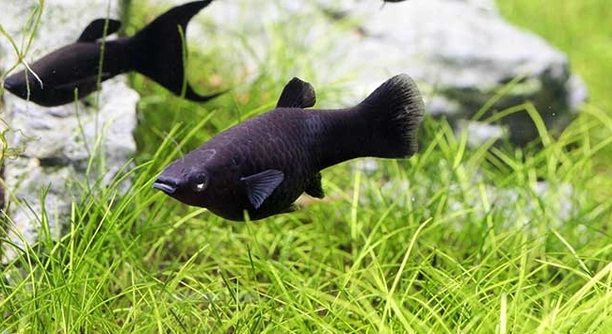
Do you love keeping Black Mollies but worry they might not live as long as you hope? These small, lively fish bring color and life to any freshwater aquarium, making their well-being very important to owners.
Improving the lifespan of Black Mollies naturally involves maintaining clean water conditions, providing a balanced diet rich in nutrients, controlling tank temperature and salinity, reducing stress factors, and ensuring a suitable environment that supports their natural behaviors and health.
Understanding these simple adjustments can greatly enhance your fish’s quality of life and ensure your aquarium remains a healthy, vibrant home for years.
Keep the Water Clean
Maintaining clean water is essential for Black Mollies to live longer and stay healthy. I always make sure to change about 25% of the water every week, removing leftover food and waste. This helps prevent the buildup of harmful chemicals like ammonia and nitrites. A good filter also makes a big difference, keeping the water clear and oxygenated. Sometimes I use a small net to remove floating debris or excess algae, which can make the tank look better and reduce stress on the fish. Regular testing of water parameters ensures the levels stay safe for my Mollies. I noticed that when I slowed down on water changes, the fish became less active, showing that they really do respond to cleaner, more stable water conditions. Keeping the environment balanced also prevents diseases that often shorten their lifespan.
Clean water helps your Mollies stay energetic, healthy, and less likely to get sick.
Consistent water maintenance creates a stable environment that supports natural behavior and reduces stress. Black Mollies thrive in clean, well-oxygenated water. Using a reliable filtration system combined with regular partial water changes prevents toxin buildup, encourages activity, and maintains their natural coloration. Testing water pH, hardness, and salinity regularly ensures the tank stays within safe ranges, reducing health risks. Removing uneaten food quickly stops decomposition and lowers ammonia spikes. Even small debris or algae growth can affect water quality, so using a net or scraper occasionally helps. Proper water care creates a balanced habitat that promotes growth, strengthens immunity, and increases the chances of a longer life for your fish. Mollies also respond positively to stable conditions, swimming more actively and interacting naturally. Over time, I’ve seen that tanks with consistent maintenance have Mollies that are more vibrant, lively, and healthy, showing the direct impact of clean water on lifespan.
Provide a Balanced Diet
Feeding Black Mollies the right mix of food is key to their health.
A varied diet of high-quality flakes, frozen or live food, and vegetables ensures they get all essential nutrients.
Including vegetables like spinach or zucchini adds fiber and vitamins, while protein from brine shrimp or daphnia supports growth. Overfeeding can cause bloating and poor water quality, so portion control is important. I usually feed small amounts twice a day, watching that all food is eaten quickly. Feeding routines also help reduce stress and maintain their natural colors. Rotating food types keeps their diet balanced and prevents nutritional deficiencies. Even small treats like bloodworms can boost health if given occasionally. By paying attention to both quality and quantity, Mollies stay energetic, healthy, and live longer. A proper diet strengthens their immune system, allowing them to better resist disease and adapt to changes in the tank environment, ultimately supporting a longer, more active life.
Control Tank Temperature
Black Mollies need a stable tank temperature to stay healthy. I keep mine around 75–78°F, which seems to suit them best. Sudden changes make them stressed and less active.
Keeping the water temperature consistent is important because fluctuations can weaken their immune system. I use a reliable heater and check it daily to make sure it stays steady. Too cold or too warm water affects metabolism and feeding habits, which can shorten their lifespan. Even small changes can make a noticeable difference in behavior. Mollies become sluggish or hide more when stressed by temperature shifts. Maintaining a consistent environment supports their natural activity and helps prevent illness.
I also pay attention to the room temperature around the tank. If windows are open or heaters are running, I adjust the tank heater accordingly. Using a thermometer with an alert system has helped me catch small drops or rises early. Black Mollies respond quickly to stable conditions, showing better color, eating regularly, and swimming actively. By controlling temperature carefully, I’ve noticed they live longer and remain lively over time, reducing the risk of sudden health problems that often appear with stress or instability.
Reduce Stress Factors
Minimizing stress is essential for Black Mollies to thrive. Crowded tanks and aggressive tank mates can make them anxious.
Stress weakens immunity and shortens lifespan. I separate aggressive species and provide hiding spots like plants and decorations. Quiet surroundings and steady lighting also make a big difference.
I make sure the tank has enough space for swimming and resting areas. Avoiding sudden loud noises or tapping on the glass helps Mollies feel secure. Plants, rocks, and ornaments give them places to hide and explore, reducing tension. Stress can cause disease or prevent Mollies from eating properly, so maintaining calm conditions is critical. I also monitor interactions with other fish, moving any overly aggressive ones to prevent fights. Over time, a stress-free environment keeps Mollies healthy, active, and more likely to reach their full lifespan. Observing their behavior regularly helps me spot early signs of stress and adjust the tank setup promptly.
Maintain Proper Salinity
Black Mollies thrive in slightly brackish water. I add a small amount of aquarium salt occasionally to keep the salinity stable. Too little or too much salt can stress them and affect their health.
Monitoring salinity is simple with a test kit. I check it weekly to make sure it stays within the safe range. Consistency helps Mollies maintain their natural balance and prevents issues like fin rot or sluggish behavior. Small adjustments over time are safer than large changes all at once.
Avoid Overcrowding
Overcrowded tanks make Black Mollies stressed and more prone to disease. I keep the population moderate, allowing each fish enough space to swim freely and interact naturally without tension.
Providing enough room prevents aggressive behavior, reduces competition for food, and helps maintain water quality. I usually follow the guideline of one inch of fish per gallon, adjusting for the tank size and decorations. A spacious environment encourages activity and promotes growth while lowering stress levels. Overcrowding can also increase waste, causing water parameters to fluctuate quickly. By keeping the tank comfortably populated, Mollies remain healthy, active, and more resistant to illness, directly supporting their natural lifespan.
Provide Hiding Spots
Black Mollies feel safer with plants and decorations. I arrange plenty of hiding places so they can rest or escape when stressed.
Monitor Health Regularly
I watch my Mollies daily for signs of illness, such as unusual swimming or changes in color. Early detection helps treat problems before they become serious.
FAQ
How often should I change the water in my Black Molly tank?
I change about 25% of the water every week. This keeps ammonia and nitrite levels low and ensures the fish stay healthy. Frequent water changes also prevent algae buildup and reduce stress. Over time, I’ve noticed Mollies are more active and vibrant when water is clean.
What is the best diet for Black Mollies?
A balanced diet is important. I feed high-quality flakes, occasional live or frozen foods like brine shrimp, and vegetables like spinach or zucchini. Rotating foods prevents nutritional gaps, and feeding small portions twice a day helps avoid overfeeding, which can harm water quality and fish health.
Do Black Mollies need salt in their water?
Yes, a small amount of aquarium salt helps maintain their natural balance. I add it occasionally, especially if the tank is fully freshwater. Too much salt can be harmful, so I measure carefully and test salinity regularly to keep it stable.
How can I reduce stress for my Mollies?
Providing hiding spots, keeping peaceful tank mates, and avoiding sudden loud noises all reduce stress. I use plants and decorations to give them space to explore and rest. Stress affects immunity, so a calm environment is essential for their longevity.
What temperature is ideal for Black Mollies?
I keep the water between 75–78°F. Stable temperature is crucial; sudden changes make them sluggish or prone to illness. Using a heater and thermometer helps maintain consistency, and I check daily to ensure the water stays within the safe range.
How do I prevent diseases in my Mollies?
Clean water, balanced food, and stress reduction are the main ways I prevent illness. I also observe daily for unusual behavior, color changes, or spots. Quarantining new fish before adding them to the main tank helps avoid introducing infections.
Can Black Mollies live with other fish?
Yes, as long as tank mates are peaceful and similar in size. Aggressive or very small fish can cause stress or injury. I carefully choose companions and monitor interactions, moving any aggressive fish if needed. Proper spacing reduces conflicts and promotes harmony.
How much space do Black Mollies need?
Each fish needs enough room to swim comfortably. I follow roughly one inch of fish per gallon but adjust for tank decorations and the number of Mollies. Overcrowding leads to stress, poor water quality, and shortened lifespan.
Do Black Mollies need live plants?
Live plants are beneficial but not strictly required. I include them because they provide hiding spots, improve water quality, and make the tank feel natural. Even a few plants can reduce stress and encourage natural behavior, keeping the fish active and healthy.
What signs show my Mollies are healthy?
Active swimming, bright colors, and regular eating are key indicators. I notice that healthy Mollies interact with tank mates and explore their environment. Fin damage, sluggishness, or loss of appetite often signals stress or illness, prompting me to check water parameters or diet immediately.
How often should I test water parameters?
I test weekly for ammonia, nitrites, nitrates, pH, and salinity. Keeping these levels stable prevents illness and supports growth. Regular testing allows me to catch problems early, adjust treatments or water changes, and maintain a long, healthy life for my Mollies.
Can overfeeding shorten their lifespan?
Yes, overfeeding causes excess waste, poor water quality, and digestive problems. I feed small amounts twice a day and remove uneaten food quickly. Proper portioning keeps the tank clean and the fish healthy, supporting their longevity and preventing common water-related issues.
Are Black Mollies sensitive to light?
They appreciate a stable day-night cycle. I keep consistent lighting and avoid sudden bright lights. Too much light encourages algae growth, while sudden changes can stress them. Consistency in lighting helps regulate behavior and supports overall health.
How do I introduce new Mollies safely?
I quarantine new fish for a few weeks before adding them to the main tank. This prevents disease spread. I also acclimate them slowly to water temperature and chemistry, reducing stress and helping them adjust safely to their new environment.
Is it necessary to trim plants in the tank?
Trimming helps prevent overcrowding and maintains water flow. I remove dead leaves and thin out dense areas. This reduces hiding spots for waste buildup and ensures Mollies can swim freely, keeping them active and healthy.
Can Black Mollies adapt to full freshwater?
They can survive in freshwater, but a small amount of salt improves health and coloration. I’ve found that slightly brackish water supports better growth, stronger immune systems, and more vibrant colors over time. Regular monitoring of water conditions is essential.
How do I know if my Mollies are stressed?
Signs include hiding, loss of appetite, sluggish swimming, or clamped fins. I watch daily for these behaviors. Stress often signals water issues, overcrowding, or aggressive tank mates. Addressing the cause quickly helps restore their health and prolongs lifespan.
What is the typical lifespan of a Black Molly?
With proper care, they usually live 3–5 years. I’ve seen some reach the upper range with clean water, balanced diet, stable temperature, and low-stress environments. Following consistent care routines makes a noticeable difference in their longevity and activity levels.
Do Black Mollies need supplemental vitamins?
Occasional supplementation can help, especially if the diet lacks variety. I use small amounts of liquid vitamins or enriched foods. Overdoing it can harm the fish, so moderation is key. Vitamins support immunity, coloration, and overall energy, enhancing lifespan naturally.
Can I breed Black Mollies in a community tank?
Breeding is possible, but I often separate pregnant females to protect fry. Overcrowding or aggressive fish can harm babies. Providing plenty of hiding spots and monitoring interactions ensures successful breeding without stressing adults or juveniles.
How do I maintain long-term tank health?
Consistent water changes, careful feeding, monitoring parameters, and reducing stress all contribute. I make small adjustments gradually and observe fish behavior. Stable, clean conditions create a supportive environment, keeping Black Mollies healthy and increasing their natural lifespan significantly.
Black Mollies are small but lively fish that bring a lot of personality to a home aquarium. Their natural curiosity and activity make them enjoyable to watch, and with proper care, they can live a long, healthy life. I have kept Mollies for years and have seen firsthand how consistent care makes a big difference in their behavior and overall health. Simple steps like regular water changes, maintaining stable temperature, and providing a balanced diet all add up to create a strong foundation for their wellbeing. Even small adjustments, such as adding a few hiding spots or monitoring water salinity, can significantly impact how comfortable and active the fish feel in their environment. Observing them daily helps notice early signs of stress or illness, allowing for quick action that can prevent bigger problems. By paying attention to these details, the tank becomes a more stable and pleasant home for Black Mollies, encouraging them to thrive naturally.
Feeding a proper diet is another key factor in supporting the lifespan of Black Mollies. I make sure to provide a variety of foods, including high-quality flakes, live or frozen protein, and occasional vegetables. Rotating the types of food keeps them healthy and prevents nutritional deficiencies. Portion control is also important, as overfeeding can lead to poor water quality and digestive issues. I’ve noticed that when I maintain a consistent feeding schedule and offer the right types of food, the fish are more energetic, swim actively, and display brighter coloration. A good diet also strengthens their immune system, helping them resist common illnesses and recover more quickly from minor stress. Even small habits, like removing uneaten food promptly, contribute to cleaner water and a healthier tank environment overall.
Creating a low-stress environment is just as important as diet and water quality. Black Mollies are sensitive to sudden changes in temperature, overcrowding, or aggressive tank mates. I arrange plenty of plants, decorations, and hiding spots so they can feel secure and explore freely. Regularly monitoring water parameters, tank population, and fish behavior allows me to make small adjustments that keep stress levels low. Keeping the tank calm, stable, and well-maintained encourages natural behaviors, increases activity, and promotes longer lifespan. Over time, I’ve learned that consistent care, attention to detail, and a focus on both the physical and environmental needs of Black Mollies produce the best results. With these simple yet effective measures, Mollies can thrive for years, remaining lively, colorful, and healthy companions in any freshwater setup.

Hello,
If you enjoy the content that we create, please consider saying a "Thank You!" by leaving a tip.
Every little bit helps us continue crafting quality advice that supports the health, happiness, and well-being of pets around the world, for pets of all shapes, sizes, and species.
We really appreciate the kindness and support that you show us!